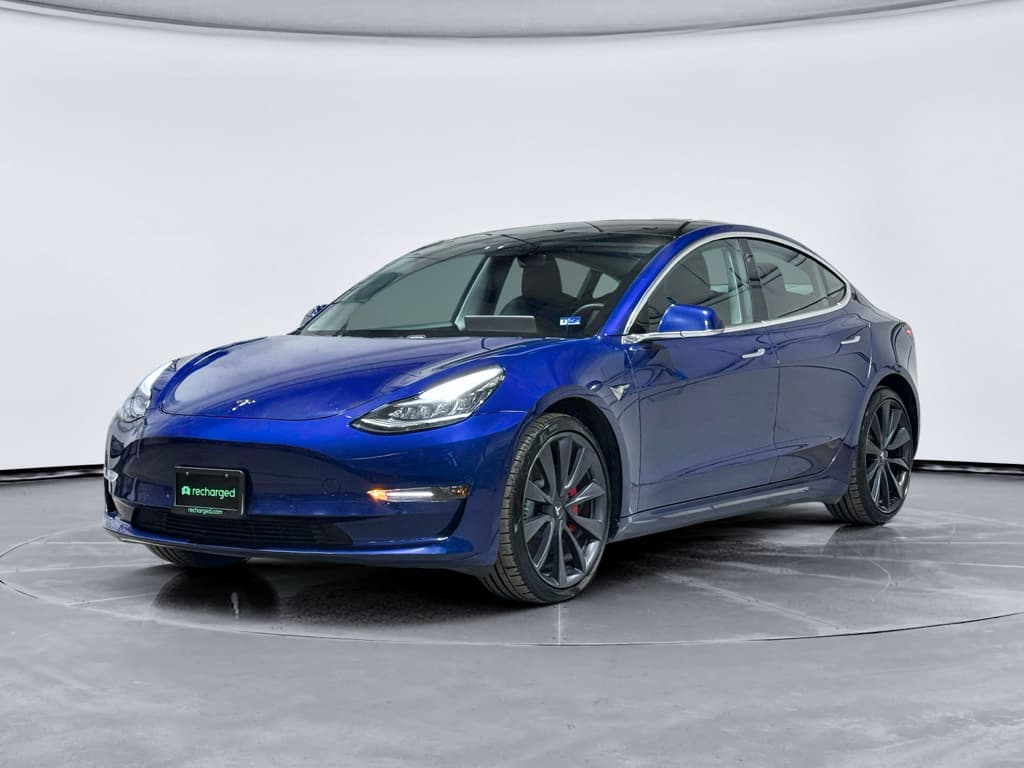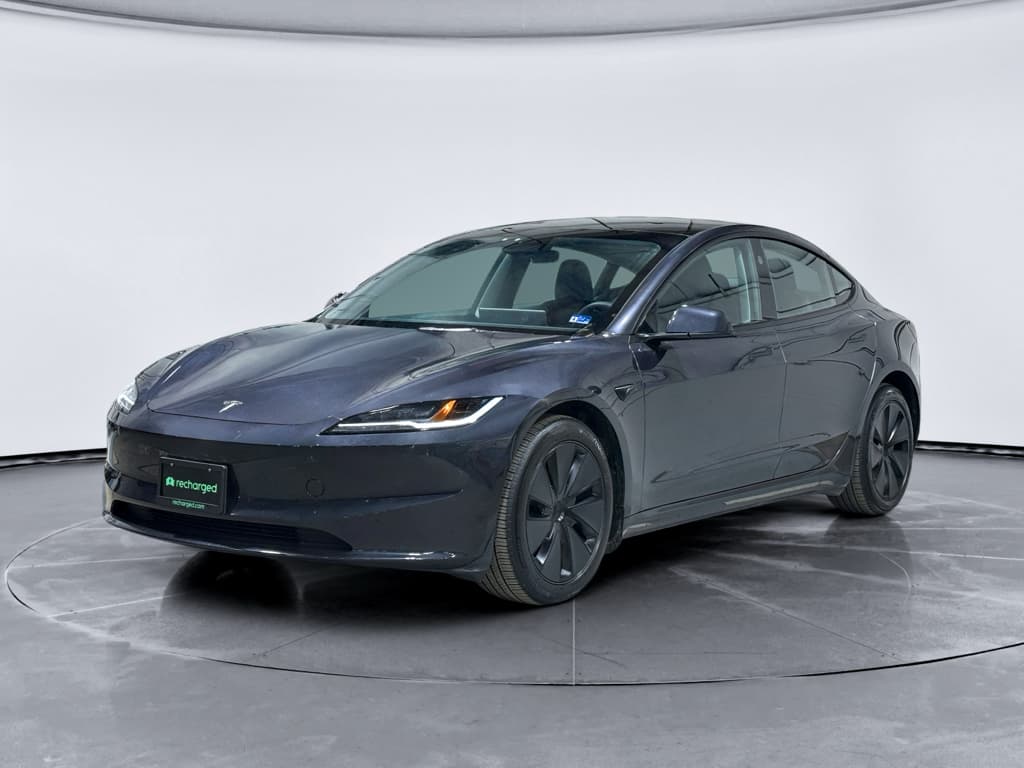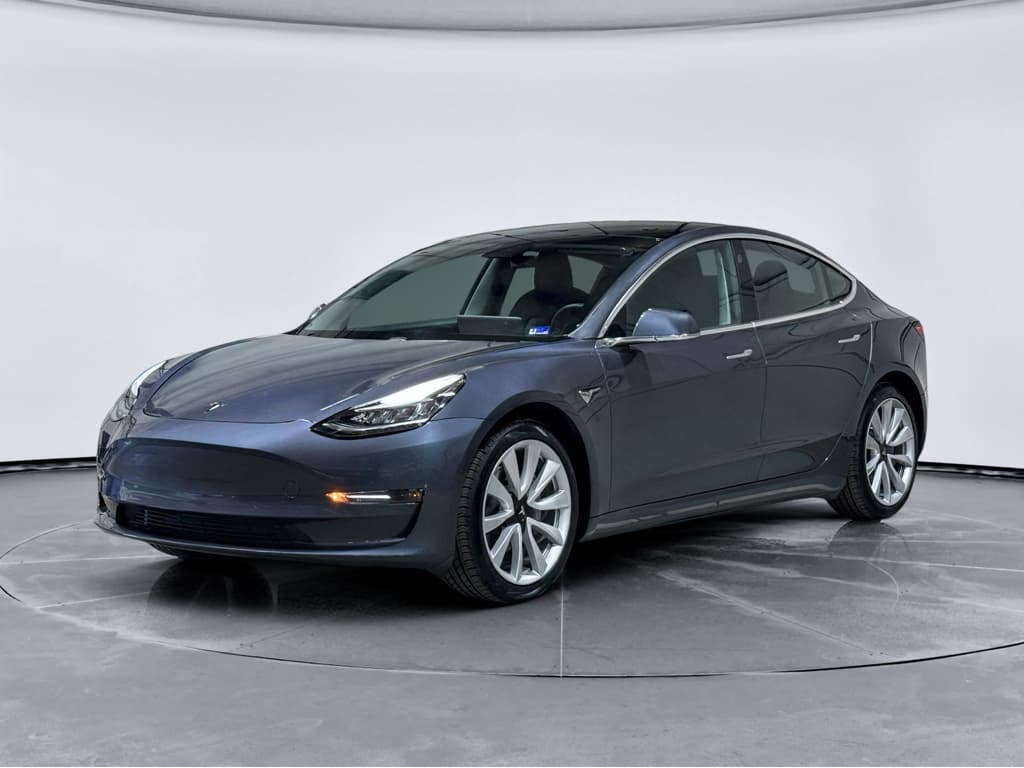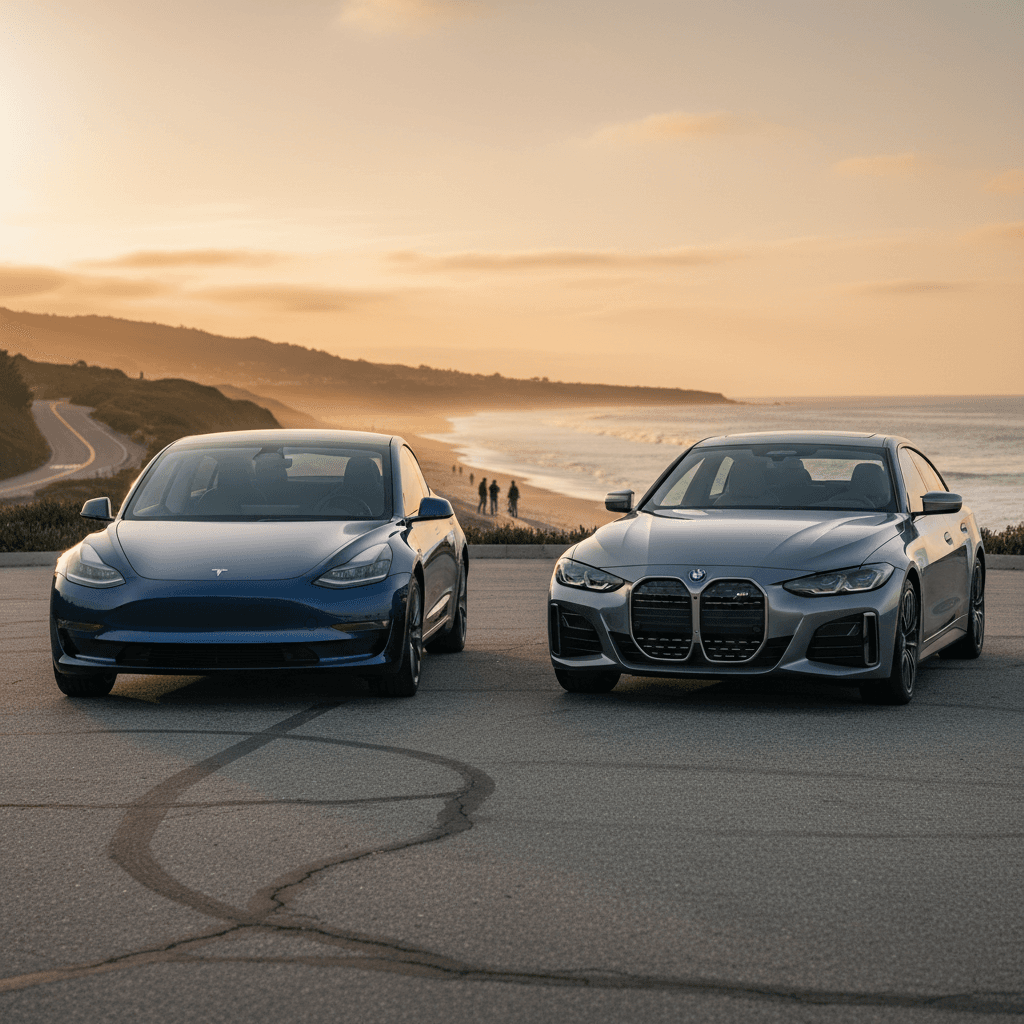
Cross-shopping the Tesla Model 3 vs BMW i4 puts you right in the heart of the electric sedan market. Both are quick, efficient, and packed with tech, but they approach the EV experience from very different directions: one Silicon Valley software product, one classic German sport sedan that happens to be electric. This guide breaks down the key differences so you can pick the car that actually fits your driving, budget, and ownership expectations, especially if you’re considering a used EV.
Two very different takes on the EV sedan
Overview: Tesla Model 3 vs BMW i4 in 2025–2026
The current Tesla Model 3 (including the updated "Highland" refresh) slots as a compact electric sedan focused on value, range and software. The BMW i4 is a slightly larger liftback built on BMW’s CLAR platform, emphasizing luxury, refinement and traditional driving dynamics. Both offer multiple trims, fast DC charging, and long-range variants, and both increasingly appear on the used market, exactly where Recharged focuses, with battery health reports and transparent pricing to cut through the confusion.
Core numbers at a glance
Quick specs: Tesla Model 3 vs BMW i4
Headline specs (typical 2024–2025 trims)
Representative configurations many U.S. shoppers compare directly. Exact figures vary slightly by wheels and options.
| Model | Drivetrain | Approx. EPA range | 0–60 mph (approx.) | Peak DC fast charge | Onboard AC charging |
|---|---|---|---|---|---|
| Tesla Model 3 RWD | RWD | ~272 mi | ~5.8 s | Up to ~170 kW+ | ~11 kW |
| Tesla Model 3 Long Range | AWD | ~333–360 mi | ~4.2 s | Up to ~250 kW+ | ~11 kW |
| Tesla Model 3 Performance | AWD | ~296–310 mi | ~2.9–3.1 s | Up to ~250 kW+ | ~11 kW |
| BMW i4 eDrive35 | RWD | ~252–276 mi | ~5.8 s | ~180 kW | 11 kW |
| BMW i4 eDrive40 | RWD | ~283–301 mi | ~5.4 s | ~200 kW | 11 kW |
| BMW i4 xDrive40 | AWD | ~279–307 mi | ~4.9 s | ~200 kW | 11 kW |
| BMW i4 M50 | AWD | ~227–269 mi | ~3.7 s | ~200 kW | 11 kW |
Always check the specific year and trim you’re buying, especially on the used market, where battery size and options can differ.
Lab range vs real-world range
Pricing and value: how much are you really paying?
New for new, the Tesla Model 3 is usually the cheaper car. Recent pricing has seen base Model 3s start in the mid‑$40,000s before incentives, while entry BMW i4 eDrive35 models tend to start around the low‑$50,000s and climb quickly with options. Higher‑spec i4 xDrive40 and M50 versions can stretch well into the $60,000s once you add typical luxury packages.
Tesla Model 3 pricing reality
- Lower base MSRP than equivalent i4 trims.
- Historically better access to federal tax credits on certain configurations, depending on year and IRS rules.
- Frequent Tesla list-price changes can erode used values, but they also create opportunities for value-focused buyers.
On the used market, Model 3 supply is high, great if you’re buying, less great if you’re selling.
BMW i4 pricing reality
- Higher starting price but includes more traditional luxury features out of the box.
- Options and packages can add five figures quickly.
- Lower volumes than Tesla, so used supply is thinner and prices can be firmer.
You’re paying for the badge, build, and dealer network, but that’s exactly what some shoppers want.
Where Recharged fits in on value
Range, efficiency and charging experience
If you’re coming out of a gas car, both the Model 3 and i4 will feel like a revelation in range efficiency. But Tesla still has a structural advantage here: the Model 3 tends to offer slightly more range and noticeably higher efficiency than comparable BMW i4 trims, and it’s backed by a more seamless charging ecosystem.
Range and charging: how they differ
Both go far enough for most daily driving, but long‑distance behavior is where differences surface.
Rated range
The Model 3 Long Range often posts EPA figures in the mid‑300‑mile range, while the most efficient BMW i4 trims sit around 300 miles. That’s not a huge gap, but on a winter road trip, an extra buffer is welcome.
Efficiency
Tesla’s low drag and efficient powertrain give it an edge in kWh/100 mi. In practice, that means slightly lower energy costs per mile over thousands of miles of driving.
Charging networks
The Model 3 taps directly into Tesla’s Supercharger network, still the gold standard for reliability and density. The i4 uses CCS fast charging and has access to networks like Electrify America and others, good, but more variable in uptime and ease of use.
Home charging parity
Key charging questions to ask yourself
1. How often will you fast charge?
If you do regular interstate trips, the Tesla Model 3’s Supercharger access and route planning are meaningful advantages. If most of your driving is local, either car works well.
2. What’s your home charging setup?
If you already have (or plan to install) a Level 2 charger, both will fit right in. In an apartment with limited charging, the better fast‑charging ecosystem of the Model 3 may tip the scales.
3. Climate and terrain
Cold climates, high speeds and hilly terrain reduce range for <em>any</em> EV. Factor in a 10–20% real‑world buffer instead of aiming to match EPA numbers exactly.
Performance and driving feel
On paper, both the Model 3 and BMW i4 are properly quick. In reality, they feel quite different. Tesla’s performance pitch is all about straight‑line acceleration and instant torque, while BMW emphasizes chassis tuning, steering feel and high‑speed stability that will be familiar to anyone who’s driven a recent 3‑ or 4‑Series.
Performance snapshot by representative trim
Approximate manufacturer or EPA‑related performance figures for common configurations.
| Model | Power (approx.) | 0–60 mph (approx.) | Character |
|---|---|---|---|
| Model 3 RWD | ~250–280 hp | ~5.8 s | Smooth, quiet, efficient; not a rocket, but quick enough for daily use. |
| Model 3 Long Range AWD | ~350–400 hp | ~4.2 s | Strong mid‑range punch; effortless highway passing. |
| Model 3 Performance | ~500+ hp | ~2.9–3.1 s | Launch‑control party trick; brutally quick off the line. |
| BMW i4 eDrive35 | 282 hp | 5.8 s | Classic BMW balance; feels like an entry‑level 4‑Series Gran Coupe with instant torque. |
| BMW i4 eDrive40 | 335 hp | 5.4 s | More authority for overtaking; still rear‑drive and playful. |
| BMW i4 xDrive40 | 396 hp | 4.9 s | AWD traction; confident, secure acceleration in all weather. |
| BMW i4 M50 | up to 536 hp | 3.7 s | Seriously rapid, with a more substantial, planted feel than the Tesla. |
For used shoppers, remember that tire choice and wheel size can noticeably change both acceleration and efficiency.
Enthusiast angle
Interior, tech and comfort
This is where the philosophical divide really shows. The Tesla Model 3 is minimalist: one large central touchscreen, almost no physical buttons, and a very clean, almost stark aesthetic. The BMW i4 feels like a modern BMW: curved dual screens plus traditional stalks and buttons, richer materials, and a quieter, more insulated cabin.
Tesla Model 3 interior
- 15‑inch central touchscreen controls nearly everything, from wipers to mirrors.
- No Apple CarPlay or Android Auto; you live entirely in Tesla’s software world.
- Simple, airy cabin with good visibility but limited customization (primarily black or white upholstery).
- Cabin noise and ride quality have improved over time but still skew toward the firmer, more basic side versus German luxury sedans.
BMW i4 interior
- Dual-screen curved display (12.3-inch cluster + 14.9-inch touchscreen) plus physical controls for core functions.
- Full Apple CarPlay and Android Auto (often wireless), classic BMW iDrive interface.
- More color and material choices; seats generally more supportive and plush.
- Quieter, more refined highway manners with better isolation from wind and road noise.
User experience trade‑off
Practicality, space and everyday usability
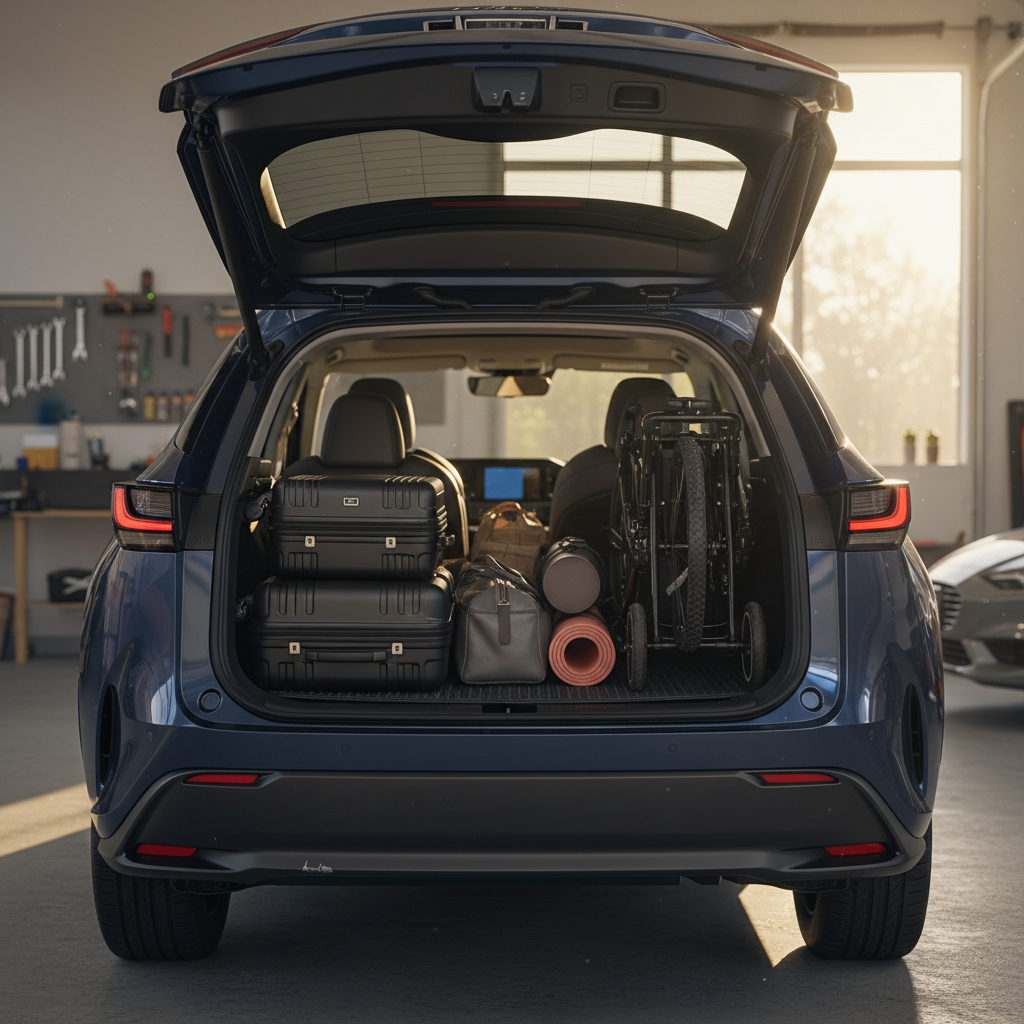
Practicality doesn’t grab headlines, but it’s what you’ll notice every day. Here the Tesla quietly does a lot of things right: good rear legroom for the class, a useful front trunk, and a big, square rear trunk opening. The BMW i4 counters with a hatchback-style liftgate that’s easier for bulkier items, but it’s built on a legacy platform that still carries a transmission tunnel hump in the rear floor.
Practical realities: where you feel the differences
Cargo and storage
Model 3: Combines a trunk and a small frunk for roughly mid‑20s cubic feet of storage, plus rear seats that fold flat.
BMW i4: Hatchback opening is convenient, but total cargo volume is similar and there’s no frunk.
Passenger comfort
Model 3: Flat rear floor makes the middle rear seat more usable.
i4: Rear center tunnel eats into legroom; headroom can be tighter for tall passengers due to the sloping roofline.
Urban and daily use
Both are compact enough for city parking, but the BMW’s steering and damping can feel more composed over broken pavement, while the Tesla’s simpler cabin makes it easy to clean and live with if you have kids or pets.
Used EV ownership, resale value and reliability
By 2026, both the Model 3 and BMW i4 are firmly established on the used market, but they don’t behave the same way. Tesla has sold far more Model 3s than BMW has sold i4s, and frequent new-car price cuts plus shifting sentiment around the brand have pushed used Tesla values down faster than many rivals. That can be a problem if you bought new, but a real opportunity if you’re buying used.
Used Tesla Model 3 realities
- Lots of supply, wide price spread depending on battery size, Autopilot/FSD options, and condition.
- Rapid new‑car price cuts have compressed used values; many shoppers now find Model 3s undervalued relative to their capability.
- Plenty of third‑party repair and parts knowledge thanks to high volumes.
The catch: you must verify battery health and look closely at panel fit, water intrusion history and software behavior.
Used BMW i4 realities
- Smaller production and a traditional dealer network mean thinner used supply.
- Values tend to be more stable so far, but that also means fewer screaming deals.
- BMW’s dealer service ecosystem is familiar, but independent EV‑specialist shops for the i4 are still catching up.
Battery warranties and BMW’s complimentary DC fast‑charging deals (on some years) can sweeten the ownership equation.
Why a battery health report matters more than the badge
Which EV fits you? Buyer profiles
By now, you’ve probably spotted where you’re leaning. To make it even clearer, here are straightforward profiles that map real‑world priorities to each car. Neither is universally better; they just solve different problems.
Common buyer types and the better fit
Value‑maximizing commuter
You want the most electric miles per dollar, especially buying used.
You’ll mostly charge at home and occasionally use DC fast charging.
You prefer simple, low‑maintenance ownership over plush materials.
<strong>Better fit:</strong> Tesla Model 3 RWD or Long Range, used with a verified battery.
Luxury‑leaning daily driver
You care about interior quality, seat comfort and cabin quiet as much as you care about range.
You like physical controls and seamless CarPlay/Android Auto.
You drive a mix of city and highway but rarely push the limits of range.
<strong>Better fit:</strong> BMW i4 eDrive40 or xDrive40.
Performance enthusiast
You care disproportionately about acceleration and back‑road confidence.
You’re willing to trade some efficiency for grip and chassis feel.
You may already own a fun gas car and want an EV that still feels special.
<strong>Better fit:</strong> BMW i4 M50 for classic sport‑sedan feel; Model 3 Performance for maximum straight‑line punch.
Road‑trip regular
You do frequent long‑distance drives where charging reliability is critical.
You value built‑in route planning that “just works.”
You’re willing to live with a simpler interior in exchange for better network coverage.
<strong>Better fit:</strong> Tesla Model 3 Long Range, with easy access to the Supercharger network.
FAQ: Tesla Model 3 vs BMW i4
Frequently asked questions
Bottom line: how to choose between Tesla Model 3 and BMW i4
If you strip away the hype, the choice between the Tesla Model 3 vs BMW i4 is straightforward. The Model 3 wins on value, efficiency and charging ecosystem. The i4 wins on cabin quality, refinement and traditional sport‑sedan feel. Both are quick, capable electric cars that cover far more range than most people use in a typical day.
Your next step is to decide which priorities you won’t compromise on, then look at specific used examples rather than the theoretical “perfect” spec. That’s where tools like the Recharged Score battery health report, transparent pricing, and EV‑specialist support matter more than brand loyalty. Whether you end up in a minimalist Model 3 or a plush BMW i4, buying with clear data about the pack, pricing and long‑term costs is what will ultimately make your EV ownership experience feel like a smart move, not a gamble.