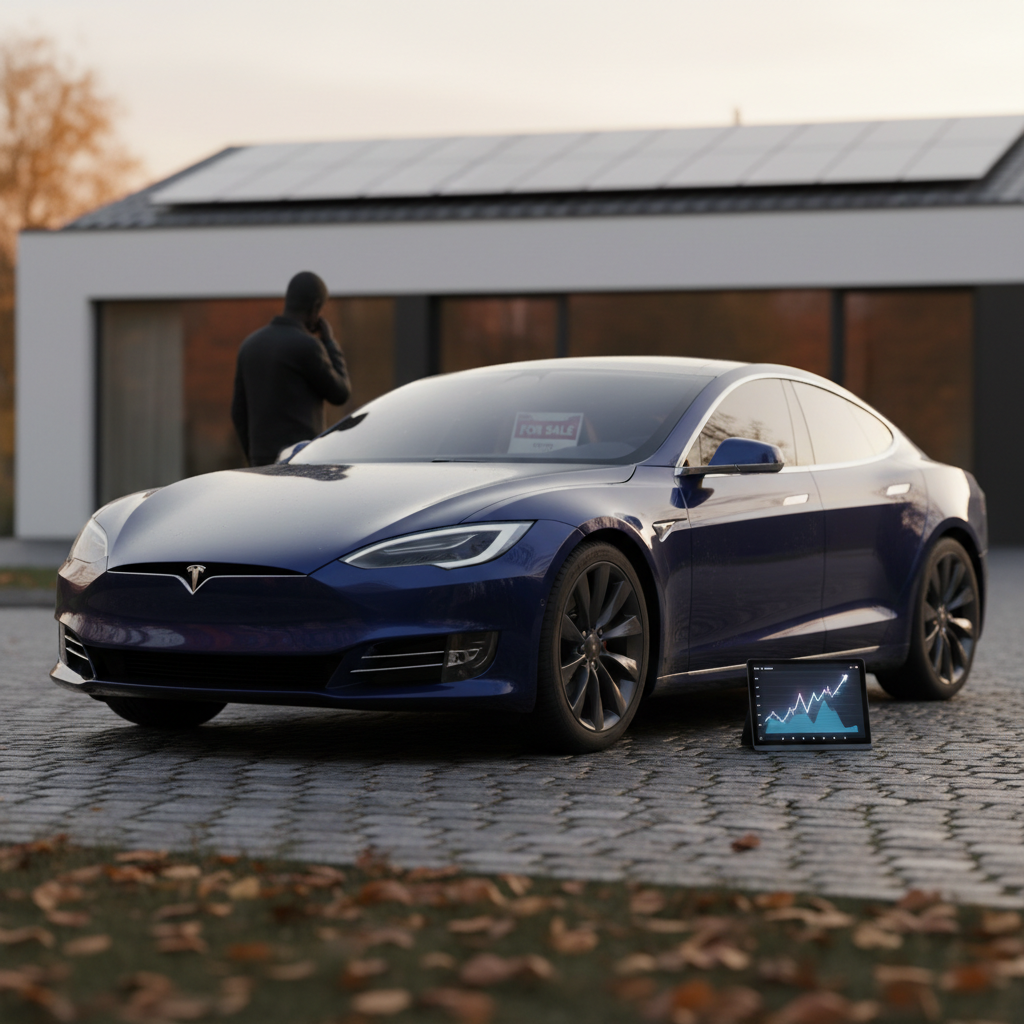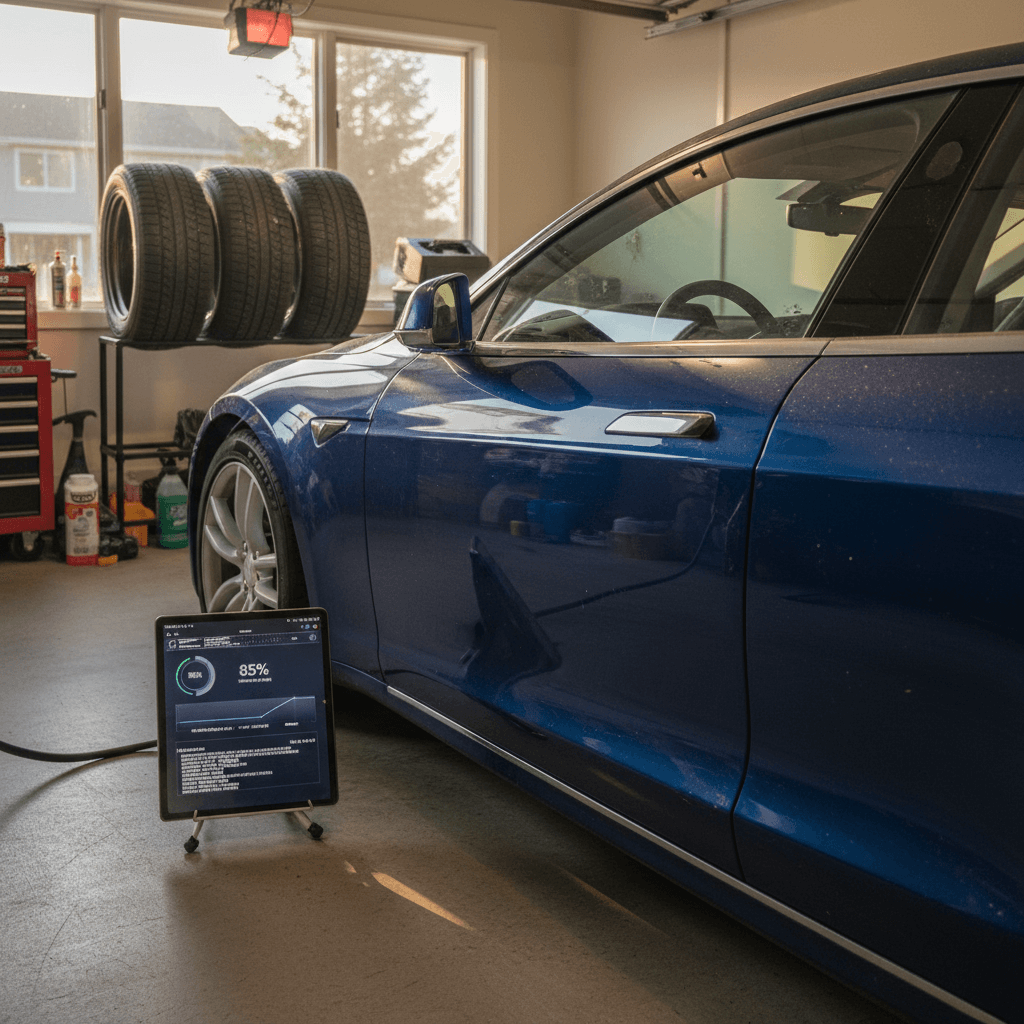
If you’re eyeing a used Tesla Model S, you’re probably wondering what life looks like after the honeymoon phase. A Tesla Model S owner review after 2 years tells you far more than a test drive ever will: how the battery holds up, what really breaks (or doesn’t), how much you’ll spend on charging and maintenance, and whether the wow factor wears off.
Who this review is for
Overview: What 2 Years With a Model S Really Looks Like
2‑Year Tesla Model S Ownership Snapshot (Typical Owner)
Across owner reports and cost‑to‑own data, the Model S tends to shine in performance, comfort, and fuel savings, while drawing mixed reviews on build quality, software bugs, and depreciation. After 2 years, most owners still love the way the car drives; the bigger questions are around how much value it’s lost and how you feel about Tesla as a brand.
Model year matters
Daily Driving: Comfort, Performance, and Tech
Performance: Still addictive after 2 years
Even the dual‑motor Long Range Model S is quicker than most performance sedans, with instant torque that never really gets old. After 2 years, owners consistently say the car still feels effortlessly fast, especially in passing and on‑ramp merges. There’s no multi‑gear transmission to age or slip, so acceleration feels the same on day 700 as it does on day 7, unless your state of charge is very low.
Comfort & interior
The Model S rides firmly but not harshly. Air suspension on many trims smooths out highway miles, though big potholes still make themselves known. Seats are generally comfortable for long trips, and the minimalist interior still looks modern after 2 years, though some owners report rattles and squeaks emerging over time, especially in older pre‑refresh cars.
Tech & Usability After Two Years
Where the Model S shines, and where it can annoy you
Infotainment & Screen
The central screen remains the heart of the car. Over‑the‑air (OTA) updates keep the UI fairly fresh, but some owners feel updates occasionally change features without notice or add ads/promos you didn’t ask for.
Autopilot & Driver Aids
Basic Autopilot works well on highways for lane‑keeping and adaptive cruise. Two years in, most owners trust it more but also know its limits: phantom braking, inconsistent lane choices, and weather sensitivity.
App & Remote Control
The Tesla app is a genuine long‑term strength: preconditioning the cabin, checking charge, scheduling service, and even remote unlock feel normal after 2 years, and hard to give up.
Charging Experience: Home vs. Public After 2 Years
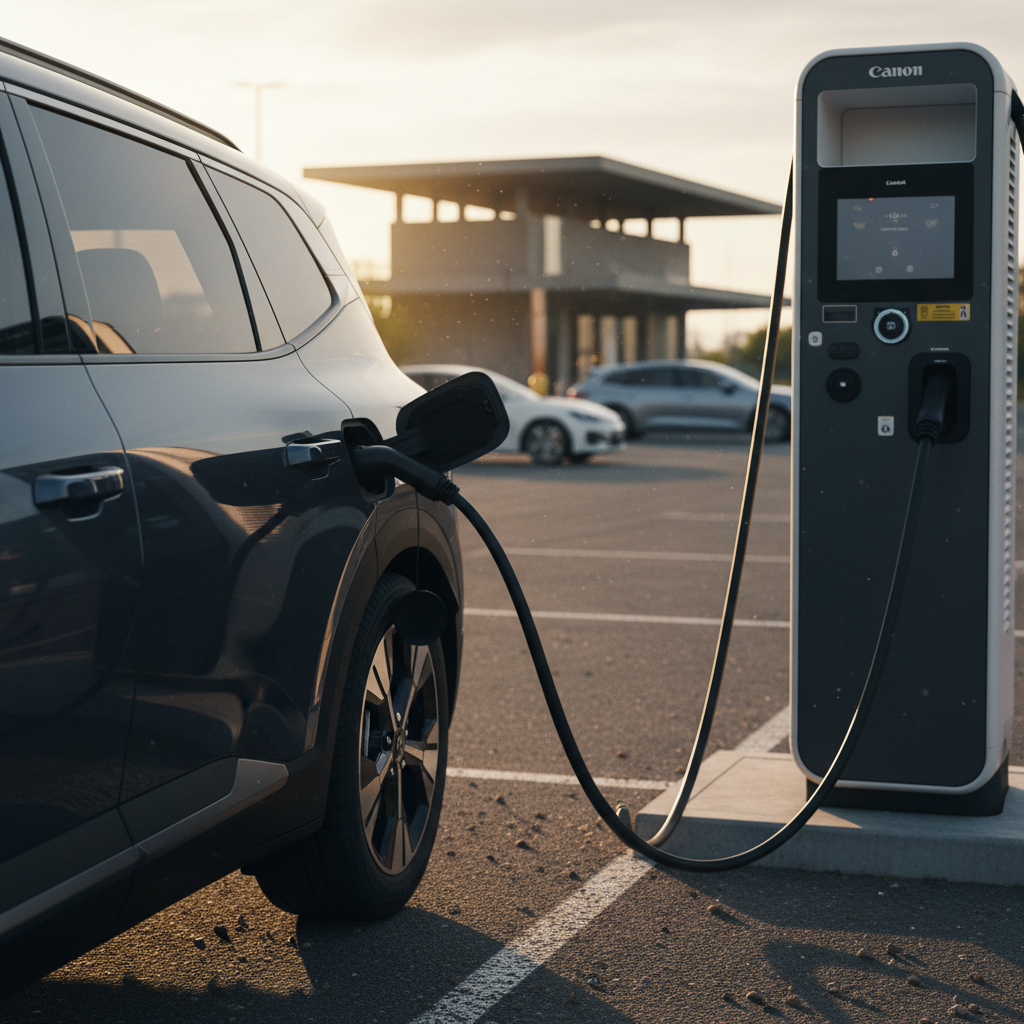
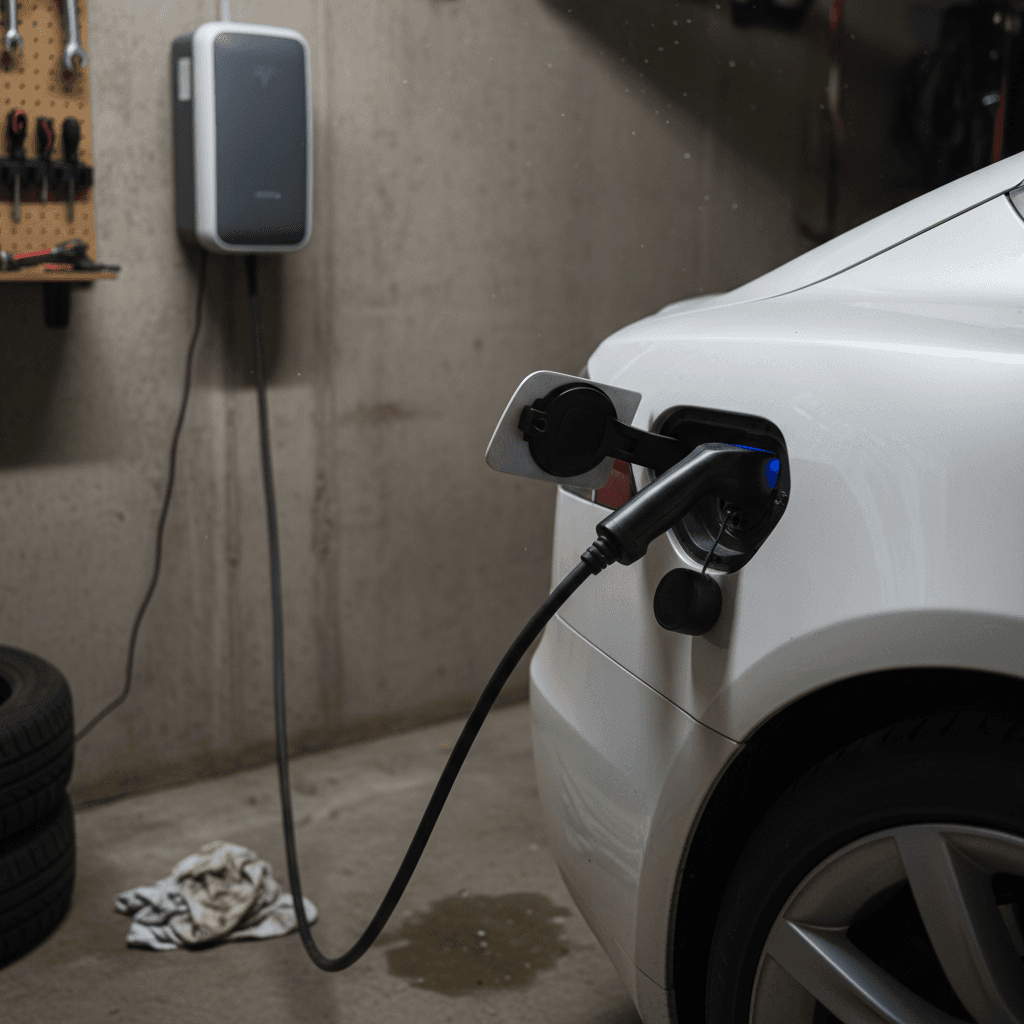
Two years in, charging becomes routine rather than novel. The biggest determinant of satisfaction is simple: do you have reliable home charging? Owners who plug in at home most nights tend to love the experience. Those who rely heavily on public DC fast charging are less enthusiastic, mostly due to time and cost.
Typical 2‑Year Charging Patterns
How most Model S owners actually charge day to day
Home charging (Level 2)
- Most owners install a 240V Level 2 charger or use a 14‑50 outlet.
- Expect ~25–35 miles of range per hour of charging, plenty for overnight.
- Many set a charge limit around 70–80% for daily use to protect battery health.
Public & Supercharging
- Used for road trips or when home charging isn’t available.
- Supercharging can add 150–200 miles in ~20–30 minutes on newer cars.
- Frequent high‑power DC charging over years can slightly increase degradation.
Owner tip: automate smart charging
Battery Degradation: How Much Range Do You Lose in 2 Years?
Tesla’s own data and large owner datasets show that most Model S and X packs lose capacity quickly in the first 1–2 years, then the curve flattens out. In practice, you’re usually looking at roughly 3–6% loss in usable capacity after 2 years of typical driving, assuming you’re not Supercharging every day or abusing the pack.
Typical Tesla Battery Degradation Timeline (All Models)
Approximate capacity loss under normal use; individual cars vary.
| Age / Mileage | Estimated Capacity | Owner Experience |
|---|---|---|
| Year 1 / ~10k mi | ~95–97% | Noticeable but small range drop as the pack "settles." |
| Year 2 / ~20–25k mi | ~93–96% | Most owners still see nearly full advertised range in mild weather. |
| Year 5 / ~60–75k mi | ~85–92% | Range loss becomes more noticeable, especially in winter. |
| Year 8 / 100k+ mi | ~80–90% | Still usable for commuting; warranty kicks in below ~70%. |
The Model S follows a similar pattern to other Teslas: early loss, then slow decline.
What accelerates battery wear?
At Recharged, every vehicle includes a Recharged Score Report with verified battery health, so you’re not guessing how a previous owner treated the pack. That’s especially valuable on performance‑oriented Model S trims that may have seen hard use.
Maintenance, Repairs, and Tires: What You’ll Actually Spend
One of the main attractions of a Model S is the lack of oil changes, spark plugs, and complex transmissions. Over the first 2 years and ~24,000–30,000 miles, most owners spend relatively little on traditional maintenance, but there are a few EV‑specific costs to budget for, especially tires.
Common 2‑Year Maintenance Items
What typically needs attention on a Model S
Service & inspections
Tesla doesn’t require annual oil‑change‑style visits. Many owners go 2 years with minimal paid service beyond cabin air filter replacement and brake fluid check, unless a warranty issue pops up.
Tires
The Model S is heavy and powerful. It can eat through performance tires in 20k–30k miles, sooner if driven hard. A full set can run $900–$1,500 including mounting and balancing.
Brakes & regen
Regenerative braking means pads and rotors often last far longer than in gas cars, sometimes well past 60k–80k miles, assuming they aren’t corroding in salty climates.
How this compares to gas luxury sedans
Simple Habits That Keep Costs Down
Rotate tires every 6–8k miles
Even wear can easily extend tread life, especially with dual‑motor AWD torque.
Check alignment annually
Misaligned wheels on a heavy EV will destroy tires quickly, worth the small annual cost.
Use regen aggressively
Maximizing regenerative braking saves your friction brakes and recaptures energy.
Keep software updated
OTA updates can improve efficiency, fix bugs, and sometimes address minor drivability issues.
Insurance and Running Costs Compared to Gas
Insurance is where some owners get sticker shock. Performance, repair complexity, and high vehicle value mean Model S insurance premiums can be higher than average, often in line with or above other luxury sedans. Energy costs, on the other hand, are usually much lower than gasoline.
Electricity vs. gas
- At typical U.S. residential rates, many owners effectively pay the equivalent of $1–$2 per gallon of gasoline.
- A commuter doing ~12k miles/year might spend $400–$700 annually on home charging, depending on electricity rates and efficiency.
- Heavy Supercharger use is more expensive, sometimes close to or above efficient gas cars on a cost‑per‑mile basis, but you’re buying speed and convenience.
Insurance reality check
- Quotes vary wildly by ZIP code, driving record, and model year, but it’s common to see premiums in line with high‑end BMW, Audi, or Mercedes sedans.
- Shopping around and considering telematics‑based policies can trim costs.
- If you’re buying a used Model S whose value has dropped, update your coverage choices (deductibles, comprehensive) so you’re not over‑insuring.
Reliability and Quirks: The Good, the Bad, and the Annoying
Over the first 2 years, many Model S owners report few serious mechanical failures. The drivetrain and battery pack are generally robust, and EVs have fewer moving parts than comparable gas sedans. Where complaints tend to surface is in build quality details and software behavior rather than catastrophic breakdowns.
- Minor rattles and trim misalignment, more common on older pre‑refresh cars.
- Door handles, liftgate actuators, and sunroof issues (on earlier generations) that sometimes need adjustment or replacement.
- Infrequent but frustrating software bugs, Bluetooth glitches, camera feed delays, or UI freezes that usually resolve with a reboot.
- Occasional service delays or parts waits depending on geography and service center load.
Warranty safety net
Depreciation and Resale Value After 2 Years
If you bought a Model S new in 2024 and are looking at it again in early 2026, you’ve likely seen hefty depreciation Illustrative example based on recent market behavior, not a guaranteed outcome. Price cuts on new Teslas ripple quickly into the used market, especially for higher‑priced models like the Model S. A two‑year‑old Model S can be a fantastic value, or an expensive mistake, depending on how carefully you shop. Beyond the usual used‑car considerations, EVs add battery health, charging history, and software configuration to your checklist. Look at real‑world range at a known state of charge and review any available battery diagnostics. With Recharged, the <strong>Recharged Score Report</strong> gives you a quantified health assessment instead of guesswork. Ask how often the car was Supercharged, whether it lived in extreme heat, and if it was regularly charged to 100%. Even a quick conversation can reveal red flags. Uneven tire wear can hint at suspension or alignment issues. On a heavy EV, a fresh set of tires is a real cost, bake it into your budget. Walk the car for panel gaps, wind noise, and any signs of water leaks around the trunk, doors, and roof glass, especially on earlier builds. Make sure features like Autopilot, premium connectivity, and heated seats are active on the specific VIN; some options are now software‑locked or subscription‑based. Have the seller provide service invoices and ensure any safety recalls or campaigns have been addressed. Shopping private‑party or on a generic marketplace, you’re often piecing together a Tesla’s story from screenshots and guesswork. At Recharged, every used EV, including the Model S, comes with tools designed specifically to de‑risk EV ownership. EV‑specific transparency, not just a generic Carfax Independent, EV‑specialist diagnostics that quantify battery health, charging performance, and key wear items, so you understand the pack, not just the paint. Market‑driven pricing that reflects current Tesla depreciation trends, plus access to EV‑friendly financing so you can compare payment options before you commit. Option to trade in your current vehicle, sell to Recharged via instant offer or consignment, and have your Model S delivered nationwide, without ever setting foot in a traditional dealership. If you’re near Richmond, VA, you can also visit our Recharged Experience Center to walk through vehicles in person, talk with EV specialists, and get straight answers about long‑term ownership. Two years into ownership, most Tesla Model S drivers still love the way the car feels: it’s quick, quiet, and packed with tech that gas sedans can’t easily match. Battery degradation is usually modest, maintenance is low, and charging becomes second nature, especially if you plug in at home. The real trade‑offs are depreciation, higher‑than‑expected insurance for some drivers, and the occasional software or build‑quality annoyance. If you’re shopping used, a 2–4‑year‑old Model S can deliver flagship performance and comfort for a fraction of its original price, as long as you go in with eyes open about battery health and ownership costs. Partnering with a specialist like Recharged gives you verified data on the pack, transparent pricing, and EV‑savvy support from financing to delivery, so your first 2 years with a Model S feel more like an upgrade than a gamble.How Depreciation Hits a Tesla Model S
Stage Approx. Time What Many Owners See New purchase Month 0 Pay full new‑car price (sometimes after short‑term discounts). Year 1 12 months Sharpest drop; values hit by new‑car price cuts and normal first‑year depreciation. Year 2 24 months Additional but slower decline; car may be worth significantly less than loan payoff. Beyond 3–5 years Depreciation curve flattens; value more closely tied to condition, mileage, and battery health. Upside for used buyers, downside for original owners
Should You Buy a Used Tesla Model S? Key Checks
Essential Checks Before You Buy a Used Model S
1. Verify battery health
2. Review charging and usage history
3. Inspect tires and brakes
4. Check panels, seals, and glass
5. Confirm software features & connectivity
6. Look up open recalls & service history
How Recharged Helps With Used Model S Shopping
What You Get With a Model S From Recharged
Recharged Score Report
Fair market pricing & financing
Trade‑in & nationwide delivery
FAQ: Tesla Model S 2‑Year Ownership
Frequently Asked Questions
Bottom Line: Is a Tesla Model S Worth It After 2 Years?