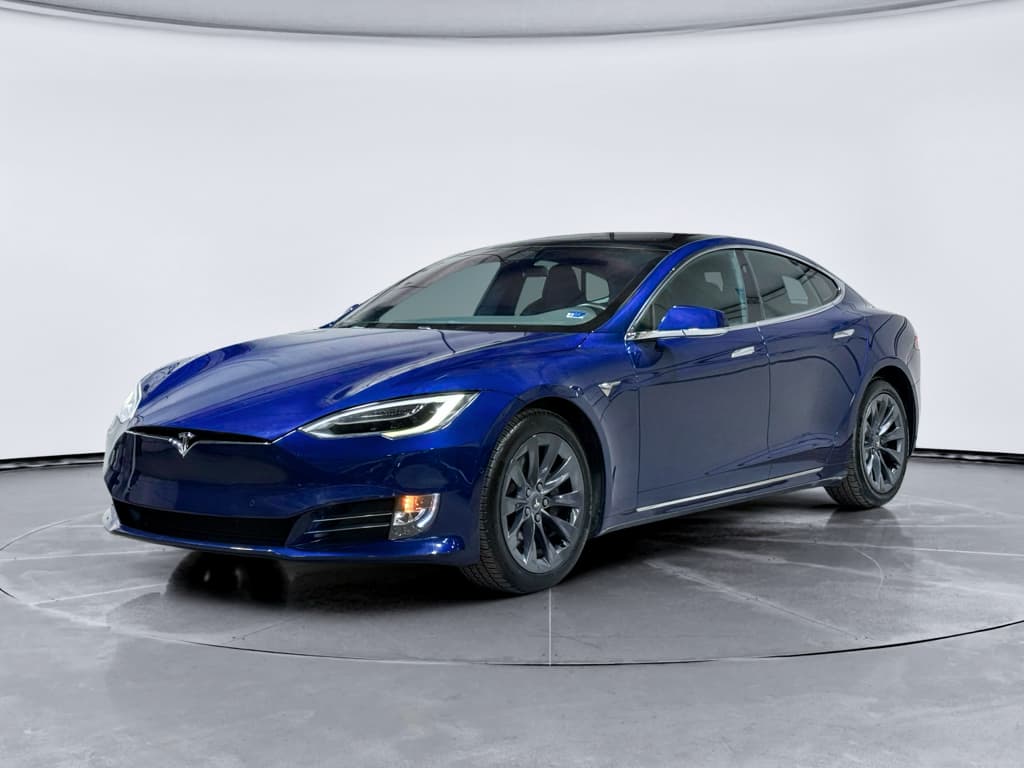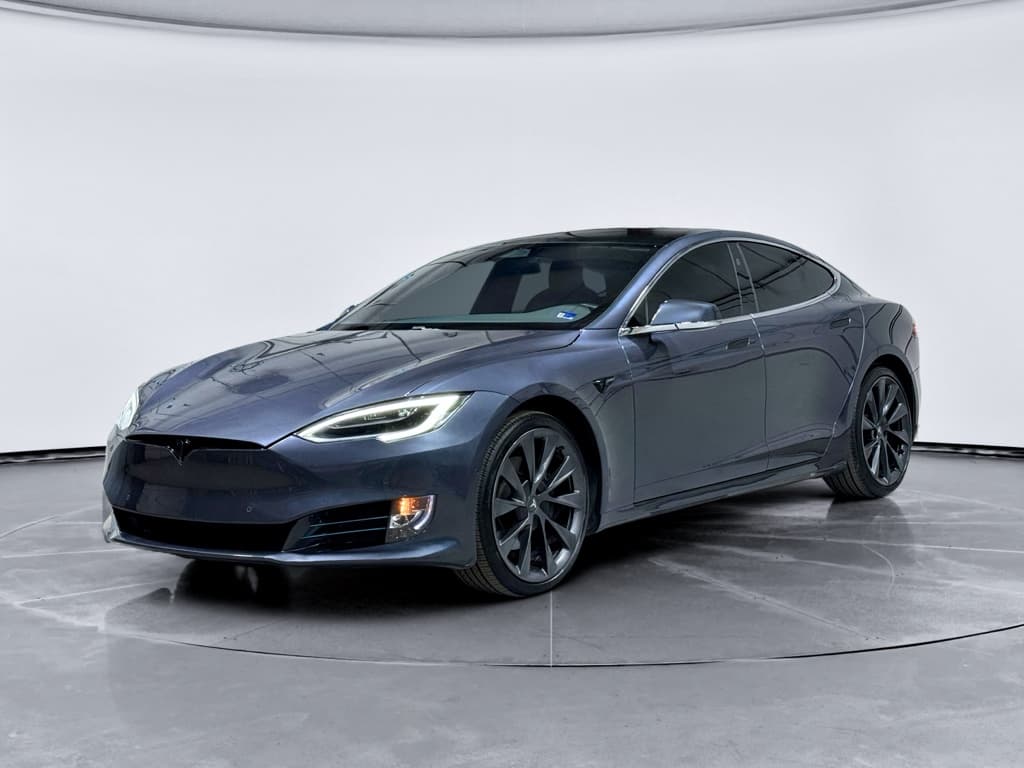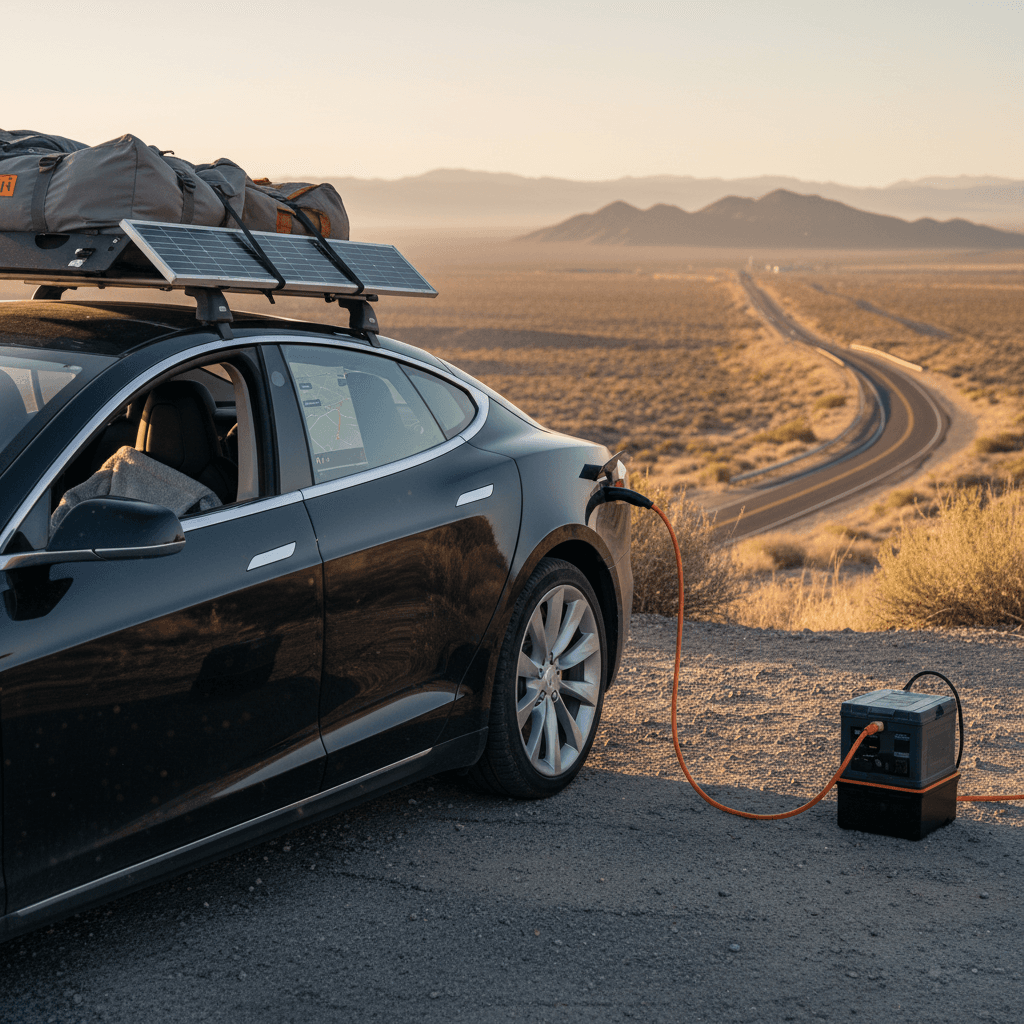
Taking a Tesla Model S on a long-distance road trip can be wonderfully relaxing, or surprisingly stressful, depending on how you plan. The good news is the Model S is one of the best long-distance EVs on the road, and with a few smart Tesla Model S long distance driving tips, you can turn hours of highway into the easy part of your vacation instead of the part you worry about.
What This Guide Covers
Why the Tesla Model S Works So Well for Long-Distance Driving
Core Strengths of the Model S on Road Trips
Why your car is already ahead of most EVs for highway travel
Big Battery, Big Range
Supercharger Access
Comfort & Space
Those strengths don’t mean you can just hammer down the left lane at 85 mph in a headwind and ignore the battery gauge, though. To get the most out of your Model S on long drives, you need to understand how your specific car behaves and plan around that behavior.
Know Your Model S Battery and Real-World Range
Not all Model S cars are created equal. A newer Long Range model with a healthy pack behaves differently on a 600‑mile day than an early 60 kWh or a high‑mileage Performance car. Before you plan ambitious legs, get clear on what range you can realistically count on.
Typical Highway Range Expectations by Battery Size
These are ballpark real‑world highway ranges at moderate speeds in mild weather with a healthy battery. Your numbers will vary based on age, driving style, and conditions.
| Badge / Pack | EPA Rated When New (mi) | Conservative Highway Planning Range (mi) |
|---|---|---|
| 60 / 60D | ≈ 200–218 | 130–150 |
| 75 / 75D | ≈ 249–259 | 160–190 |
| 85 / P85 / 85D | ≈ 253–270 | 170–200 |
| 90D / P90D | ≈ 270–294 | 180–210 |
| 100D / Long Range | ≈ 335–405+ | 220–270 |
Use these numbers as planning guides, not guarantees.
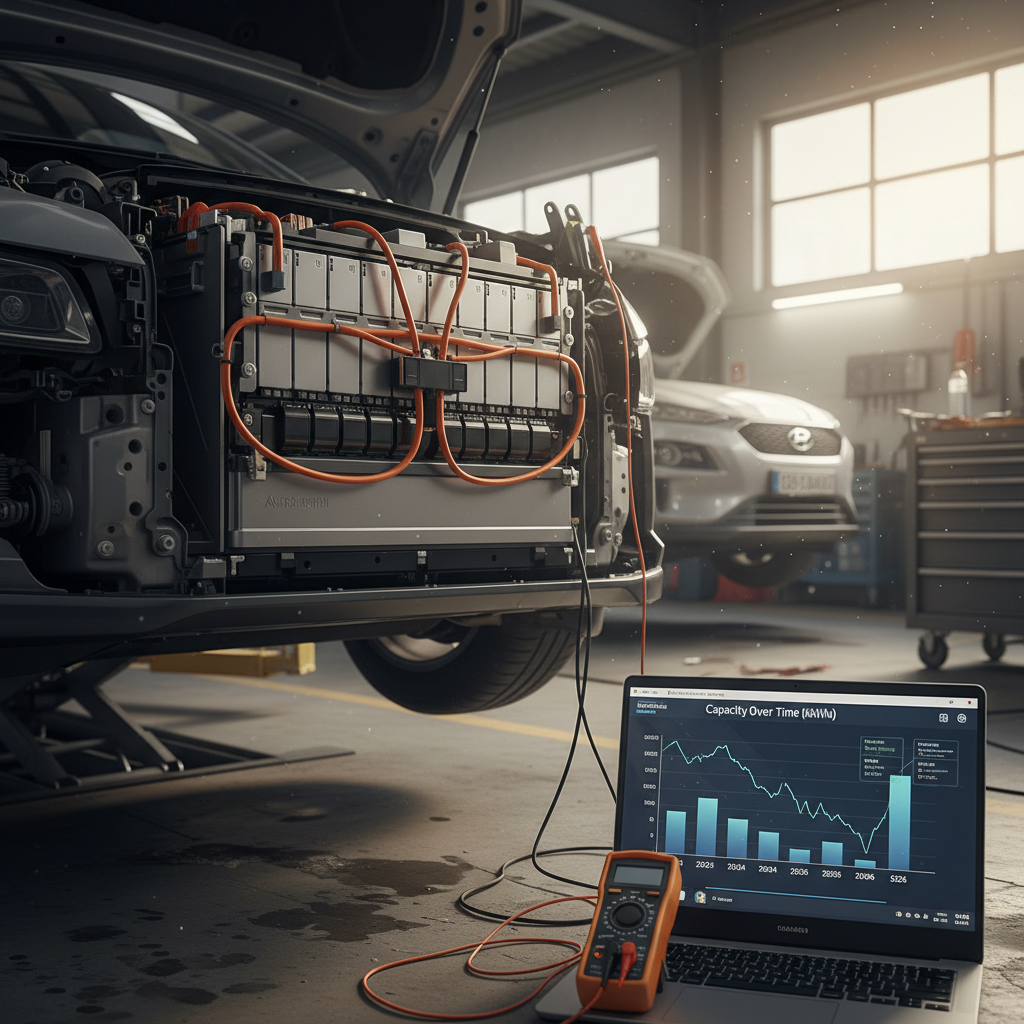
Aging Batteries Reduce Range
Quick Exercises to Learn Your Real-World Range
1. Reset a Trip Meter
Before a normal highway drive, reset one of your trip meters. Note miles driven and kWh used, then look at Wh/mi (watt‑hours per mile). This tells you how efficiently you’re driving at your usual pace.
2. Drive a 50–100 Mile Loop
On a familiar route, drive 50–100 miles at the speed you’d use on a road trip. Check energy usage and estimate how many miles you’d get from 80% down to 10% state of charge under similar conditions.
3. Test in Different Conditions
Repeat the loop on a windy or rainy day, or in colder weather. You’ll see quickly how much conditions can add to consumption, knowledge that helps you plan safer margins on real trips.
4. Use the Energy Graph
Open the <strong>Energy</strong> app on the center screen and switch to the consumption or prediction views. The 30‑ or 50‑mile average is a better predictor of upcoming range than the optimistic number under the battery icon.
How Recharged Helps Used Model S Buyers
Ready to find your next EV?
Browse VehiclesSmart Route Planning With Tesla Navigation
The Model S’s built‑in trip planner is one of its biggest superpowers for long-distance driving. It knows your battery state of charge, your recent efficiency, and where Tesla Superchargers live. Used wisely, it can turn complicated planning into a few quick taps.
Essential Planning Tools in Your Model S
Use a combination of in-car and phone-based tools for the best results
Tesla Trip Planner
Tesla App
Backup Charging Apps
- Build your route in the car with the Tesla nav and glance at estimated arrival state of charge (SoC) for each leg.
- Scan the route for stretches over 2–2.5 hours without a Supercharger; if you see one, look for backup options (like destination chargers or Level 2) nearby.
- If you’re crossing mountain ranges or high‑wind areas, expect higher consumption. Shorten those legs or add an extra stop.
- On the morning of departure, re‑check the route. Superchargers can get busy or temporarily limited; the car will often reroute automatically, but it’s worth a quick look.
Save Your Home and Favorite Stops
Charging Strategy: How Often and How Long to Stop
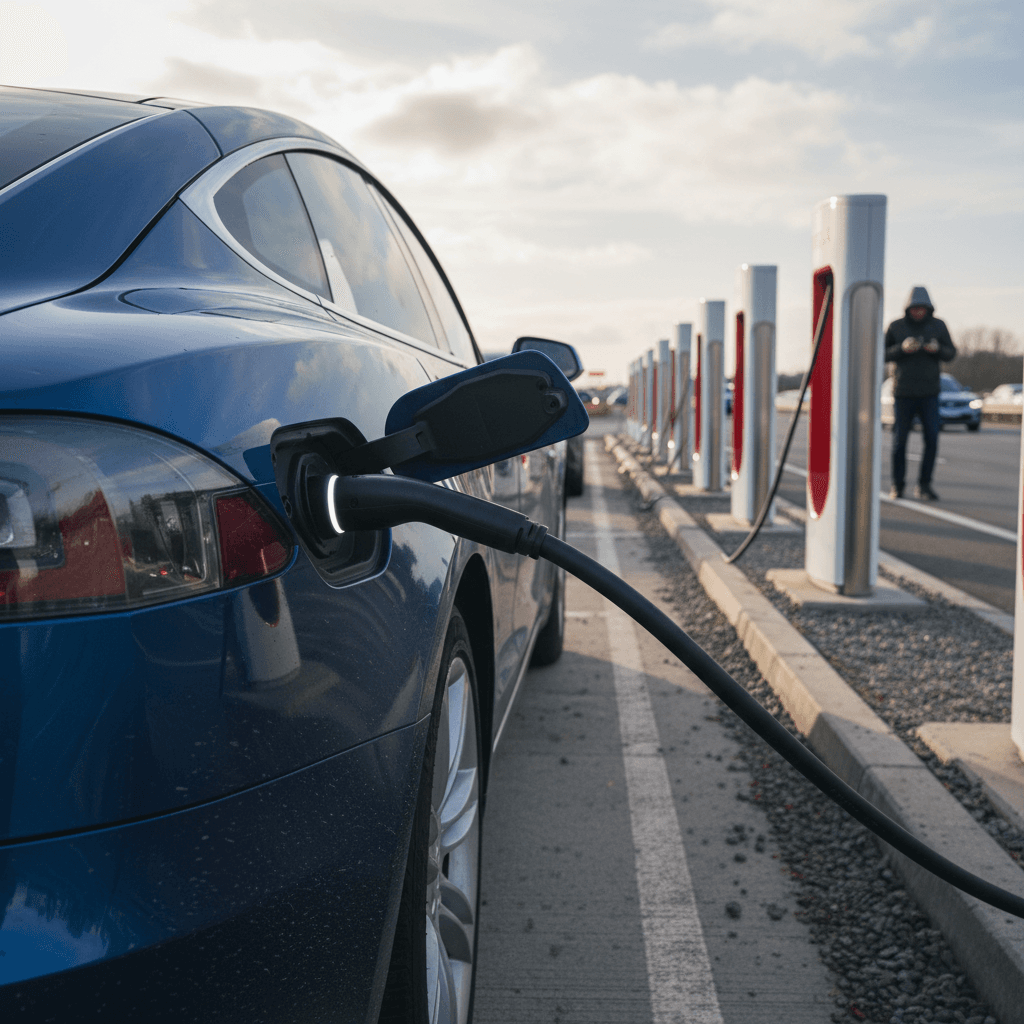
Tesla’s battery and Supercharger network are happiest when you stop more often and charge less each time, instead of trying to blast from 100% down to fumes. The charging curve is fastest when the battery is low and slows dramatically after roughly 70–80%.
Ideal “Rhythm” for a Full Day
- Start around 80–90% after an overnight charge.
- Drive 1.5–2.5 hours between stops, arriving near 10–20% SoC.
- Charge back to 55–75%, just enough to reach the next stop with a buffer.
- Repeat. You’ll be surprised how closely this matches when your body wants food, coffee, and bathrooms anyway.
When to Charge Higher
- When a long gap between Superchargers forces a longer leg.
- Before crossing mountains or driving into a headwind, especially in winter.
- When your hotel or rental doesn’t offer overnight charging and you want enough charge to start the next day comfortably.
Don’t Chase 100% at a Supercharger
What to Expect From Typical Supercharger Stops
How Speed, Weather, and Driving Style Affect Range
Your Model S is a rolling physics lesson: push air out of the way faster, and the battery pays for it. Add cold temperatures, rain, or heavy cargo, and you’ll use more energy than the EPA label ever imagined.
Major Things That Steal Your Range
And what you can do about them on a long drive
High Speeds
Cold Weather
Headwinds and Elevation
Payload and Roof Racks
Use Chill Mode and Autopilot for Smooth Efficiency
Packing and Pre-Conditioning for Range and Comfort
The way you pack and prepare the car before departure can make the difference between a relaxed first leg and watching your remaining miles tick down faster than expected.
Pre-Trip Setup Checklist for Your Model S
1. Pre-Condition While Plugged In
Use the app to warm or cool the cabin while the car is still charging. That energy comes from the wall instead of the battery, preserving range for driving.
2. Set Tire Pressures Correctly
Check tire pressures when the tires are cold. Under‑inflated tires increase rolling resistance and energy use. Use the pressures on the door jamb as a starting point.
3. Pack Smart, Not Tall
Heavy items low and centered, lighter items on top. Avoid tall, boxy loads on the roof; they kill aerodynamics and add wind noise.
4. Bring the Right Cables and Adapters
For hotels or family driveways, a portable Level 2 cable or the correct household adapters can turn an overnight stop into a full ‘refuel’ for the next day.
5. Download Offline Maps & Music
Rural interstates can mean spotty data. Save playlists and enable offline navigation on your phone as a backup for the car’s maps.
Charging Etiquette and Supercharger Best Practices
On a busy holiday weekend, a Supercharger station is a small village: families, pets, tired drivers, and a lot of high‑voltage hardware. Knowing how to be a good citizen there keeps the experience better for everyone, including you.
- Only occupy a Supercharger stall while you’re actually charging; move your car promptly when you’re done.
- If the station uses paired stalls (labeled 1A/1B, 2A/2B, etc.), avoid parking on the same pair as another car when alternatives are open.
- Don’t park in Supercharger stalls if you’re not charging, even “just for a minute.”
- Keep cables neatly on the ground or back on hooks when you leave, so the next driver doesn’t trip or have to drag a cable out from under your car.
- Watch for idle fees in the Tesla app. If your car is done charging and the station is busy, the clock is ticking.
Stay Aware Around Cables and Traffic
Staying Safe and Protecting Your Battery on Long Trips
Battery health and personal safety go hand in hand on long drives: you want to arrive with both you and your pack feeling good. Occasional road trips are well within what your Model S was designed for, but there are a few habits that will keep things healthier over the long run.
Battery-Friendly Habits
- Avoid spending long periods at 100% SoC. Use full charges mainly when you need them for the next leg, then drive soon after.
- On multi‑day trips, aim to float between roughly 10–80% most of the time.
- In extreme heat, use cabin overheat protection or seek shaded parking where possible; high temperatures plus high SoC are hard on batteries.
Driver and Passenger Safety
- Plan stops every 2–3 hours, whether you “need” a charge or not. Fatigue shows up before you notice it.
- Keep emergency gear on board: basic first‑aid kit, water, snacks, and warm layers if you’re traveling through cold regions.
- In very remote areas, leave larger energy buffers (20–30%) so you’re not forced to push speeds or conditions to make the next charger.
What If a Supercharger Is Down?
Used Tesla Model S Owners: Road Trip Readiness Checklist
If you bought your Model S used, especially from a previous generation, give it a quick health check before you set off on a cross‑country adventure. That’s doubly true if you’re new to EVs.
Road Trip Readiness for Used Model S Drivers
1. Review Battery Health
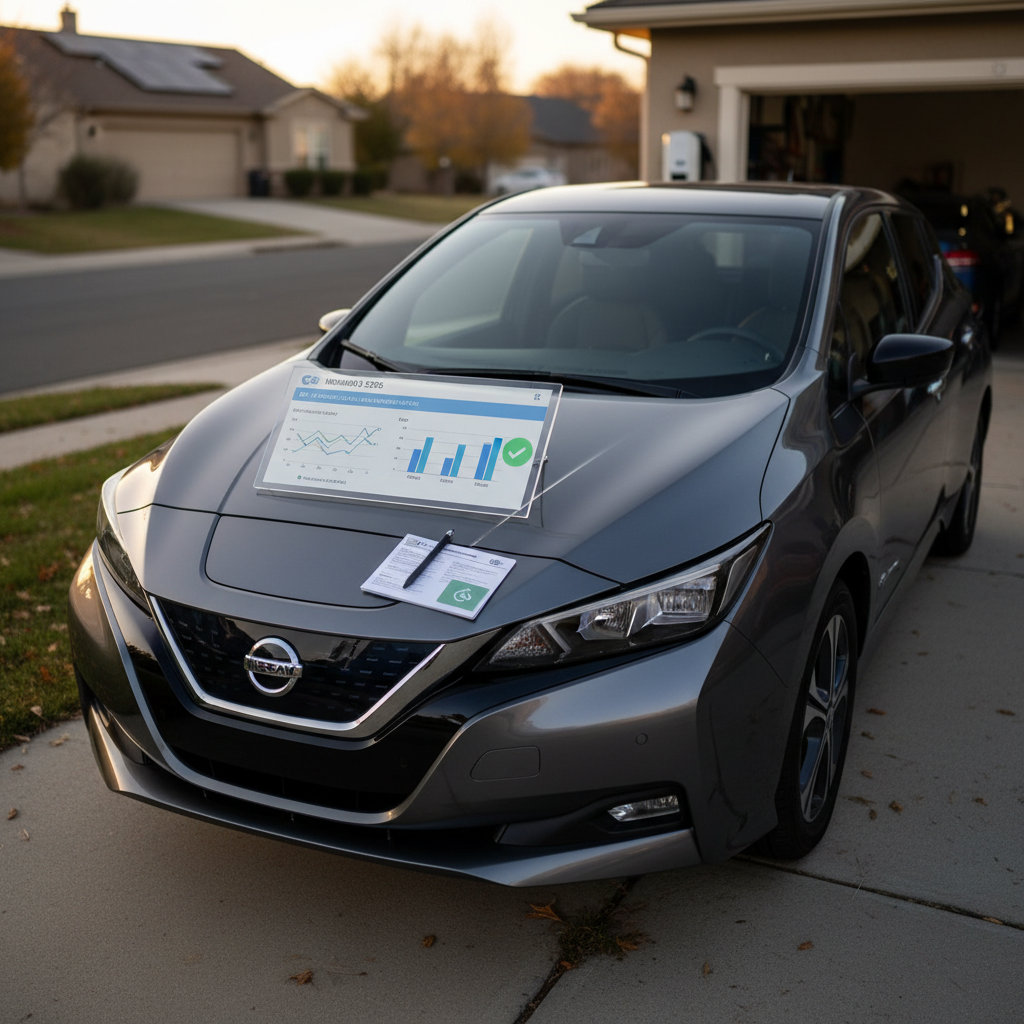
If you purchased through <strong>Recharged</strong>, consult your Recharged Score battery report to understand current capacity and any unusual degradation. Otherwise, compare real‑world range against original specs to set expectations.
2. Check Charging Hardware
Inspect your charge port door, cables, and adapters. Make sure the port opens and closes smoothly and that the cable locks firmly into place without wiggling or error messages.
3. Update Software
Install any pending Tesla software updates well before departure. Updates can tweak charging behavior, navigation data, and energy prediction.
4. Inspect Tires and Brakes
Uneven tire wear or very old tires can hurt both efficiency and safety. Have a shop you trust perform a quick inspection before a major trip.
5. Verify Supercharger Access
Make sure Supercharging is enabled on your account, especially for earlier Model S vehicles that may have had free Supercharging transferred or removed by previous owners.
6. Do a Mini Shakedown Trip
Take a 100–200 mile day trip with at least one Supercharger stop. You’ll learn how the car behaves and iron out surprises well before your big journey.
Let Experts Help If You’re Unsure
FAQ: Tesla Model S Long Distance Driving Tips
Frequently Asked Questions About Long Trips in a Model S
Key Takeaways for Stress-Free Model S Road Trips
Long-distance driving in a Tesla Model S can be easier and more relaxing than in many gas cars, as long as you respect how the battery and charging network work. Learn your car’s real-world range, let the Tesla trip planner do the heavy lifting, stop a bit more often for shorter charges, and drive at a pace that keeps both you and the battery comfortable.
If you’re starting your EV journey or upgrading to a used Model S, Recharged can help you find a car with verified battery health, transparent pricing, and EV‑savvy support from first browse to first road trip. With the right car and the right habits, those long highway miles become just another part of the adventure, quiet, quick, and a lot less stressful than hunting for the next gas station ever was.