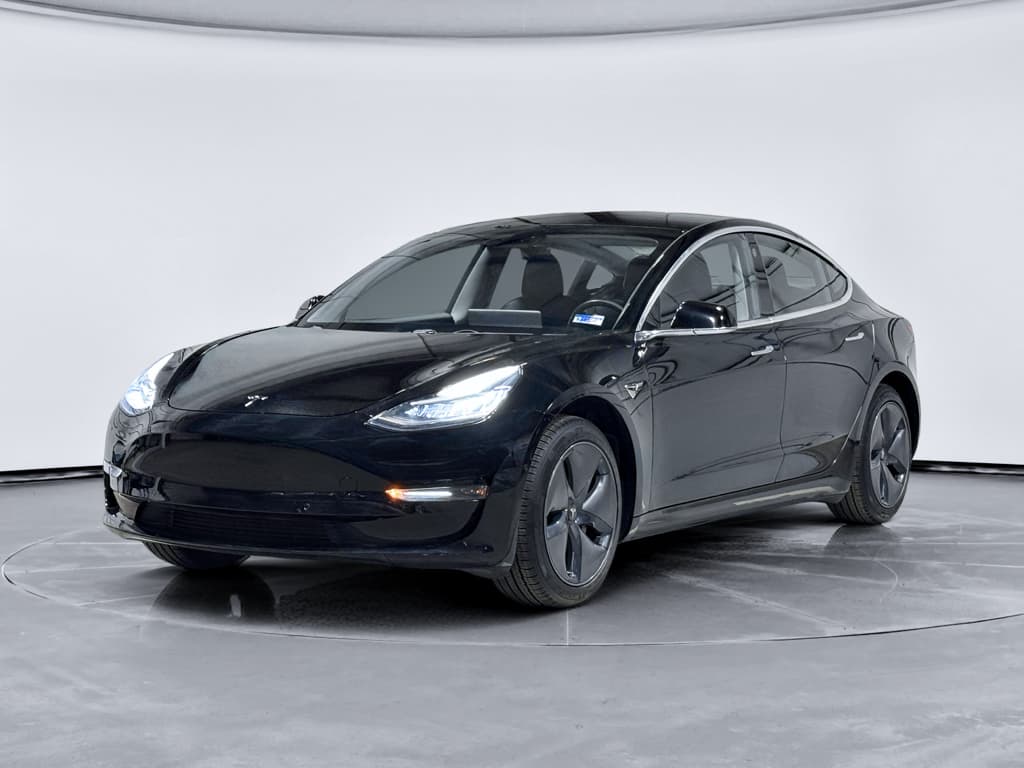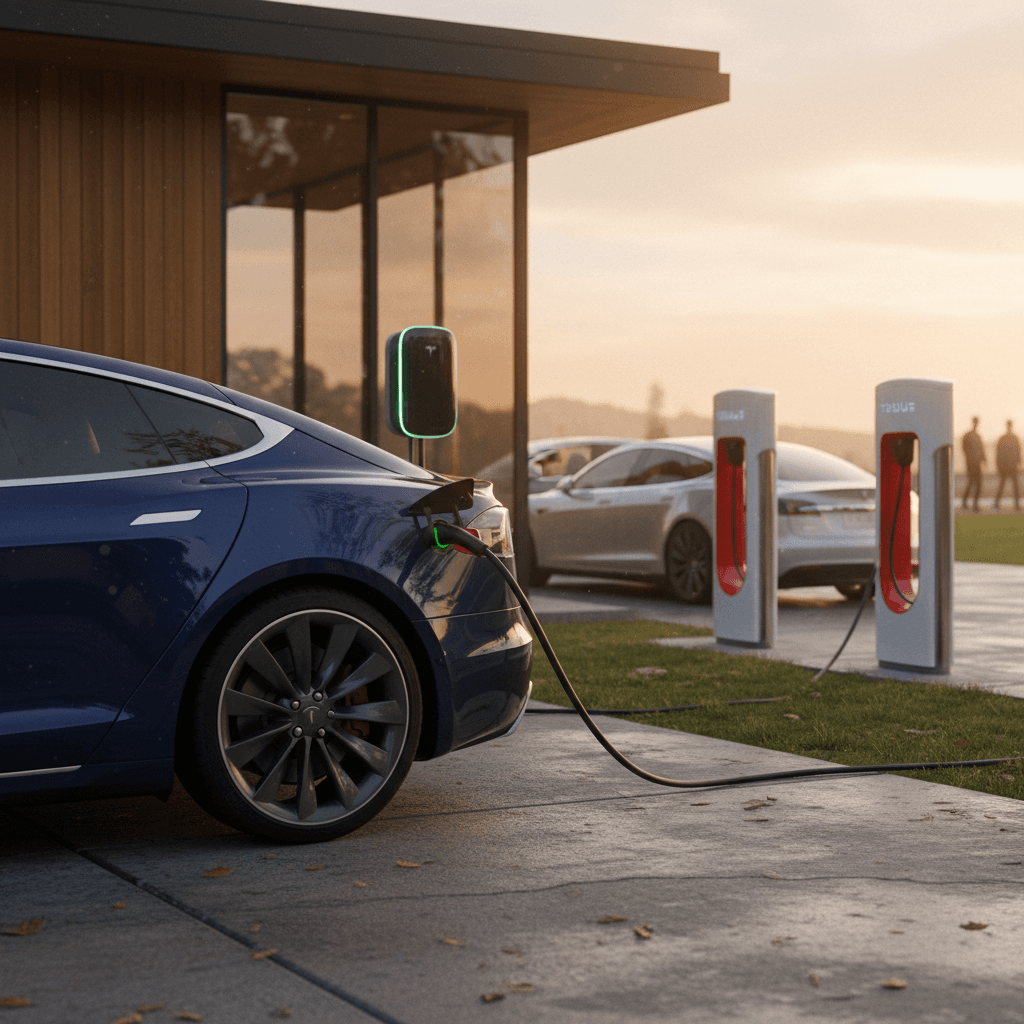
If you’re considering a Tesla Model S, or already drive one, understanding charging speed is just as important as knowing the range. This Tesla Model S charging speed guide breaks down how fast you can expect to charge at home and on the road, what really affects your charge time, and how to keep your battery healthy, whether you’re driving a new Plaid or an older used Model S.
Model S charging at a glance
Why charging speed matters on a Model S
The Model S is a long‑range luxury EV. That’s great news for road trips, but it also means you’re moving more energy into and out of the pack every day. Knowing realistic charging speeds helps you decide whether your current home setup is enough, how long to budget for road‑trip stops, and what to look for if you’re buying a used Model S from a prior generation.
Three moments when charging speed really matters
Not every driver needs the absolute fastest charger
Overnight at home
If you drive 30–60 miles a day, a properly sized Level 2 charger easily refills overnight. Knowing your kW rate tells you whether you’ll wake up full, or still waiting on electrons.
Highway road trips
On Superchargers, charging speed determines whether stops are 15–20 minutes or closer to 40. Plan around the fastest part of the charging curve, not a 0–100% fantasy.
Used Model S ownership
Older Model S packs sometimes charge slower than new ones. Understanding expected speeds helps you spot a healthy car versus one with potential battery or charging limitations.
Tesla Model S battery and charging basics
Current‑generation Tesla Model S Long Range and Plaid trims use a roughly 100 kWh battery pack, with EPA combined range typically around 350–400 miles depending on wheel size and configuration. Earlier Model S variants used smaller packs (60, 70, 75, 85, 90 kWh, etc.), which affects both range and how long a full charge takes.
Key Tesla Model S charging numbers
NACS connector on all North American Model S
Home charging speed for Tesla Model S
At home, your Tesla Model S uses its onboard AC charger to convert AC power from the wall into DC power for the battery. Modern Model S trims are rated for about 11.5 kW (48 amps at 240V) when paired with a properly wired Level 2 circuit and a compatible wall unit like the Tesla Wall Connector.
Common Tesla Model S home charging options
Approximate best‑case power and miles of range added per hour on modern Model S trims. Older cars with smaller packs may see slightly different numbers.
| Home charging setup | Voltage / amps | Max power (kW) | Approx. mi/hour* | Good for… |
|---|---|---|---|---|
| Standard outlet (Level 1) | 120V / 12A | 1.4 kW | 3–5 mi/hr | Occasional top‑ups, very low‑mileage drivers |
| NEMA 14‑30 dryer outlet | 240V / 24A | 5.7 kW | 18–22 mi/hr | Apartments/condos with shared laundry circuits |
| NEMA 14‑50 outlet | 240V / 32–40A (depending on limits) | 7.7–9.6 kW | 25–35 mi/hr | Most homeowners wanting solid overnight charging |
| Hardwired Wall Connector (48A) | 240V / 48A | 11.5 kW | 35–45 mi/hr | Fastest practical home charging for most Model S owners |
Real‑world results can be 10–30% lower depending on temperature, state of charge, and efficiency.
Match the circuit to your driving
Checklist: getting the best home charging speed
1. Confirm your onboard charger limit
On your Model S touchscreen, tap the <strong>charging</strong> icon and look for the max amperage (often 48A on newer trims). There’s no benefit to installing a 60A+ circuit if your car can’t use it.
2. Size your circuit correctly
Work with a licensed electrician to install a 240V circuit that matches your car and wall unit. For 48A charging, that typically means a <strong>60A breaker</strong> to satisfy electrical code requirements.
3. Use a dedicated circuit
Avoid sharing your EV circuit with other large loads like dryers or welders. Sharing can trip breakers, limit amperage, or cause unsafe overheating.
4. Set a healthy daily charge limit
For battery longevity, most Model S owners charge to <strong>70–90%</strong> for daily use and reserve 100% for road trips. You can set this limit directly in the car or Tesla app.
5. Schedule off‑peak charging
If your utility offers time‑of‑use rates, schedule charging overnight during cheaper hours. Your cost per mile often matters more than shaving a few minutes off charge time.
Tesla Supercharger speeds for Model S
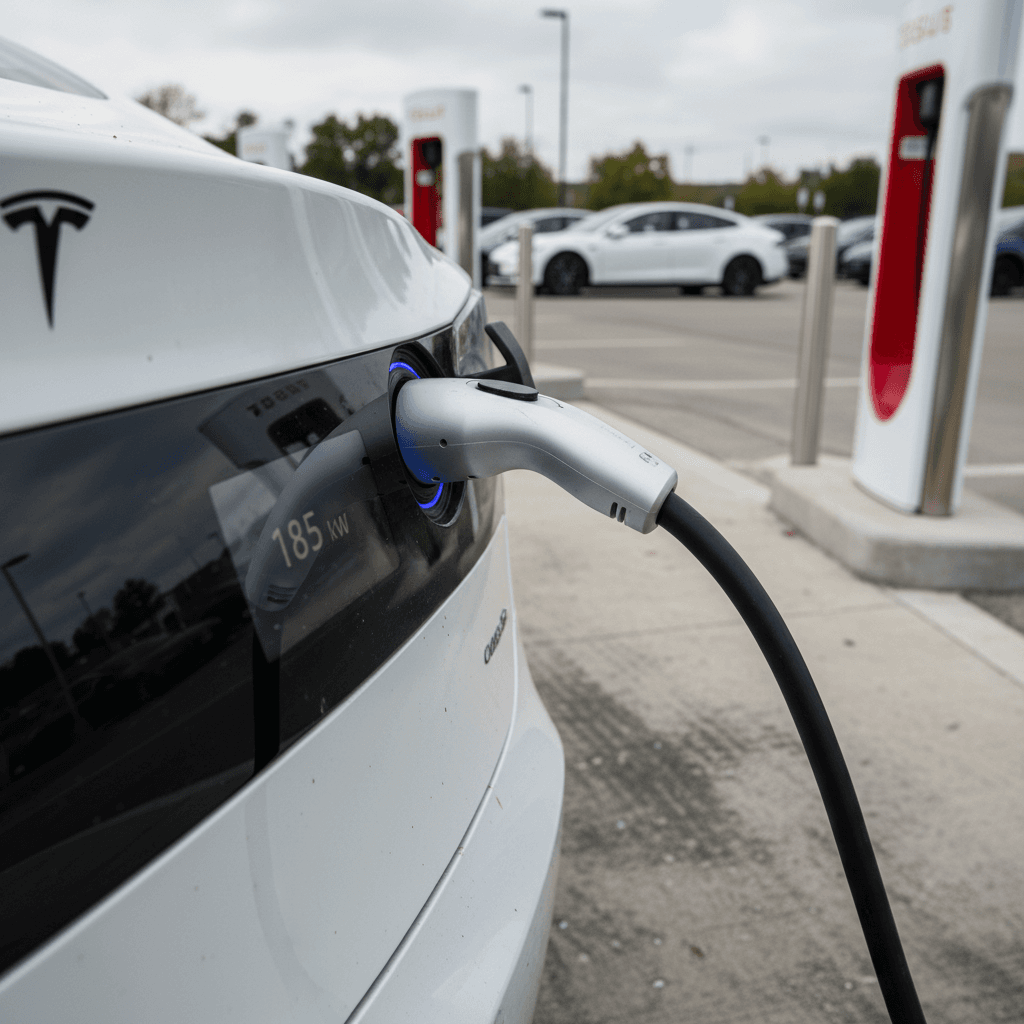
On road trips, your Tesla Model S uses DC fast charging at Tesla Supercharger stations. Instead of relying on the onboard AC charger, the station itself delivers high‑power DC directly to the pack. Depending on your Model S generation and the Supercharger hardware, you may briefly see 150–250 kW or more before the charging curve tapers.
Typical Supercharger power levels for Model S
Not every station is labeled, but these rough categories cover most U.S. Superchargers you’ll encounter.
| Supercharger type | Peak power (kW) | Notes for Model S drivers |
|---|---|---|
| Urban / legacy sites | 72–120 kW | Usually in city centers or older corridors; still fine for top‑ups but slower on long trips. |
| V2 Supercharger | 120–150 kW (shared pair) | Stalls are paired (e.g., 3A/3B). Sharing a pair can cut your power roughly in half. |
| V3 Supercharger | Up to 250 kW | Dedicated stalls, no A/B sharing. Newer Model S trims charge fastest here. |
| Emerging higher‑power sites | 250 kW+ | Some newer hardware supports even more power, but Model S still limits based on its own battery and firmware. |
Your car automatically adjusts to the highest safe power it can accept, no settings required.
Don’t chase 0–100% at Superchargers
Real‑world charging time examples
Every trip and every car is a little different, but you can use these examples as ballpark expectations for a modern 100 kWh Tesla Model S (Long Range or Plaid) in mild weather. Older packs will be a bit slower in some cases, but the patterns are similar.
Approximate Tesla Model S charging times by scenario
Assumes a modern Tesla Model S with a roughly 100 kWh pack, starting warm, in 60–75°F weather.
| Scenario | Start → end | Charger type | Approx. time | What it feels like |
|---|---|---|---|---|
| Daily top‑up at home | 40% → 80% | 11.5 kW Level 2 | ~3 hours | Plug in when you get home, full again well before bed. |
| Deep refill at home | 10% → 80% | 11.5 kW Level 2 | ~7 hours | Great for overnight after a long day or weekend trip. |
| Quick road‑trip stop | 10% → 60% | V3 Supercharger | ~20–25 minutes | Bathroom, coffee, stretch, and you’re ready to roll. |
| Typical road‑trip leg | 10% → 80% | V3 Supercharger | ~30–35 minutes | Enough for meals; fastest part of the curve is 10–60%. |
| Hero 0–100% fast‑charge | 5% → 100% | V3 Supercharger | 45–70 minutes | Technically possible but slow above 80%, not recommended except when you truly need every mile. |
Real‑world conditions (cold weather, crowded stations, older batteries) can easily add 20–40% to these numbers.
Use the car’s estimates, but learn to sanity‑check them
7 factors that change your charging speed
- Battery state of charge (SoC) – The lower your SoC, the faster your Model S can accept power. Expect the highest kW between roughly 5–30%, then a gradual ramp‑down.
- Battery temperature – A cold pack charges slowly, especially at DC fast chargers. Precondition by navigating to a Supercharger in the Tesla nav so the car warms the battery on the way.
- Charger power and sharing – A 72 kW urban Supercharger can’t match a 250 kW V3 stall. On V2 sites, avoid plugging into the same number pair (e.g., 4A/4B) as another car when possible.
- Onboard AC charger limit – At home, you’re capped by the onboard charger (often 11.5 kW) even if the wall hardware and circuit could deliver more.
- Circuit and wiring – Undersized wiring or shared circuits can force lower amperage. This is why Tesla and electricians recommend dedicated 240V circuits for home charging.
- Battery age and health – Some older Model S packs have more conservative charge curves, especially if they’ve done a lot of fast‑charging. You may see lower peak kW than a brand‑new Model S.
- Software and firmware – Tesla continually tweaks charging behavior. A software update can change your peak rates or how long the car holds higher power.
Avoid workarounds that fight the software
Charging strategies for daily driving and road trips
Daily driving strategy
- Set a daily limit in the 70–90% range depending on how much buffer you like.
- Plug in every night or whenever you’re home for more than a few hours. Think of it like topping off your phone.
- Use Level 2 whenever possible. Slow, steady charging is gentle on the battery and more convenient than chasing DC fast chargers.
- Don’t obsess over exact times. If you’re home 10+ hours, even a mid‑range 7.7 kW setup easily refills typical daily driving.
Road‑trip strategy
- Start the day near 90–100% if you’ll be on the highway for hours.
- Arrive at Superchargers low, ideally in the 5–15% range, so you get the fastest part of the charging curve.
- Stop more often, charge less each time (e.g., 10 → 60%) to minimize the slow 80–100% zone.
- Use the Tesla nav so the car preconditions the battery and chooses stalls with enough capacity.
- Time charging with meals. A 30‑minute lunch is often enough for another 150–200+ miles in a Model S.
How Recharged helps road‑trip planners
Ready to find your next EV?
Browse VehiclesUsed Tesla Model S: what to ask about charging
Charging speed is a key part of the ownership experience for a used Tesla Model S, especially if you’re cross‑shopping different battery sizes and older packs. Two Model S sedans with similar range today might behave very differently when fast‑charging on a hot July road trip.
Key charging questions for a used Model S
Protect yourself from unpleasant surprises on that first road trip
Battery health & history
Ask how the previous owner charged: mostly at home on Level 2, or constantly on Superchargers? Heavy DC fast‑charging can lead to more conservative charge curves over time.
Max AC charge rate
Verify the car’s current onboard charger rating and check that it reaches expected speeds on a Level 2 station (ideally 40–45 mi/hour on newer trims).
Real‑world DC behavior
If possible, review a recent Supercharger session screenshot. Peak kW, and how quickly it tapers, tells you a lot about how the pack manages fast charging.
How Recharged evaluates used EVs
FAQ: Tesla Model S charging speeds
Frequently asked questions about Model S charging speeds
Bottom line on Model S charging speeds
Tesla Model S charging speeds are more than just spec‑sheet numbers. At home, a well‑sized Level 2 setup turns your garage into a personal "gas station," quietly adding 25–45 miles of range per hour while you sleep. On the road, understanding how your Model S behaves between 10–80% at different Superchargers lets you plan quick, predictable stops instead of guessing if you’ll be waiting 15 minutes or nearly an hour.
If you’re shopping used, focus less on the original brochure claims and more on how that specific car charges today, AC speeds, DC fast‑charge behavior, and real‑world range. Recharged’s battery health diagnostics and Recharged Score Report are built to give you that clarity up front, so owning a Model S feels like an upgrade, not an experiment in charging math.