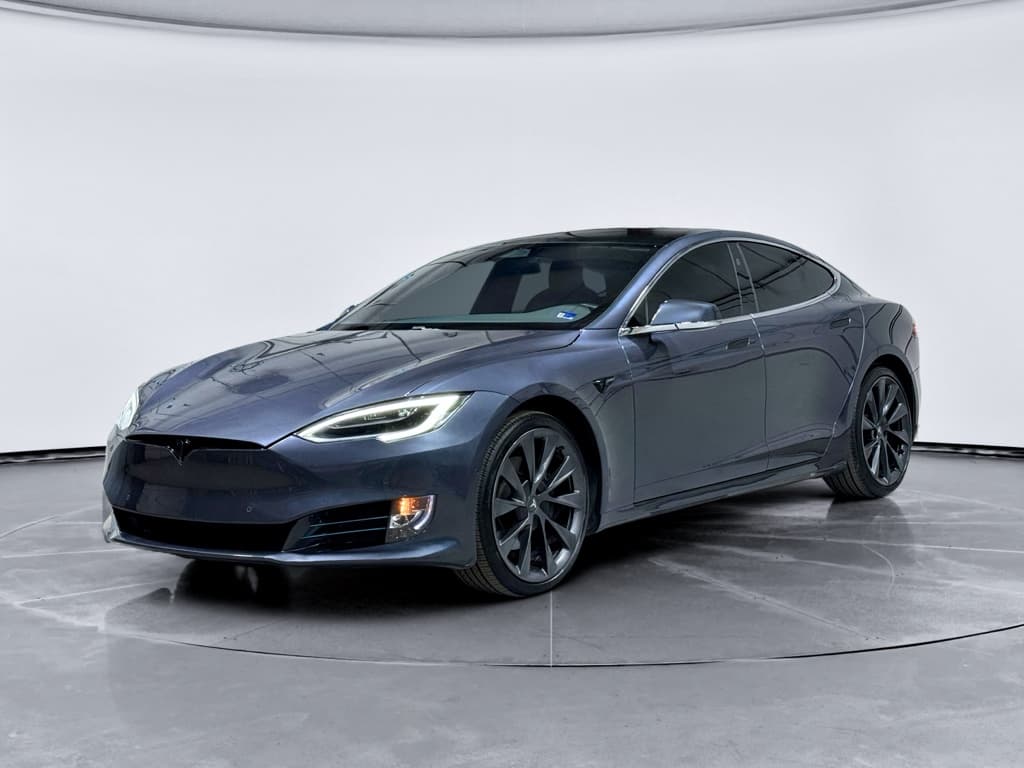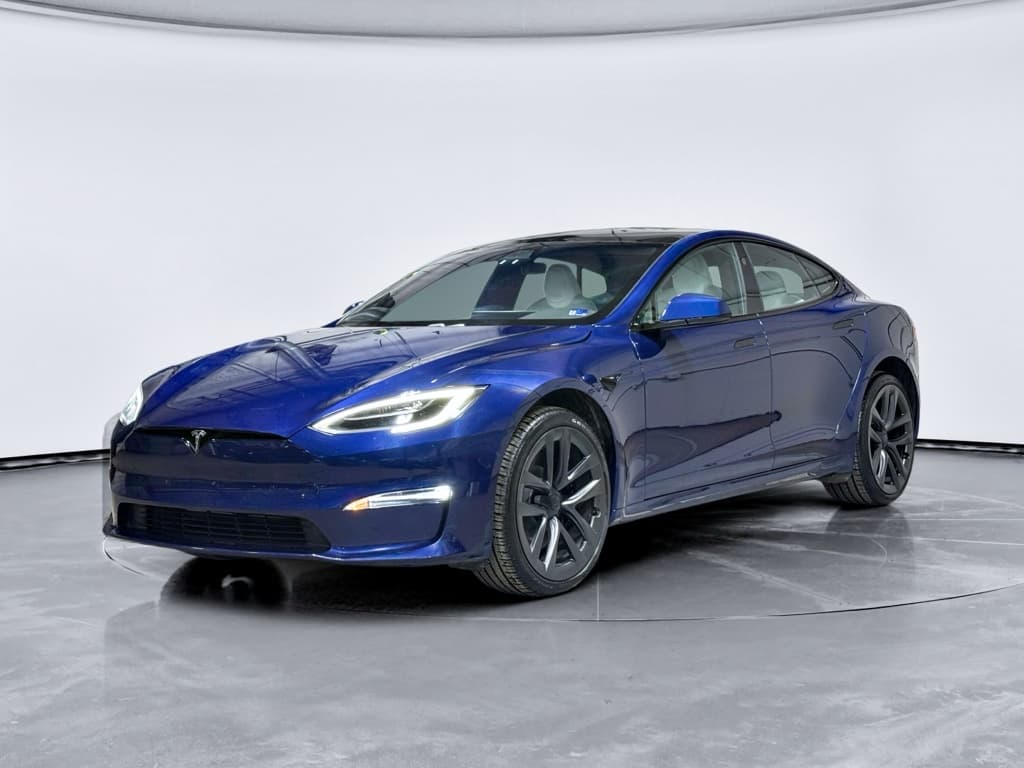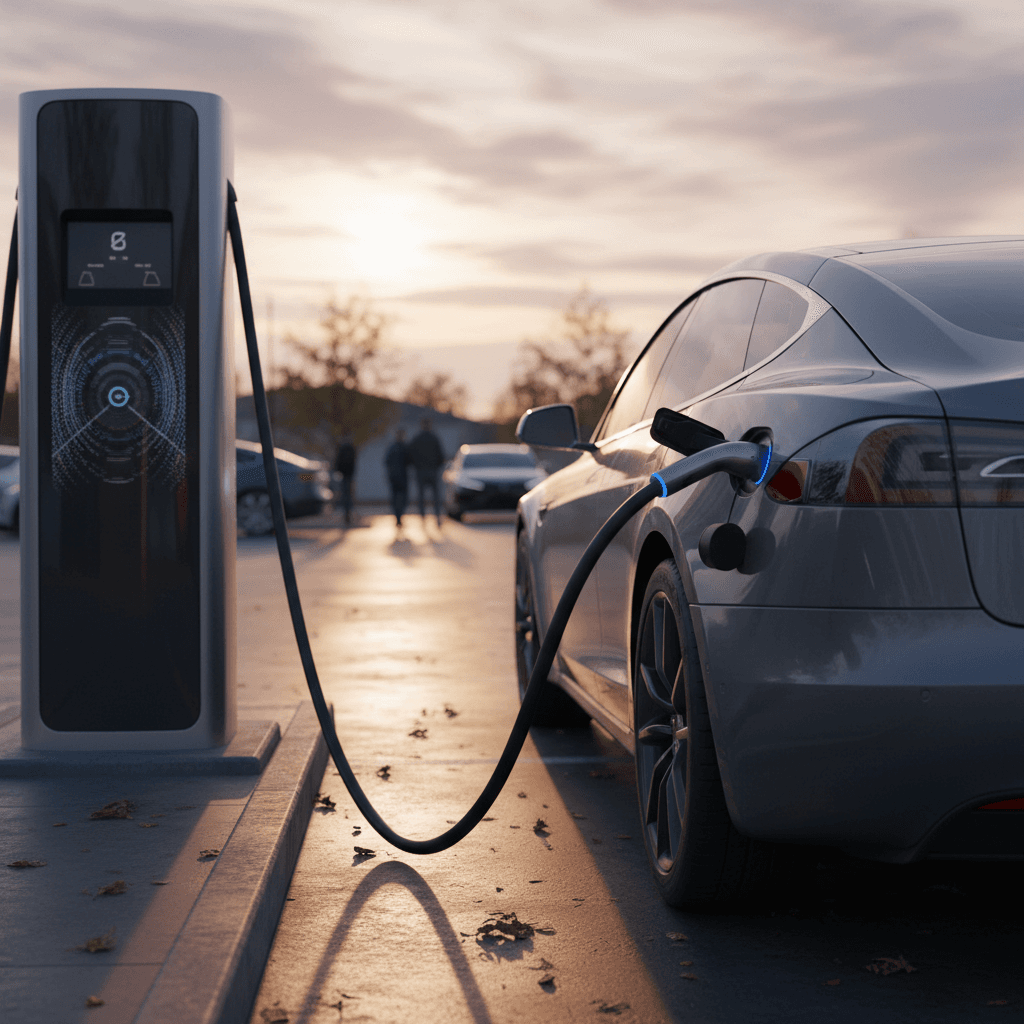
If you’re looking at a Tesla Model S, especially used, the question that really matters isn’t just “What’s the range?” It’s “What does it cost per mile to charge this thing?” Understanding the Tesla Model S charging cost per mile is one of the fastest ways to compare it to a gas car, budget your monthly costs, and spot a good (or bad) deal on a used car.
Key idea
Why cost per mile matters for Tesla Model S owners
Most EV marketing focuses on range and 0–60 times. But if you’re buying or selling a Model S, especially a higher-mileage used one, operating cost per mile tells you much more about real ownership economics. It’s how you compare a P100D to a Long Range, or an older 85 kWh car to a newer one, and how you benchmark it against a comparable gas sedan that might be burning $0.18–$0.25 of fuel per mile.
The good news: once you understand efficiency (Wh/mi) and your electricity rate (¢/kWh), the math is simple, and it works for any EV you’re cross-shopping, not just the Model S.
Quick answer: Tesla Model S charging cost per mile
Typical Tesla Model S charging cost per mile (2026, U.S.)
Those ranges are wide on purpose. Electricity in the U.S. now averages mid-to-high teens cents per kWh nationally, with many states cheaper and coastal markets (California, Northeast) significantly higher. Meanwhile, a Model S driven gently in mild weather can sit near 260–280 Wh/mi, while cold climates and heavy highway use can push that toward 330–360 Wh/mi or more.
The simple formula
Step 1: Understand your Model S efficiency
Tesla publishes EPA efficiency and range ratings, but what matters to your wallet is your actual Wh/mi over time. Owners of recent dual‑motor Model S cars commonly report lifetime averages in the 260–320 Wh/mi range in moderate climates, with performance trims and harsh conditions skewing higher.
Typical real‑world efficiency by Model S type
Use these as ballpark numbers if you don’t own the car yet
Early RWD / 60–85 kWh cars
Approx. 280–320 Wh/mi in mixed driving.
Less efficient motors and older aero, but still far cheaper than gas per mile.
Dual‑motor 75D / 90D / 100D
Approx. 270–310 Wh/mi for most owners.
Sweet spot for used buyers: strong range and solid efficiency.
Performance (P85D, P100D, Plaid)
Approx. 300–360+ Wh/mi depending on how often you use the power.
Think of them as fast luxury sedans that are still usually cheaper per mile than gas BMWs or AMGs.
Where to find your Wh/mi
Step 2: Home electricity rates and real-world examples
Home charging is where EV economics shine. By 2024–2025, the average U.S. residential electricity price had climbed into the mid‑teens cents per kWh nationally, with some sources putting current national averages for 2025–2026 closer to $0.17–$0.19/kWh. Many interior states are still cheaper; coastal states like California, New York, and parts of New England sit well above that.
Model S home charging cost per mile at different electricity prices
Assumes 300 Wh/mi average efficiency (0.30 kWh/mi)
| Electricity price (¢/kWh) | Cost per kWh ($) | Model S cost per mile | Cost per 1,000 miles |
|---|---|---|---|
| 12¢ (cheap state) | $0.12 | $0.036/mi (3.6¢) | $36 |
| 16¢ (near 2024 US avg) | $0.16 | $0.048/mi (4.8¢) | $48 |
| 19¢ (recent national est.) | $0.19 | $0.057/mi (5.7¢) | $57 |
| 26¢ (California‑like) | $0.26 | $0.078/mi (7.8¢) | $78 |
| 32¢ (high‑cost urban) | $0.32 | $0.096/mi (9.6¢) | $96 |
Use this table as a quick reference, then refine with your own Wh/mi and rate.
Even at 26 cents per kWh, roughly what many California households have seen in the last couple of years, you’re under 8 cents per mile if you’re averaging 300 Wh/mi. That’s roughly the fuel cost of a 35–40 mpg gas car on $3.00–$3.50/gal fuel, but in a full‑size luxury sedan with far more power.
Don’t forget charging losses
Example A: Suburban homeowner
• Lifetime efficiency: 280 Wh/mi
• Electricity rate: $0.15/kWh
• Adjusted for 10% losses: 308 Wh/mi
Cost per mile = (0.15 × 0.308) ≈ 4.6¢/mi.
Cost per 1,000 miles ≈ $46.
Example B: City condo with pricey power
• Lifetime efficiency: 310 Wh/mi
• Electricity rate: $0.30/kWh
• Adjusted for 10% losses: 341 Wh/mi
Cost per mile = (0.30 × 0.341) ≈ 10.2¢/mi.
Cost per 1,000 miles ≈ $102.
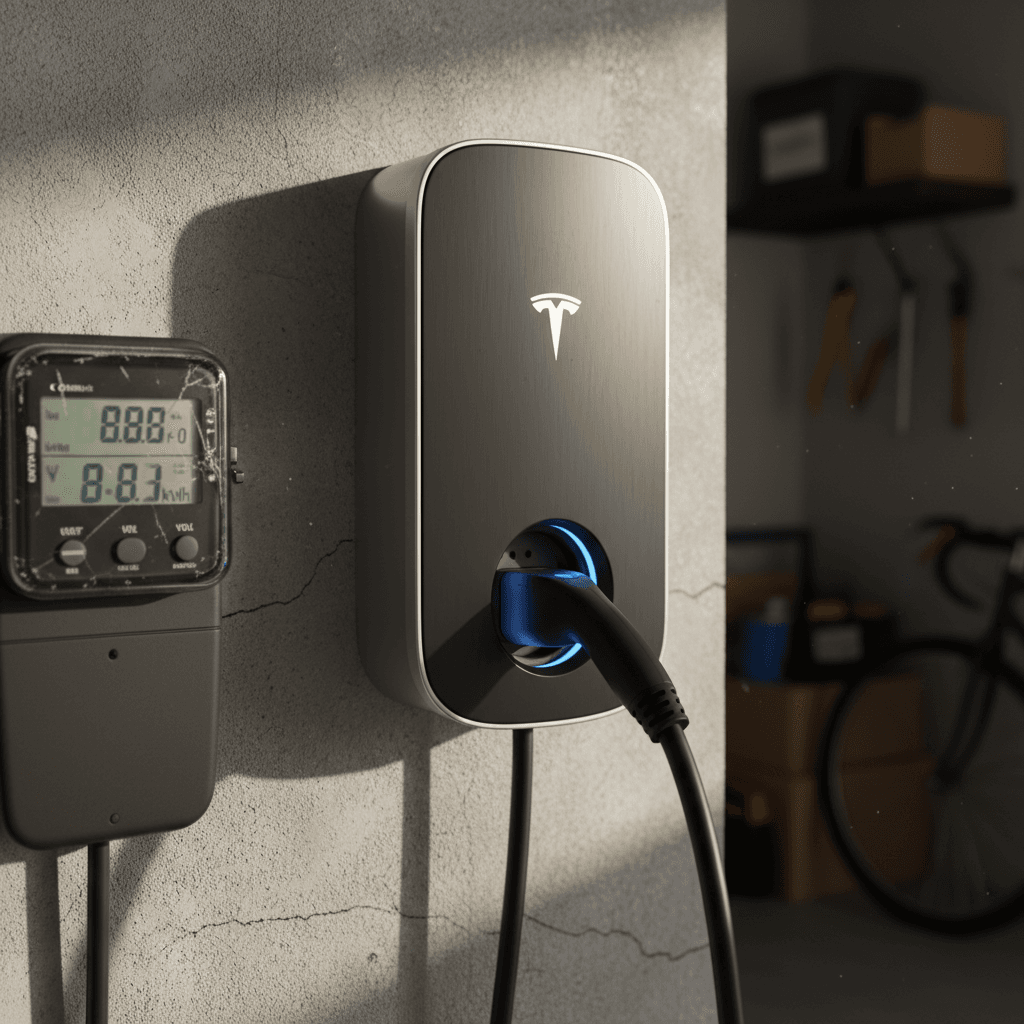
Step 3: Supercharger cost per mile vs home charging
Tesla’s Supercharger network is a huge part of the Model S value proposition, but it’s no longer the ultra‑cheap perk it once was. By late 2024 and 2025, many U.S. owners were reporting Supercharger prices in the $0.35–$0.50/kWh range, with some high‑demand urban and California locations pushing even higher during peak hours.
Approximate Model S cost per mile at Superchargers
Assumes 310 Wh/mi at highway speeds and 10% charging losses (≈ 341 Wh/mi from the plug).
| Supercharger price ($/kWh) | Effective cost per mile | Cost per 1,000 miles |
|---|---|---|
| $0.35/kWh (off‑peak, cheaper regions) | ≈ $0.12/mi (12¢) | ≈ $120 |
| $0.45/kWh (typical 2025–2026 rates) | ≈ $0.15/mi (15¢) | ≈ $150 |
| $0.55/kWh (busy urban peak) | ≈ $0.19/mi (19¢) | ≈ $190 |
Actual prices vary by site, time of day, and region. Always check the Tesla app before a session.
That means a Supercharged Model S can cost roughly as much per mile as a 25–30 mpg gas sedan when fuel is around $3.50–$4.00/gal. The network’s value is convenience and speed, not rock‑bottom energy pricing. For daily driving, home (or workplace) charging is where you save real money.
Always check live pricing
Step 4: How driving style and weather change cost per mile
Two Model S owners on the same street can pay very different cost per mile, even with identical electricity rates. The gap usually comes down to speed, climate, and trip pattern.
What moves your Wh/mi number (and your cost per mile)
Same electricity price, very different energy use
Speed & aerodynamics
Highway speeds dominate. Jumping from 65 to 80 mph can push Wh/mi up by 15–25% or more in a Model S, especially on performance trims.
Temperature & HVAC
Cold weather adds battery conditioning and cabin heating. Short winter trips can temporarily double Wh/mi compared with mild‑weather highway runs.
Trip pattern
Lots of short, stop‑and‑go trips mean more energy spent on warming the pack and cabin rather than pure propulsion, raising your effective Wh/mi.
Good news for used‑Model‑S shoppers
Used Tesla Model S: what to check before you buy
When you’re shopping used, “cheap to fuel” on paper only matters if the specific car you’re considering still has strong battery health and consistent real‑world efficiency. Early Model S cars have now lived through a decade of owners, charging habits, and climates. That history shows up directly in both battery capacity and Wh/mi.
Cost‑of‑ownership checks for a used Model S
1. Look at recent Wh/mi and trip data
During your test drive, pull up the Energy or Trips view and check recent Wh/mi over the last 1,000–5,000 miles. A very high number may indicate lots of short trips, aggressive driving, or tough climate, none are deal‑breakers, but they’ll raise your cost per mile.
2. Verify current range at high state of charge
Charge the car close to 90–100% if possible and compare the displayed rated range to the car’s original EPA rating. This gives you a first‑order sense of battery degradation, which affects how useful each kWh actually is.
3. Review charging history patterns
Ask the seller how they’ve charged: mostly home Level 2, workplace, or frequent DC fast charging. <strong>Heavy Supercharger use</strong> doesn’t automatically kill a pack, but it does matter when you’re looking at long‑term cost and battery health.
4. Factor in local electricity prices
A “cheap” Model S in a high‑price electricity market can still cost more per mile than a slightly more expensive car in a cheap‑electricity state. Use your own kWh rate when comparing total cost of ownership.
5. Get an independent battery health report
Tools like the <strong>Recharged Score battery health diagnostics</strong> give you a quantitative view of pack capacity and charging behavior. When you buy through <strong>Recharged</strong>, every used EV includes this report so you’re not guessing about the most expensive component on the car.
How Recharged can help
Ways to lower your Model S charging cost per mile
You can’t control macro‑level electricity prices, but you have more levers than you might think when it comes to your personal cost per mile.
Optimize your electricity cost
- Use off‑peak or EV‑specific rates if your utility offers a time‑of‑use plan. Shifting charging to nights or weekends can shave several cents per kWh.
- Charge at home whenever possible. Even with rising rates, home power is almost always cheaper than public DC fast charging on a per‑mile basis.
- Leverage workplace charging. If your employer offers free or discounted charging, that can turn your effective cost per mile into rounding error.
Improve your efficiency (Wh/mi)
- Dial back highway speeds. Cruising at 70 instead of 80 mph can meaningfully cut Wh/mi in a Model S.
- Pre‑condition while plugged in. In cold weather, use the app to warm the cabin and battery while you’re still on shore power, not the pack.
- Watch tire choice and pressure. Sticky performance tires and under‑inflation are silent Wh/mi killers. Consider more efficient tires if cost per mile is a priority.
Avoid this common mistake
Example cost-per-mile scenarios
To make this concrete, here are three simplified Model S use cases in 2026. These aren’t edge‑cases, they’re the kinds of patterns you see every day in Recharged customer data and owner forums.
Three Model S owner profiles and cost per mile
Assumes 10% charging losses from plug to battery.
| Scenario | Charging mix | Rate & efficiency | Approx. cost per mile | Notes |
|---|---|---|---|---|
| A: Commuter in low‑cost state | 90% home L2, 10% road‑trip Supercharger | Home: $0.13/kWh, 280 Wh/mi; SC: $0.40/kWh, 320 Wh/mi | Home ~4.0¢/mi, trips ~15¢/mi; blended ≈ 5–6¢/mi | Classic EV sweet spot: cheap electricity, mostly home charging. |
| B: Urban driver with high rates | 80% home L2, 20% Supercharger | Home: $0.28/kWh, 300 Wh/mi; SC: $0.50/kWh, 330 Wh/mi | Home ~9.2¢/mi, trips ~19¢/mi; blended ≈ 11–12¢/mi | Still competitive with a thirsty gas luxury sedan, but not a slam‑dunk on fuel savings. |
| C: Apartment driver relying on fast charging | 20% workplace L2, 80% Supercharger | Work: subsidized $0.10/kWh; SC: $0.45/kWh, 320 Wh/mi | Work ~3.5¢/mi, SC ~16–17¢/mi; blended ≈ 14–15¢/mi | Total fuel spend starts to look like a mid‑mpg gas car. Convenience may still justify it, but run the math. |
Your numbers will differ, but the relative patterns tend to hold.
FAQ: Tesla Model S charging costs
Frequently asked questions about Model S charging cost per mile
Bottom line: Is a Tesla Model S cheaper per mile than gas?
In most of the U.S., a Tesla Model S still undercuts equivalent gas sedans on energy cost per mile, especially if you have access to reasonably priced home charging and you’re not driving everywhere at Autobahn speeds. Think 4–8 cents per mile at home in typical conditions, compared with the mid‑teens to mid‑twenties for many ICE luxury cars.
Where things get murkier is in high‑electricity‑price markets and Supercharger‑heavy lifestyles. There, a Model S may be closer to fuel‑parity with efficient gas cars, and its economic advantage leans more on maintenance savings and the intrinsic appeal of the EV driving experience.
If you’re shopping used, the smartest move is to pair a clear cost‑per‑mile calculation with hard data on battery health. That’s exactly what Recharged’s Score Reports are designed to do: they turn abstract questions about kWh, Wh/mi, and degradation into a transparent view of real‑world ownership costs, before you commit to the car and the payments that come with it.