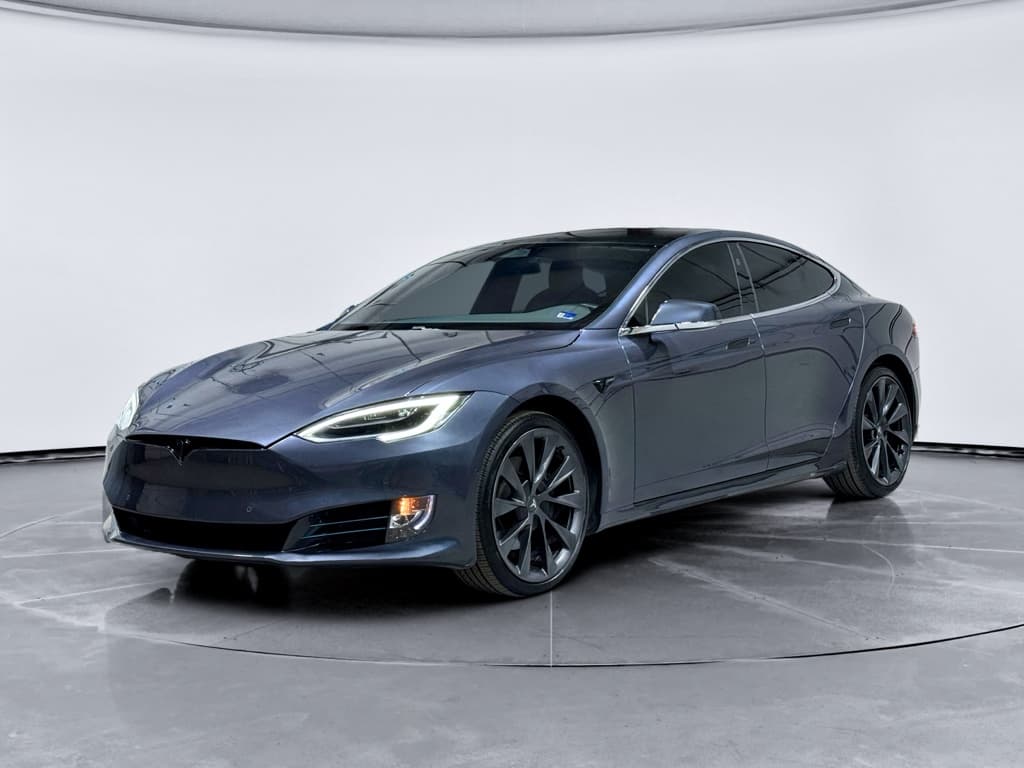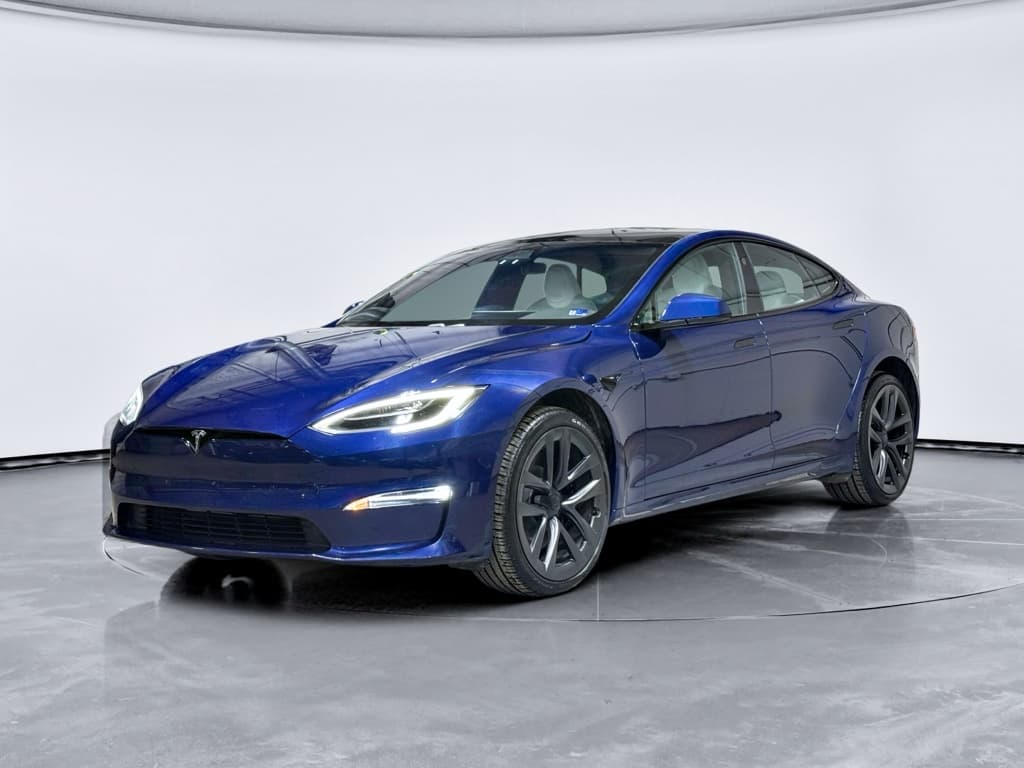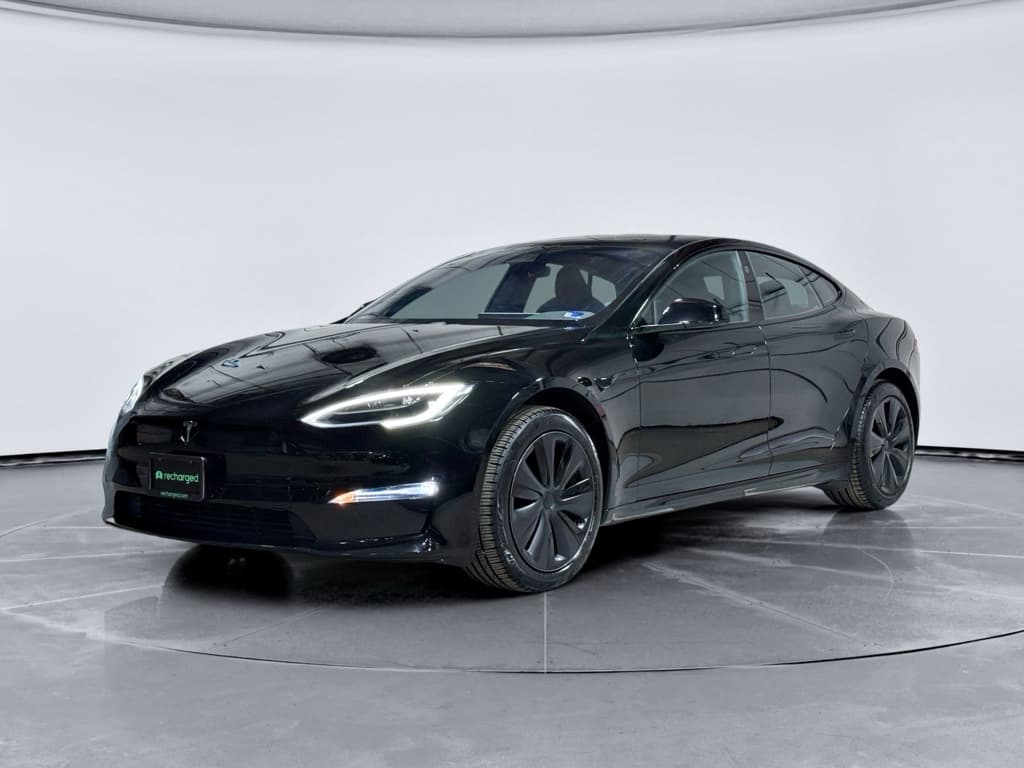
If you’re eyeing a Tesla Model S, you’re probably wondering: how much does it cost to own a Tesla Model S per year once the new-car glow wears off and the bills start arriving? The sticker price is only the beginning. Charging, insurance, maintenance, tires, taxes, and above all depreciation determine what this big electric hatchback really costs to keep in your driveway.
Quick Answer
Overview: What a Tesla Model S Really Costs Per Year
Typical Annual Tesla Model S Ownership Snapshot
When people talk about the cost to own a Model S, they often fixate on charging and forget that depreciation and insurance usually dwarf your electricity bill. The good news: where many gas luxury sedans guzzle fuel and rack up oil changes, the Model S claws back money with far lower energy and routine service costs, especially if you buy a well-sorted used car instead of a brand-new one.
Key Factors That Drive Your Annual Model S Cost
Five Variables That Make or Break Your Budget
Your numbers may look very different from the "average" owner depending on these levers.
Miles You Drive
Electricity Price
Insurance Profile
New vs. Used
Battery & Warranty
Taxes & Fees
Start With Your Own Numbers
Tesla Model S Charging Costs Per Year
Let’s assume a dual‑motor Model S that averages about 3 mi/kWh in mixed driving. At 12,000 miles per year, you’ll use roughly 4,000 kWh of electricity. What you pay for those kilowatt-hours will decide most of your annual charging cost.
Estimated Annual Charging Cost – 12,000 Miles/Year
Approximate annual electricity cost for a Tesla Model S at different rates. Your actual cost will depend on climate, driving style, and charging mix.
| Charging Scenario | Approx. Rate per kWh | kWh per Year | Estimated Annual Cost |
|---|---|---|---|
| Home, off‑peak rate | $0.10 | 4,000 | $400 |
| Home, standard residential | $0.15 | 4,000 | $600 |
| Home + some public Level 2 | $0.20 | 4,000 | $800 |
| Heavy DC fast charging use | $0.30 | 4,000 | $1,200 |
Home overnight charging is almost always cheaper than relying on DC fast charging.
Beware of Living on Fast Charging
If you drive closer to 15,000 miles per year, those numbers rise proportionally, think $500–$1,500 per year for most U.S. owners, depending on how fast and where you plug in. Compared with a similarly quick gasoline luxury sedan that might burn $2,000–$3,000 of fuel annually, charging is one of the Model S’s strongest value plays.
Insurance Costs for a Tesla Model S
Insurance is where the Tesla Model S reminds you it’s a large, fast, luxury car packed with electronics. Premiums are often higher than for a mainstream sedan, but can be comparable to other German and Japanese luxury models.
What Drives Model S Insurance Rates?
- Vehicle value: Newer, higher‑MSRP cars cost more to repair or replace.
- Performance: Dual‑motor performance variants tempt spirited driving, which some insurers price accordingly.
- Repair complexity: Aluminum bodywork and advanced sensors make even minor accidents expensive.
- Location: Dense urban areas and states with high medical costs often see higher premiums.
What Most Owners Actually Pay
For many U.S. drivers, realistic annual premiums for a Model S land somewhere between about $1,800 and $3,000, with clean‑record suburban owners often toward the low end and younger or high‑risk drivers well above it.
Shopping around, especially with insurers familiar with EVs, can easily save you several hundred dollars per year.
Lowering Your Model S Insurance Bill
Maintenance and Repairs: Where EVs Save You Money
Maintenance is where a Tesla Model S quietly makes up ground. There’s no engine oil, no transmission fluid changes, no spark plugs, no exhaust system, and regenerative braking dramatically cuts down on brake wear in normal driving.
Common Tesla Model S Annual Maintenance Items
Less routine service than a gas car, but not quite "maintenance‑free."
Fluids & Filters
General Service
Battery & Drivetrain
If you budget $300–$500 per year for routine service and the occasional visit to a Tesla service center or EV‑savvy independent shop, you’ll be in decent shape. Over several years, that’s typically far less than the maintenance tab for a comparable BMW 5‑Series or Mercedes E‑Class driven the same distance.
Big‑Ticket Repair Risk
Tires, Registration, and Other Running Costs
The Model S is heavy, powerful, and often wears wide, sticky tires. That combination is great for acceleration and grip, less great for your tire budget. Expect to replace a set more frequently than on a light compact sedan, especially if you enjoy the instant torque.
Typical Annual "Other" Costs for a Model S
These line items rarely make the headlines, but they matter in your yearly budget.
| Cost Item | Typical Range per Year | Notes |
|---|---|---|
| Tires | $300–$800 | Assumes $1,000–$1,600 per set every 2–4 years, depending on brand and driving style. |
| Registration & Property Tax | $200–$600 | Some states add EV fees; others are relatively low‑cost. |
| Parking, Tolls, Misc. | $200–$500 | City living and frequent toll roads can push this higher. |
Local taxes and tire prices vary widely, so think in ranges rather than absolutes.
Add those up, and most owners will see around $700–$1,500 per year in these "everything else" costs, on top of electricity, insurance, and any financing charges.
Depreciation, and How Buying Used Changes the Math
Depreciation is the quiet giant in the room. For a brand‑new Tesla Model S with a six‑figure window sticker, it’s not unusual to see $6,000–$10,000 of value evaporate in the first year or two. That’s far more than you’ll spend on electricity in the same period.
The Case for a Well‑Chosen Used Model S
New Model S Example
- Purchase price: $90,000+
- Value after 3 years: perhaps around $50,000–$60,000 depending on market.
- Depreciation: $10,000–$13,000+ per year in the early years.
Used Model S Example
- Purchase price: $40,000–$50,000 for a later‑model used car.
- Value after 3 years: maybe $25,000–$35,000.
- Depreciation: more like $4,000–$7,000 per year over that period.
That’s why many savvy buyers let someone else sponsor the first few years of depreciation, then step into a used Model S that still feels thoroughly modern but is much kinder to their yearly spreadsheet.
Example Ownership Scenarios (New vs. Used)
Let’s put all of this into two simplified, real‑world style scenarios. These aren’t offers or quotes, just ballpark illustrations to help you see where the money goes each year.
Scenario 1: New vs. Scenario 2: Used
1. New Tesla Model S (Higher Spec)
• Approx. price: $95,000 • Annual depreciation estimate (first 3 years): $8,000–$12,000 • Charging (12,000 mi, blended rate): ~$800–$1,000 • Insurance: ~$2,200–$3,000 • Maintenance, tires, fees: ~$1,200–$1,800 <strong>Estimated total annual cost:</strong> roughly <strong>$12,000–$18,000</strong> excluding financing interest.
2. Late‑Model Used Tesla Model S
• Purchase price: say $45,000 • Annual depreciation estimate (years 4–7): $4,000–$6,000 • Charging (12,000 mi, mostly home): ~$600–$800 • Insurance: ~$1,800–$2,500 • Maintenance, tires, fees: ~$1,200–$1,800 <strong>Estimated total annual cost:</strong> roughly <strong>$7,500–$11,000</strong> excluding financing interest.
The Used Advantage
How to Lower Your Tesla Model S Annual Cost
Six Practical Ways to Cut Your Yearly Bill
Small decisions add up over 3–5 years of ownership.
Prioritize Home Charging
Use Off‑Peak Rates
Shop Insurance Hard
Drive Smoothly
Choose the Right Car
Plan Ownership Length
Buying a Used Tesla Model S Through Recharged
If the numbers have you leaning toward a used Model S, the next question is how to pick the right one. Battery health, prior fast‑charging habits, and accident history all matter more with an aging EV than they ever did with a traditional gas car.
Every vehicle sold through Recharged comes with a Recharged Score Report, which includes verified battery health diagnostics, fair‑market pricing analysis, and expert notes on the car’s condition. That means you’re not guessing about the most expensive component in the vehicle, you’re seeing data. Recharged also offers financing, trade‑in options, instant offers or consignment, and nationwide delivery, so you can run the whole purchase from your couch and focus on whether the annual cost fits your life, not on logistics.
Use the Recharged Score in Your Budget
Tesla Model S Ownership FAQ
Frequently Asked Questions About Model S Annual Costs
Bottom Line: What You Should Budget Per Year
When you add it all up, the answer to "how much does it cost to own a Tesla Model S per year" isn’t one number, it’s a range shaped by how you drive and how you buy. A brand‑new, high‑spec Model S can easily run well into the mid‑teens per year once you include depreciation, insurance, charging, and upkeep. A carefully chosen used Model S, especially one with a strong battery and fair‑market pricing, can bring that figure down into the high single‑ to low five‑figure range while still delivering the same effortless thrust and long‑legged range.
If you want flagship‑EV performance without flagship‑EV financial surprises, focus on verified battery health, realistic annual mileage, and honest budgeting. And if you decide a used Model S is the right fit, a Recharged vehicle, with its Recharged Score Report, EV‑specialist support, financing options, and nationwide delivery, can take much of the guesswork (and stress) out of getting the numbers to work in your favor.