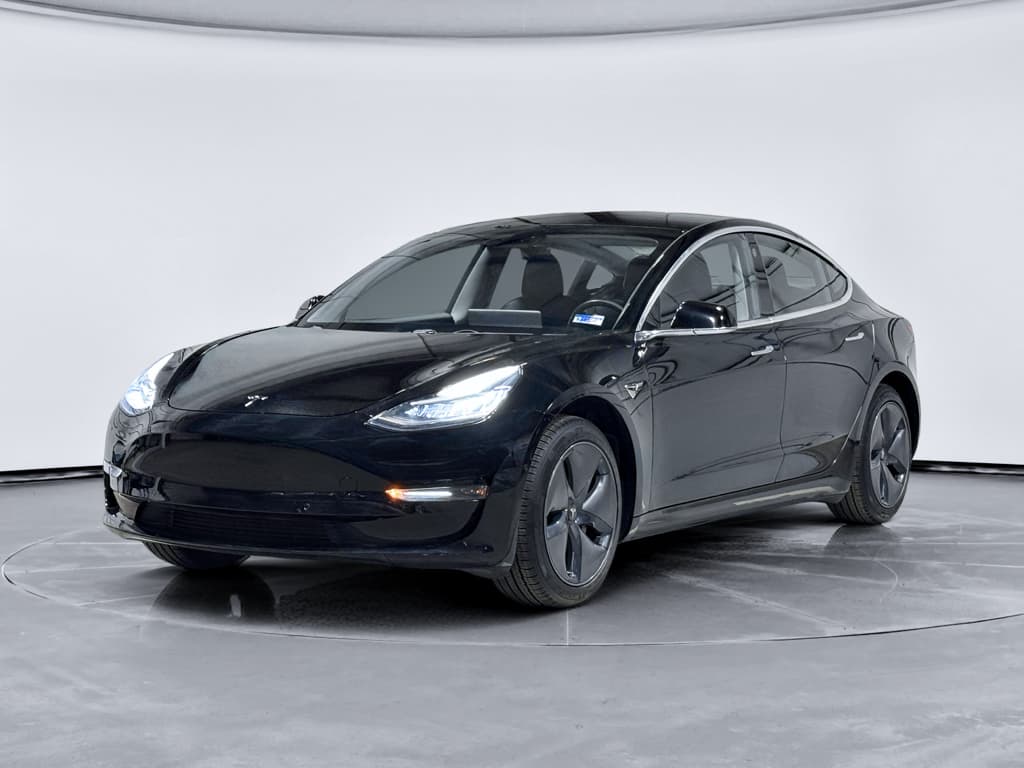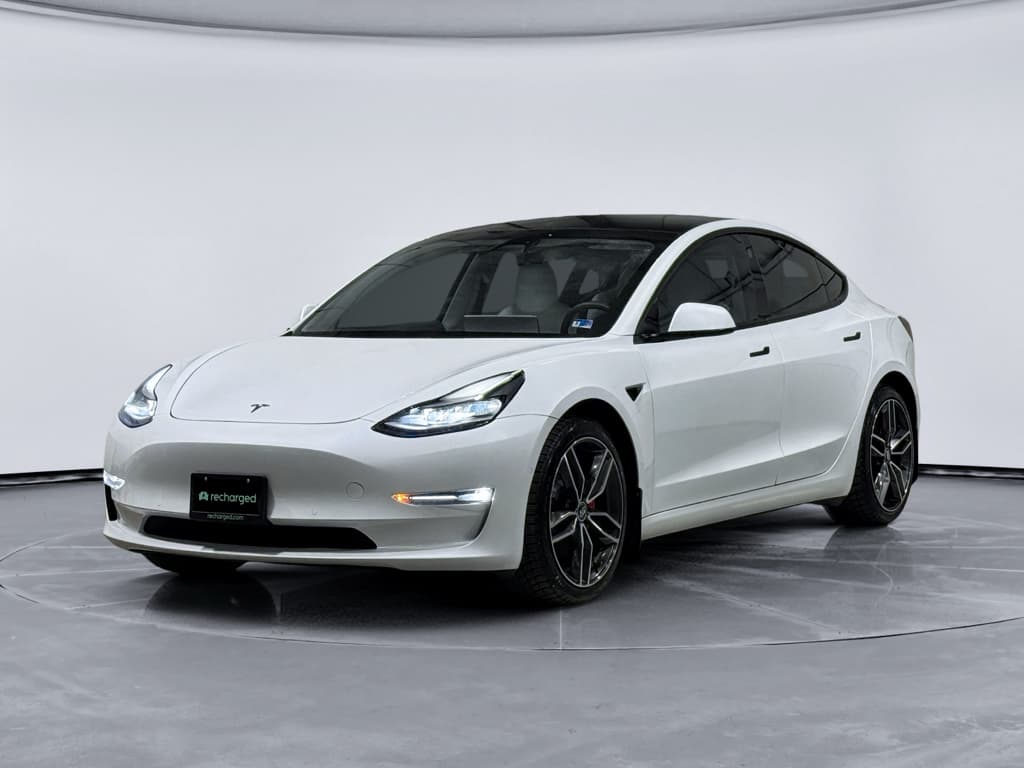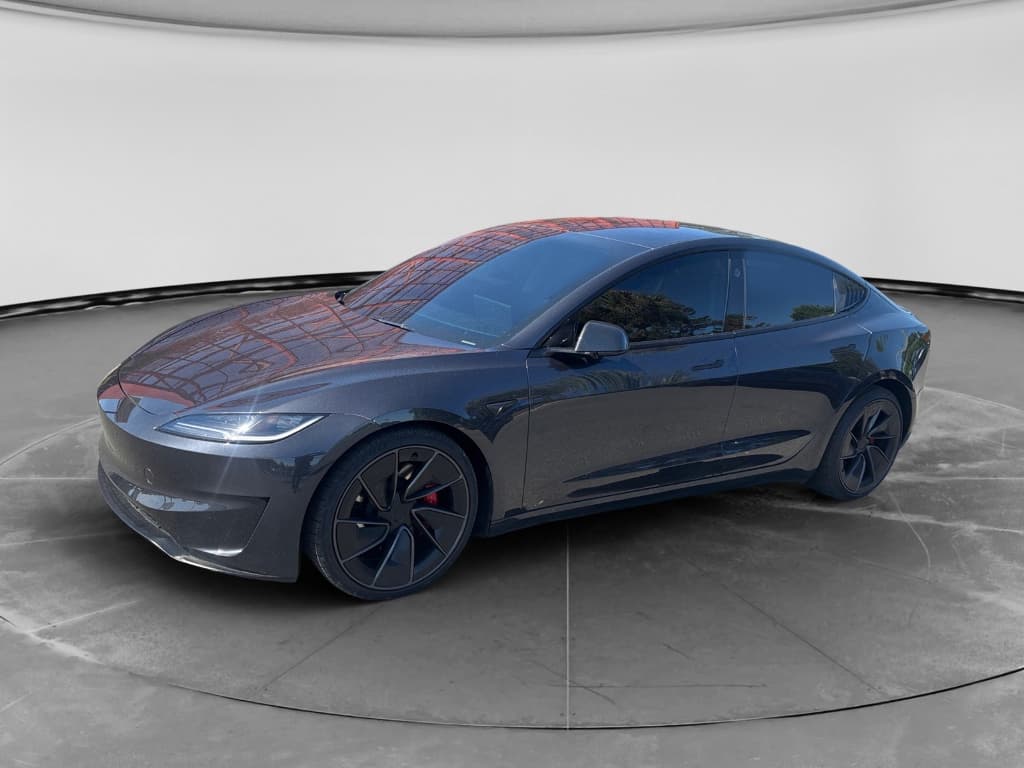
If you’re shopping for a used Tesla Model 3, you’ve probably heard warnings about certain “bad” years. The reality is more nuanced: there *are* Tesla Model 3 years you should approach carefully on the used market, but the worst year to avoid used isn’t the whole story. Build quality, software changes, and even how the previous owner drove and charged the car all matter just as much as the model year stamped on the registration.
Key takeaway
Why Tesla Model 3 model years matter for used buyers
The Tesla Model 3 has been in U.S. customers’ hands since late 2017. In those years Tesla has gone from “production hell” to mass production, overhauled the suspension and interior, changed battery chemistries, and refreshed the styling. Each phase leaves a signature in the used market: some years are notorious for panel gaps and paint quality, others for higher rates of suspension and braking defects, and others for software quirks like phantom braking.
When you’re buying used, that history shows up as higher complaint counts, more recalls, and, in markets like Germany, above-average failure rates on mandatory inspections. It doesn’t make the Model 3 a bad car, but it does mean some years demand more careful inspection and pricing discipline than others.
Tesla Model 3 problem trends in the real world
Quick answer: worst and best Tesla Model 3 years used
Best and worst used Tesla Model 3 years at a glance
Use this as a filter, then evaluate each car on its own merits.
Worst year to avoid used
2017 Tesla Model 3 is widely viewed as the worst year to buy used:
- Very low production volume and "beta" feel
- Early build quality and software issues
- Higher recall and investigation count relative to fleet size
Years to treat with caution
2018–2020 and early 2021 cars:
- Highest aggregate complaint counts and recalls
- Documented issues with phantom braking, heating failures, and suspension wear
- Paint and panel alignment concerns, especially 2018–2019
Safer bets (with inspection)
Late 2021–2024 cars:
- Improving reliability scores in owner surveys
- Fewer serious complaints per vehicle
- Updated interior and hardware
That said, a clean, well‑maintained 2018 can still beat a neglected 2022.
Model year ≠ battery health
Tesla Model 3 reliability by year at a glance
To cut through the noise, it helps to line up how different model years perform across complaints, recalls, and independent reliability ratings. Remember: raw complaint counts partly reflect how many cars were sold that year, but the pattern still matters when you’re narrowing your search.
Used Tesla Model 3 years: risk snapshot
Higher complaints and recalls don’t automatically make a car a bad buy, but they should change how carefully you inspect and how much you’re willing to pay.
| Model year | Headline verdict | Complaint/defect pattern | What to know before buying |
|---|---|---|---|
| 2017 | Avoid unless heavily discounted and documented | Very low-volume launch year with outsized number of recalls and investigations for its tiny fleet size. | Treat as an early prototype: buy only with impeccable service history, recent firmware, and a deep inspection. |
| 2018 | High caution | Highest number of owner‑reported problems in some databases; early build quality and fit‑and‑finish issues common. | Focus on panel gaps, water leaks, paint wear, and completed recall work. |
| 2019 | High caution | Strong sales year, high complaint volume; phantom braking, trim issues and suspension complaints more common. | Prioritize cars with updated suspension components and consistent tire wear. |
| 2020 | Mixed but improving | Still elevated complaints, but some reliability scores bottom out here then begin to recover; early heat pump issues on cold‑climate cars. | Check HVAC performance carefully and look for suspension clunks and alignment problems. |
| 2021 | Transitional | Reliability ratings start to tick up; still multiple recalls and known issues but build consistency improves mid‑cycle. | Later‑build 2021s (VIN and build date matter) are often less trouble‑prone than early cars. |
| 2022 | Better, not perfect | Complaints and recalls remain, but owner‑reported reliability and satisfaction improve versus 2018–2020. | Good balance of price and updates if you confirm software, suspension and brake condition. |
| 2023–2024 | Best so far | Highest reliability scores in some surveys, fewer recalls and complaints per vehicle; updated styling on refreshed cars. | Still inspect brakes, suspension and tires, German TÜV data shows Model 3 can wear these faster than average. |
| 2025–2026 | Too early to call | Limited long‑term data; some 2025–build cars are already subject to a high‑voltage battery recall for sudden power loss. | If you’re buying nearly new, check recall status and treat price more like a new car decision. |
Use this as a directional guide, not an absolute ranking.
Common Tesla Model 3 issues by era
2017–2019: Launch and ramp‑up years
These years coincide with Tesla’s so‑called “production hell.” The mechanical and electrical fundamentals of the Model 3 were strong, but quality control and service capacity were stretched.
- Build quality: Panel gaps, misaligned doors, loose trim and occasional water leaks.
- Paint durability: Thin paint and poor protection on rocker panels and rear quarters, especially in snowbelt cars.
- Service & software: Higher recall count and more software‑tuned issues like phantom braking and Autopilot quirks.
If you’re looking at a 2017–2019 car, prioritize long‑term owners who have already addressed these problems under warranty.
2020–2022: Volume phase and hardware tweaks
By 2020, the Model 3 is mainstream, but new issues emerge as the fleet ages and mileage climbs.
- Phantom braking & driver‑assist: Sudden, unnecessary braking events still show up in complaints, especially on highways with Autopilot engaged.
- Suspension & brakes: TÜV data from Germany and U.S. complaints both highlight above‑average wear or defects in suspension components and braking hardware.
- HVAC and heat pumps: On cold‑climate cars, failures can leave owners without heat, a serious issue in winter.
Many of these are fixable, but they change the math on what counts as a fair price.
From 2023 onward, owner surveys and complaint data show a meaningful improvement. Recalls still happen, and will continue to, given Tesla’s software‑heavy approach, but fewer Model 3s are failing first inspections with serious mechanical defects, and build consistency is better than during the early‑ramp years.
Recalls, complaints, and how much to worry
If you focus only on recall counts and complaint databases, the Model 3 can look scary. Multiple sources show 2018–2021 cars with double‑digit recalls and hundreds of complaints per model year, and TÜV’s 2025 report puts the Model 3 at the bottom of its reliability rankings for 2–5‑year‑old cars, largely due to suspension, brake, and lighting defects.
Software vs. hardware recalls
On the flip side, battery‑pack failure data remains reassuringly low. Independent analyses of Tesla battery packs suggest complete pack failures stay well under 1% per production year, with most failures happening early in life and handled under warranty. Range loss from degradation is more common than outright failure, and that’s very sensitive to how the previous owner drove and charged the car.
Watch for high‑voltage recalls on newer cars
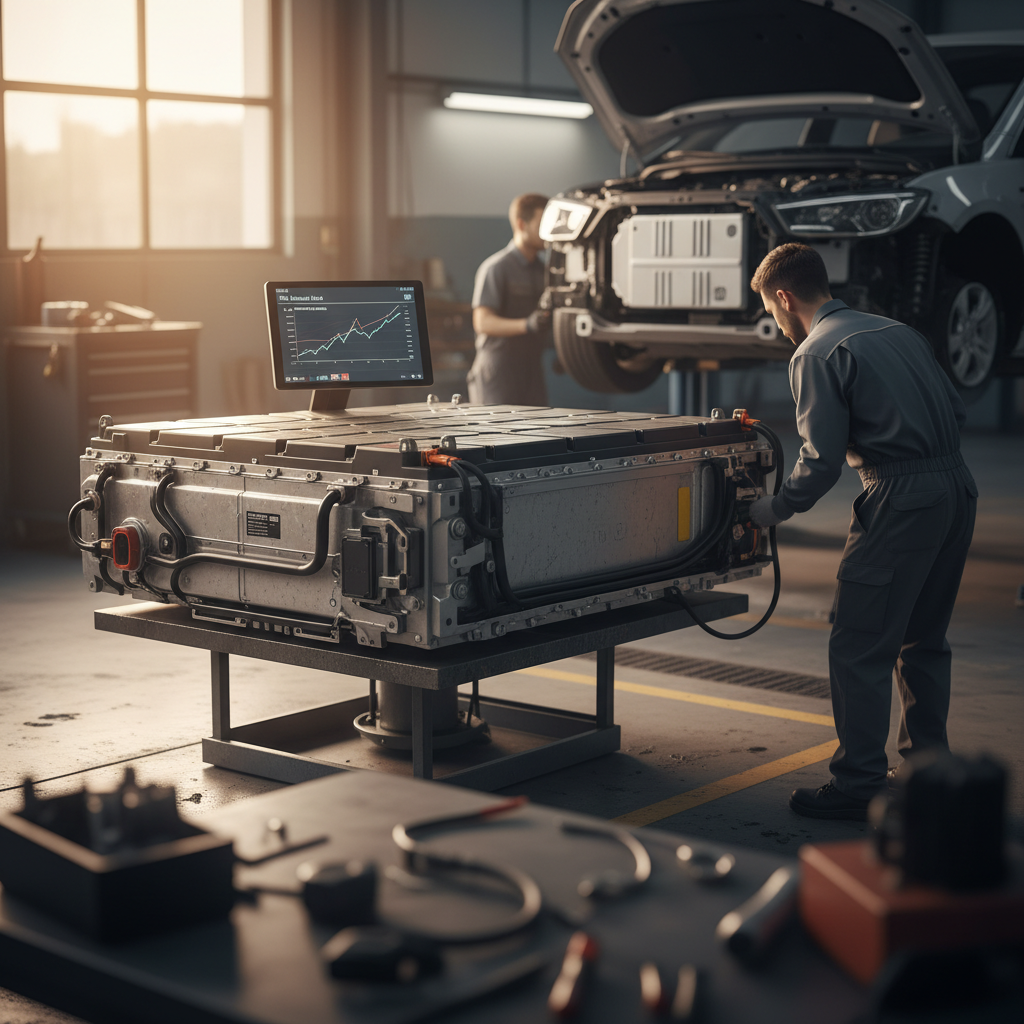
Battery health: more important than model year
The biggest lever on used EV value is battery health. The good news for Model 3 shoppers is that Tesla’s packs have aged relatively well overall: catastrophic failures are rare, and many high‑mileage Model 3s retain 80–90% of their original capacity. But there’s plenty of variation based on climate, charging habits, and use case.
- Cars that lived on DC fast charging and high‑speed road trips will usually show more degradation than ones that mostly charged at home on Level 2.
- Hot‑climate cars tend to age packs faster than those in milder regions, even with active thermal management.
- Ride‑hail, delivery, and fleet cars can rack up far more cycles in a short time than private owners.
- Tesla’s software‑estimated range can be optimistic or jumpy, so you want more than just the number on the dash.
How Recharged helps on battery health
Ready to find your next EV?
Browse VehiclesUsed Tesla Model 3 inspection checklist
Once you’ve decided which years you’re open to, your next job is to filter out the rough examples. Use this checklist to focus on the problem areas that show up most often on the Model 3, especially in those high‑risk years.
Targeted used Tesla Model 3 inspection checklist
1. Panel gaps, glass, and water leaks
Walk the car and look closely at gaps around doors, trunk, and glass roof. Uneven spacing, chipping paint along edges, or evidence of water intrusion in the trunk and rear seats is more common on 2017–2019 cars and any Model 3 that’s seen bodywork.
2. Paint and corrosion hot spots
On 2018–2021 cars especially, inspect rocker panels, rear quarter panels, wheel arches, and the lower doors for chips, bubbling, or thin paint. Snowbelt cars may show early corrosion in these zones. Budget for paint‑protection film or touch‑up work if you see heavy sandblasting.
3. Suspension, tires, and alignment
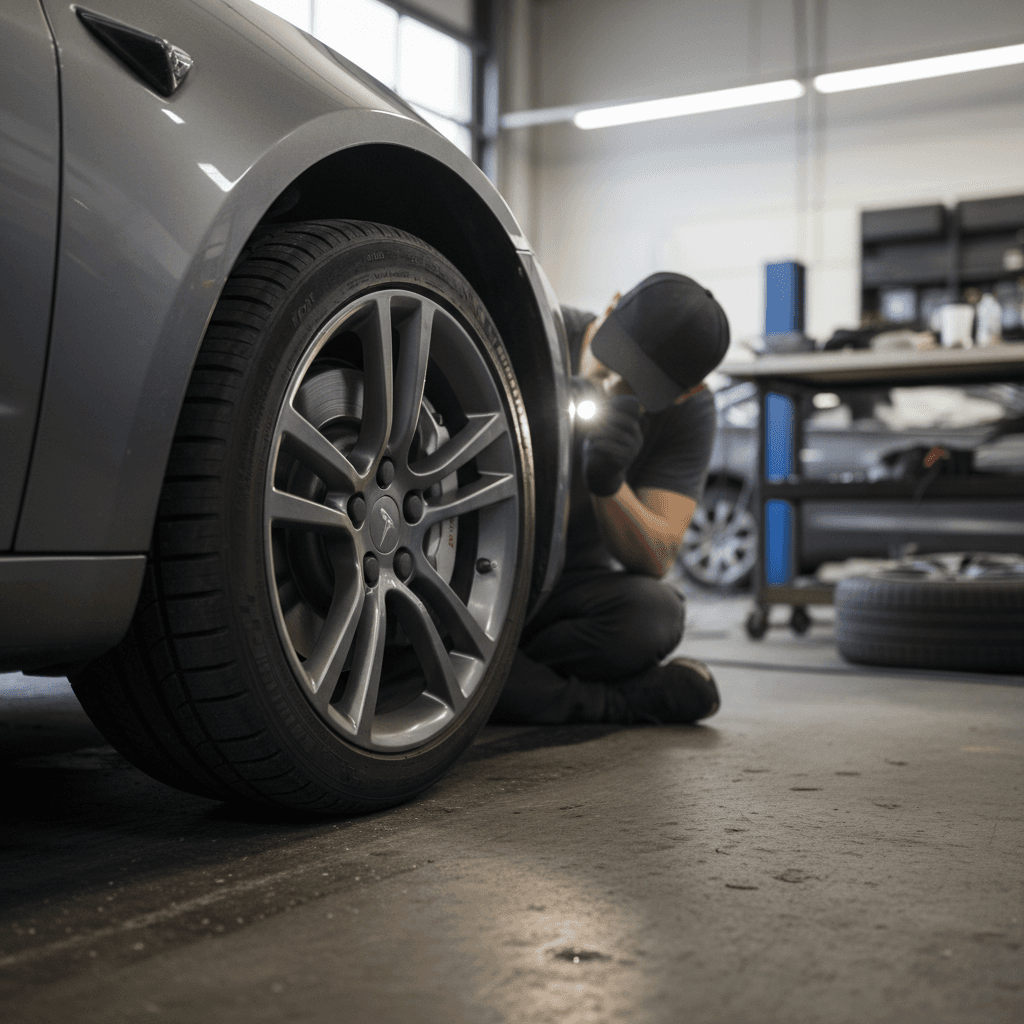
Because TÜV and complaint data both flag suspension and brakes, drive over rough roads and listen for clunks or knocks. Check tire wear: cupping or uneven wear can signal tired control arms, bushings, or chronic misalignment.
4. Brakes and parking brake behavior
Even if pads last a long time on EVs, stuck calipers and parking brake issues aren’t rare on Model 3s. After a drive, check for one wheel running noticeably hotter and for any grinding or squealing at low speeds.
5. HVAC and defrost performance
On 2020+ cars with heat pumps, verify strong cabin heat and quick windshield defrost on a cold start. Repeated complaints about heating failures in cold climates make this a must‑test item before you sign anything.
6. Driver‑assist and phantom braking
On a test drive, try Autopilot or traffic‑aware cruise in light traffic. Occasional cautious slowdowns are normal, but repeated hard braking for phantom obstacles is a red flag, especially if the previous owner reports it hasn’t improved with software updates.
7. Battery and charging behavior
Check displayed full‑charge range against the original EPA rating for that trim, review any available charging history, and if possible run an independent battery health report. Confirm the car will charge normally on both Level 2 and DC fast charging.
8. Software, connectivity, and options
Confirm the car has the features advertised (Premium Connectivity, Autopilot or FSD transfer, heated steering wheel on newer builds, etc.). Tesla can and does change feature entitlements over time, especially if ownership transferred through auctions or fleets.
Pricing, value, and sweet spots by model year
The right price can turn a “year to avoid” into a smart value, or make a good year a bad deal. As of early 2026, used Model 3 prices cluster roughly like this in many U.S. markets, though local conditions and mileage matter a lot more than in the ICE world.
Budget plays: 2018–2020
These cars usually represent the lowest entry price into a used Model 3. That’s not an accident, buyers and lenders are discounting for higher complaint volume and perceived risk.
- Expect more miles and more cosmetic wear.
- Heavier scrutiny needed on suspension, brakes, and paint.
- Best for buyers who can tolerate some tinkering and who prioritize price over latest tech.
If a 2018–2020 passes a thorough inspection and comes with strong service documentation, it can still be a perfectly rational choice, especially as a commuter where range needs are modest.
Sweet spot: late 2021–2023
For many shoppers, late‑2021 through 2023 is the value sweet spot:
- Meaningful improvements in reliability scores and recall counts.
- Updated interior, more mature driver‑assist tuning, and fewer glaring quality issues.
- Still young enough that battery degradation is usually modest, especially on lower‑mileage cars.
You’ll pay more than for a 2018, but you may save in downtime, hassle, and long‑term wear‑item costs.
Leverage data‑driven pricing
When a “bad” year can still be a smart buy
Labels like “worst year to avoid used” make for great headlines, but real‑world deals are messier. There are 2018 Model 3s that have lived gentle lives in mild climates, had every recall done the moment it was released, and glide through independent inspections. There are also 2023 cars that have led hard lives in rideshare duty and already show accelerated wear.
- A discounted 2018–2020 with documented suspension, brake, and HVAC refreshes can be a better buy than a lightly discounted 2022 with no history.
- A high‑mileage 2019 that spent its life on highway commuting with mostly home charging can age better than a low‑mileage city car fed a diet of DC fast charging.
- Early build years are often owned by enthusiasts who stay on top of software, recalls, and maintenance; late‑model cars resold quickly can be more of an unknown.
Where Recharged fits in
FAQ: Tesla Model 3 worst years and buying used
Frequently asked questions
If you’re trying to avoid the worst year for a used Tesla Model 3, treat 2017 as a hard pass unless you’re getting a steep discount and iron‑clad documentation, and approach 2018–2020 with your eyes wide open. But don’t stop there. In an EV, year, mileage, and battery health intersect in ways that traditional gas‑car rules of thumb don’t fully capture. The smartest move is to narrow your search to the stronger years, late 2021 onward if your budget allows, then use data and EV‑specific inspections to separate the good cars from the costly ones. That’s exactly the gap Recharged was built to close, so you can buy the right Model 3 for how you drive, not just the right model year on paper.