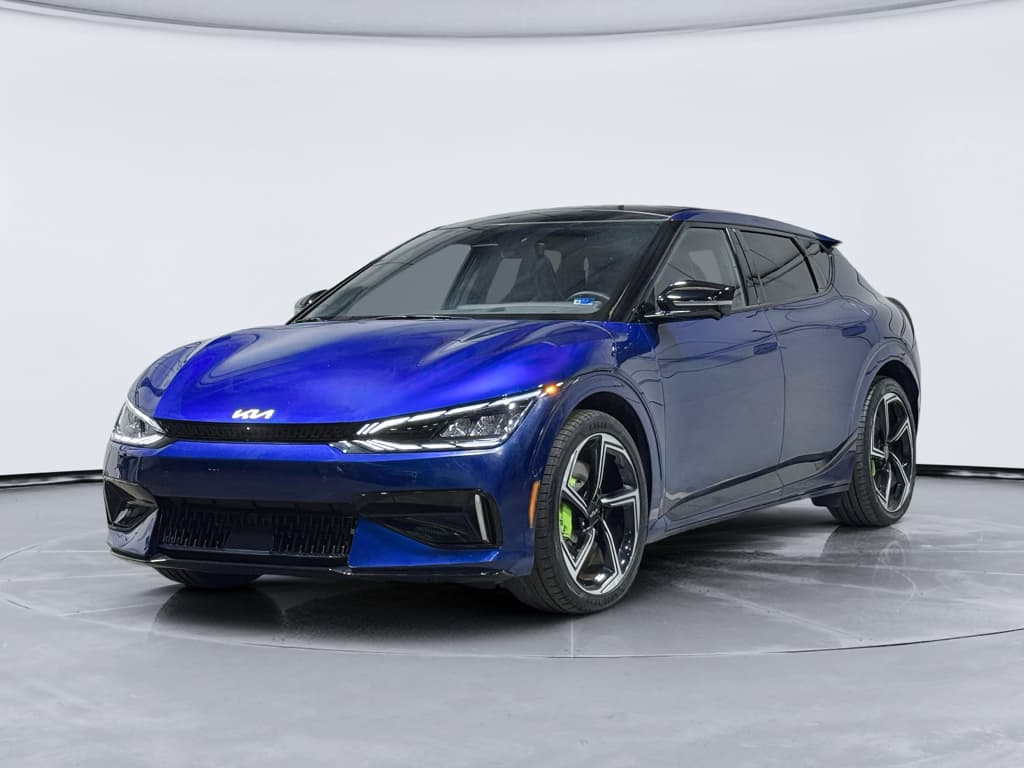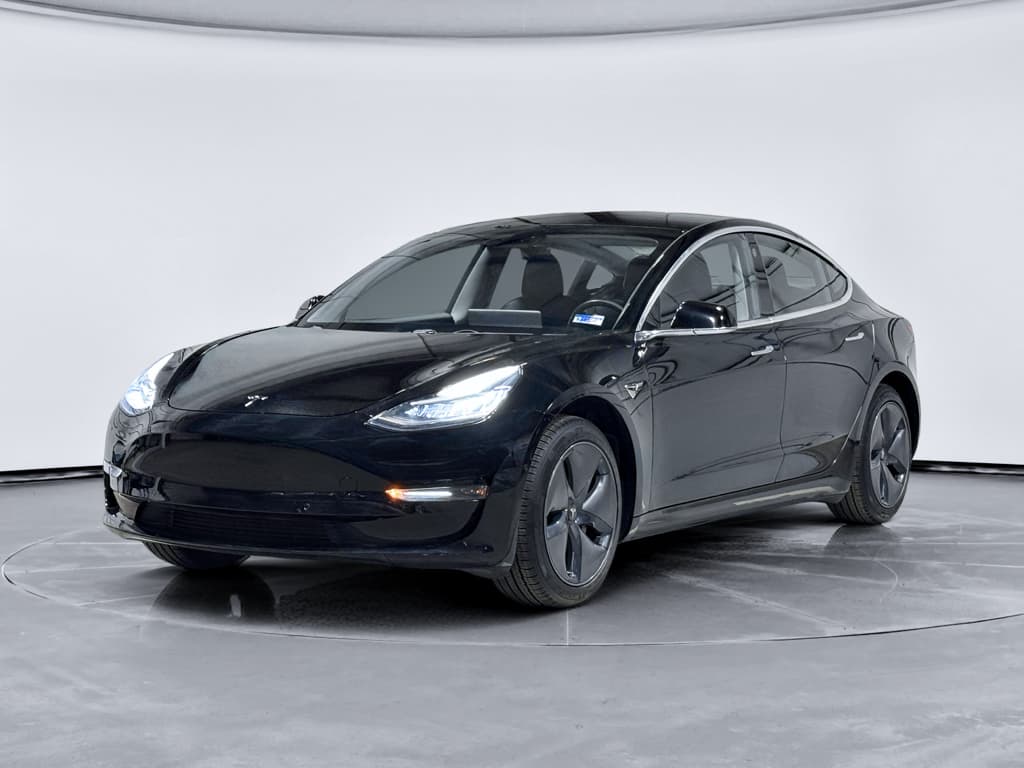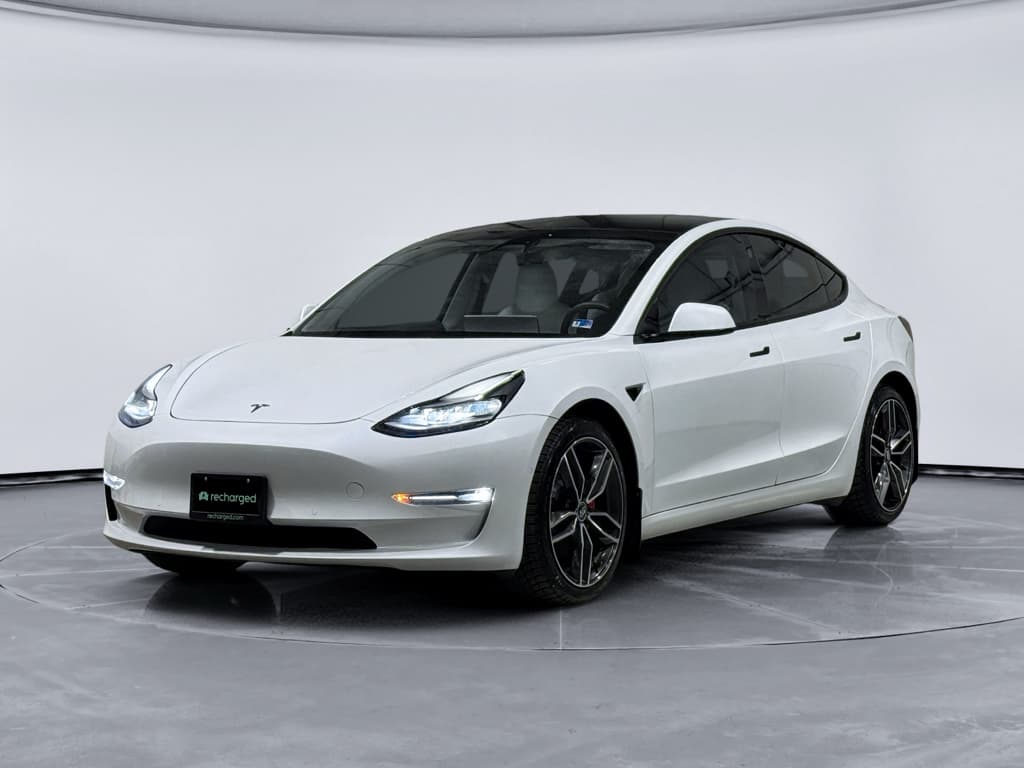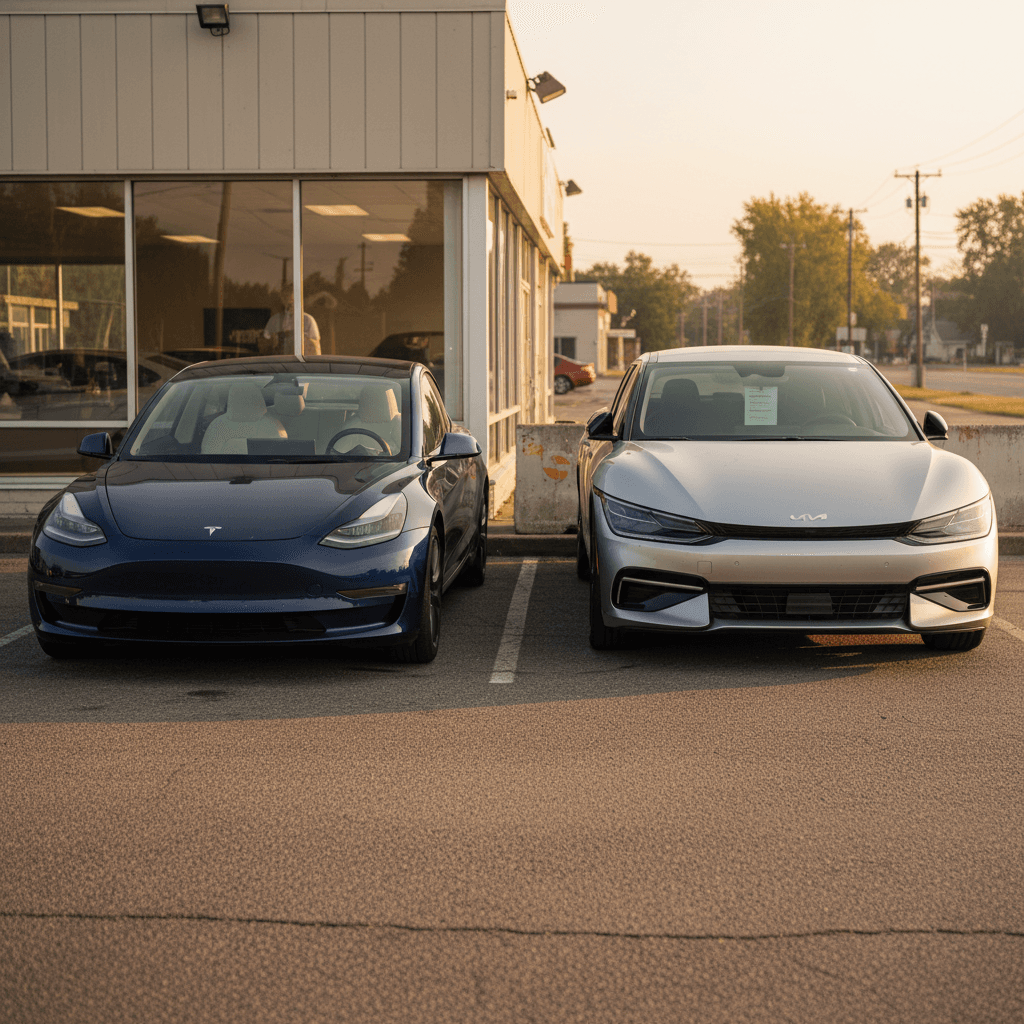
You could spend all weekend reading spec sheets, or you can admit the obvious: a used Tesla Model 3 and a used Kia EV6 are aimed at different kinds of drivers. If you are asking “Tesla Model 3 vs Kia EV6 – which to buy used?”, you are really asking what kind of EV owner you want to be for the next five to ten years.
Sedan vs crossover, cult vs comfort
Overview: Used Model 3 vs Used EV6
Tesla Model 3 (used)
- Body style: Compact sedan
- Strengths: Efficiency, Supercharger access, minimalist tech, strong resale
- Weak spots: Firm ride, sparse interior, variable build quality, service delays in some regions
- Best for: Commuters, road‑trippers who prioritize range and the Tesla ecosystem
Kia EV6 (used)
- Body style: Compact crossover
- Strengths: Big cabin, ultra‑fast DC charging, comfortable ride, traditional controls
- Weak spots: Less efficient than Tesla, non‑Tesla charging networks can be hit-or-miss
- Best for: Families, taller drivers, buyers who want comfort and space without going full SUV
Core specs snapshot (typical U.S. trims)
Quick take: which used EV fits you?
Tesla Model 3 vs Kia EV6: who should buy which used?
Match the car to the life you actually live, not the one in car commercials.
Buy a used Tesla Model 3 if…
- You drive lots of highway miles and want maximum efficiency and range.
- You value access to Tesla’s Supercharger network on day one.
- You prefer a sporty, low seating position and sharp handling over cargo space.
- You like frequent software updates and are comfortable with a screen‑centric interior.
- Your family situation fits a sedan: smaller kids, no giant dogs, reasonable luggage.
Buy a used Kia EV6 if…
- You want a crossover seating position with easier ingress/egress.
- Your life involves strollers, sports gear or dogs and you need the hatchback.
- You road‑trip but live near reliable CCS / future NACS fast chargers.
- You prefer physical buttons and knobs for climate and audio.
- Having a local Kia dealer for service matters more than app‑based everything.
What Recharged customers tend to choose
Ready to find your next EV?
Browse VehiclesDriving experience and comfort
Ride and handling
Tesla Model 3: sharp but sometimes harsh
The Model 3, especially on 18‑inch wheels, feels light and eager. Steering is quick, body motions are well checked, and even base cars have instant, satisfying punch. On the flip side, ride quality can be firm, bordering on brittle over broken pavement. If most of your driving is on smooth suburban tarmac, you will love it; if you live where winter destroys roads, you will notice the stiffness every day.
Kia EV6: grand-tourer crossover
The EV6 trades some of the Tesla’s knife‑edge steering for a calmer, more relaxed demeanor. The suspension is tuned more like a European crossover: supple, controlled, but not floaty. You sit higher, with a better view out, and the car feels planted and confident on long highway runs. GT‑Line and GT trims bring real performance, but even base models feel more comfortable than most Model 3s over rough surfaces.
Interior, space and ergonomics
- Tesla Model 3: Minimalist to a fault. Almost everything routes through the central touchscreen: wiper settings, vent direction, even the glovebox. Front seats are comfortable for most, but the low seating position and sloping roof can make the back seat feel tight for tall adults. Trunk plus a small frunk provide decent cargo, but it is still a sedan opening.
- Kia EV6: Feels like a slightly futuristic family car. You get a proper instrument cluster, a central screen, and a bank of useful buttons and knobs. The rear seat is far roomier, with better headroom and foot space. The hatchback opening and fold‑flat rear seats make the EV6 genuinely practical for road trips, Costco hauls and gear‑heavy hobbies.
If you’re tall or have car seats…
Range, battery and charging in the real world
Battery sizes and typical used‑market trims
Common U.S. trims you’ll see used
Exact specs vary by model year; this table reflects the mainstream configurations most shoppers encounter on the used market.
| Model | Typical battery (gross) | Drivetrain | EPA range when new |
|---|---|---|---|
| Tesla Model 3 RWD (LFP or SR+) | ≈57–60 kWh | RWD | 240–272 miles |
| Tesla Model 3 Long Range | ≈75–82 kWh | AWD | 310–358 miles |
| Tesla Model 3 Performance | ≈75–82 kWh | AWD | 299–315 miles |
| Kia EV6 Standard Range | 58.0 kWh | RWD | ≈220 miles |
| Kia EV6 Long Range RWD | 77.4 kWh | RWD | ≈303–310 miles |
| Kia EV6 Long Range AWD / GT-Line | 77.4 kWh | AWD | ≈252–282 miles |
Always verify the exact trim, battery and drivetrain on any used EV before you buy.
Used reality check on range
Charging speed and road‑trip friendliness
Charging: Tesla network vs Kia hardware
The Model 3 wins on charging network today; the EV6 is a monster on the right fast charger.
Tesla Model 3 charging
- AC charging: 7.7–11.5 kW onboard charger, great for overnight Level 2 at home.
- DC fast charging: Many trims can peak around 170–250 kW on V3 Superchargers.
- Network: Tesla’s Supercharger network remains the most reliable long‑distance option across much of the U.S.
- Non‑Tesla fast charging: Newer Model 3s can use some CCS sites via adapters, but the Supercharger network is your main asset.
Kia EV6 charging
- AC charging: 10.9–11 kW onboard charger; a full recharge on a 77.4 kWh pack typically takes a bit over 7 hours on a solid Level 2.
- DC fast charging: 800‑V architecture enables 10–80% in around 18–20 minutes on a strong 240–350 kW charger.
- Network: Uses CCS (and, on newer examples, NACS) so you’re relying on third‑party networks like Electrify America, EVgo, and others.
- Real‑world: When you find a healthy high‑power station, the EV6 can actually spend less time charging than a Model 3 between stops.
Location matters for charging
Tech, safety and ownership extras
Infotainment and driver‑assist
Tesla’s software machine
Tesla basically ships a smartphone on wheels. You get frequent over‑the‑air updates, slick navigation with Supercharger routing, and one of the industry’s better voice‑control systems. Autopilot (standard) offers lane centering and adaptive cruise; some used cars will have the pricey "Full Self‑Driving" package enabled, but you should treat that as driver‑assist, not autonomy.
Kia’s balanced approach
The EV6 uses a more conventional layout: a digital cluster plus a central screen, wired and wireless smartphone integration on many trims, and a suite of ADAS features such as adaptive cruise, lane‑keeping assist and blind‑spot monitoring. Kia’s UI is less flashy than Tesla’s but often easier to live with for new EV drivers thanks to physical controls and straightforward menus.
Safety ratings
Both cars are fundamentally safe, with strong crash‑test performances and extensive active‑safety features. The Model 3 has been a darling of safety agencies for years, and the EV6 follows the modern Hyundai‑Kia template of packing in standard safety tech. For a used buyer, the bigger question is whether prior owners kept software updated and whether any safety recalls have been addressed. That is where a VIN‑specific history plus a professional inspection are more important than hair‑splitting between five‑star ratings.
Costs, depreciation and value as used EVs
Purchase price and depreciation patterns
Tesla Model 3s have been on the U.S. market since 2017, so the used pool is deep. That keeps prices competitive, but the car still commands a premium versus many rivals because of efficiency and the Tesla badge. The Kia EV6 only arrived for the 2022 model year, so nearly all used examples are newer and lower mileage. You will often pay more for a similarly aged EV6 than for an older Model 3, but you may also get fresher tech and a longer remaining factory warranty window.
How Recharged handles pricing
Energy costs and efficiency
- Model 3: Among the most efficient EVs on sale. Many trims land around 240–260 Wh/mile in mixed driving. Over tens of thousands of miles, that efficiency adds up to noticeably lower electricity costs versus heavier crossovers.
- EV6: Still efficient for a crossover, but you are pushing more frontal area and weight. Real‑world consumption in the 280–320 Wh/mile range is common depending on trim and driving style. In practice, the Model 3 will usually go further on the same kWh and cost a bit less to feed.
Which is more reliable over time?
EV reliability is a tale of two worlds: the battery and drivetrain, which are generally stout, and the little things, door seals, screens, switches, paint, that determine how the car ages in daily life.
Ownership pattern: Tesla Model 3 vs Kia EV6
Both cars have strong fundamentals, but the annoyances differ.
Tesla Model 3 reliability themes
- Electric drivetrain and battery packs have generally proven durable, with modest degradation for most owners.
- Build quality on earlier years can be inconsistent: squeaks, rattles, panel gaps, worn interior trim.
- Service can require long waits in some regions because Tesla controls the entire ecosystem.
- Software bugs do happen, but they are usually resolved via over‑the‑air updates.
Kia EV6 reliability themes
- Powertrain shares DNA with Hyundai/Kia’s broader E‑GMP platform, which has so far been solid.
- Interior materials and paint quality are typically good for the segment.
- Any issues can usually be handled at regular Kia dealerships, which is comforting if you dislike app‑only service.
- Because the EV6 is newer to market, we have fewer high‑mileage examples, so long‑term data is still developing.
Battery health is the make‑or‑break
How to choose based on your lifestyle
Which used EV fits your life?
Daily commuter (mostly city / suburbs)
You rarely exceed 120 miles a day and have a driveway or garage.
Either car works, but a used <strong>Model 3 RWD</strong> offers outstanding efficiency and low running costs.
If you prefer a higher seating position or carry bulky items, a <strong>used EV6 Long Range RWD</strong> is easier to live with.
Family hauler and weekend trips
You have kids, gear and maybe a dog.
The EV6’s hatchback, rear‑seat space and easier car‑seat access make it the natural choice.
Look for <strong>Long Range AWD</strong> trims if you deal with snow or rough roads.
Road‑trip warrior
You drive interstate corridors several times a year.
If you rely on America’s backbone interstates, the <strong>Model 3 plus Superchargers</strong> is still the low‑stress solution in many regions.
If you live where CCS/NACS fast chargers are dense and reliable, an <strong>EV6 with 77.4 kWh pack</strong> can out‑sprint a Model 3 at the charger.
Tech‑curious, but not a tinkerer
You want an EV that just works, without endless menu‑digging.
Tesla’s interface is cleaner but more radical; it asks you to relearn basic controls.
The EV6 feels like a modern car with an EV powertrain, making the learning curve gentler for many first‑time EV owners.
Used-buyer checklist for Model 3 and EV6
Essential checks before you buy either car used
1. Verify battery health properly
Do not rely on a dashboard guess. Ask for a <strong>professional battery‑health report</strong> (like the Recharged Score) that uses real diagnostics to estimate remaining capacity and flag abnormal degradation.
2. Confirm fast‑charging behavior
If possible, test fast‑charge the car or review logs: Does the Model 3 reach reasonable Supercharger speeds? Does the EV6 approach its promised 10–80% in under ~25 minutes on a strong charger?
3. Inspect tires and suspension
Model 3s driven hard can chew through tires quickly; EV6s on big wheels are similar. Uneven wear or clunks over bumps could suggest alignment or suspension issues.
4. Check interior wear and build quality
Look for rattles, loose trim, worn seat bolsters and malfunctioning switches. A test drive over rough pavement will tell you more in five minutes than an hour in a parking lot.
5. Review software, recalls and warranties
Make sure all recalls are complete and software is current. On the EV6, ask how much factory warranty remains; on the Model 3, confirm what battery and drive‑unit coverage is still in effect.
6. Evaluate charging fit for your home
For both cars, confirm you can install or access a reliable Level 2 charger. If you rent or live in a condo, check whether 120‑V charging plus public infrastructure will meet your habits.
FAQ: Tesla Model 3 vs Kia EV6 used
Frequently asked questions about buying a used Model 3 or EV6
Bottom line: which should you buy used?
If you strip away the hype, a used Tesla Model 3 and a used Kia EV6 are simply two excellent answers to different questions. The Model 3 is the range king and road‑trip specialist, riding on the strength of Tesla’s charging network and efficiency. The EV6 is the do‑everything crossover that happens to be electric, built for families and real cargo in the messy middle of American life.
So if your driving pattern is long‑distance, your roads are lined with Superchargers, and you like the idea of your car updating itself while you sleep, buy the best‑cared‑for used Model 3 your budget allows. If your life is school runs, IKEA missions, weekend trips and one car to do it all, a used EV6 Long Range will quietly make more sense every single day.
Either way, do not roll the dice on the most expensive part of the car. Let a proper Recharged Score battery‑health report, fair‑market pricing and EV‑specialist guidance narrow your options to a few great candidates, then choose the one that fits your life, not the comment section.