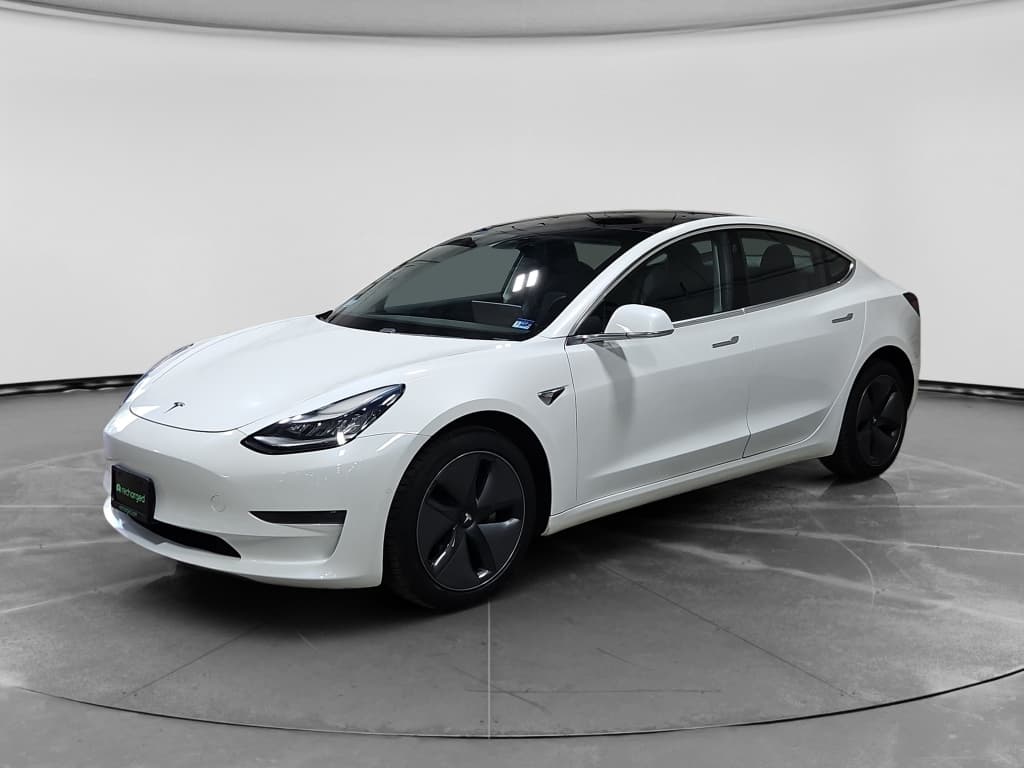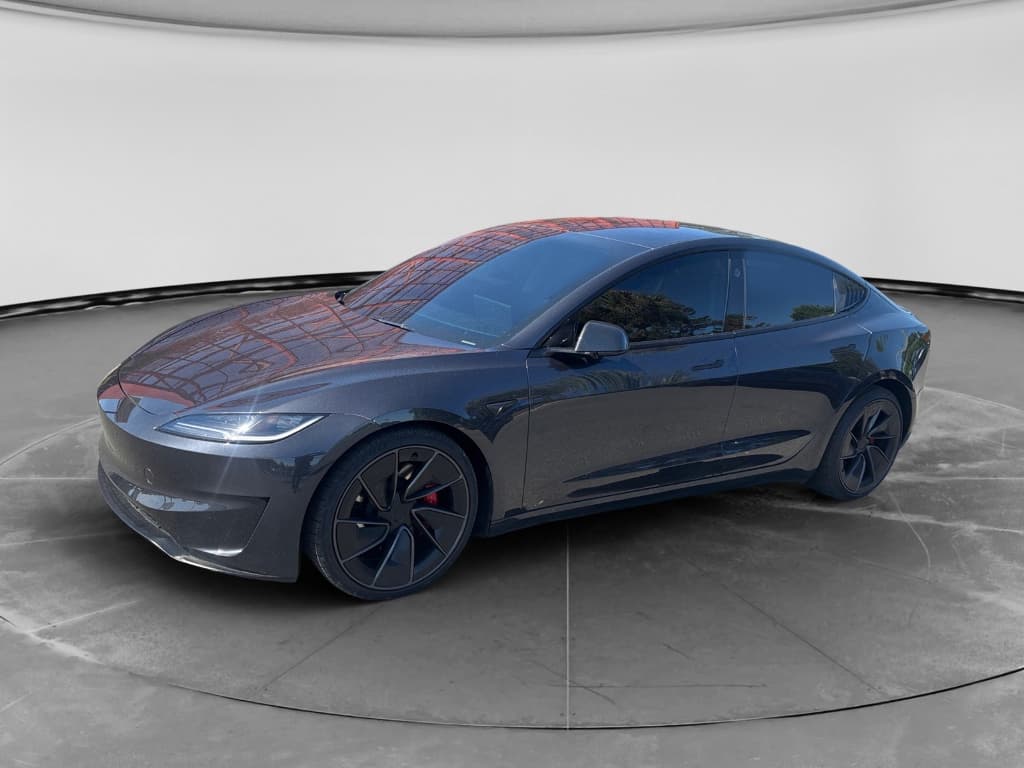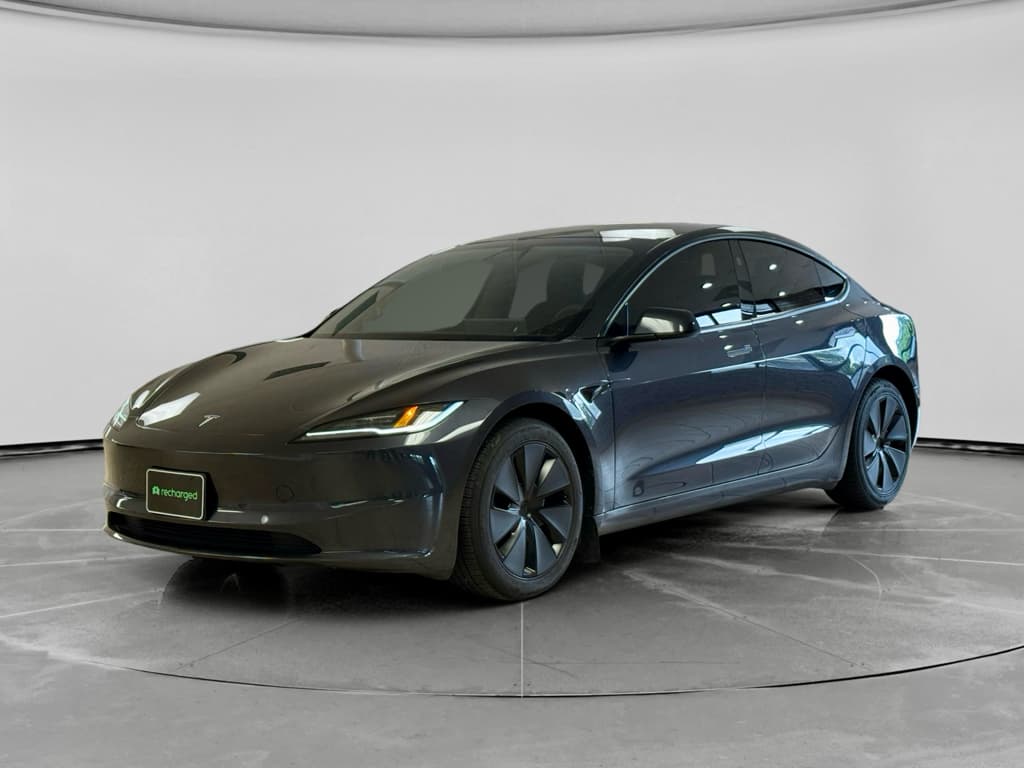
You’ve probably heard that a Tesla Model 3 is cheaper to own than a comparable gas car, but when you run the numbers for your own life, things can look a lot less clear. Upfront price, interest rates, electricity and gas prices, insurance, maintenance and resale value all matter. This guide walks through a realistic Tesla Model 3 vs gas car cost comparison using 2026 data so you can see where an EV truly saves you money and where it doesn’t.
Quick takeaway
Why a Tesla Model 3 vs Gas Car Cost Comparison Matters in 2026
In 2026, the cost gap between gasoline and electricity has narrowed a bit as electricity prices have drifted up and gas prices have come down from their 2022 highs. The U.S. average residential rate is a little over 18¢/kWh, while the average gasoline price is around $2.90 per gallon. That makes the easy EV-savings headline less dramatic than it was a few years ago, but it doesn’t erase the advantage. Instead, it shifts the conversation from hype to careful, line‑by‑line total cost of ownership.
The good news for shoppers is that the Tesla Model 3 has become a mainstream choice with a strong used market. That means you can compare it directly with well-known gas sedans like the Honda Accord, Toyota Camry, Hyundai Sonata or similar midsize models instead of treating it as a niche tech toy.
2026 Cost Landscape at a Glance
Key Assumptions for a Fair Tesla vs Gas Cost Comparison
Any honest Tesla Model 3 vs gas car cost comparison has to start with clear assumptions. Change these inputs and the answer will move, sometimes a lot. Here’s the baseline we’ll use so you can adjust from there:
- Driving: 12,000 miles per year (close to U.S. average).
- Time horizon: 5 years of ownership.
- Gasoline price: $3.00 per gallon round-number assumption (slightly above today’s ~$2.90 to leave room for fluctuation).
- Electricity price: 18¢/kWh U.S. residential average, charging mostly at home.
- EV efficiency: 28 kWh/100 miles for a Model 3 (comfortable real-world number).
- Gas efficiency: 30 mpg for a comparable midsize sedan.
- Purchase type: Financing over 72 months with a competitive used‑car APR for our example scenario.
Your numbers will vary
Purchase Price, Incentives and Financing
On sticker price alone, a new Tesla Model 3 still tends to cost more than a mainstream gas sedan. But the spread has tightened, and the used market changes the equation dramatically.
Typical 2026 Price Ranges
Approximate real-world transaction ranges in the U.S.
New Tesla Model 3
- Base trims often land in the mid-$30,000s to low-$40,000s before fees.
- Performance or long-range variants run higher.
- Eligibility for federal or state incentives depends on current rules and your tax situation.
New Gas Midsize Sedan
- Common models like Accord or Camry typically transact in the upper $20,000s to mid-$30,000s.
- Well-equipped trims narrow the gap with a base Model 3.
- Generally no federal purchase incentives, though some states offer small rebates for high-MPG or hybrid models.
Where the Model 3 really becomes interesting is in the used market. A 3–5‑year‑old Tesla Model 3 often falls into the high‑$20,000s to low‑$30,000s, right in the same ballpark as a late‑model certified pre‑owned gas sedan. That’s where many cost‑conscious buyers are shopping today.
Don’t forget EV incentives
Fuel vs Electricity: What It Really Costs to Drive
Fuel is where EVs typically shine. To keep the math simple, we’ll use the assumptions laid out earlier and walk through annual fuel cost for each.
Annual Fuel Cost: Tesla Model 3 vs Gas Sedan
Based on 12,000 miles per year, $3.00/gal gasoline, 18¢/kWh electricity
| Vehicle | Key Assumptions | Energy Use per 12,000 mi | Annual Fuel/Energy Cost |
|---|---|---|---|
| Tesla Model 3 | 28 kWh/100 mi, 18¢/kWh | 3,360 kWh | ≈ $605 |
| Gas Midsize Sedan | 30 mpg, $3.00/gal | 400 gallons | ≈ $1,200 |
These are illustrative averages. Your actual costs depend on local prices, driving style and how much fast charging you use.
Under these assumptions, the Model 3 saves you about $600 per year on energy alone. Drive more than 12,000 miles, pay higher local gas prices, or charge at off‑peak electric rates and that annual advantage can grow. Lean heavily on expensive DC fast charging or live in a very high‑rate electricity state and the gap can shrink.
Fast charging caveat
Maintenance and Repairs: Where EVs Usually Win
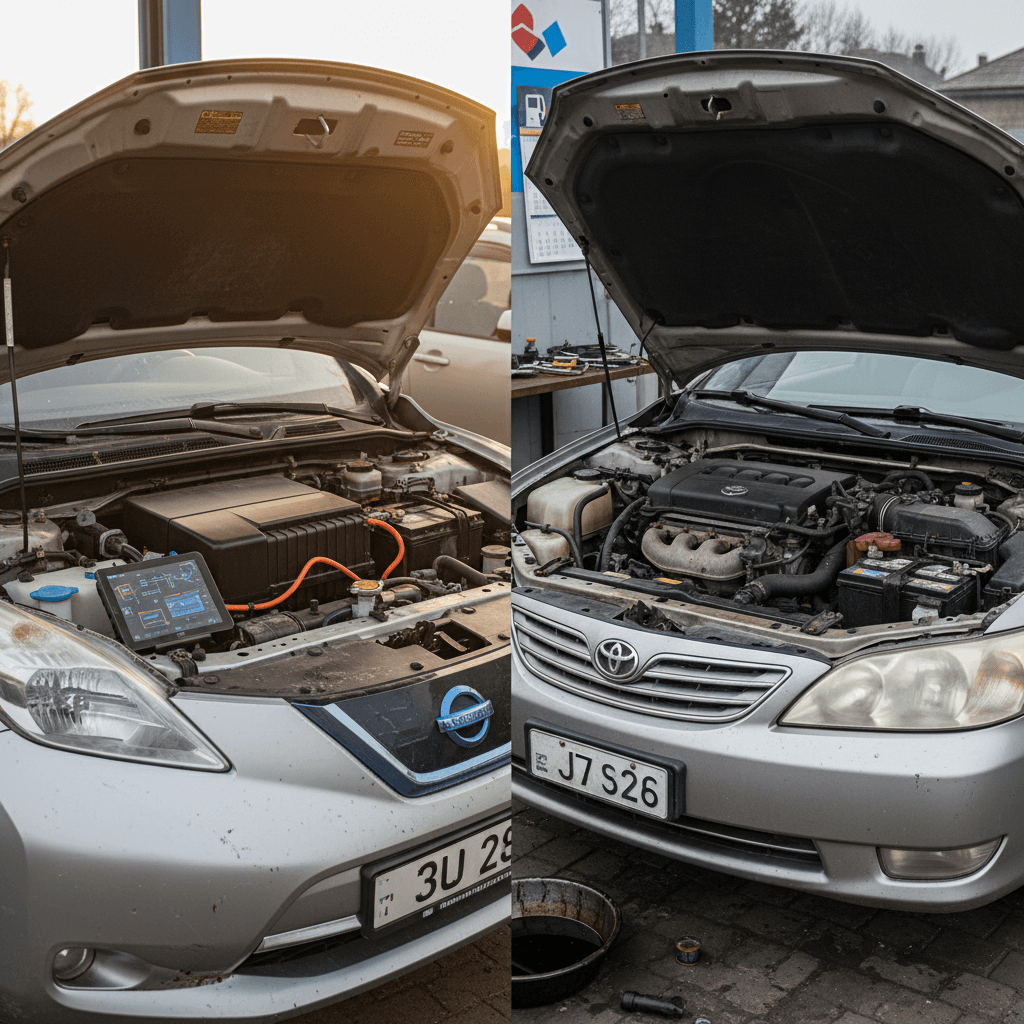
A big part of the Tesla Model 3 vs gas car cost comparison is what you don’t see on the window sticker, ongoing service. Electric vehicles have far fewer moving parts than internal-combustion cars and no engine oil, spark plugs, exhaust system or complex multi‑gear transmission to maintain.
Typical Maintenance Needs: EV vs Gas
5‑year ownership, 60,000 miles example
Tesla Model 3
- No oil changes.
- Far less brake wear thanks to regenerative braking.
- Cabin air filters, tire rotations, brake fluid checks, alignment.
- Occasional software‑related or hardware warranty repairs depending on age.
Gas Midsize Sedan
- Oil and filter changes every 5,000–10,000 miles.
- Transmission fluid service, air and fuel filters.
- Spark plugs, belts, occasionally exhaust components.
- More frequent brake service.
In practice, many EV owners report hundreds of dollars per year in lower maintenance and repair costs versus similar gas vehicles, especially once the factory warranty period has passed. Over five years, it’s reasonable to expect a Model 3 to save roughly $1,000–$1,500 in routine maintenance versus a comparable gas sedan, assuming both are well‑cared‑for and not involved in major accidents.
EV repair reality check
Insurance, Taxes and Fees
Insurance for a Tesla Model 3 can run higher than for a mainstream gas sedan because of repair costs and parts pricing. On the other hand, some insurers offer EV or advanced‑safety‑feature discounts that can help narrow the gap.
- Insurance: Expect the Model 3 to be moderately more expensive to insure than, say, an Accord or Camry with similar driver profiles, though the difference varies widely by state and carrier.
- Registration and taxes: Some states add EV‑specific registration fees, while others reduce or waive certain taxes to encourage adoption. Gas vehicles may face none of those EV fees but also don’t receive EV incentives.
- Tolls and perks: Select regions offer EV‑only HOV lane access or discounted tolls, which won’t show up in your TCO spreadsheet but can save both time and money.
Think in totals, not line items
Depreciation and Resale Value
Depreciation, the silent cost most people ignore, can easily be the biggest single expense of vehicle ownership. Here the story has evolved. Early Teslas enjoyed extremely strong resale values; more recent years have seen EV prices soften as more models hit the market and new-vehicle prices adjusted. Gas sedans continue to depreciate steadily but predictably.
Tesla Model 3
- Historically strong demand in the used market.
- Recent price volatility as more EVs and price cuts enter the market.
- Battery health and warranty status have a major impact on value.
Gas Midsize Sedan
- Well-understood depreciation curves.
- Less sensitive to technology changes.
- Heavily influenced by fleet sales and incentives.
Over a 5‑year span, it’s reasonable to expect both vehicles to lose a similar percentage of their original value, but the Tesla’s future resale will be more sensitive to battery health, software features and charging‑standard changes than the gas car’s.
5‑Year Total Cost Example: Tesla Model 3 vs Gas Sedan
Let’s put it all together with a simple, realistic 5‑year ownership scenario using used vehicles, where many shoppers get the best balance of price and remaining life.
Illustrative 5‑Year Cost of Ownership
Approximate totals for a used Tesla Model 3 vs used midsize gas sedan, both bought around $30,000.
| Cost Category (5 years) | Used Tesla Model 3 | Used Gas Midsize Sedan | Notes |
|---|---|---|---|
| Purchase price & financing | Similar monthly payment on ~$30,000 purchase | Similar monthly payment on ~$30,000 purchase | Assumes similar interest rate and loan term. |
| Fuel / electricity | ≈ $3,000 | ≈ $6,000 | Using $600/year for EV vs $1,200/year for gas. |
| Routine maintenance | ≈ $1,500 | ≈ $2,500 | Fewer fluids and brake jobs for the EV. |
| Insurance | ≈ $7,000 | ≈ $6,000 | Model 3 slightly higher on average. |
| Repairs (out of warranty) | Highly variable; assume ≈ $2,000 | Highly variable; assume ≈ $2,000 | No major accidents or catastrophic failures. |
| Depreciation | Both lose perhaps $10,000–$12,000 in market value | Similar dollar range over 5 years | Highly dependent on starting mileage and market conditions. |
These numbers are directional, not promises. Always run the math with your own quotes and local energy prices.
In this example, the Tesla Model 3 roughly saves $3,000 on energy and maintenance The used market is where the Tesla Model 3 vs gas car cost comparison gets especially interesting. When both cars cost roughly the same to buy, the EV’s lower running costs stand out more clearly. Battery condition is central to a used Tesla’s value. A strong pack means solid range and better resale. A weak one can undermine the whole equation. Heavy fast‑charging use can accelerate battery wear and add cost if you plan to rely on paid DC fast charging yourself. For gas cars, look for proof of regular oil changes, transmission service and coolant. For Teslas, look for tire rotation, brake inspections and software‑related service records. Battery and drivetrain warranties can extend long past basic coverage on a Tesla. On a used gas car, powertrain coverage may already be gone. If you can charge at home or work, the Model 3’s fuel savings are easier to realize. If you rely heavily on public fast charging, run those numbers carefully. A Tesla Model 3 doesn’t automatically beat every gas car for every driver. But certain use cases tilt strongly in its favor, and others lean toward sticking with gasoline. Comparing a Tesla Model 3 vs a gas car on cost can feel like a spreadsheet marathon. That’s exactly where a specialist marketplace like Recharged can help. Beyond listings: tools and support to understand true ownership costs Ready to find your next EV? If you’re cross‑shopping a used Model 3 against a gas sedan, you can use Recharged’s pricing transparency and battery data to estimate your real monthly cost, loan payment plus energy, maintenance and insurance, before you ever set foot in a showroom. When you put real numbers to the question, a Tesla Model 3 often edges out a comparable gas sedan on total ownership cost, especially for drivers who rack up miles and can charge at home. But the advantage isn’t automatic or universal. It depends on your driving habits, local energy prices, insurance quotes and how long you plan to keep the car. If you’re ready to run the numbers on an actual vehicle, a used Model 3 with a verified battery and transparent pricing from Recharged can give you a clear, confident path into EV ownership.Where the Model 3 pulls ahead

Used Tesla Model 3 vs Used Gas Sedan
Key Questions When Comparing a Used Model 3 to a Used Gas Sedan
1. What’s the real battery health?
2. How was the car charged?
3. What maintenance has been done?
4. What’s still under warranty?
5. How does each car fit your commute?
Where Recharged comes in
Who Benefits Most From a Tesla Model 3?
Great candidates for a Model 3
When a gas car might make more sense
How Recharged Helps You Run the Numbers
What Recharged Brings to Your Tesla vs Gas Decision
Battery‑health transparency
Financing tailored to EVs
Nationwide, digital-first buying
Frequently Asked Questions: Tesla Model 3 vs Gas Car Costs
Common Questions About Tesla vs Gas Costs