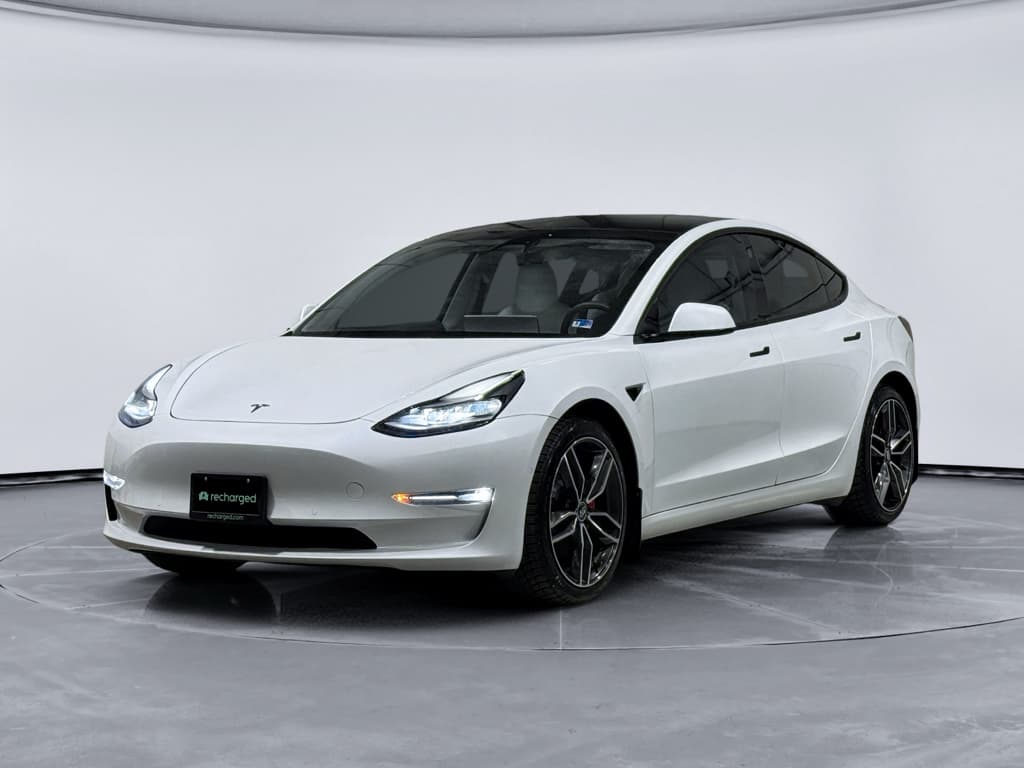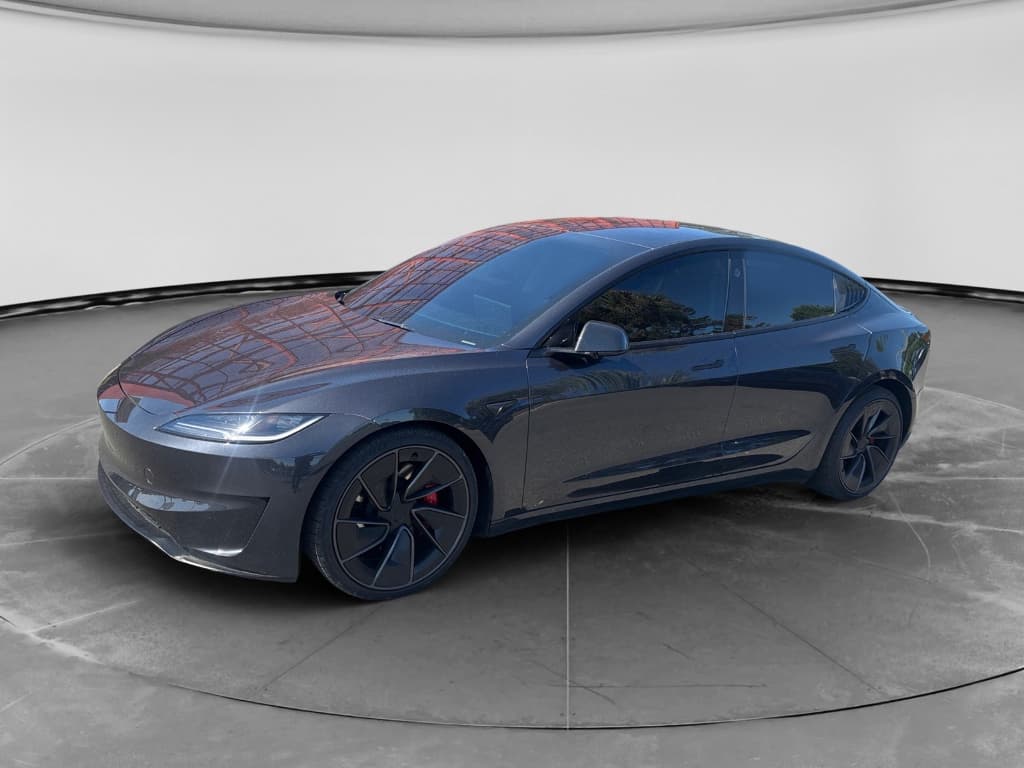
If you own, or are thinking about buying, a Tesla Model 3, you’re probably wondering what the car will actually be worth after five years. The good news: among EVs, Tesla Model 3 value after 5 years is still near the top of the segment. The bad news: EV depreciation has been volatile since 2023, and your outcome depends a lot on mileage, battery health, and when you bought the car.
Key takeaway up front
What Happens to Tesla Model 3 Value After 5 Years?
Resale values for the Model 3 have moved around as Tesla cut new‑car prices in 2023–2024 and more used EVs hit the market. But if you strip out the noise, a pattern emerges: the Model 3 behaves more like a strong compact luxury sedan than a typical EV. It still depreciates faster than many gas cars, yet it does better than a lot of rival electric models that fall off a cliff after warranty.
Tesla Model 3 Value Benchmarks After 5 Years
Important context on the numbers
How Much Value Does a Tesla Model 3 Lose in 5 Years?
Let’s put some realistic brackets around five‑year depreciation. Looking across valuation tools and recent market guides, a new Model 3 bought at roughly $38,000–$50,000 tends to land here after about five years of average driving and no major damage:
Approximate Tesla Model 3 Value After 5 Years (U.S. Averages)
Illustrative ranges for a garaged, accident‑free car with typical mileage. Real offers will depend on your exact VIN and market conditions.
| Original MSRP | Ownership Profile | Estimated 5‑Year Value | 5‑Year Depreciation |
|---|---|---|---|
| $38,000 (base rear‑wheel drive) | Average miles, good condition | $17,000–$20,000 | ~47–55% |
| $47,000 (Long Range AWD) | Average miles, good condition | $21,000–$25,000 | ~47–55% |
| $55,000+ (Performance/high option) | Average miles, good condition | $24,000–$30,000 | ~45–55% |
| Any trim, high miles (90k+ in 5 yrs) | Heavy use, mixed condition | $13,000–$18,000 | ~55–65% |
| Any trim, low miles (under 40k) | Light use, well kept | $22,000–$30,000 | ~40–50% |
Use these as planning ranges, not promises, your actual offers will reflect current supply, demand, and your car’s history.
Why the ranges are wide
Broadly speaking, most owners should expect their Model 3 to be worth somewhere in the mid‑teens to mid‑$20Ks after five years, with the lower end representing high‑mileage, base cars and the upper end representing low‑mile, well‑optioned Long Range or Performance trims.
Real-World Used Tesla Model 3 Prices at 5-Plus Years Old
You don’t have to model this out on a spreadsheet, you can see it in today’s used listings. Looking at real asking prices for early Model 3s (now 5–8 years old), you’ll usually find three clusters:
- 2017–2018 Long Range RWD with 60k–100k+ miles often list around $15,000–$20,000 when the battery still tests healthy and the history is clean.
- 2019–2020 Dual Motor/Long Range cars with average mileage commonly sit in the high‑teens to low‑$20Ks.
- Later cars (2021–2022) are still working their way down from the mid‑$20Ks and up, depending on options, Autopilot packages, and mileage.
Be wary of “too good to be true” prices
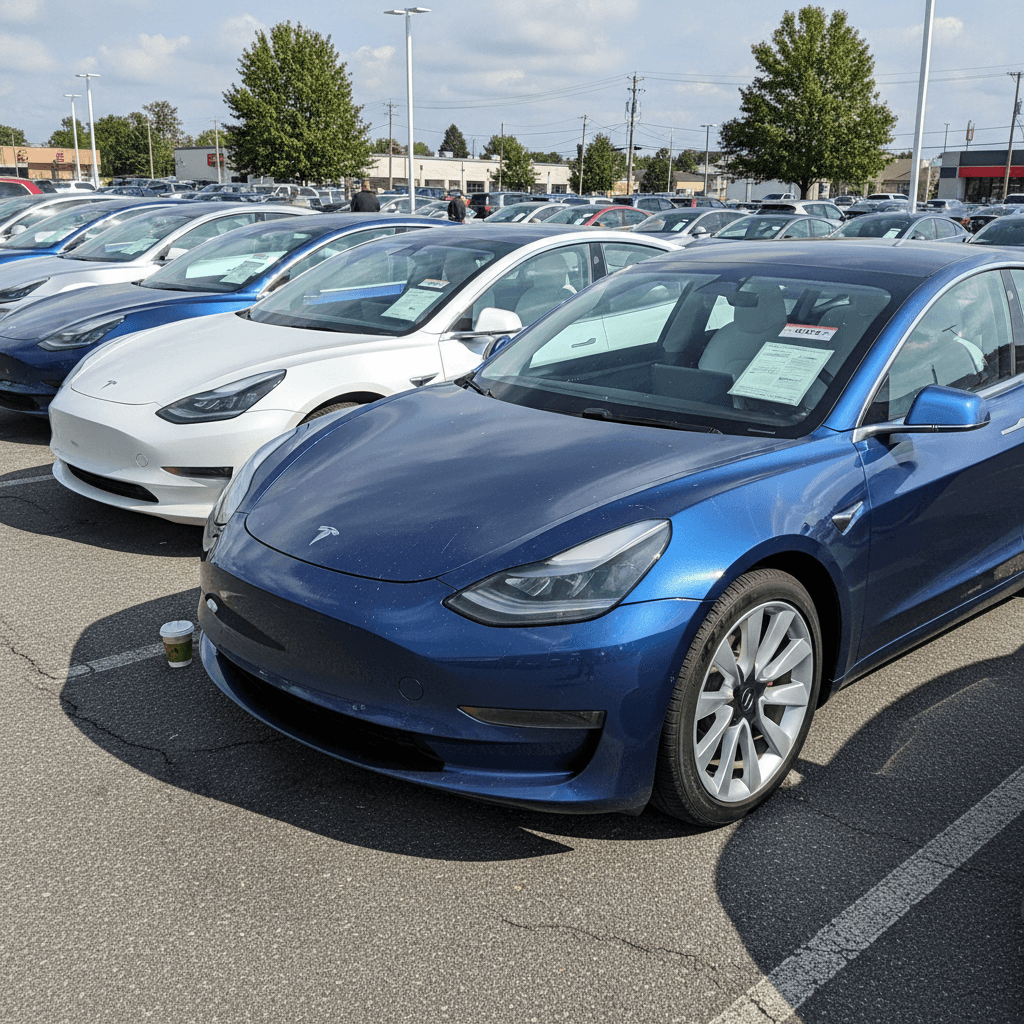
Why the Tesla Model 3 Holds Value Better Than Many EVs
Compared with other early EVs, the Model 3’s five‑year story is surprisingly strong. Some luxury EVs have lost 60–70% of their value in five years, especially low‑volume models with limited charging support and weak demand. The Model 3 avoids the worst of that for a few reasons:
Four Reasons Model 3 Resale Stays Relatively Strong
These fundamentals help support value even when the EV market is choppy.
Charging Network & NACS
Access to Tesla’s Supercharger network, and the North American Charging Standard (NACS) plug becoming the industry default, keeps the Model 3 future‑proofed on road trips and in daily use.
Software & OTA Updates
Tesla regularly ships over‑the‑air updates, adding features and improving efficiency. That helps older cars feel more modern and keeps used‑buyer demand higher.
Performance & Efficiency
Quick acceleration and strong efficiency (especially in Long Range trims) give the Model 3 an edge versus many compact luxury sedans and rival EVs at the same price point.
Brand & Shopper Demand
Even as more EVs arrive, the Model 3 remains a go‑to choice for first‑time EV buyers. That steady demand supports resale values in most major markets.
6 Factors That Change Your Model 3’s 5-Year Value
Five‑year averages are useful, but the number that really matters is the one a real buyer or dealer offers on your specific car. Here are the biggest drivers that can move your value up or down 10–30% from the norm:
What Pushes Your 5‑Year Value Up or Down
1. Mileage vs age
Resale models assume about 12,000–15,000 miles per year. If you’re well below that, your car should be worth more than average; run it to 20,000–25,000+ miles per year and you’ll almost certainly see steeper depreciation.
2. Battery health and fast‑charge history
A Model 3 with healthy battery capacity and balanced cells is worth more than one that’s been fast‑charged daily and shows marked degradation. Independent diagnostics, like the Recharged Score battery report, make that difference visible to buyers.
3. Trim, options, and color
Long Range and Dual Motor trims typically command more at resale than base RWD cars. Desirable colors, wheels, and interior packages can help; unusual spec combinations can sometimes hurt.
4. Autopilot / FSD configuration
Having included Autopilot is now table stakes; it helps resale to a point. Full Self‑Driving (FSD) can support higher asking prices, but in many markets it doesn’t recoup anywhere near what it cost new.
5. Accident and repair history
Clean Carfax and original paint still matter. Structural repairs, airbag deployments, or visible bodywork can knock thousands off a five‑year‑old car’s value, even if it drives fine.
6. Local supply and incentives
Incentives and inventory levels vary by state. When new EVs are heavily discounted or incentives are rich, used values around the 5‑year mark tend to soften. In tighter markets, well‑kept used cars can sell surprisingly strong.
How Recharged narrows the range
Ready to find your next EV?
Browse VehiclesBattery Health: The Silent Driver of 5‑Year Value
Under the skin, the Model 3’s battery pack is what separates a great used buy from one you’ll regret. After five years and typical mileage, most well‑treated packs still have the majority of their original capacity. Owner‑reported data often clusters around 10–15% degradation by the 5‑year mark, assuming normal charging habits and climate.
How degradation affects value
- Moderate degradation (under ~15%) is expected and usually has a modest impact on price as long as range still covers a typical commute.
- Heavy degradation (20%+) can drop value substantially, especially on Standard Range cars where loss is more noticeable.
- Visible charging or range issues on the dash are red flags for private buyers and dealers alike.
How to show buyers your pack is healthy
- Keep documentation of any high‑voltage battery service or software updates.
- Use a trusted third‑party battery health test before you list the car.
- Sell through a platform like Recharged that includes a battery health report in every listing, so buyers aren’t guessing.
Battery‑friendly habits that pay you back
Tesla Model 3 Value After 5 Years vs Gas Cars
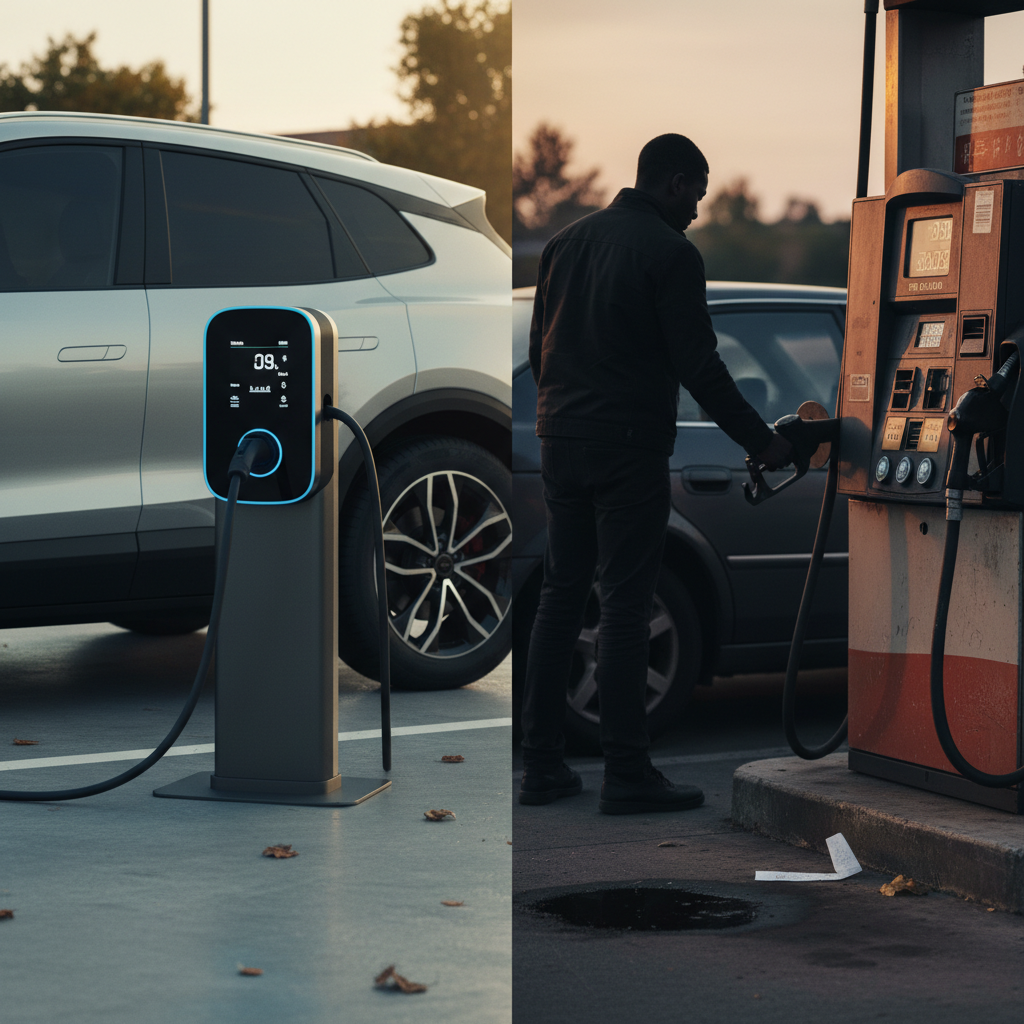
Depreciation is only one slice of the ownership story. When you compare a Model 3 to a similarly priced gas sedan over five years, you’re trading somewhat higher price swings on the car itself for lower fuel and maintenance bills.
Tesla Model 3 vs Comparable Gas Sedan After 5 Years
Illustrative comparison for a mid‑$40K EV vs a similarly priced gas sedan, using typical U.S. usage and costs.
| Metric (5 Years) | Tesla Model 3 | Comparable Gas Sedan |
|---|---|---|
| Estimated value retained | ~45–50% of original price | ~55–60% of original price |
| Fuel / energy cost | Lower (home charging ~4¢/mile equivalent) | Higher (gas often ~10¢/mile or more) |
| Maintenance & repairs | Lower (no oil changes, fewer wear items) | Higher (engine, transmission, exhaust, more fluids) |
| Total cost of ownership | Often competitive by years 3–5 even with higher depreciation | More predictable depreciation, but higher running costs |
Exact numbers will vary by fuel prices, electricity rates, and how hard you drive, but the basic pattern is consistent across many scenarios.
What this means if you’re buying used
How to Protect Your Model 3’s Value Over the First 5 Years
You can’t beat depreciation entirely, but you can absolutely influence where your car ends up inside those value ranges. Think of it as an extended pre‑sale strategy you start on day one.
5 Practical Ways to Maximize 5‑Year Value
1. Keep mileage in a reasonable band
If possible, keep annual mileage in the 10,000–15,000 range. Occasional high‑mile years are fine, but consistent 20,000+ mile years will show up in offers later.
2. Treat the battery kindly
Follow Tesla’s guidance on daily charge limits, avoid extreme states of charge for long storage, and don’t rely on DC fast charging for everyday use.
3. Document everything
Save service invoices, tire receipts, and any warranty work orders. A well‑documented history helps justify a stronger price and builds buyer trust.
4. Fix cosmetic issues before listing
Curb‑rashed wheels, cracked glass, and obvious dings are relatively cheap to fix compared with the discount buyers expect if they have to live with them.
5. Choose the right selling channel
Trade‑ins are convenient but rarely top‑dollar. Listing through a specialist EV platform like <strong>Recharged</strong> can attract shoppers who understand Tesla values and are willing to pay for documented battery health.
Should You Sell or Keep a Tesla Model 3 After 5 Years?
By year five, the steepest depreciation is usually behind you. From that point on, many Model 3s settle into a slower slide, often losing value more like a typical older luxury sedan, especially if the battery continues to age gracefully.
Reasons to sell around year five
- You want the latest safety and driver‑assist tech or a refresh model.
- Your mileage is already high and you’d rather cash out while values are still solid.
- You’re planning a move, growing family, or lifestyle shift that calls for a different body style.
- Upcoming warranty milestones (battery, drive unit) make you uneasy from a risk perspective.
Reasons to keep driving
- Battery health tests strong and range still comfortably covers your daily usage.
- The car is paid off or nearly there, making the low running costs especially attractive.
- You’re not getting a compelling offer for replacement EVs in your market.
- You’re comfortable with modest further depreciation in exchange for several more years of use.
How Recharged can help either way
FAQ: Tesla Model 3 Value After 5 Years
Frequently Asked Questions
The bottom line: a Tesla Model 3 is unlikely to be a depreciation miracle, but it’s also not the horror story some early EV skeptics predicted. After five years, most examples still hold close to half their original value, and the ones with strong battery health, clean histories, and reasonable mileage often do better. Whether you’re planning to keep driving yours into the six‑figure‑mileage zone or sell and move into something newer, understanding how Model 3 values behave gives you options. And if you want data, not guesswork, around your next move, Recharged is built to make the used‑EV side of that decision simple and transparent.