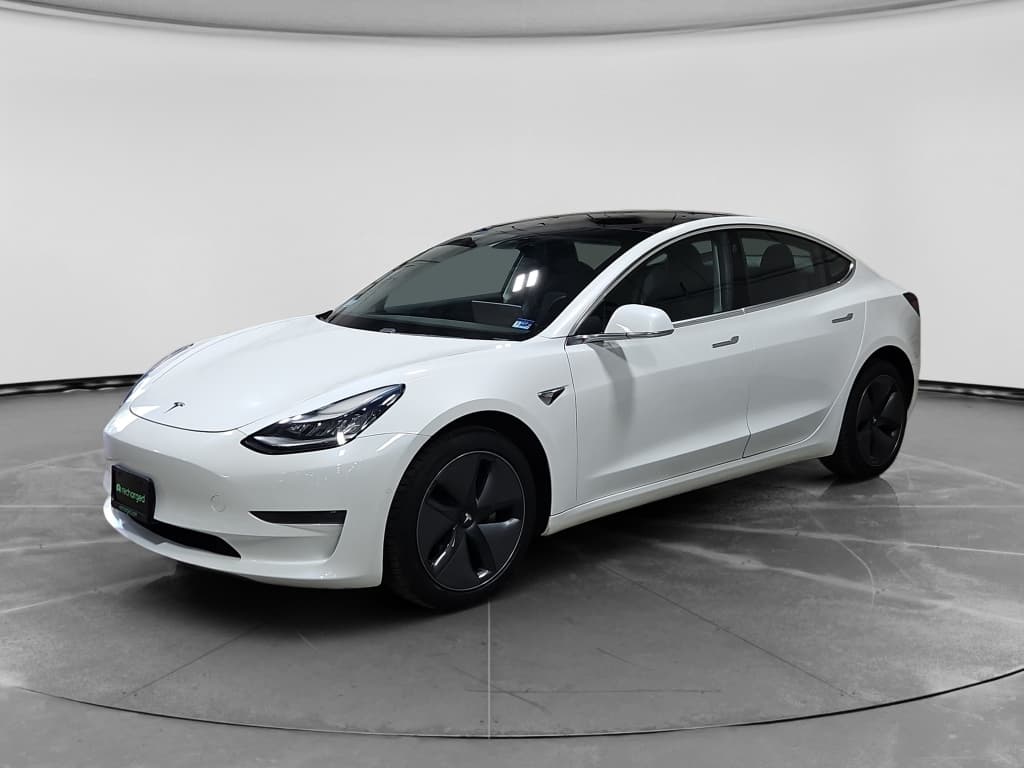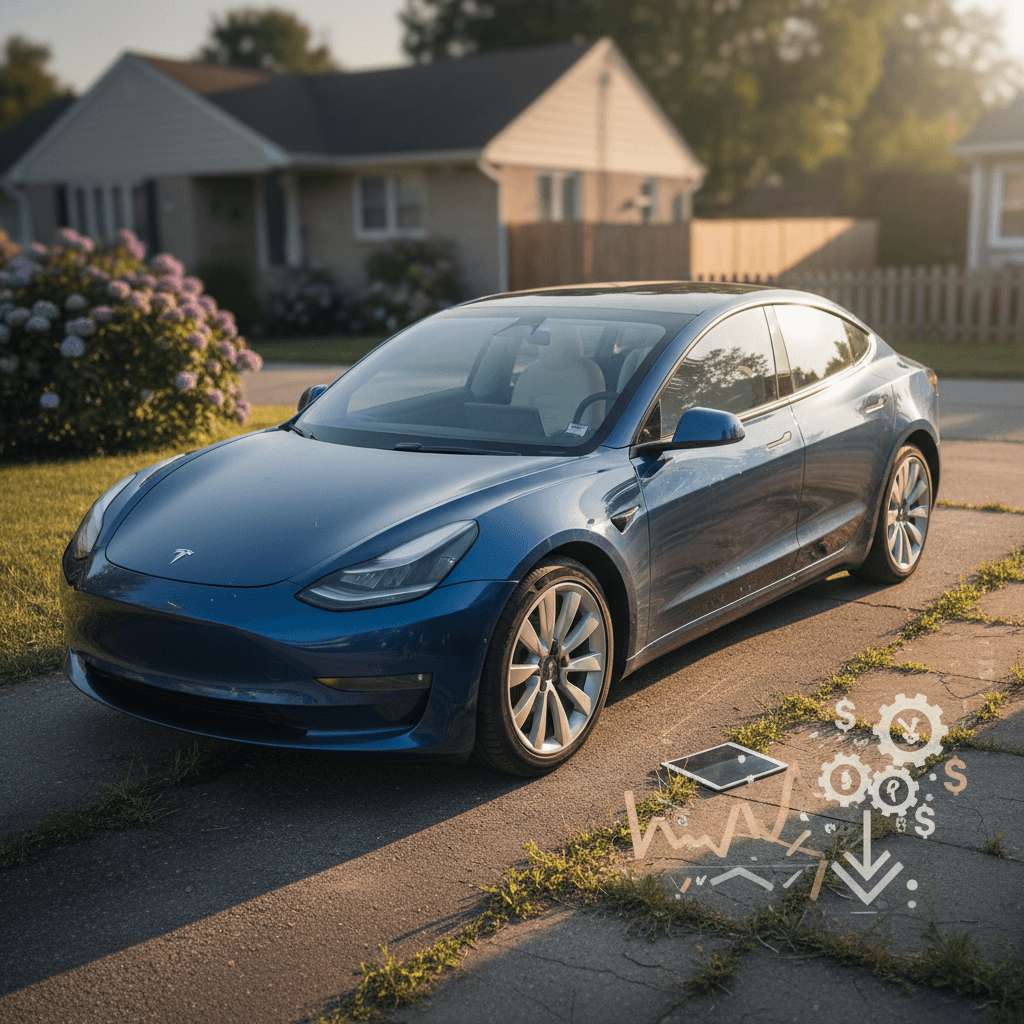
If you’re eyeing a used Tesla, it’s natural to wonder what a Tesla Model 3 is worth after 3 years, and whether you’re getting a deal or taking on hidden risk. Three years is the sweet spot where a Model 3 has absorbed most of its initial depreciation but still feels modern, with plenty of battery warranty and useful life left.
Key takeaway
Why Tesla Model 3 value after 3 years matters
Most shoppers looking at a 3‑year‑old Model 3 are trying to answer two questions: “How much has it depreciated?” and “Is this still a smart long‑term buy?” Because EV technology and incentives have been shifting quickly, resale values haven’t followed the same straight line you might see with a Honda or Toyota. Understanding where the Model 3 tends to land after three years helps you avoid overpaying as a buyer, or underpricing if you’re selling or trading in.
- You skip the steepest first‑year drop that hits most new cars.
- You still get modern safety tech, over‑the‑air updates, and current styling.
- You often keep 5+ years of useful life before major repairs are likely.
- You may still have a meaningful slice of battery and drive unit warranty left.
Pro move for shoppers
How much does a Tesla Model 3 lose in 3 years?
3‑year Tesla Model 3 value snapshot
Market data from Recharged and other pricing tools suggests a typical Tesla Model 3 loses roughly 39% of its value over the first three years, leaving about 61% of its original MSRP as resale value. That puts the Model 3 right in line with, or slightly better than, many comparable premium compact sedans.
For example, if a new Model 3 originally sold for $47,000, a typical 3‑year‑old example might land in the low‑to‑mid $28,000s in average condition and mileage. Higher‑spec Long Range and Performance trims can still command more, while high‑mileage cars or those with cosmetic or battery concerns may sit below that.
Watch out for older price bubbles
What a 3‑year‑old Tesla Model 3 costs in 2026
In early 2026, "3‑year‑old" usually means a 2022–2023 Model 3. Actual prices depend on trim, mileage, and regional supply, but marketplace data gives us a realistic band to work with.
Typical asking prices for 3‑year‑old Model 3s (early 2026)
Approximate retail asking ranges for well‑kept, clean‑title cars. Private‑party sales may be a bit lower; Tesla CPO and premium dealers may be higher.
| Model year & trim (≈3 yrs old) | Typical mileage | Approx. asking range | Notes |
|---|---|---|---|
| 2022 Model 3 RWD | 25k–40k miles | $26,000–$30,000 | Entry trim; values vary with options and wheel choice. |
| 2022 Model 3 Long Range | 25k–45k miles | $29,000–$34,000 | Extra range and dual‑motor AWD support stronger prices. |
| 2022 Model 3 Performance | 20k–35k miles | $33,000–$38,000 | Performance and track package cars hold a premium. |
| 2023 Model 3 RWD | 15k–30k miles | $28,000–$33,000 | Lower mileage and newer hardware push values higher. |
| 2023 Model 3 Long Range | 15k–30k miles | $32,000–$38,000 | Highly sought‑after for road‑trippers; condition is key. |
| 2023 Model 3 Performance | 10k–25k miles | $36,000–$42,000 | Clean, low‑mile examples can still sit close to $40k+ in some markets. |
Use this as a starting point; always compare multiple live listings and factor in battery health.
Recharged pricing context
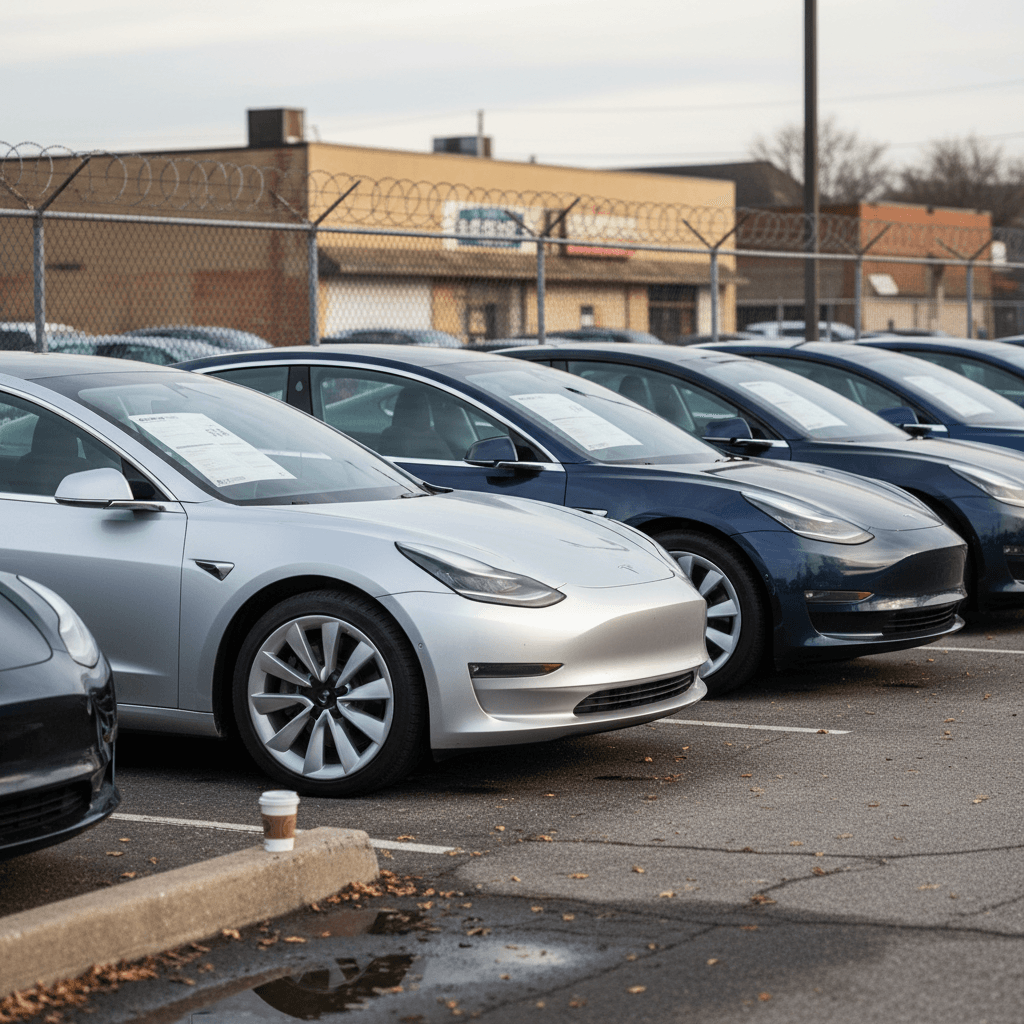
4 big factors that shape 3‑year Model 3 value
What really moves Model 3 prices after 3 years
These four levers tend to matter more than anything else when you’re comparing 3‑year‑old cars.
1. Mileage and usage
Like any car, a Model 3 with 18,000 miles is worth more than one with 60,000 miles. But how those miles were added matters too. Lots of gentle highway use is easier on the car than constant short‑trip city driving with curb rash and door dings to show for it.
2. Battery health
EV buyers rightly focus on battery health. Two otherwise identical 2023 Model 3s can have noticeably different remaining range. Cars showing close to their original rated range (or a modest drop) will command more money and sell faster.
3. Warranty remaining
Every new Model 3 leaves the factory with an 8‑year battery and drive unit warranty (100,000–120,000 miles depending on trim) and a 4‑year/50,000‑mile basic warranty. A 3‑year‑old car often has time left on both, if the mileage isn’t excessive.
4. Trim, options & condition
Dual‑motor AWD, Performance packages, premium wheels, and popular colors all support stronger resale. On the flip side, visible cosmetic wear, curb rash, aftermarket modifications, or accident history will drag value down.
Quick value rule of thumb
Battery health, warranty and their impact on value
Battery health is where EV valuation really diverges from gas cars. For a 3‑year‑old Tesla Model 3, most owners see a relatively modest range drop, often on the order of 5–10% from the original rated range. That’s normal wear and typically not a deal‑breaker. What matters is where the car sits relative to peers of the same age and mileage, and how much warranty protection remains.
- All current Model 3 variants carry an 8‑year battery and drive unit warranty.
- For most trims, coverage lasts to 100,000 or 120,000 miles, whichever comes first.
- Tesla guarantees at least 70% battery capacity over that period.
Why buyers like sub‑50k‑mile cars
Scenario A: Strong battery = strong value
2023 Model 3 Long Range, 28,000 miles. Full‑charge range only 5–8% below original rating, clean service history, no rapid‑charging abuse. This car will sit at the top of the price range for similar Model 3s in your area.
Scenario B: Weak battery = discount required
2023 Model 3 RWD, 55,000 miles. Full‑charge range down ~15–20%, heavy DC fast charging history, minor accident on record. A buyer will expect a noticeable discount compared with cleaner, lower‑mileage examples, and some shoppers will walk away altogether.
Because most used‑car platforms don’t show battery metrics front and center, this is where specialized tools help. Every vehicle sold on Recharged includes a Recharged Score Report with verified battery health and range estimates, so you can compare a 3‑year‑old Model 3 in Chicago to one in Phoenix on equal footing.
Don’t ignore high mileage on a young EV
Model 3 vs gas cars: 3‑year value comparison
How does a 3‑year‑old Tesla Model 3 stack up against a similarly priced gas sedan? Traditional depreciation studies show that many new cars lose 40–50% of their value in the first three years. Compact luxury sedans can be even steeper if demand softens or incentives grow.
3‑year value comparison: Tesla Model 3 vs typical gas compact/luxury sedan
Illustrative example based on typical depreciation patterns and original MSRP around $45,000–$50,000.
| Vehicle type | Original MSRP | Value after 3 yrs (typical) | 3‑yr depreciation | Notes |
|---|---|---|---|---|
| Tesla Model 3 (average case) | $47,000 | ≈$28,000–$30,000 | ≈39% | Depreciation cushioned by ongoing software updates and strong EV demand. |
| Mainstream gas compact sedan | $35,000 | ≈$19,000–$21,000 | ≈40–45% | Lower starting price but fewer tech features and higher running costs. |
| Entry luxury gas sedan | $48,000 | ≈$23,000–$27,000 | ≈44–50% | Brand cachet, but deeper depreciation and higher maintenance costs. |
Exact numbers vary by model and market, but this shows how a solid‑condition Model 3 can compete with or beat many gas rivals over three years.
Think value, not just resale price
How to evaluate a 3‑year‑old Model 3 like a pro
7‑step checklist for judging a 3‑year‑old Model 3
1. Confirm trim and original MSRP
Start by confirming whether the car is RWD, Long Range, or Performance, and what major options it has. That anchors what the car cost new and frames a realistic 3‑year value target.
2. Check mileage against age
Divide the odometer reading by the car’s age in years. Around 10,000–15,000 miles per year is typical; much higher should trigger a closer look at pricing and battery warranty.
3. Review battery health and range
Ask for current full‑charge range, charging history, and any battery‑related service records. On Recharged, the Recharged Score Report summarizes this for you, including estimated remaining capacity.
4. Verify remaining warranty
Look at the in‑service date and mileage to see how much of the 4‑year basic and 8‑year battery/drive‑unit warranty is left. Extra warranty time often justifies paying a bit more.
5. Inspect cosmetic and wheel condition
Check paint, glass, interior wear, and wheel damage. Curb rash and worn interiors don’t just affect pride of ownership, they’re also clues about how carefully the car’s been treated.
6. Pull accident and service history
Run a vehicle history report and look for structural damage, airbag deployments, or repeated repair attempts. A clean record supports stronger value; major accidents usually require a discount.
7. Compare against multiple live listings
Don’t rely on a single asking price. Compare similar Model 3s (same year, trim, mileage band) in your region and nationally. A used‑EV marketplace like Recharged can make that comparison much easier.
Use data, not guesswork
Financing and total cost of ownership at 3 years
A three‑year‑old Model 3 often gives you the best of both worlds: enough depreciation to slash the price versus new, but still plenty of life (and warranty) left to spread over a loan term. The key is to pair realistic resale expectations with smart financing so you don’t end up upside‑down on the loan.
Why 3‑year‑olds are a sweet spot
- Big depreciation already taken: The steepest drop happens in years 1–3, and you’re buying after that.
- Modern tech and safety: 3‑year‑old Teslas still feel current thanks to over‑the‑air updates.
- Lower running costs: Electricity + minimal maintenance often beats gas + oil changes + repairs.
Financing tips for a 3‑year Model 3
- Keep loan terms reasonable, around 60 months or less if you can.
- Make a solid down payment (10–20%) to stay ahead of depreciation.
- Get pre‑qualified with an EV‑friendly lender so you know your rate before you shop.
Recharged can help you pre‑qualify for financing on a used Model 3 with no impact to your credit, then match you with cars that fit your budget and range needs.
Beware long loan terms
FAQ: Tesla Model 3 value after 3 years
Frequently asked questions about 3‑year‑old Model 3 values
Is a 3‑year‑old Model 3 a good buy?
For many shoppers, a 3‑year‑old Tesla Model 3 hits the bull’s‑eye: you avoid the sharpest new‑car depreciation, you still get a modern EV with current‑feeling tech, and you keep meaningful battery warranty in your back pocket. The key is not to fixate on a single average depreciation number, but to look closely at trim, mileage, battery health, condition, and price together.
If you’re ready to run the numbers on a 3‑year‑old Model 3, Recharged can help you compare real cars, not just estimates. Every vehicle on our marketplace comes with a Recharged Score Report that spells out battery health, fair‑market pricing, and inspection findings, plus EV‑savvy financing options and nationwide delivery. That way you can focus on finding the right Model 3 for your budget and range needs, confident you’re not overpaying for what’s under the skin.