The Tesla Model 3 is the electric car that dragged EVs into the mainstream. If you’re comparing options today, you’ll quickly run into long threads arguing about **Tesla Model 3 pros and cons**, from blistering performance and low running costs to build-quality quirks and high insurance premiums. This guide pulls those threads together so you can decide if a Model 3 (new or used) actually fits your life and budget.
Quick context: 2025–2026 Model 3
Why the Tesla Model 3 still matters in 2025–2026
Tesla has updated the Model 3 repeatedly since its 2017 launch, but the core formula has stayed the same: a compact electric sedan with strong performance, competitive range and direct sales backed by the Supercharger network. In 2025, the Model 3 Long Range RWD is rated up to about 363 miles of range, with AWD and Performance trims still comfortably above 300 miles in many configurations, all while starting around $42,000 before potential tax credits.
At the same time, the market around the Model 3 has changed. Hyundai’s Ioniq 6, BMW’s i4 and a wave of newer EVs now compete directly on price and range. Insurance costs for Teslas have climbed faster than average, and more drivers are wary of Autopilot headlines and service delays. That’s why understanding the specific pros and cons, not just the hype, is crucial, especially if you’re eyeing a used Model 3.
Tesla Model 3 by the numbers (recent data)
Tesla Model 3 pros and cons at a glance
Key pros
- Excellent range for the price, especially Long Range trims.
- Quick, smooth performance even in non-Performance models.
- Access to the Supercharger network with simple, reliable DC fast charging.
- Modern software experience with over-the-air updates.
- Strong resale values relative to many other EVs.
- Very low routine maintenance needs (no oil, fewer wear parts).
Key cons
- High insurance premiums versus many comparable cars.
- Inconsistent build quality and rattles, especially on some earlier years.
- Touchscreen-first interior with few physical buttons can frustrate some drivers.
- Service delays and limited independent repair options in some regions.
- Autopilot and "Full Self-Driving" can be confusing and overhyped.
- Ride quality and cabin noise not always up to luxury-sedan standards.
How to use this guide
Tesla Model 3 pros: Where it really shines
1. Strong range and efficiency for the money
In the current lineup, a Tesla Model 3 Long Range RWD can deliver up to about 363 miles of EPA-estimated range, with the Long Range AWD version still comfortably in the mid-300s and the Performance trim around 300 miles. For a sedan starting in the low–$40,000s, that’s still extremely competitive, especially once you factor in potential federal and state incentives.
Tesla also remains one of the most efficient EV manufacturers. That means more miles per kWh than many rivals, which directly translates into lower energy costs over time. If you do most of your charging at home on a Level 2 charger, your “fuel” cost per mile can be a fraction of a comparable gas sedan.
2. Performance that embarrasses gas sport sedans
Even the non-Performance Model 3 trims are quick. Dual-motor Long Range cars sprint to highway speeds in the 4–5 second range, while the Performance model can push toward genuine sports-car territory. Instant torque, a low center of gravity and responsive traction control make the Model 3 feel more agile than many similarly sized gas sedans.
That performance isn’t just about 0–60 bragging rights. Effortless passing power, confident highway merges and one-pedal driving with strong regenerative braking all contribute to a relaxed but capable driving experience day to day.
3. Supercharger network and road-trip friendliness
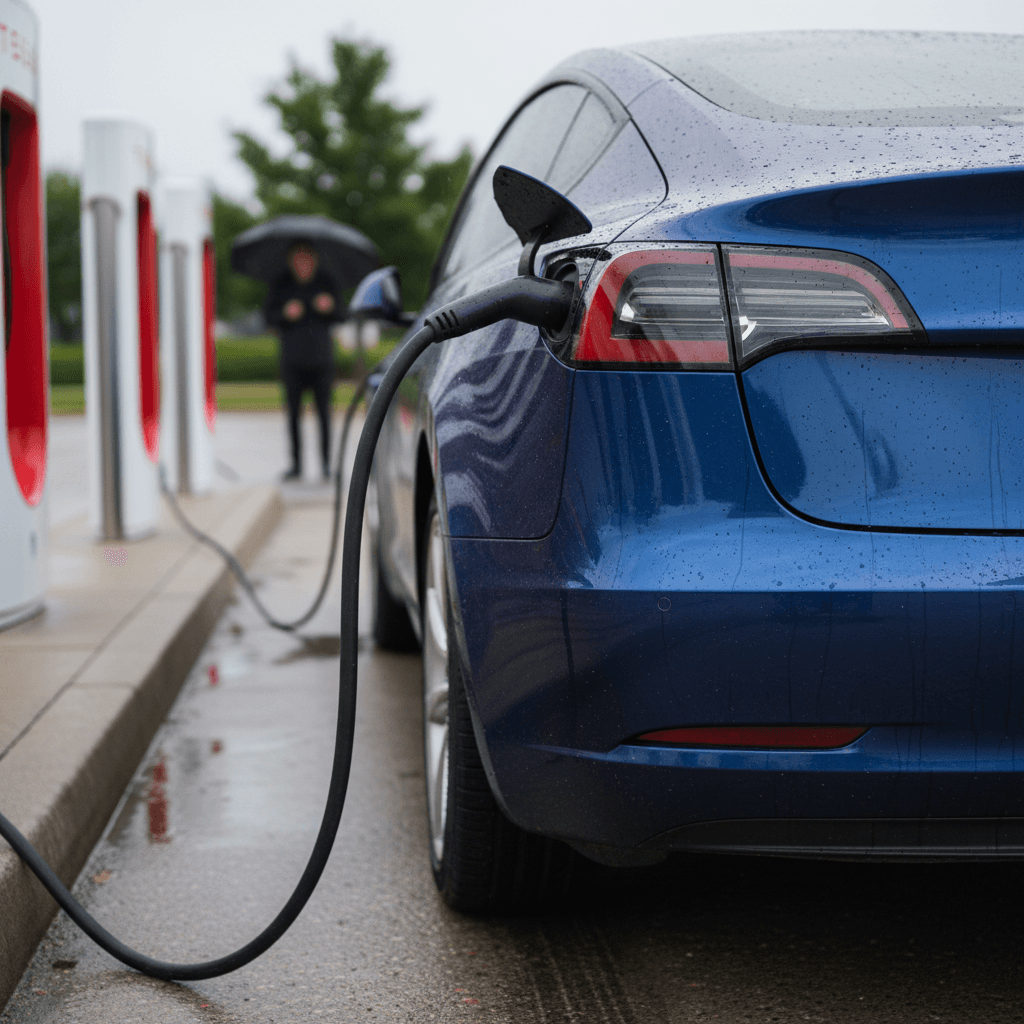
One of the biggest Tesla Model 3 pros, especially in North America, is native access to the Supercharger network. You plug in, the car and charger handle authentication and billing automatically, and you’re usually back on the road in 15–30 minutes. That removes a lot of friction compared with juggling apps and RFID cards on some third-party networks.
As more automakers adopt Tesla’s NACS connector and begin to use Superchargers, the network is becoming the de facto DC fast-charging backbone in the U.S. Owning a Model 3 means you don’t need adapters or special memberships to take advantage of it.
4. Software, interface and over-the-air updates
Tesla still treats the car as a connected device, and that’s a genuine advantage. Over-the-air (OTA) updates can add features, refine driving dynamics, tweak range estimates and improve charging behavior without a visit to a service center. The central touchscreen UI is fast and generally intuitive once you adjust to it, and features like Sentry Mode, built-in trip planners for charging, and detailed energy graphs are genuinely useful.
For used buyers, OTA updates also mean a 3–6-year-old Model 3 often feels much more modern than a similarly aged gas car. You still need to check which software packages (like Enhanced Autopilot or Full Self-Driving) are tied to the vehicle, but from a usability standpoint the basic experience ages better than most.
5. Low routine maintenance and strong resale value
Like other EVs, the Model 3 has far fewer moving parts than a gas car: no engine, no transmission with hundreds of gears, no oil changes, no spark plugs. Routine costs mostly boil down to tires, brake fluid service, cabin filters and alignment. For many owners, multi-year maintenance costs look significantly lower than for a similar BMW 3 Series or Audi A4.
On the resale side, the Model 3 has historically held its value well relative to many other EVs. Market conditions fluctuate, but strong name recognition, demand in the used market and access to the Supercharger network have generally supported prices, something that matters if you’re thinking about future trade-in or resale.
Tesla Model 3 cons: Trade-offs you shouldn’t ignore
1. High and rising insurance premiums
One of the most overlooked Tesla Model 3 cons is insurance cost. Recent national data shows Model 3 full-coverage premiums rising noticeably faster than the market average, with average annual costs in the mid-$4,000 range for 2025 full coverage, well above many similarly priced sedans. The combination of expensive repairs, proprietary parts and strong performance that can tempt aggressive driving all play a role.
Budget warning: Get quotes before you fall in love
2. Build quality, rattles and interior noise
Tesla has improved quality over the years, but the Model 3 still isn’t a benchmark here. Owners commonly report rattles, squeaks and trim noises, especially as the car ages. In an EV without engine noise, small interior sounds stand out more, and they can be surprisingly annoying on rough pavement.
Paint quality and panel alignment issues were widely reported on early cars; newer builds tend to be better, but used shoppers should still check doors, trunk and charge-port alignment carefully. If a quiet, bank-vault cabin is a top priority, some competitors, especially from traditional luxury brands, do better.
3. Touchscreen-first controls and learning curve
The same minimalist design that fans love is a Model 3 con for drivers who want physical controls. Almost everything, wipers, mirrors, HVAC vents, even opening the glovebox, runs through the central touchscreen. There are no traditional instrument gauges behind the steering wheel, and many functions are hidden in menus.
Once you learn the system, it’s usable, but it demands more visual attention than a well-designed set of hard buttons and knobs. If you often drive on unfamiliar roads or in heavy traffic, that extra screen time can be mentally taxing.
4. Autopilot and “Full Self-Driving” expectations vs reality
Tesla’s driver-assistance suite, Autopilot, Enhanced Autopilot and the optional Full Self-Driving (FSD) package, is a major selling point, but also a source of confusion. These systems are driver assistance, not autonomous driving. You must remain fully engaged and ready to take over at any moment.
Owners still report “phantom braking,” where the car brakes unexpectedly under Autopilot, usually in response to shadows or overpasses. Lane selection, merging behavior and city-street performance can also be inconsistent. If you’re considering paying extra for FSD on a used Model 3, be sure you understand that you’re buying a Level 2 assistance system with evolving capabilities, not a self-driving car.
5. Service network gaps and repair costs
Tesla’s direct-sales model cuts out traditional dealers, but it also means a limited physical service footprint compared with established automakers. In some metro areas, mobile service vans can handle a lot of work in your driveway, which is great. In others, you may face long waits for appointments or parts, especially after collisions.
Independent repair shops are slowly catching up, but access to official parts, tools and software is still constrained. For collision work, Teslas can be expensive to fix, which feeds back into those higher insurance premiums.
Costs, insurance and used-market realities
Purchase price vs. total cost of ownership
On paper, a new Tesla Model 3 Long Range RWD starting around $42,000 doesn’t look radically cheaper than a nicely equipped gas sedan. Where the equation shifts is in fuel and maintenance: a Model 3 can save hundreds to more than a thousand dollars per year in energy costs if you mostly charge at home, and routine maintenance is comparatively light.
However, those savings can get eaten by higher insurance and, on older high-mileage cars, out-of-warranty items like control arms, suspension bushings or door handles. The key is to look at all the recurring costs, payment, insurance, energy and maintenance, over a 3–5-year horizon rather than focusing on sticker price alone.
Insurance, financing and depreciation
We’ve already covered that insurance is a notable Tesla Model 3 con. For financing, captive loans from Tesla sometimes look attractive, but don’t assume they’re your best option. It’s worth comparing with credit unions or EV-focused lenders. Because Model 3s hold value relatively well, used EV financing can also be competitive, especially when you’re working with a retailer that understands EV residuals.
Depreciation for early Model 3s was steep at first, then stabilized as demand for used EVs grew. Today, depreciation patterns look closer to other premium sedans: sharpest in the first 3–4 years, then moderating. That’s good news if you’re shopping used; someone else has already paid the biggest hit, and you can still benefit from the car’s tech and range.
How Recharged can help on costs
What it’s like to live with a Model 3 day to day
Charging at home vs public charging
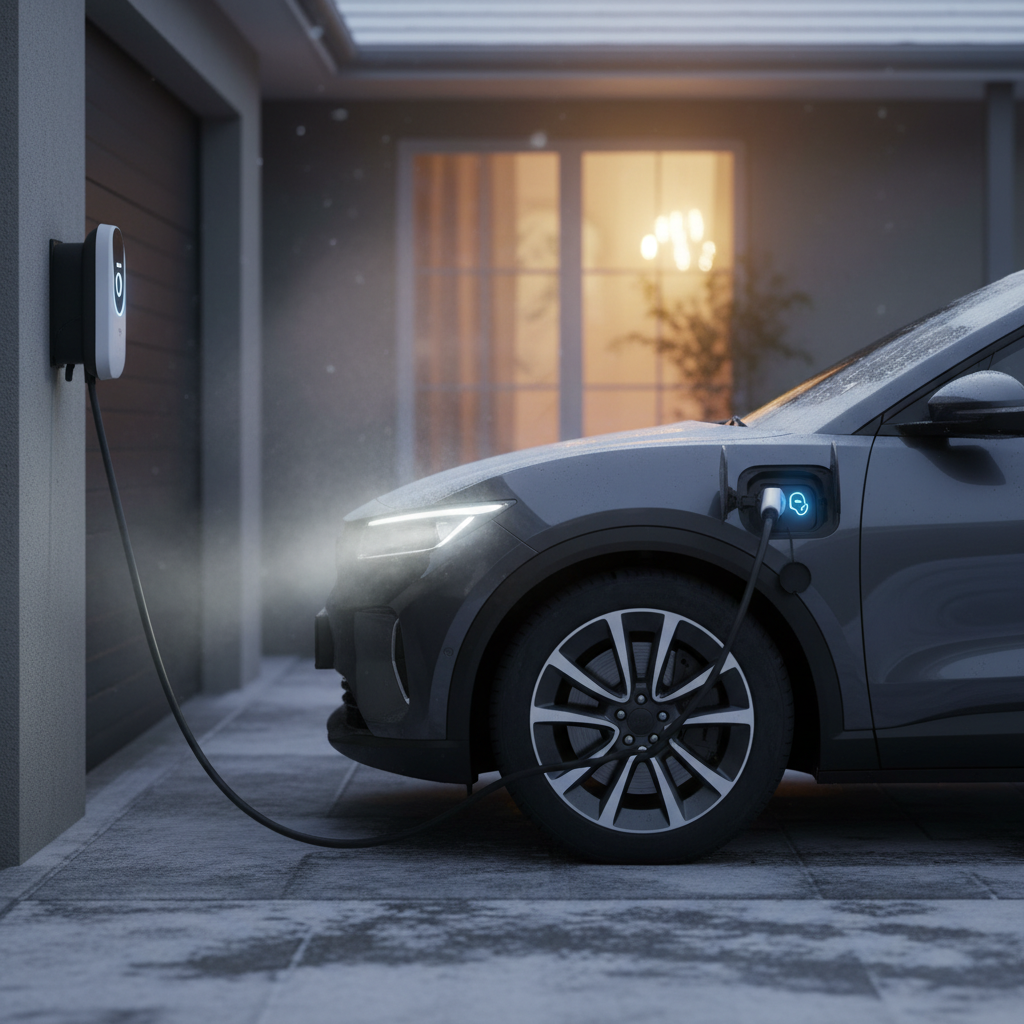
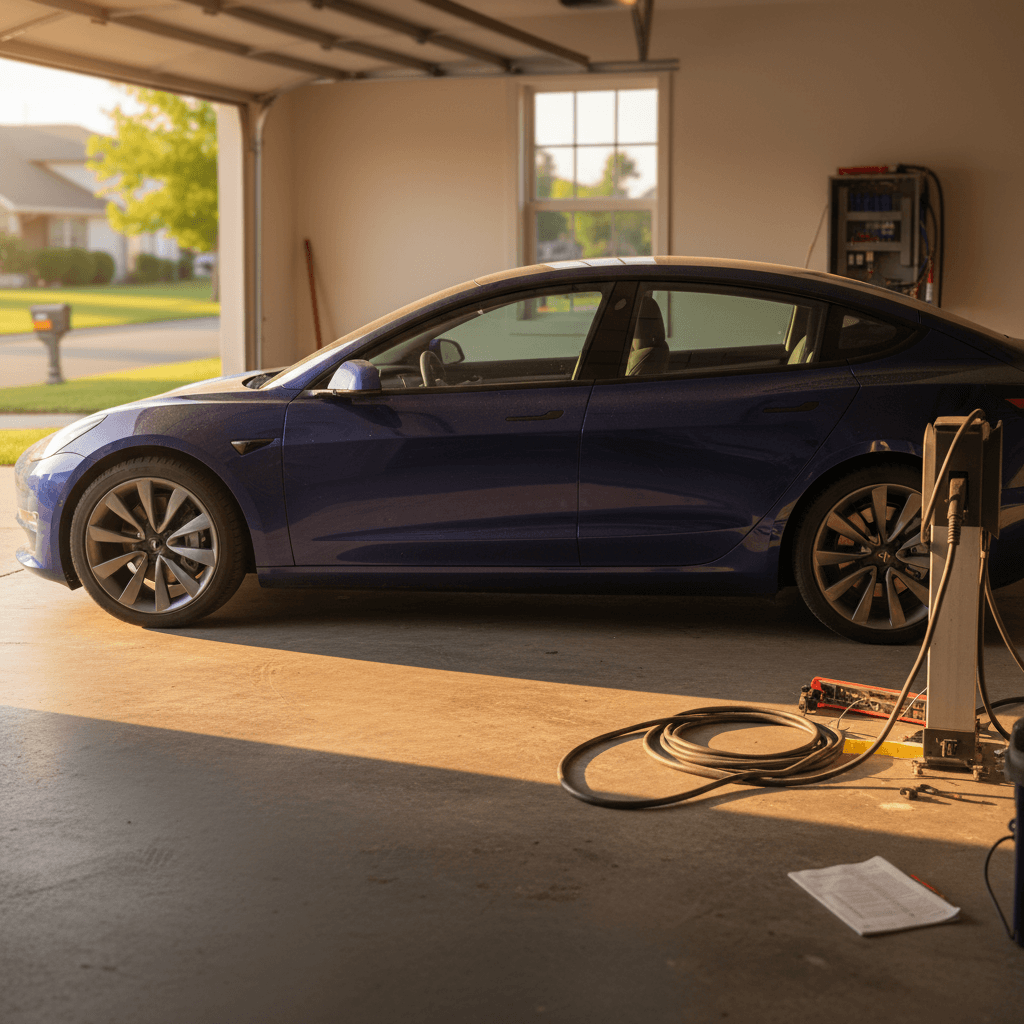
The best ownership experience with a Model 3, like any EV, comes if you can charge at home. With a 240V Level 2 setup, you plug in overnight and wake up to a full battery almost every morning. That routine makes range largely invisible until it’s time for a road trip.
If you rely heavily on public Level 2 or DC fast charging, the story is nuanced. Tesla Superchargers are excellent for long-distance travel, but depending on your region you may still find sparse coverage away from major corridors. Frequent DC fast charging also puts more stress on the battery over many years than mostly charging at home, something to keep in mind if you’re eyeing a high-mileage used car.
Ride comfort, space and practicality
The Model 3 is a compact sedan with a fairly firm suspension tune. It handles well but doesn’t float over potholes, and on rough concrete you may hear more tire and wind noise than in some German luxury sedans. Seats are generally comfortable for most body types, though taller rear passengers can find headroom tight under the sloping roof.
Cargo space is competitive for the segment thanks to a rear trunk plus a usable front trunk. The low, flat floor and wide opening make it easy to load strollers, groceries or luggage. Families with small kids often find it practical enough, but if you’re regularly hauling adults and gear, a Model Y or another crossover may be a better fit.
Living with the software and driver aids
Day to day, the Model 3’s software is a mix of delight and occasional friction. Navigation with built-in charging stops works well, Sentry Mode and the dashcam are genuinely useful, and OTA updates can keep the car feeling fresh. At the same time, heavy reliance on the touchscreen means that climate tweaks, mirror adjustments and some wiper settings require screen taps rather than muscle-memory controls.
Driver-assistance features like basic Autopilot can reduce fatigue on long highway stretches when used correctly. But because the system’s branding and marketing can encourage unrealistic expectations, you’ll want to treat it like cruise control on steroids, not a replacement for an attentive driver.
Who the Tesla Model 3 is, and isn’t, right for
Is the Tesla Model 3 a good fit for you?
Match the pros and cons to your real driving habits.
Great fit if…
- You can install home Level 2 charging.
- You value tech, OTA updates and a modern UI.
- You drive enough annually to benefit from lower energy costs.
- You want strong performance without paying for a luxury badge.
- You live reasonably close to a Tesla service center or mobile coverage.
Think twice if…
- Insurance quotes are already painful on your current car.
- You’re extremely sensitive to cabin noise and small rattles.
- You hate touchscreens and prefer lots of physical buttons.
- Your local Tesla service options are thin and you rely on your car daily for work.
Consider alternatives if…
- You need a hatchback or SUV form factor for cargo.
- You frequently drive on poor roads and prioritize plush ride comfort.
- Brand-new driver-assistance tech from legacy automakers (with dealer support) matters more than Supercharger access.
Tips for buying a used Tesla Model 3
Because so many Model 3s have been sold since 2017, the used market is deep, and the spread between a well-cared-for car and a neglected one can be huge. Here’s how to stack the pros in your favor while minimizing the cons.
Used Tesla Model 3 buying checklist
1. Prioritize battery and charging health
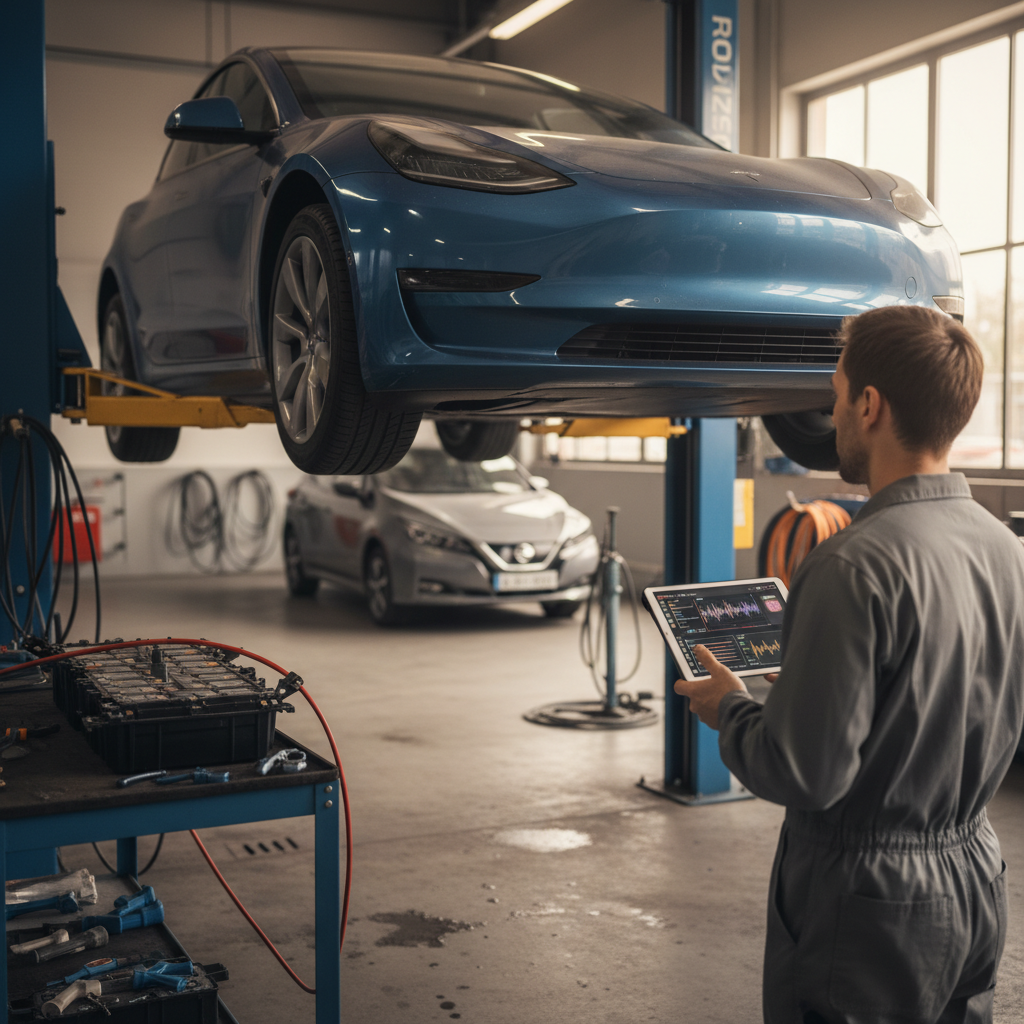
Battery health is the single most important factor on a used EV. Look at rated range at 100% charge compared with original specs, and review charging history if available. A professional battery health report, like the Recharged Score battery diagnostics, gives you objective data instead of guesses.
2. Inspect build quality, glass and interior noises
Look closely at panel gaps, doors, trunk alignment and glass for cracks or replacements. During a test drive, listen for rattles over bumps and on the highway. These issues aren’t necessarily deal-breakers, but you should price them into the deal.
3. Verify software packages and connectivity
Check which software options (Autopilot, Enhanced Autopilot, Full Self-Driving) are actually enabled on the car and whether premium connectivity is active or requires a subscription. Don’t pay FSD-level prices for a car that only has basic Autopilot.
4. Review service history and recalls
Ask for digital service records and check that recall work has been completed. Pay extra attention to suspension components, door handles, HVAC and charging hardware, which are all common wear or complaint areas as miles add up.
5. Get real insurance quotes on the specific VIN
Because Tesla insurance costs vary so much by region and driver profile, plug the VIN into insurer quote tools before you commit. This is especially important if you’re moving up from a cheaper-to-insure vehicle.
6. Buy from an EV-focused seller
A seller who understands EVs, and has the tools to test battery health, can flag issues a traditional dealer might miss. Recharged, for example, pairs each used Model 3 with a Recharged Score Report, EV-specialist support and the option for financing and trade-in in one digital experience.
Why Recharged focuses on battery health
Tesla Model 3 pros and cons: FAQ
Frequently asked questions
Bottom line: Is the Tesla Model 3 worth it?
The Tesla Model 3’s fundamental pros, compelling range, strong performance, access to the Supercharger network and modern software, remain intact, even as the EV market fills up with alternatives. Its cons, higher insurance, sometimes-fragile build quality, service bottlenecks and a polarizing touchscreen-first cabin, are real and worth taking seriously.
If you can charge at home, live within reach of Tesla service, and you’re comfortable trading some interior refinement for tech and charging convenience, a Model 3, new or used, still makes a lot of sense. If your priorities lean more toward traditional luxury, rock-bottom insurance or a cushier ride, it’s worth cross-shopping other EVs before deciding.
For used shoppers in particular, the smartest move is to treat each car as a specific asset: look beyond trim and odometer to battery health, service history, software configuration and real costs. That’s exactly the lens Recharged applies with every Model 3 it lists, so you can enjoy the upside of Tesla ownership with far fewer surprises.