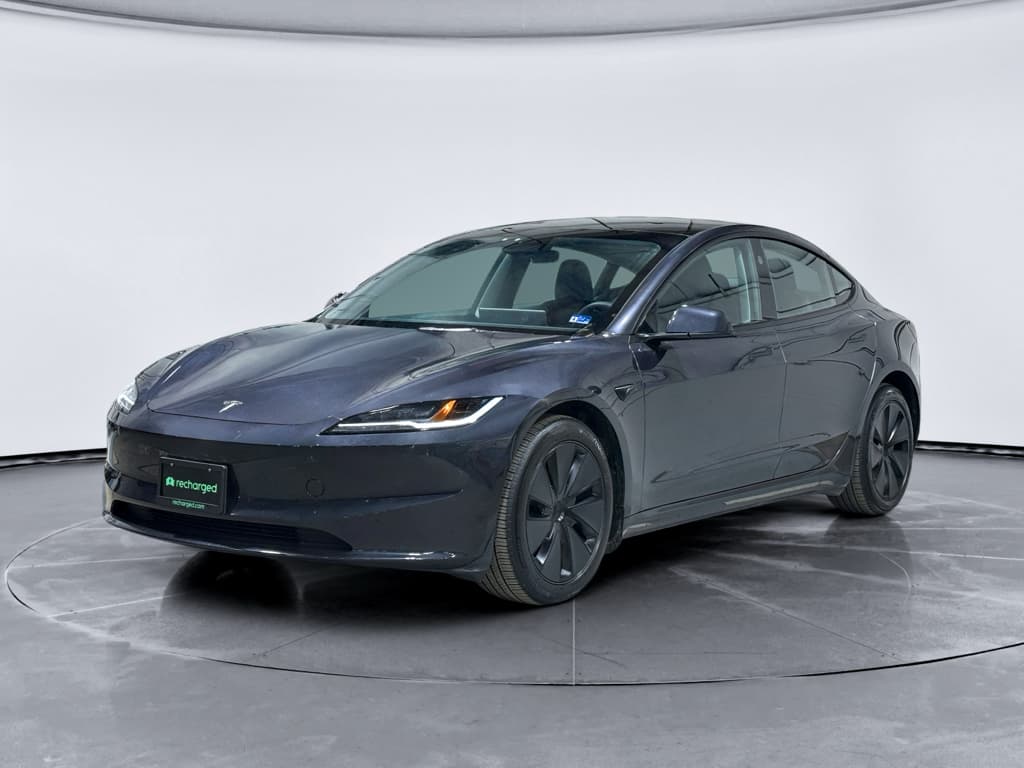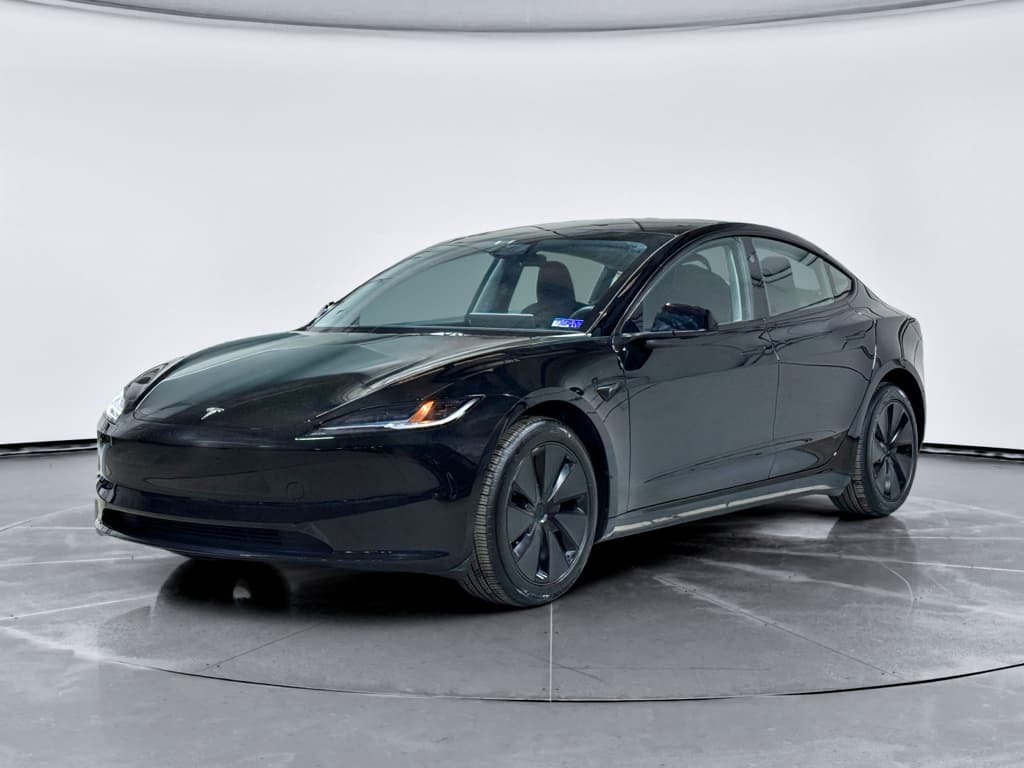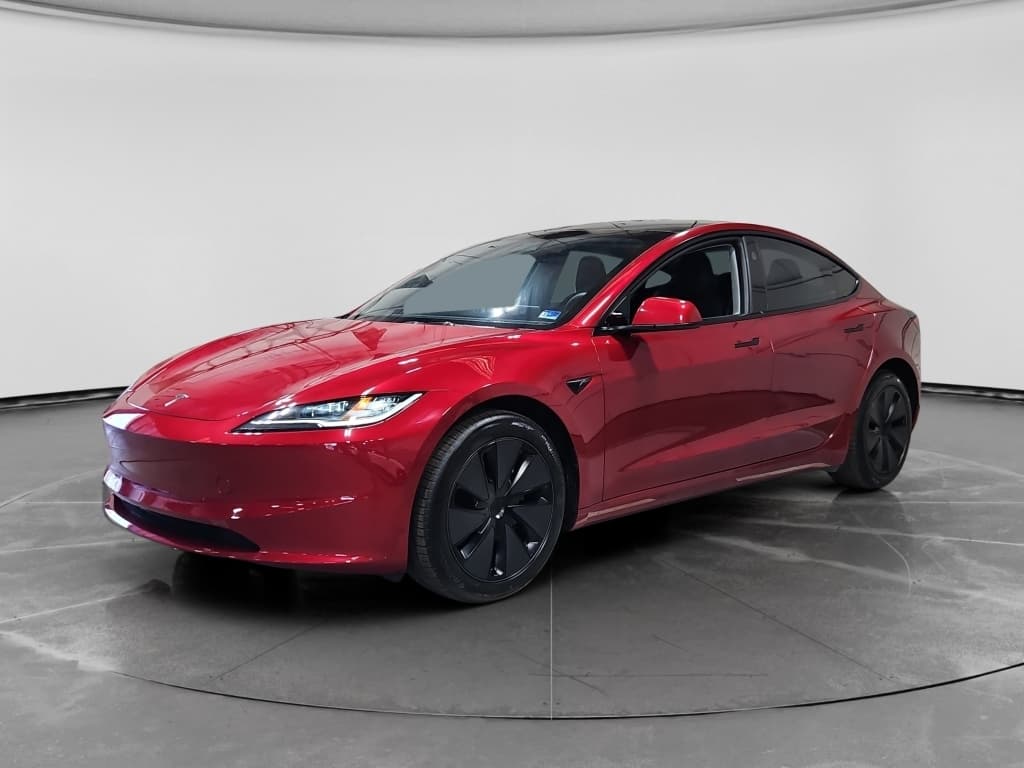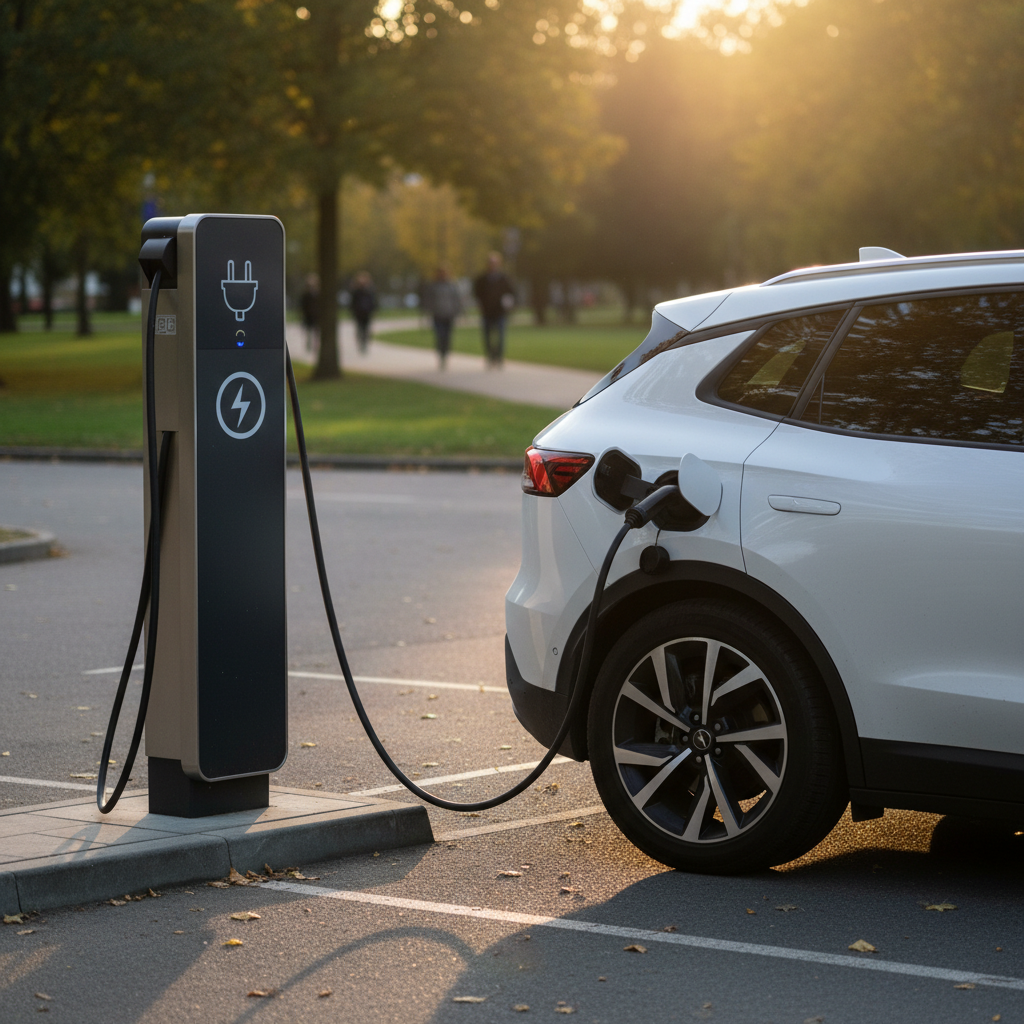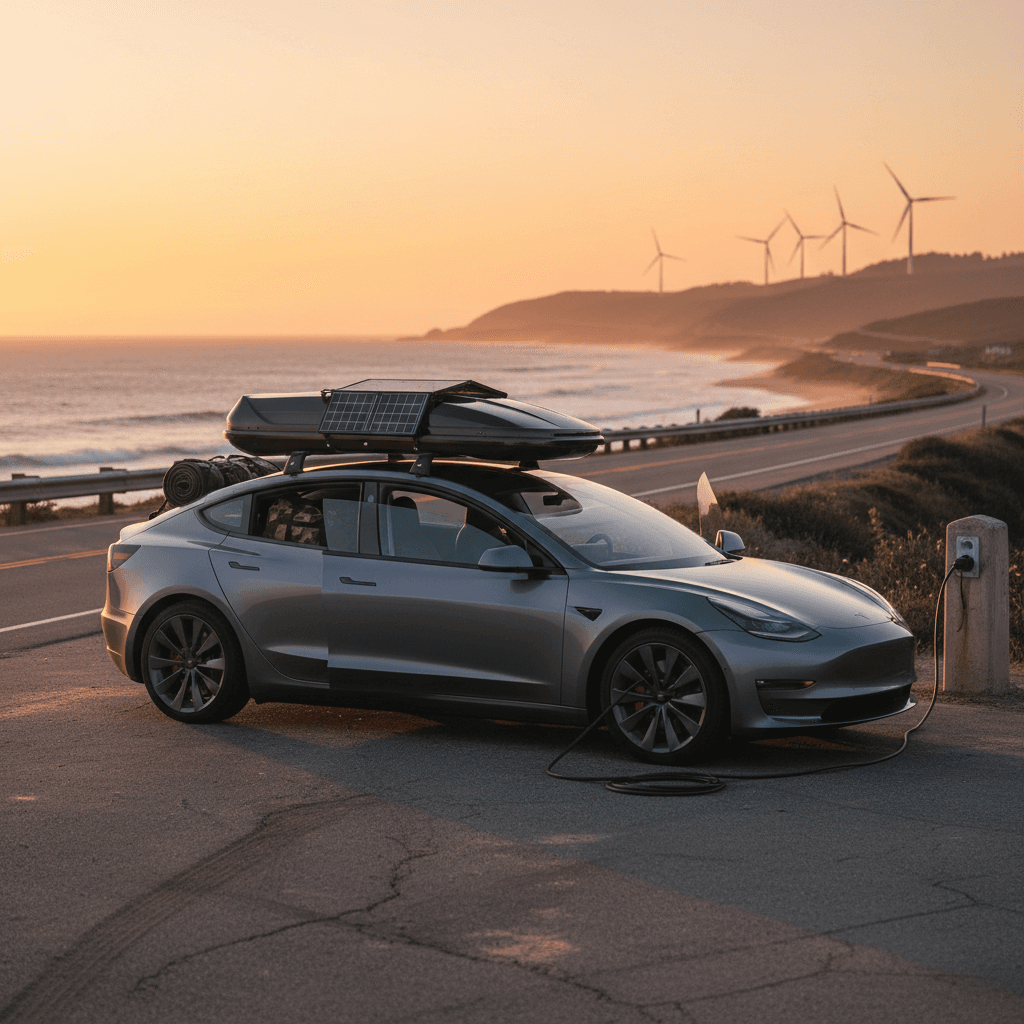
If you own a Tesla Model 3 or you’re thinking about buying one for road trips, you’re in a great spot. The Model 3 is one of the most efficient EVs on sale and pairs that efficiency with Tesla’s Supercharger network, two things that make long-distance driving in a Tesla Model 3 easier than in almost any other EV. Still, a little know‑how can be the difference between a relaxed cruise and white‑knuckle range anxiety.
Who this guide is for
Why the Tesla Model 3 shines on long trips
Why the Model 3 is a road-trip standout
Those numbers are averages, not promises. Your particular Model 3 (battery size, wheels, and year), your driving style, weather, and elevation all matter. But they tell you this: you can absolutely road-trip a Model 3 confidently if you plan around real-world range instead of the optimistic figure in the corner of the screen.
Quick rule of thumb
Know your real-world highway range
Before you start stacking 500‑mile days, you need a realistic sense of how far your Model 3 actually goes at highway speeds. EPA numbers are helpful for comparison, but your real‑world results will be lower, especially at 75–80 mph.
Key factors that shape your highway range
You can’t control all of them, but you can plan around them.
Speed
Above about 60 mph, aerodynamic drag climbs fast. The jump from 65 to 80 mph cuts range far more than most drivers expect.
Temperature
Cold batteries are less efficient and need more energy for cabin heat. Winter highway trips can reduce usable range by 20–40% compared with mild weather.
Vehicle setup
Larger wheels, aggressive tires, roof boxes, and heavy cargo all increase consumption. A lightly loaded car on aero wheels goes meaningfully farther on the same charge.
Use the Energy screen, not just the %
- On a clear day, drive a familiar highway route at a steady speed (use cruise or Autopilot where legal and safe).
- Reset Trip B or the current drive and note your Wh/mi over at least 30–50 miles.
- Compare that number with your typical city driving consumption. Expect highway Wh/mi to be higher than Tesla’s combined EPA figure, especially if you’re running 70–80 mph.
- Use that real‑world Wh/mi when you plan future trips, especially in winter, when you should add an extra buffer.
Smart trip planning and routing tools
The good news: your Model 3 does most of the hard work on long trips. The built‑in navigation knows Supercharger locations, real‑time availability, elevation, and typical speeds. If you simply enter your destination and follow its instructions, you’ll complete almost any interstate trip without touching a calculator.
Best tools for planning a Tesla Model 3 road trip
Combine Tesla’s built-in tools with third-party planners for maximum confidence.
In‑car Trip Planner
Enter your destination in the car’s navigation. It will:
- Choose Supercharger stops automatically
- Estimate arrival % at each stop
- Precondition the battery on approach for faster charging
Third‑party planners
Apps like A Better Routeplanner (ABRP) let you:
- Model different speeds and temperatures
- Set desired arrival/departure battery levels
- Compare routes with different stop patterns
Web trip planning
Tesla’s online trip planner and many public EV apps help you sanity‑check routes before you leave, especially if you’ll mix Superchargers with third‑party fast chargers.
Trust, but verify
Pre‑trip checklist for your first long Model 3 drive
1. Update software and maps
Make sure your car has the latest software and navigation data before you leave. Updates can refine energy predictions and charger locations.
2. Check charging hardware
Verify you have your Tesla charging cable, adapters you need for home or destination charging, and any third‑party fast‑charging memberships if you plan to use non‑Tesla stations.
3. Add your destination in advance
Enter the full trip into the car and review the suggested stops. Look at the arrival % for each leg and mentally note the longest gap between chargers.
4. Plan overnight charging
If your trip includes hotel or Airbnb stays, try to choose places with Level 2 charging so you can start each day near 80–90%.
5. Set realistic daily mileage
Even in a Model 3, 600‑mile days are tiring. If you’re new to EV road trips, consider aiming for 350–500 miles per day with time baked in for meals and charging.
Building a smart Supercharger strategy
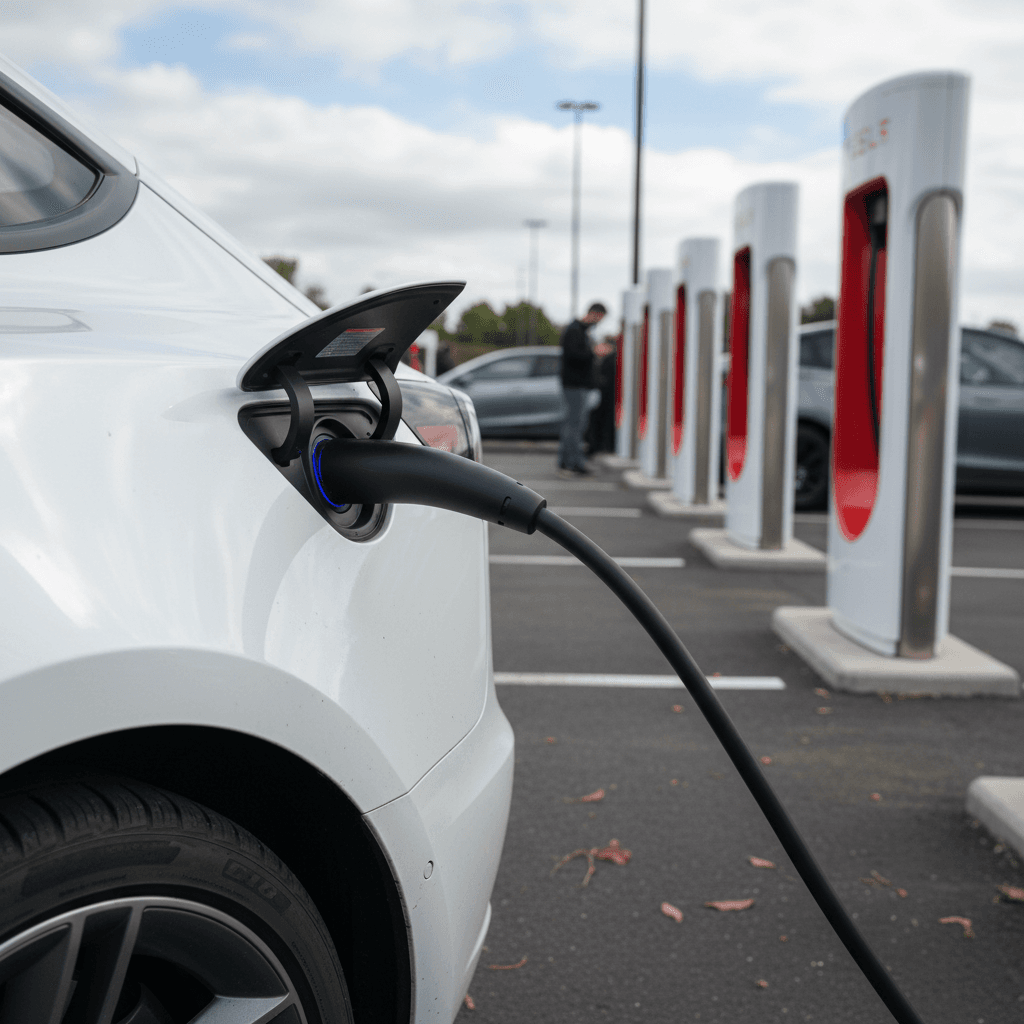
With a gasoline car, you typically fill from near empty to full. With a Tesla, that’s not the fastest way to travel. Because fast‑charging power tapers as the battery fills, the most time‑efficient strategy on long runs is to arrive low and leave before 80% instead of "topping off" every time.
Time-efficient routine
- Drive until ~10–20% state of charge (SoC).
- Supercharge back up to ~60–75% SoC.
- Repeat with more frequent, shorter stops.
This keeps you in the fastest part of the charging curve and often matches mealtimes and restroom breaks naturally.
When to charge higher
- Long gaps between Superchargers.
- Mountain passes or severe cold ahead.
- When your destination has no charging.
In those cases, it’s perfectly reasonable to charge to 85–90%, just know the last 10–15% will add time.
Aim for the sweet spot
- Prefer V3 or newer Superchargers when possible, they support higher peak power for recent Model 3 variants.
- When you navigate to a Supercharger, let the car precondition the battery in the last 15–25 minutes of driving for faster charging.
- Avoid unnecessary charging beyond what you need to comfortably reach the next stop plus a buffer (often 10–20%).
- If a site is very busy, try to avoid sharing a paired stall (often labeled 1A/1B, 2A/2B) with another car if the site still uses power sharing. Newer sites reduce this issue but it’s still worth paying attention.
Driving techniques that really improve range
The Model 3 is efficient by design, but your right foot still has the final say. The good news: you don’t need to hypermile or crawl in the right lane. A few simple habits can add 30–60 extra miles of usable range on a long day.
High-impact driving habits for long-distance efficiency
These changes matter more than turning the A/C down one notch.
Hold a steady speed
Use cruise control or Autopilot where legal. Constantly speeding up and slowing down, even within the same average speed, wastes energy.
Moderate top speed
On long legs, 70–72 mph instead of 80+ mph can save 10–20% of your energy use and reduce how often you need to stop.
Respect elevation and wind
Climbing long grades and driving into a strong headwind can burn energy quickly. Use the Energy screen’s projected arrival % and adjust speed early if the estimate drops more than a few points.
Avoid “zero hero” driving
- Use Chill mode if you tend to accelerate hard, it smooths your inputs without making the car feel sluggish.
- Glance at Wh/mi occasionally instead of obsessing over rated miles. It’s the best window into how your driving affects range.
- If your arrival estimate drops faster than you’re comfortable with, slow down 5–10 mph early. It’s far more effective than panicking in the last 20 miles.
- Don’t tailgate trucks for "drafting" benefits; it’s unsafe and the efficiency gain isn’t worth the risk.
Climate control, comfort, and their impact on range
Comfort is a big part of any road trip. Fortunately, the Model 3’s heat pump (on newer cars) and seat heaters are efficient, so you don’t have to freeze or sweat to save range. You just need to use the systems wisely, especially in very hot or very cold weather.
In cold weather
- Precondition while plugged in. Warm the cabin and battery before departure so the car uses grid power instead of battery energy.
- Use seat and steering‑wheel heaters. They use much less energy than blasting cabin heat.
- Expect higher consumption. Heating plus a cold battery can easily raise Wh/mi by 20–40%. Build that into your planning.
In hot weather
- Pre‑cool while plugged in before you leave.
- Use Auto A/C at a reasonable temperature (for example, 70–72°F) instead of cycling between extremes.
- Park in shade at long stops to reduce how hard the A/C has to work when you return.
Comfort first on vacation
Protecting battery health on frequent long trips
One of the most common questions from new EV owners is whether road trips are "hard" on the battery. Occasional or even regular long‑distance driving is perfectly fine for a Model 3 as long as you follow a few basic battery‑friendly habits.
Battery‑friendly habits for long-distance Tesla driving
These tips help keep degradation gradual over years of ownership.
Daily charge limits
For most non‑LFP packs, set your daily limit around 80–90% and only charge to ~100% right before leaving on a long leg.
Limit time at 100%
It’s fine to charge full for a big day, just avoid letting the car sit at or near 100% for many hours, especially in hot weather.
Avoid extreme heat when possible
High battery temperatures plus repeated fast charges are the harshest combo. Let the car manage its own cooling and don’t worry about occasional hot days, but avoid unnecessary abuse.
Used Model 3? Check real battery health.
Must-have gear and settings for Model 3 road trips
You don’t need a trunk full of gadgets to road‑trip a Model 3, but a short list of accessories and in‑car settings can make your life significantly easier on the highway.
Model 3 road‑trip gear & settings
1. Charging cable & adapters
Always bring your mobile connector and any plug adapters you own. They’re invaluable for destination charging at relatives’ homes, campgrounds, or small inns.
2. Tire inflator and gauge
Low tire pressures hurt efficiency and safety. A compact inflator and a quick check every few days on a long trip can pay for themselves in range and peace of mind.
3. Phone mount & cables
Yes, the Tesla screen does a lot, but a stable place for your phone (for music, podcasts, or backup navigation) keeps your hands where they belong.
4. Autopilot familiarity
If your Model 3 has Autopilot or similar driver‑assist features, learn the controls before the trip. On long freeway stretches, they reduce fatigue when used attentively and correctly.
5. Driver profiles for comfort
Create profiles for each driver with preferred seat, mirror, and steering settings. Swapping drivers at a Supercharger is easier when the car adjusts automatically.
6. Simple organization
Use a small tote or organizer for snacks, charging cables, and cleaning wipes. A tidy cabin feels better at hour eight than one full of loose gear.
Tesla Model 3 long-distance driving FAQ
Frequently asked questions about Model 3 road trips
How Recharged can help with your next Model 3
Long‑distance driving in a Tesla Model 3 is genuinely easier than in most EVs, but like any good trip, it rewards a bit of planning. If you understand your real‑world highway range, let the car’s Trip Planner do its job, keep your speed reasonable, and use a smart Supercharger strategy, you’ll find that 400‑ and 600‑mile days can be almost routine.
If you’re shopping for a Model 3 specifically for road trips, Recharged can help you choose the right car and buy with confidence. Every vehicle includes a Recharged Score Report with verified battery health and fair‑market pricing, and our EV specialists can walk you through how that translates into real‑world highway range. You can finance, trade in, or even sell your current vehicle through Recharged, and we offer nationwide delivery plus an in‑person Experience Center in Richmond, VA for those who want to see vehicles up close before a long‑distance adventure.
However you buy, the bottom line is simple: treat your Model 3’s battery well, trust the tools Tesla gives you, and drive with a light but steady foot. Do that, and your car will be ready for just about any road you’re willing to tackle.