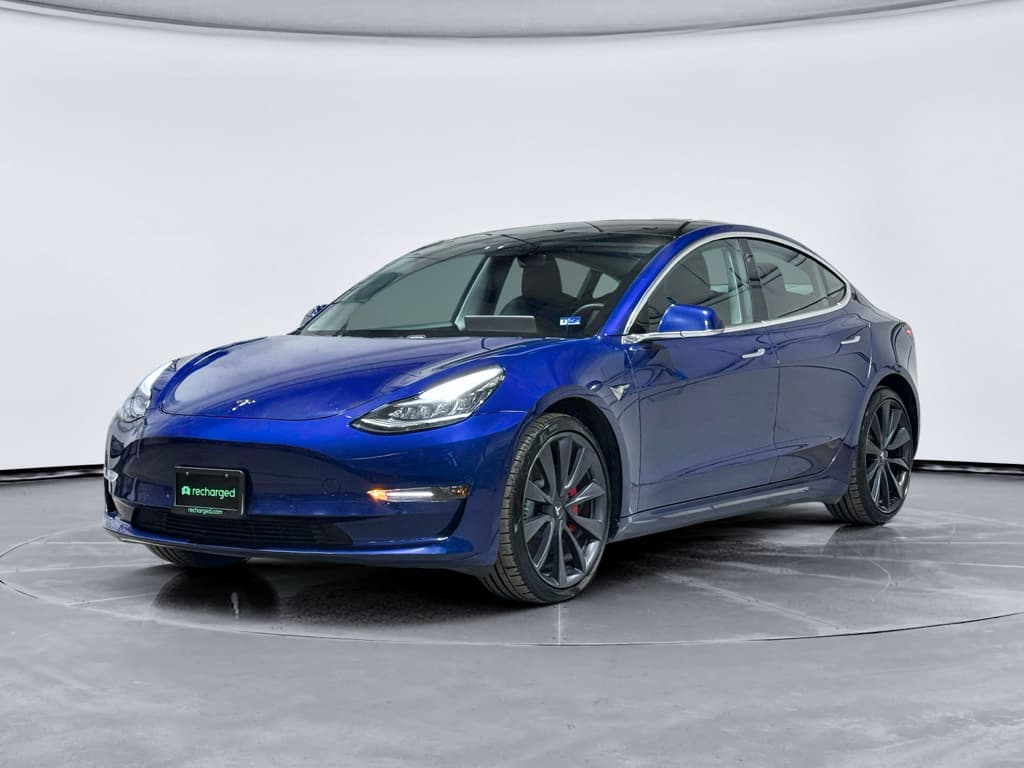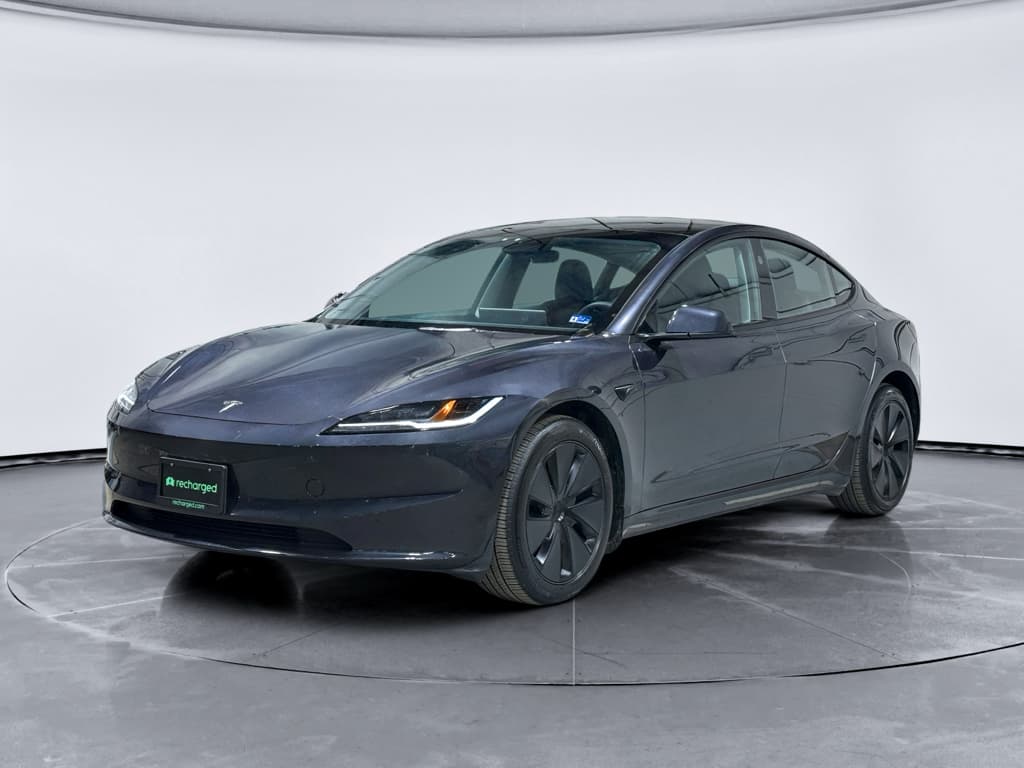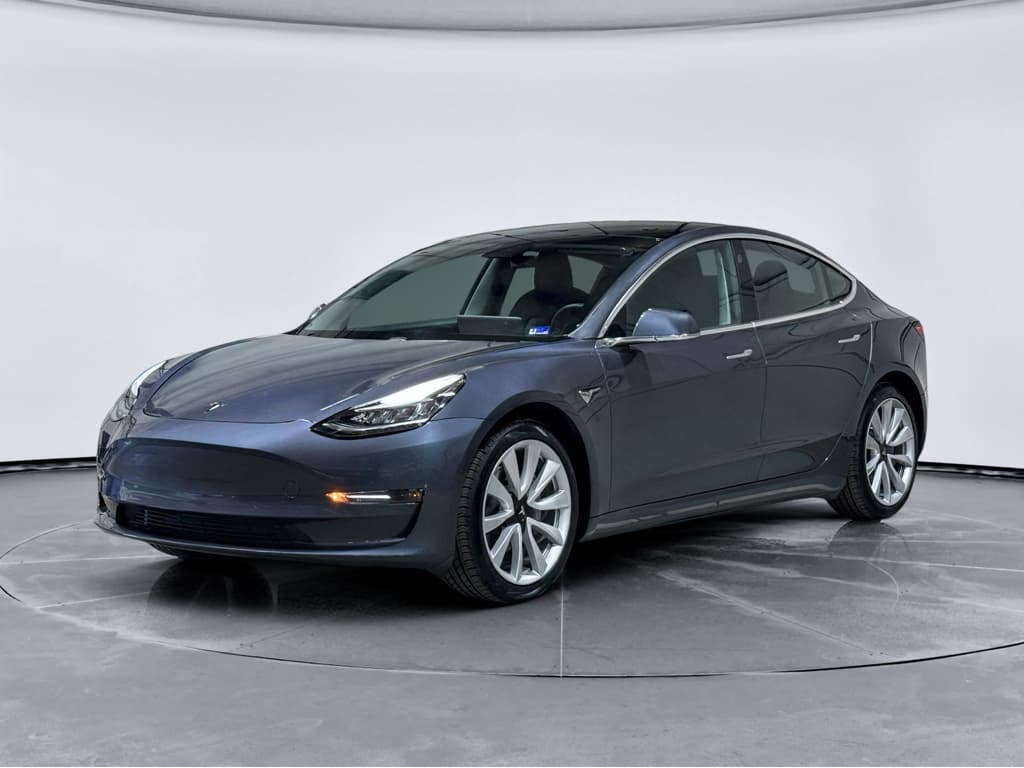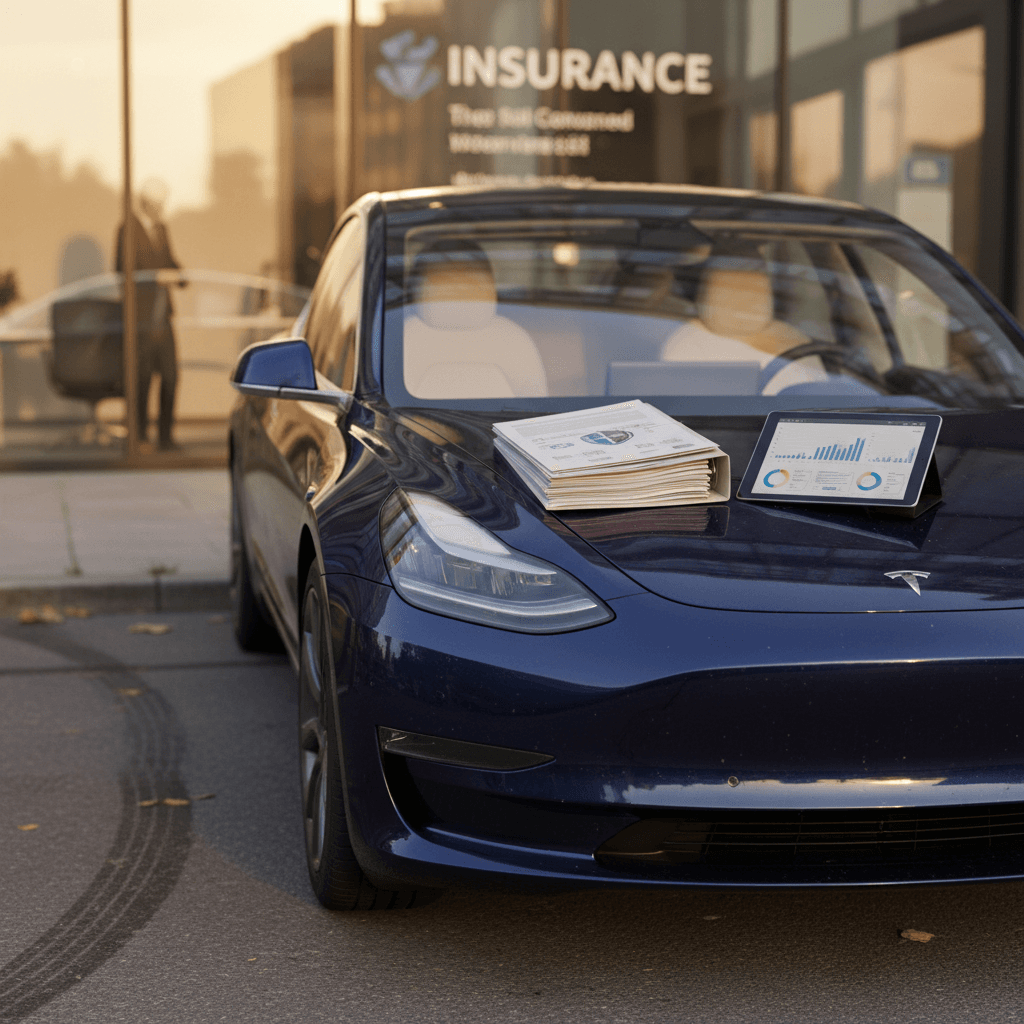
If you’re shopping for a Tesla Model 3, especially a used one, you’ve probably heard the horror stories: great efficiency, brutal insurance bill. In 2026, Tesla Model 3 insurance cost is still meaningfully higher than the national average, but the real numbers (and how much control you have over them) are more nuanced than the headlines suggest.
Key takeaway
How much does Tesla Model 3 insurance cost in 2026?
There’s no single answer because insurers price risk like a fingerprint, unique to you. But recent nationwide analyses of 2025–2026 rates give us a solid range for a typical U.S. driver with good credit, a clean record, and full coverage on a late‑model Tesla Model 3.
Typical Tesla Model 3 insurance costs in 2026
Why the spread? One large study of Model 3 insurance pegged average full‑coverage costs around $3,400 per year for a typical driver, with some carriers and states reaching well above that. Another EV‑focused analysis came in much lower, closer to $1,990 per year for full coverage on a Model 3, with minimum‑coverage policies under $600. Both can be true: the “average” is hiding enormous variation by state, insurer, and driver profile.
Expect volatility
Why is Tesla Model 3 insurance more expensive than average?
Think of insurers as pessimistic engineers: they care less about 0–60 times and more about how spectacularly expensive a mistake can be. The Model 3 looks “entry‑level” in Tesla’s showroom, but in the actuarial tables it behaves more like a compact luxury car than a Corolla.
The big forces pushing Model 3 insurance up
None of them are unique to you, but they all land on your bill.
Expensive, specialized repairs
Sensor & camera damage
Performance & driver behavior
Luxury positioning
Rising EV repair inflation
Vandalism & controversy
The upside: safety still helps
Tesla Model 3 insurance cost by age and coverage level
Age and coverage choices are two of the biggest levers you actually control. A 22‑year‑old in a Performance Model 3 on full coverage is living a very different actuarial life than a 45‑year‑old in a base RWD model carrying high deductibles.
Illustrative Tesla Model 3 insurance ranges by age & coverage
These are broad directional ranges meant to help you benchmark quotes, not guaranteed prices. Assumes a clean record and good credit in an average‑cost state.
| Driver age | Coverage type | Typical annual range | What this usually looks like |
|---|---|---|---|
| 18–24 | Full coverage | $3,000–$5,000+ | Newer Model 3, low deductibles, city ZIP code, maybe a performance trim. |
| 18–24 | State‑minimum or basic liability | $1,400–$2,400 | Owners trying to keep the car but cut costs; risky given vehicle value. |
| 25–39 | Full coverage | $2,200–$3,800 | Most common scenario for single‑car owners and commuters. |
| 25–39 | Liability plus some physical damage | $1,200–$2,000 | Higher deductibles, fewer optional coverages; often used on older Model 3s. |
| 40–64 | Full coverage | $1,800–$3,200 | Best pricing sweet spot if you have a good record and credit. |
| 65+ | Full coverage | $2,000–$3,600 | Solid discounts offset partially by higher perceived risk at older ages. |
Younger drivers and richer coverage push Model 3 premiums to the top of the EV pack.
Resist the ‘bare minimum’ temptation
Tesla Model 3 insurance cost by state
Your ZIP code is destiny in insurance pricing. The exact same driver with the exact same car can see a $1,500 swing in annual premiums just by moving across state lines.
Sample Tesla Model 3 full‑coverage costs by state
Recent 2025–2026 surveys show wide differences in what Model 3 owners pay for full coverage, driven mostly by local claim costs and state insurance rules.
| State | Approx. annual full coverage | Relative to U.S. average |
|---|---|---|
| Louisiana | ≈$5,700 | Much higher – one of the most expensive states to insure a Model 3. |
| Texas | ≈$4,700 | Well above average, especially in major metros. |
| California | ≈$4,200 | High; traffic density and repair costs drive premiums up. |
| Michigan | ≈$4,800 | High; historically expensive personal‑injury environment. |
| Rhode Island | ≈$4,300 | Higher than average for all vehicles, including EVs. |
| Idaho | ≈$2,200 | Among the lowest, thanks to lower claim frequency and costs. |
| Hawaii | ≈$2,100 | Lower than average despite high cost of living. |
| Virginia | ≈$2,400 | Below average; relatively friendly territory for Model 3 insurance. |
| Ohio | ≈$2,450 | Often cited as one of the better states for affordable auto coverage. |
| New York (statewide avg) | ≈$2,300 | Below the national average for Model 3, though NYC itself can be far higher. |
High‑cost states often combine dense traffic, elevated medical costs, and challenging legal environments for insurers.
City vs. suburb vs. rural
Insurance costs: new vs. used Tesla Model 3
Here’s the good news for used‑EV shoppers: as the car ages and its replacement value drops, the cost to insure a Model 3 often bends downward, especially once you’re past the first 3–4 model years.
Newer Model 3 (2023–2026)
- Higher comprehensive & collision costs because the car is worth more and parts are newer and pricier.
- More likely to be financed, so lenders require robust coverage and lower deductibles.
- Latest tech can cost more to repair if a crash takes out sensors or cameras.
Older Model 3 (2017–2021)
- Lower replacement cost means insurers have less at risk, which can trim premiums.
- Owners sometimes raise deductibles or drop certain coverages, especially on higher‑mileage cars.
- Still modern on safety tech, which helps preserve good loss performance relative to other older cars.
Smart move with a used Model 3
Tesla Insurance vs. traditional insurers for the Model 3
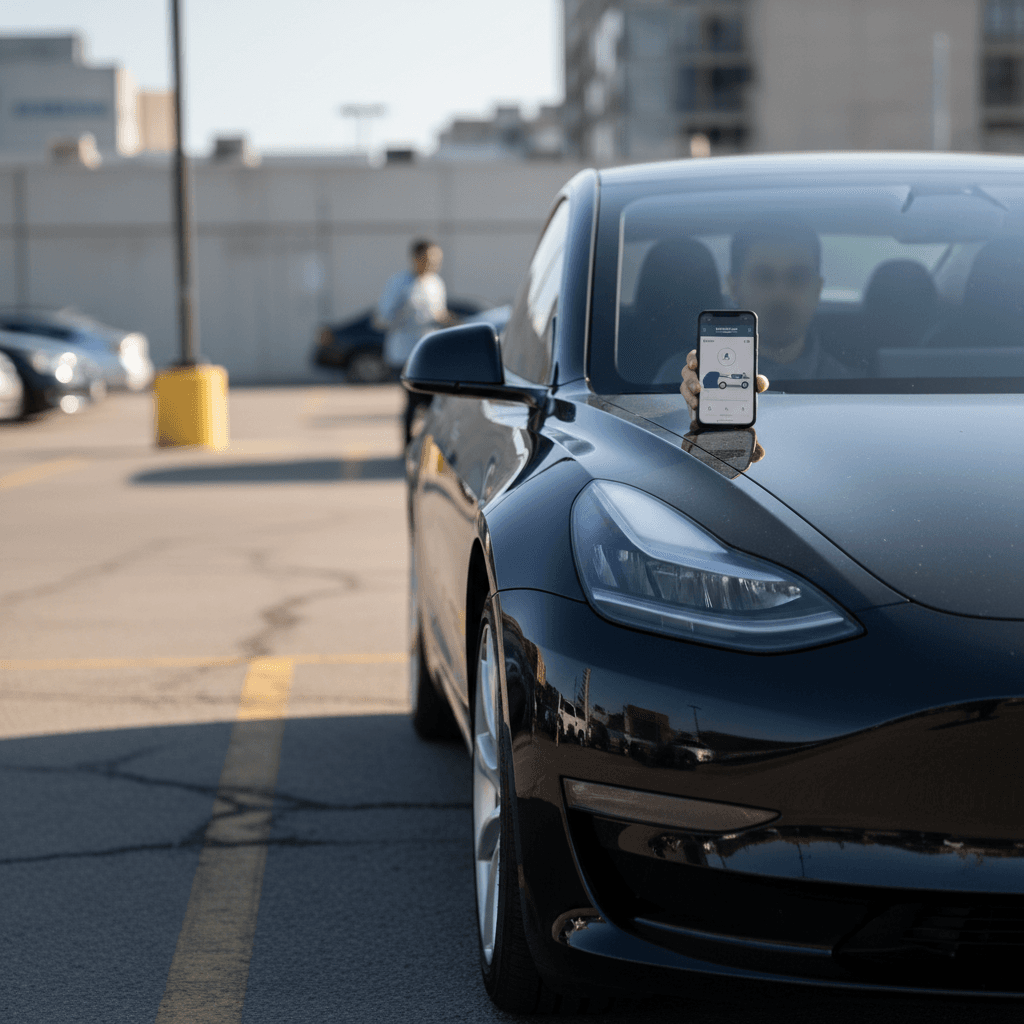
Tesla offers its own branded insurance in many states, using driving‑behavior data from your car to price premiums. Traditional insurers still dominate the market, though, and each side has trade‑offs.
Tesla Insurance vs. traditional insurers
What matters isn’t the logo, it’s the total package: price, coverage, and claims experience.
Tesla Insurance
- Uses your real‑world driving data (hard braking, aggressive turning, etc.) to adjust rates.
- Can offer competitive pricing for very clean drivers who don’t mind telemetry.
- Designed around Tesla repairs and certified body shops.
- Not yet available in every state; coverage options can differ from what you’re used to.
Traditional insurers
- Price based on traditional factors: age, ZIP code, record, credit, prior insurance history.
- More choice: from budget‑focused carriers to premium ones with white‑glove claims service.
- Sometimes more expensive for Teslas, but not always, quotes vary wildly by company.
- Easier to bundle home, renters, umbrella, or other cars for a multi‑policy discount.
Pay with data or pay with dollars
How to lower your Tesla Model 3 insurance cost
You don’t control the price of aluminum or the mood of juries in Louisiana, but you do control how your Model 3 looks to an underwriter. Think of it like range management: lots of small optimizations add up.
Practical ways to cut Model 3 insurance costs
1. Shop widely, don’t assume Tesla Insurance is best
Quotes for the same Model 3 can differ by over $1,000 per year between carriers. Get at least three quotes: one from Tesla (if available), one from a big national brand, and one from a regional or online‑only insurer.
2. Adjust deductibles strategically
Raising your comprehensive and collision deductibles from $500 to $1,000 can noticeably lower premiums. Only do it if you can comfortably cover that higher out‑of‑pocket cost after a loss.
3. Right‑size your coverage limits
Don’t skimp on liability, medical and legal costs add up fast. But review optional extras you might not need, like rental reimbursement or very low glass deductibles, especially on older cars.
4. Use telematics and safe‑driver programs
Many insurers, not just Tesla, offer discounts for letting them monitor your driving via an app. If you’re already driving smoothly to preserve range, you might as well get rewarded.
5. Improve your ‘paper resume’
Maintaining a clean record, avoiding lapses in coverage, and strengthening your credit profile over time can all push your rate down. Insurers price people as much as they price cars.
6. Mind where (and how) you park
Garage parking, secure lots at work, and avoiding high‑crime or vandalism‑prone areas when possible can reduce comprehensive‑coverage risk, and sometimes your premium.
Bundle your way to savings
How Model 3 insurance compares to other EVs
The Tesla Model 3 sits in an awkward middle‑child position: not as punishing to insure as a Model S or X, but often pricier than most mainstream EVs and many compact SUVs.
Model 3 insurance vs. other popular EVs (full coverage)
Directionally, here’s how annual premiums tend to stack up for similar drivers and coverage levels.
| Model | Ballpark annual full‑coverage cost | How it compares |
|---|---|---|
| Tesla Model 3 | ≈$2,000–$3,500+ | Baseline for this guide; higher than the U.S. average car and many compact crossovers. |
| Tesla Model Y | ≈$2,500–$3,800+ | Generally a bit more expensive than the Model 3 to insure. |
| Tesla Model S / X | $3,500–$5,000+ | Among the most expensive EVs to insure due to price and complexity. |
| Ford F‑150 Lightning | ≈$3,000+ | Large truck platform with high repair and replacement costs. |
| Mainstream EV (Bolt, LEAF, Kona EV, etc.) | ≈$1,700–$2,700 | Tend to be cheaper to insure than Teslas, depending on trim and usage. |
| Popular gas compact SUVs (CR‑V, RAV4, etc.) | ≈$2,200–$2,400 | On average, still cheaper to insure than many Teslas despite market‑wide rate increases. |
Your personal numbers will vary, but the hierarchy, Teslas at the pricier end, is fairly consistent in recent national data.
Insurance is only one line on the spreadsheet
EV shopping: how insurance fits into total cost of ownership
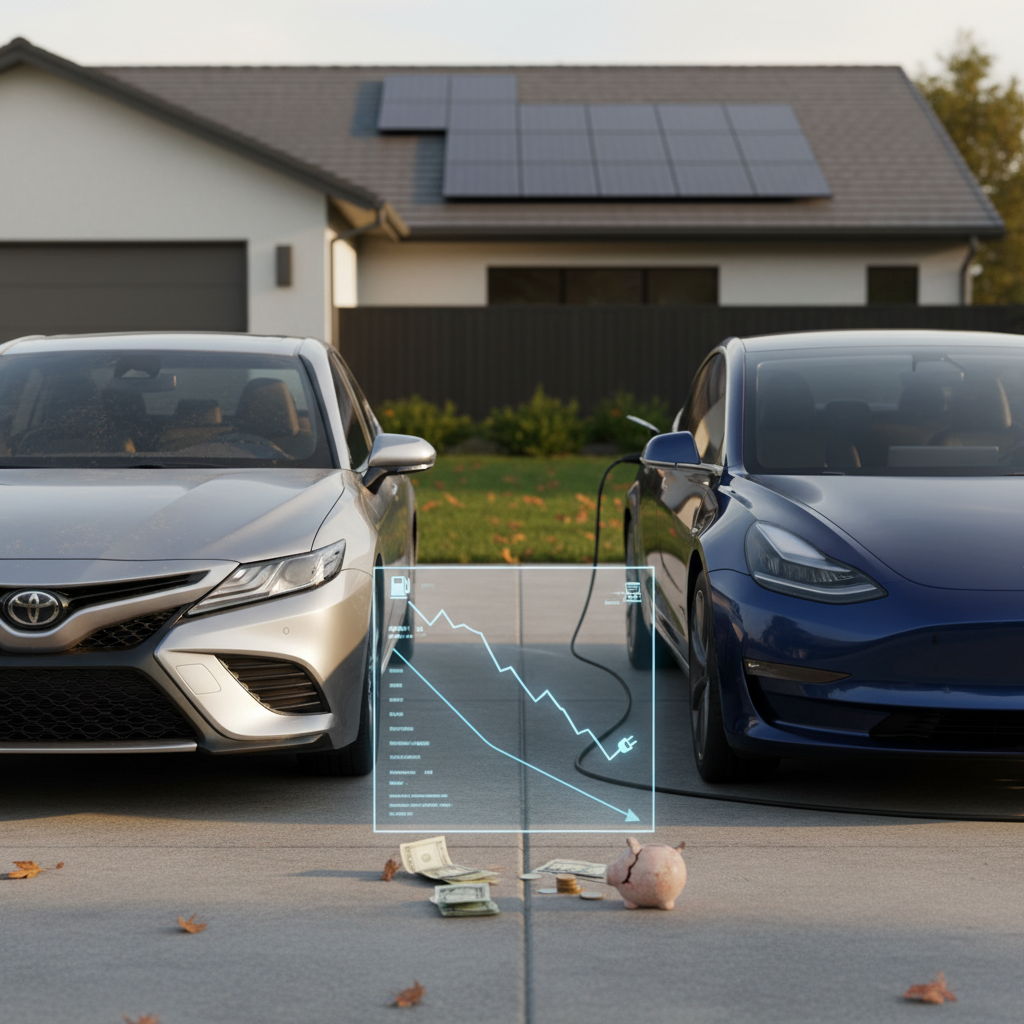
When you’re staring at a glossy Model 3 listing, it’s easy to focus on sale price and monthly payment. Insurance, taxes, charging costs, and depreciation live in the fine print, but they decide whether you still love the car two years in.
1. Upfront price & financing
A used Model 3 can dramatically undercut the price of a new EV. Platforms like Recharged pair that with transparent pricing, available financing, and tools to see your estimated payment before you fall in love.
2. Insurance & protection
For a Model 3, insurance is often your second‑largest ongoing cost after the loan. Getting realistic quotes, before you buy, is as important as the test drive. If you’re trading out of a gas car, factor in both the premium jump and your fuel savings.
3. Energy, maintenance & battery health
Electricity is usually cheaper than gas, and Teslas skip oil changes and most traditional maintenance. With Recharged’s Recharged Score battery health report, you can also see how a used Model 3’s pack has aged, which helps you project long‑term value.
Use pre‑qualification to test scenarios
FAQ: Tesla Model 3 insurance cost
Frequently asked questions about Tesla Model 3 insurance
The Tesla Model 3 has earned its place as the default modern EV: quick, efficient, familiar. Its insurance costs, though, are very much not default. In 2026, a Model 3 can be 15–30% more expensive to insure than a comparable gas car, and the spread between the best and worst quotes is wide enough to drive a Cybertruck through. If you treat insurance as part of the spec sheet, not an afterthought, you can make a sharp‑penciled decision: choose the right model year, trim, and coverage, shop aggressively, and pair all of that with a well‑vetted used example. That’s where platforms like Recharged, with transparent pricing, battery‑health reports, and easy pre‑qualification, can turn a notoriously tricky car to insure into a smart long‑term buy.