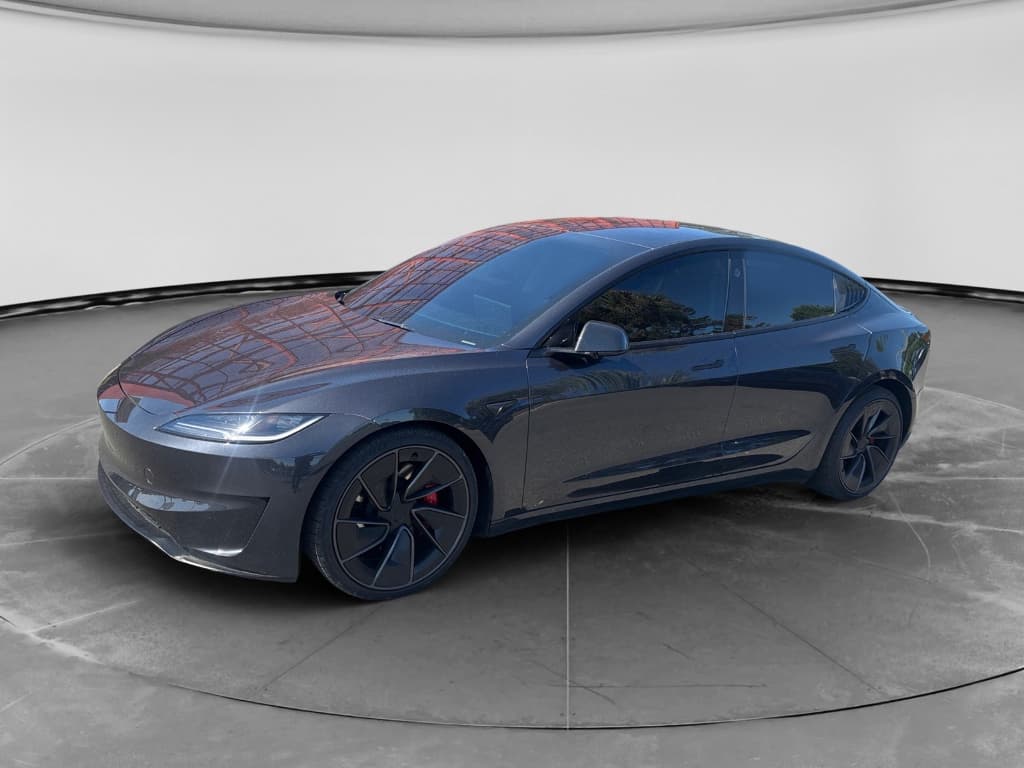
If you’re trying to budget for Tesla Model 3 brake service cost, you’re already ahead of most shoppers. EVs like the Model 3 use regenerative braking, which means pads and rotors last far longer than on a gas car, but when you do finally need brake work, the bill can still sting if you’re not prepared.
At-a-glance answer
Overview: What does Tesla Model 3 brake service cost?
Typical Tesla Model 3 brake service price ranges (US, 2025)
Those ranges are broad because labor rates vary wildly by region and because you’re choosing between Tesla Service Centers, mobile EV specialists, and general repair shops that now have more Tesla experience than a few years ago. A mobile service provider quoting nationwide averages lists Model 3 front brake pad replacement around $160–$260 in many markets, while some EV-focused shops quote $300–$900 per axle depending on pad compound and rotor work.
These are typical, not guaranteed
Why Tesla Model 3 brakes usually last longer
The Model 3 uses strong regenerative braking: when you lift off the accelerator, the motors act as generators, slowing the car and feeding energy back into the battery. The hydraulic friction brakes are there for hard stops, low-speed work, and situations where regen is limited (cold battery, full charge, or specific settings), but they’re used much less than on a gas car.
Tesla’s own owner’s manual points out that because Model 3 uses regenerative braking, brake pads are typically used less frequently than in traditional braking systems. In real-world terms, that means many Model 3 owners don’t see pad or rotor replacement until well past 80,000–100,000 miles, assuming mostly highway driving and moderate climates. For comparison, conventional cars often need front pads somewhere around 30,000–60,000 miles.
Rust and seizing can matter more than wear
Common Tesla Model 3 brake services and typical costs
Let’s break down the main brake-related services you’ll see for a Tesla Model 3 and what they usually cost in the U.S. in 2025. These are ballpark figures meant to help you budget and spot outliers, always confirm with a quote for your VIN and location.
Tesla Model 3 brake service: typical cost ranges
Approximate U.S. pricing for common brake services on a Tesla Model 3 as of late 2025.
| Service | What it includes | Typical cost range (per axle or visit) | Notes |
|---|---|---|---|
| Pad replacement only | Front or rear pads, hardware, labor | $150–$300/axle | Independent/mobile shop pricing; Tesla may be higher |
| Pads + rotor replacement | Pads, new rotors, hardware, labor | $400–$800/axle | Higher-performance or rusted rotors at top end |
| Rotor resurfacing + pads | Machine rotors, new pads, labor | $300–$600/axle | Less common on heavily rusted rotors |
| Brake fluid flush | Drain/bleed system, refill with new fluid | $100–$200/visit | Recommended every ~4 years or as needed |
| Caliper cleaning & lubrication | Remove surface rust, free sliders, apply lubricant | $100–$250/visit | Critical in salted-road regions |
| Caliper replacement | Replace one or more calipers, bleed system | $400–$700 each | Specialized parts and software add cost |
| Full brake job | Pads, rotors, fluid, sometimes calipers | $900–$2,500+ total | Only needed at high mileage or when neglected |
Actual pricing depends on labor rates, parts brand, and whether you use Tesla or an independent EV specialist.
Ask shops for a parts vs labor breakdown
Tesla Service Center vs independent EV shop pricing
Tesla Service Center
- Pros: Access to the latest service bulletins, genuine Tesla parts, and seamless integration with the Tesla app for estimates and scheduling.
- Cons: Labor rates tend to be higher, and some centers default to replacing parts where a high-quality independent shop might clean or refurbish.
- Cost position: Often at the upper end of the ranges in the table, especially for full brake jobs.
Independent EV-specialist shop
- Pros: Often 20–40% cheaper on labor, more flexible on rotor resurfacing vs replacement, and increasingly familiar with Tesla brakes.
- Cons: Quality varies; you want a shop that explicitly advertises EV or Tesla expertise.
- Cost position: Frequently at the lower to middle of the price ranges above; some advertise up to 50% off dealer brake quotes.
Mobile EV brake service is now mainstream
How often do Model 3 brakes really need service?
Tesla’s maintenance guidance for the Model 3 calls for a brake fluid health check every 4 years, with replacement only if necessary, and caliper cleaning and lubrication every 12,500 miles or once a year in areas where roads are salted in winter. There’s no fixed schedule for pad or rotor replacement, the car will surface warnings when it detects low pad thickness.
Model 3 brake maintenance timeline (typical use)
Your actual intervals will depend on climate and driving style, but this gives a planning baseline.
Every 12,500 miles (salted roads)
Clean and lubricate brake calipers if you live where roads are salted in winter.
This prevents seized pads and uneven braking long before the pads actually wear out.
Every ~4 years
Have the brake fluid checked and replaced if needed.
Moisture contamination is the risk here, not mileage alone.
80,000–120,000+ miles
Typical window where many Model 3 owners first need pad and/or rotor replacement.
High-speed driving in hilly areas can shorten this; gentle city driving can stretch it.
Don’t ignore warning messages
Cost planning for used Model 3 owners
If you’re shopping used, it’s smart to assume you’ll be the one doing the first major brake service, especially if the car is past 60,000–80,000 miles or has lived in a winter-salt state. That doesn’t mean you should walk away, just that you should price in the likely costs.
Sample brake service budgets by used Model 3 mileage
How much to set aside for brake work as a used Model 3 buyer, assuming no obvious pre-existing issues.
| Odometer at purchase | Climate history | Suggested 2–3 year brake budget | Why |
|---|---|---|---|
| Under 40,000 miles | Mild / non-salted | $150–$300 | Probably just a caliper clean or an early pad service if you drive a lot. |
| 40,000–80,000 miles | Mixed | $300–$600 | Brake fluid check plus at least one axle of pads is likely in the next few years. |
| 80,000–120,000 miles | Any | $600–$1,200 | Pads and rotors on at least one axle are likely, plus a fluid service. |
| 120,000+ miles | Any, especially salted roads | $900–$2,000+ | Plan for a full brake job and possibly a caliper replacement if corrosion is advanced. |
These are conservative budgets to help you avoid surprises in the first 2–3 years of ownership.
Use inspection results as a negotiating tool
Money-saving tips for Model 3 brake service
Practical ways to keep Model 3 brake costs down
1. Drive in a way that favors regen
Smooth acceleration and early lift-off let regenerative braking do more of the work. You’ll not only extend pad and rotor life, you’ll also gain range. Avoid riding the brake pedal on long descents, downshift-style regen is your friend.
2. Exercise the brakes periodically
Because the Model 3 can rely so heavily on regen, make a habit of <strong>firmly applying the friction brakes</strong> a few times each week, especially after highway driving. This helps knock surface rust off rotors and keeps calipers from sticking.
3. Follow Tesla’s caliper service advice in winter regions
If you live where roads are salted, the annual or 12,500-mile caliper cleaning isn’t optional, it’s cheap insurance. Paying $150–$250 for this service is far better than replacing multiple seized calipers and rotors later.
4. Get multiple quotes
Before approving any major brake work, get at least two estimates, one from Tesla and one from a reputable EV-specialist shop. Use apples-to-apples parts (OEM vs equivalent) to compare.
5. Bundle services when convenient
If you’re already in the shop for tires, alignment, or suspension work, ask about brake inspections or caliper cleaning. Combining services can reduce total labor time and cost.
6. Pay attention to software alerts
Don’t wait for grinding noises. If the car flags a brake issue or you feel a change in pedal feel, get it checked sooner rather than later. Catching problems early almost always costs less.
Brake health, battery health, and the Recharged Score
When you buy a used Model 3 through Recharged, you’re not guessing about how the previous owner treated the car. Every vehicle comes with a Recharged Score Report that includes a verified battery health assessment, a check of key safety systems, and a transparent look at fair-market pricing.
Brakes are a big part of that ownership story. A Model 3 with strong regenerative braking habits and regular caliper service will typically show less brake wear and corrosion than one that’s been neglected in harsh climates. While brake components are relatively affordable compared to an HV battery, they’re still a meaningful cost on a used EV purchase.
How Recharged helps you budget for brakes
Ready to find your next EV?
Browse VehiclesYou can also take advantage of Recharged’s financing options to keep some room in your cash budget for future maintenance. Pre-qualifying has no impact on your credit, and your specialist can help you think through realistic ownership costs, brakes included, before you commit.
Tesla Model 3 brake service cost: FAQ
Frequently asked questions about Model 3 brake costs
Key takeaways
- For most owners, Tesla Model 3 brake pad replacement runs about $150–$300 per axle at independent shops, with pads + rotors typically costing $400–$800 per axle.
- Thanks to regenerative braking, many Model 3s don’t need major brake work until 80,000–120,000+ miles, especially in mild climates.
- Caliper cleaning and lubrication, especially in salty regions, is the cheapest way to avoid a very expensive full brake job later.
- Tesla Service Centers tend to sit at the high end of pricing, while EV-specialist independent and mobile shops often offer better value.
- If you’re buying a used Model 3, treating brakes as a planned expense, and using tools like the Recharged Score Report, will keep your total cost of ownership predictable.
If you think of Tesla Model 3 brake service cost the way you’d think about tires, an occasional but inevitable part of EV ownership, you’ll be in good shape. Budget a reasonable amount based on mileage and climate, choose shops that know EVs, and lean on detailed condition reports when you’re shopping used. The Model 3’s brakes are one of the quieter success stories of EV ownership: when you maintain them thoughtfully, they tend to last a very long time and cost less over the life of the car than you might expect.