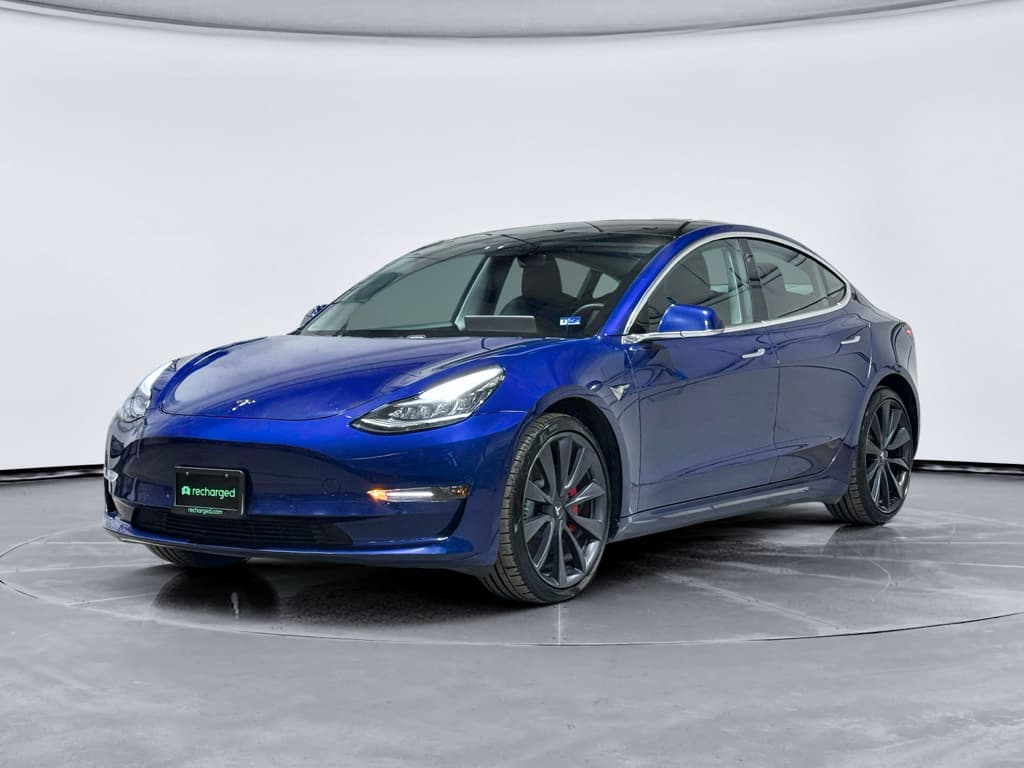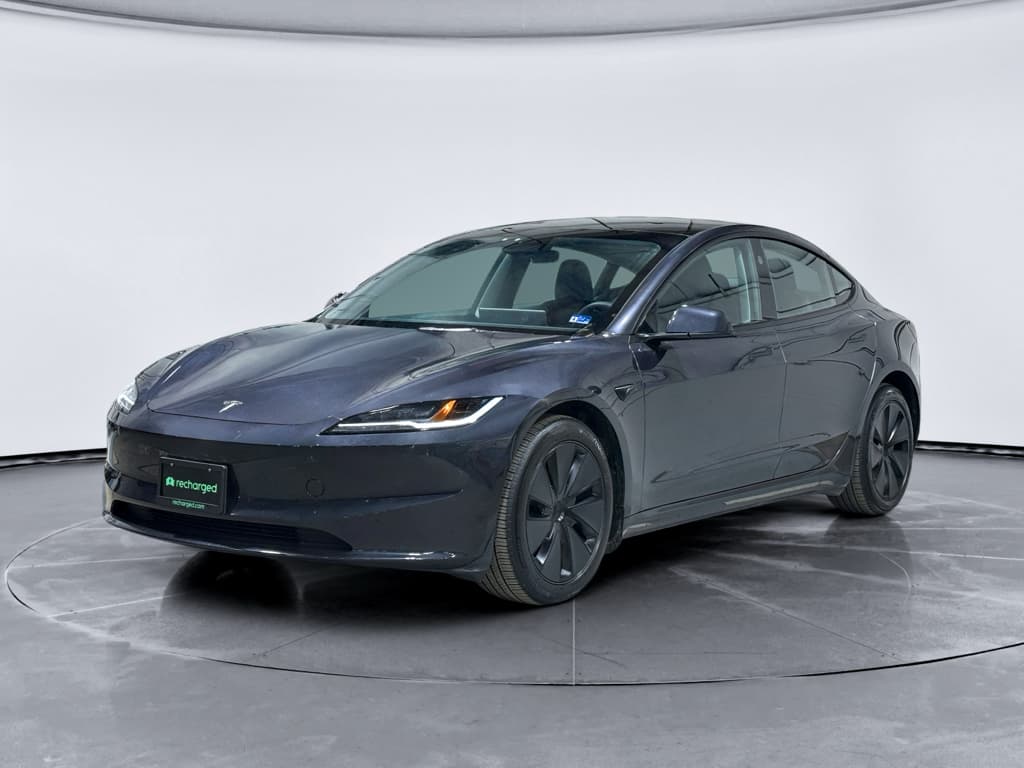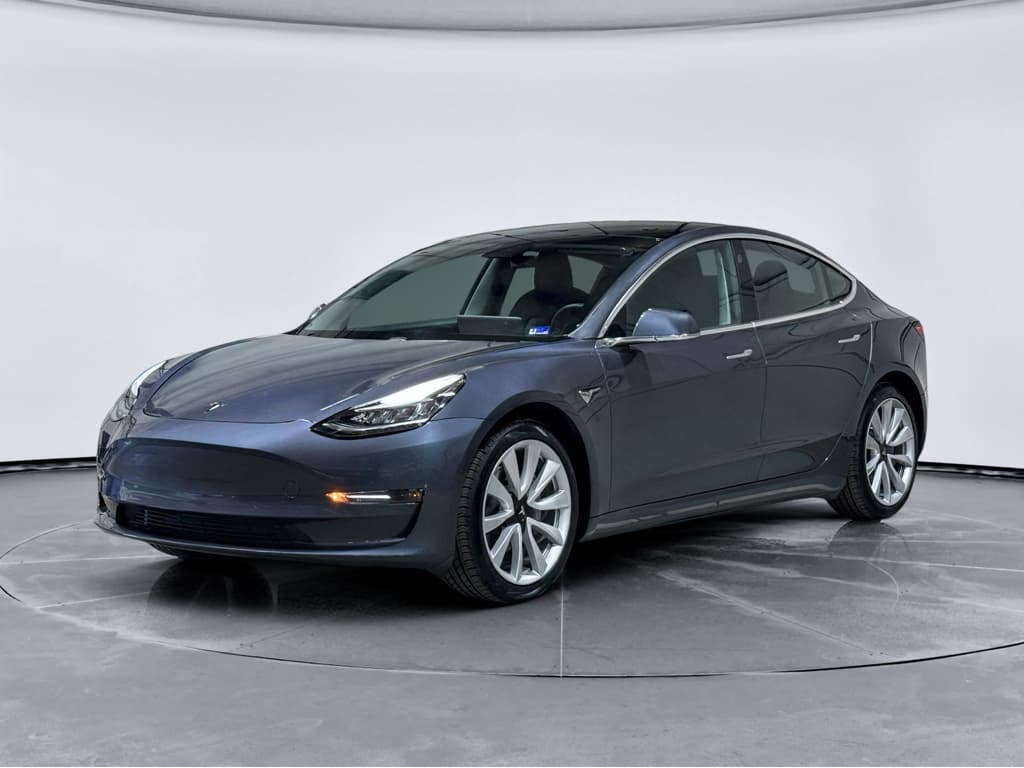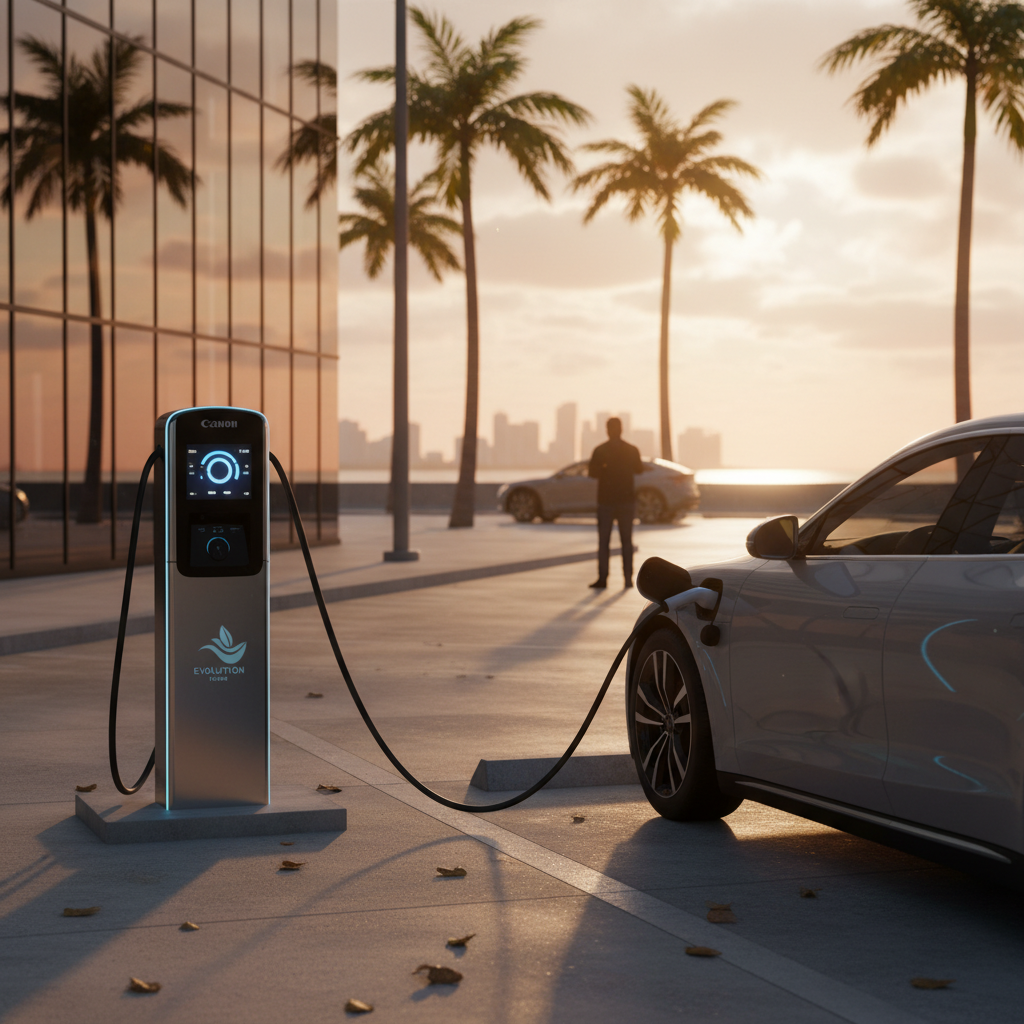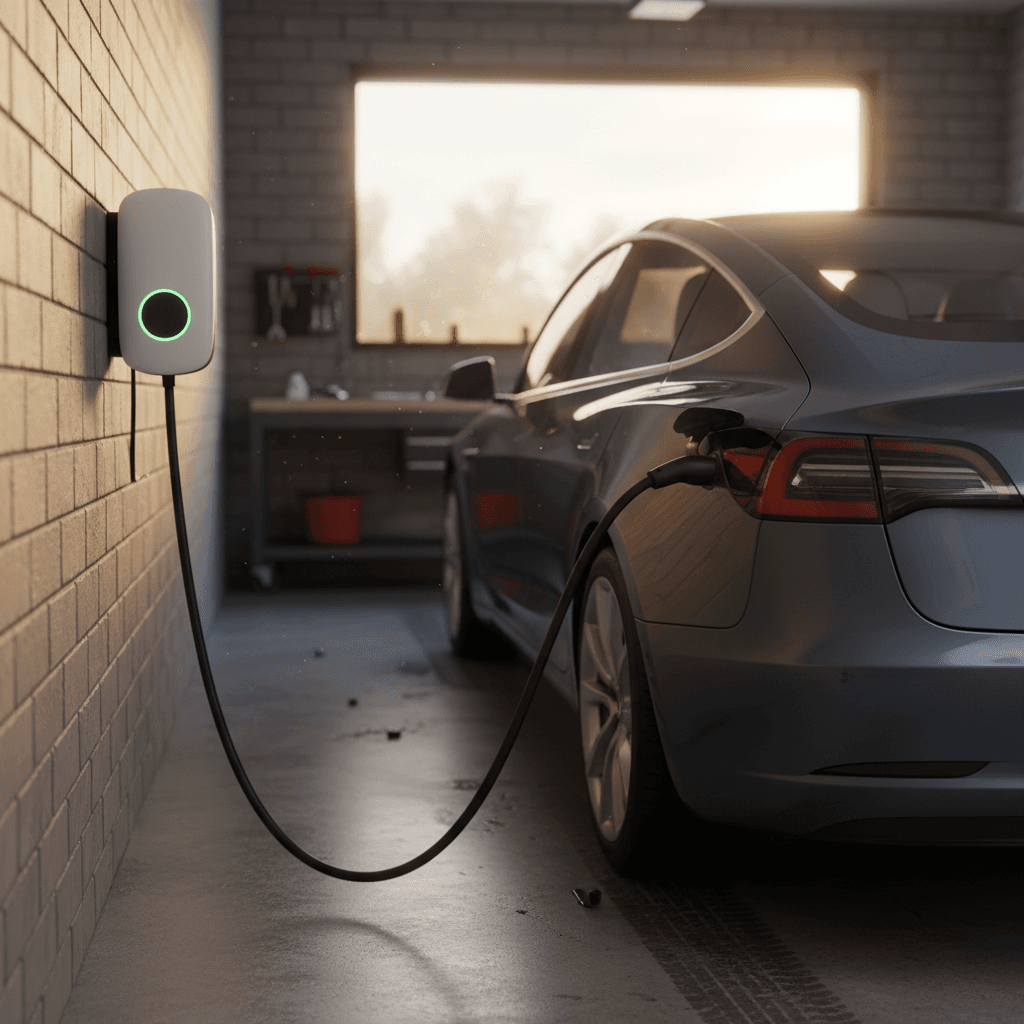
If you own a Tesla Model 3, the best upgrade you can make is a proper Level 2 home charger. It turns your driveway or garage into your personal “Supercharger,” so you wake up every morning with the range you need, without sitting at public stations or worrying about lines, weather, or broken chargers.
Home is still the best place to charge
Why home charging matters for your Model 3
Tesla’s Supercharger network gets all the attention, but once you’ve lived with a Model 3 for a few weeks, you realize almost all your charging can happen at home. A 240‑volt Level 2 charger turns 6–10 hours of overnight parking into a full battery. For most drivers in the U.S., that covers an entire day, or several, of commuting and errands.
- Full “tank” every morning without thinking about it
- Lower cost per mile than public DC fast charging
- Less battery stress than frequent fast charging
- More predictable than public stations that may be crowded or offline
You *can* trickle‑charge on a 120‑volt outlet, but it only adds a few miles per hour. For a Model 3, a real home charger isn’t a luxury, it’s what makes EV ownership feel effortless.
Quick answer: best home charger for a Tesla Model 3
Top home charger picks for Tesla Model 3 (2026)
Short version
If you also own non‑Tesla EVs, or you’re thinking long‑term beyond Tesla, a ChargePoint Home Flex or Emporia Level 2 with a NACS connector is a strong alternative. You’ll just use Tesla’s included adapter if the charger is J1772‑only.
Tesla Wall Connector vs. third‑party chargers
Let’s compare the Tesla Wall Connector to the best‑known third‑party Level 2 chargers that work well with a Model 3. All of these are 240‑volt, 40–50 amp units that can fully recharge a Model 3 overnight.
Popular home chargers for Tesla Model 3 (2026 snapshot)
Key differences between the Tesla Wall Connector and leading third‑party Level 2 home chargers that many Model 3 owners choose.
| Charger | Max Amps / Power | Connector type | Smart features | Approx. price | Best for |
|---|---|---|---|---|---|
| Tesla Wall Connector (Gen 3) | 48A / ~11.5 kW | NACS (Tesla) | Tesla app, scheduling, load sharing | ~$420–$475 | Most Tesla Model 3 owners |
| Tesla Universal Wall Connector | 48A / ~11.5 kW | Built‑in NACS + J1772 | Tesla app, auto‑adapts for non‑Teslas | ~$595 | Homes with Teslas + non‑Tesla EVs |
| ChargePoint Home Flex | 50A / up to 12 kW | NACS or J1772 (depending on model) | ChargePoint app, utility integrations | ~$549 | Brand‑agnostic smart charging |
| Emporia Level 2 | 48A / ~11.5 kW | NACS or J1772 (model‑dependent) | Emporia app, detailed energy data | ~$399 | Best value and energy tracking |
| Wallbox Pulsar Plus | 40A or 48A | J1772 (adapter for Tesla) | Wallbox app, compact design | ~$649 | Tight spaces, design‑conscious installs |
Specs and prices are approximate U.S. figures as of early 2026 and may change; always confirm current details before you buy.
NACS vs. J1772: what matters for your Model 3
Tesla Wall Connector: Pros
- Perfect connector match for a Model 3 (NACS).
- Tesla app integration for scheduling, monitoring, and load sharing.
- Clean, compact look that matches the car.
- Up to 48A output, more than enough for any Model 3.
- Often the least fussy for electricians: one brand, clear documentation.
Why consider third‑party chargers
- You already have or expect a non‑Tesla EV in the household.
- You want a brand‑neutral app and integrations with multiple utilities.
- You’re chasing the lowest possible price (often Emporia).
- Your utility rebates specify a particular brand or open‑standard charger.
- You prefer features like OCPP support or advanced energy dashboards.
How fast will a Model 3 charge at home?
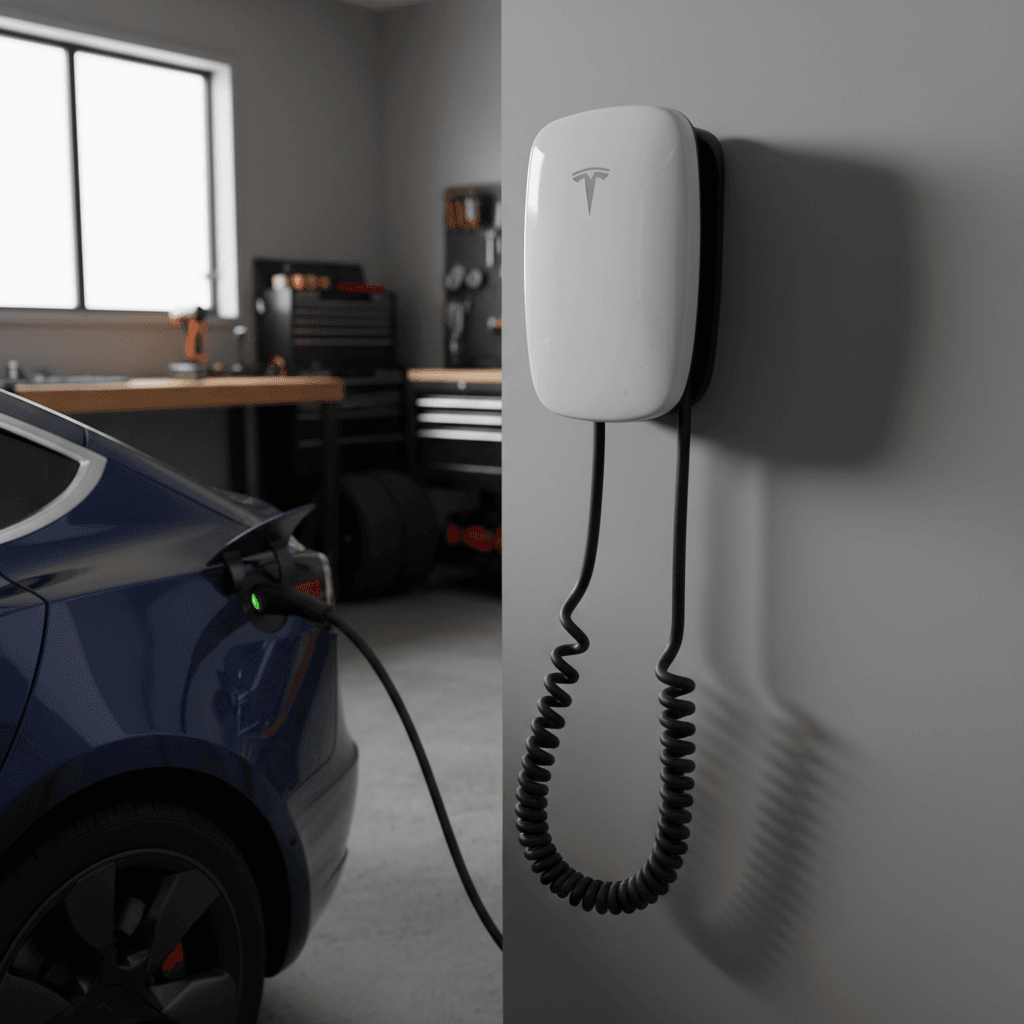
A home charger doesn’t change the size of your battery, it changes how fast you can refill it while the car is parked. For a Tesla Model 3, a 40–48 amp Level 2 charger is the sweet spot for almost any daily driving pattern.
Real‑world Model 3 charging speeds at home
Speeds vary a bit by Model 3 variant and temperature, but these ballparks are useful when you’re planning.
Standard 120V outlet (Level 1)
~3–5 miles of range per hour of charging.
Fine for emergencies or very low daily miles, but painful for real‑world use.
240V, 32A Level 2
~22–25 miles of range per hour for most Model 3s.
Enough to refill a typical 40–60‑mile commute in 2–3 hours.
240V, 40–48A Level 2
~30–44 miles of range per hour (Tesla quotes up to ~44 mi/hr at 48A).
This is where a Model 3 feels like it has a home Supercharger, park it overnight and you’re full.
Don’t over‑spec the charger for no benefit
The key is matching your charger size to your home’s electrical capacity and your driving pattern. If you routinely burn through most of a battery in a day, aim for a 40–48 amp charger. If you’re under 40–50 miles a day, even a 32 amp unit will quietly keep up.
Installation: what you really need
Any of these chargers will need a dedicated 240‑volt circuit, typically 40–60 amps, run from your main panel to the installation location. For most U.S. homeowners, that means hiring a licensed electrician; this isn’t a DIY Saturday project unless you’re already comfortable working inside a panel.
Home installation basics for a Model 3 charger
1. Decide where the car will live
Pick the wall or post you’ll park nearest 90% of the time. A 23–25 foot cable usually lets you nose‑in or back‑in without strain.
2. Check panel capacity
Have an electrician, or a free estimate visit, confirm you have space in the panel and enough amperage left. Many Model 3 installs use a 60A breaker for a 48A charger (80% rule).
3. Choose hardwired vs. plug‑in
The Tesla Wall Connector is hardwired only. Some third‑party chargers can use a NEMA 14‑50 outlet instead. Hardwiring is cleaner and often preferred by inspectors.
4. Plan cable routing
The shorter and simpler the run, the cheaper the install. Long runs through finished walls or across a driveway can add hundreds of dollars to the quote.
5. Get multiple quotes
Installation can range from a few hundred dollars for a simple garage run to a couple thousand if the panel needs upgrading. Always get at least two bids.
6. Confirm permits and inspection
Most U.S. jurisdictions require a permit for a new 240‑volt circuit. A reputable electrician will handle this and arrange the inspection for you.
Safety first with 240V
If you’re buying a used Tesla Model 3 through Recharged, our team can help you understand whether a simple charger install will work in your current home, or if you might be looking at a panel upgrade, before you commit to the car.
Smart features and energy management
Every charger in this guide will put electrons in the battery. The differences in smart features show up in how well you can control *when* and *how* that happens, and how much visibility you have into your home energy use.
What smart features actually matter?
Ignore the marketing fluff and focus on the tools that make your life easier or cheaper.
Scheduled charging
Tell the car or charger to start at a specific time so you can target cheaper off‑peak electricity rates while you sleep.
Energy tracking
Apps from Tesla, Emporia, and ChargePoint can show how many kWh your Model 3 uses and what that’s costing per month.
Solar integration
If you have rooftop solar, some systems can prioritize charging when your panels are producing, or limit draw from the grid.
Tesla Wall Connector smart perks
- Setup and control entirely in the Tesla app.
- Clear integration with each Tesla in the household.
- "Power sharing" lets multiple Wall Connectors share one circuit intelligently if you add another Tesla later.
- Straightforward firmware updates without juggling multiple apps.
Third‑party smart perks
- Emporia excels at whole‑home energy monitoring when paired with its energy management hardware.
- ChargePoint offers mature apps and some utility program integrations like time‑of‑use optimization.
- Some chargers support OCPP, an open protocol, which can matter if you want advanced integrations down the road.
One app vs. many apps
Costs and incentives for home chargers
Budgeting for home charging comes down to three buckets: the hardware, the installation, and your ongoing electricity costs. There are also federal and local incentives that can soften the blow.
Typical home charging cost ranges for Model 3 owners (U.S.)
These are ballpark figures for early 2026 and can vary widely by region and home layout.
| Item | Typical range | Notes |
|---|---|---|
| Charger hardware | ~$399–$650 | Tesla Wall Connector often lands in the low–mid $400s; premium third‑party units cost more. |
| Basic installation | ~$400–$900 | Short run in a garage with existing panel capacity. |
| Complex installation | ~$1,000–$2,500+ | Long wire runs, trenching, or main panel upgrades. |
| Electricity cost | Often $0.08–$0.20 per kWh off‑peak | Many utilities offer cheaper overnight charging rates; a full Model 3 charge might cost $3–$8. |
| Tax credits & rebates | Up to 30% of hardware + install (caps apply) | The federal credit and some utility rebates can stack; eligibility rules change, so verify before you buy. |
Exact pricing depends on your house, utility, and local labor rates, always get local quotes and check current incentives.
Don’t forget incentives
When you’re shopping for a used Tesla Model 3 on Recharged, our specialists can help you ballpark the cost of adding a home charger to your specific situation so you can budget the whole package, not just the car.
Choosing the right charger for your situation
Best charger choice by typical Model 3 driver
Apartment or condo dweller
Start with the charger your building provides; lobby for Level 2 if it’s not there yet.
If you have a deeded spot with power access, a Wall Connector or third‑party Level 2 can still make sense if the HOA approves.
Consider a portable Level 2 (with proper 240V outlet) if permanent hardware isn’t allowed.
Lean on public DC fast charging + workplace charging if home options are limited.
Suburban homeowner with garage
Default choice: <strong>Tesla Wall Connector</strong> on a 60A circuit for 48A charging.
Place it so the cable reaches the front and rear of the car easily.
If you expect to add a non‑Tesla, consider the <strong>Universal Wall Connector</strong> or a high‑quality third‑party NACS charger.
Use scheduled charging to target your utility’s cheapest overnight rates.
Two‑EV household, mixed brands
If both cars are Teslas, install one or two Wall Connectors and enable power sharing.
If one car is a non‑Tesla, Universal Wall Connector simplifies life: one unit, both connectors.
Alternatively, install a Tesla Wall Connector for the Model 3 and a J1772 charger for the other car, just ensure your panel can handle both.
Map out parking patterns so at least one spot always has easy access to a cable.
High‑mileage commuter or gig driver
Aim for a full‑power 40–48A Level 2 charger to minimize downtime between shifts.
Put the charger where you can plug in the moment you get home.
If your driving overlaps peak electric rates, use scheduling aggressively to finish top‑ups overnight.
Consider adding a second circuit or charger if you’re constantly arriving home nearly empty.
Step‑by‑step checklist to pick your Model 3 home charger
From “just browsing” to installed charger
1. Confirm your parking reality
Garage, carport, driveway, street? If you can’t reliably park within 20–25 feet of the same spot, a permanent wall charger may not be the best first move.
2. Look at your daily mileage
Under 40 miles a day? A 32A charger can easily keep up. Over 60–80 miles a day? Aim for 40–48A to recharge quickly overnight.
3. Check your electrical panel
Snap a photo of the panel label and breaker layout. An electrician, or Recharged’s advisors, can often tell from a picture what’s realistic.
4. Decide on Tesla vs. third‑party
If the Model 3 is your only EV, the Wall Connector is an easy yes. If you have or expect non‑Tesla EVs, think about Universal Wall Connector, ChargePoint, or Emporia.
5. Verify rebates and credits
Before you buy hardware, look up your utility’s approved charger list and confirm federal or local incentives so you don’t accidentally miss out.
6. Get written install quotes
Send the same photos and description to at least two electricians so quotes are comparable. Ask them if they’ve installed Tesla Wall Connectors before.
7. Time the purchase with your car
Ideally, have the charger installed right before or just after your Model 3 arrives, so you’re not stuck trickle‑charging on 120V for long.
Tesla Model 3 home charger FAQ
Frequently asked questions about charging a Tesla Model 3 at home
The bottom line for Model 3 owners
If you’re driving a Tesla Model 3 and you have the ability to install a Level 2 charger, the best home charger for most owners is the Tesla Wall Connector. It’s fast, tidy, designed specifically for your car, and priced competitively with the top third‑party units. If your household mixes Tesla and non‑Tesla EVs, a Universal Wall Connector, ChargePoint Home Flex, or Emporia Level 2 broadens your options without sacrificing everyday usability.
The right answer for you comes down to parking, panel capacity, and whether you’re building a Tesla‑only garage or a brand‑agnostic charging setup. Take a few photos of your electrical panel and parking area, check any incentives, and then choose the charger that fits your life, not just the spec sheet.
How Recharged can help
Ready to find your next EV?
Browse Vehicles