If you’re searching for EV rebates in Fort Lauderdale in 2026, you’ve probably discovered a confusing mix of expired tax credits, shifting utility programs, and half-updated websites. The incentives landscape really did change in late 2025, especially the big federal credit, but that doesn’t mean going electric in Broward County stopped making financial sense. You just have to know where the real savings still are, and how to stack them.
Context: why 2026 looks different
EV rebates in Fort Lauderdale: what still exists in 2026?
Let’s start with the headline: as of early 2026, there is no simple, across-the-board cash rebate when you buy an electric car in Fort Lauderdale, whether it’s new or used. The generous federal purchase credits that once cut $7,500 off a new EV and up to $4,000 off a used one are now closed to most buyers.
However, you can still reduce your EV costs in a few important ways:
- Utility programs from Florida Power & Light (FPL) that lower home charging costs and bundle equipment with installation
- Local perks like carpool lane access and preferred parking in some South Florida jurisdictions (often not cash, but convenience value)
- Lower electricity rates during off-peak hours compared with gasoline costs, especially if you optimize when you charge
- Significant price drops on the used EV market now that purchase credits have expired, which can easily rival or beat an old $4,000 tax credit
- Occasional dealer or automaker incentives offered instead of federal tax savings, especially on new inventory
So instead of hunting for a single "EV rebate Fort Lauderdale" button, think in terms of a stack of smaller advantages: cheaper charging, lower purchase price, and long-term maintenance savings. The rest of this guide walks through each piece so you can build your own savings stack.
Federal EV tax credits after September 30, 2025
If you last checked EV incentives in mid‑2025, you probably saw references to the federal Clean Vehicle Credit created by the Inflation Reduction Act. That changed dramatically later in the year.
Federal EV purchase credits: what changed
How the main federal EV purchase incentives changed heading into 2026.
| Credit | What it covered | Status in 2026 |
|---|---|---|
| 30D – New clean vehicle | Up to $7,500 off qualifying new EVs | Ended for vehicles purchased after Sept. 30, 2025 |
| 25E – Used clean vehicle | Up to $4,000 off qualifying used EVs | Ended for vehicles purchased after Sept. 30, 2025 |
| 45W – Commercial clean vehicle | Credit for business and fleet EVs | Ended for vehicles purchased after Sept. 30, 2025 |
| 30C – Home/Business charging equipment | Tax credit for EV chargers and electrical work | Still available for qualifying installations until June 30, 2026 |
The key date for Fort Lauderdale drivers is September 30, 2025, after that, there’s no new federal purchase credit for most buyers.
For you, as a Fort Lauderdale driver shopping in 2026, that means:
- No federal tax credit on a new or used EV you purchase today, unless you signed a binding purchase agreement and made a payment by September 30, 2025.
- You may still be able to claim the 30C credit on a home charging installation completed before June 30, 2026, if you meet IRS rules.
- Traditional automaker and dealer incentives are stepping in on some models, especially through lease deals, to partially replace the lost federal credit.
Watch out for outdated "credit" claims
Does Florida offer state-level EV rebates?
Here’s the short answer many Floridians don’t want to hear: Florida does not currently offer a statewide rebate for buying an electric vehicle or a home charger.
Some municipal utilities elsewhere in the state (for example, JEA in Jacksonville in past years) experimented with off‑peak charging rebates and electrical upgrade incentives, but those programs have closed to new participants. As of early 2026, statewide listings show no active Florida‑funded purchase rebate for EVs or Level 2 chargers.
Where to double‑check Florida incentives
Local Fort Lauderdale perks: parking, HOV and more
Even without cash rebates, Fort Lauderdale and greater South Florida can offer everyday perks that make EV ownership more attractive:
- Access to certain HOV or express lanes when you’re carpooling, which can be easier when your fuel cost per mile is low
- Discounted or preferred EV parking in some city or private garages (often paired with Level 2 charging)
- Occasional free or discounted public charging at special events, hotels, or workplaces
- Local employers offering workplace charging as a benefit, effectively shifting some of your charging costs from home to work
How to scout Fort Lauderdale–area perks
FPL programs that lower your EV charging costs
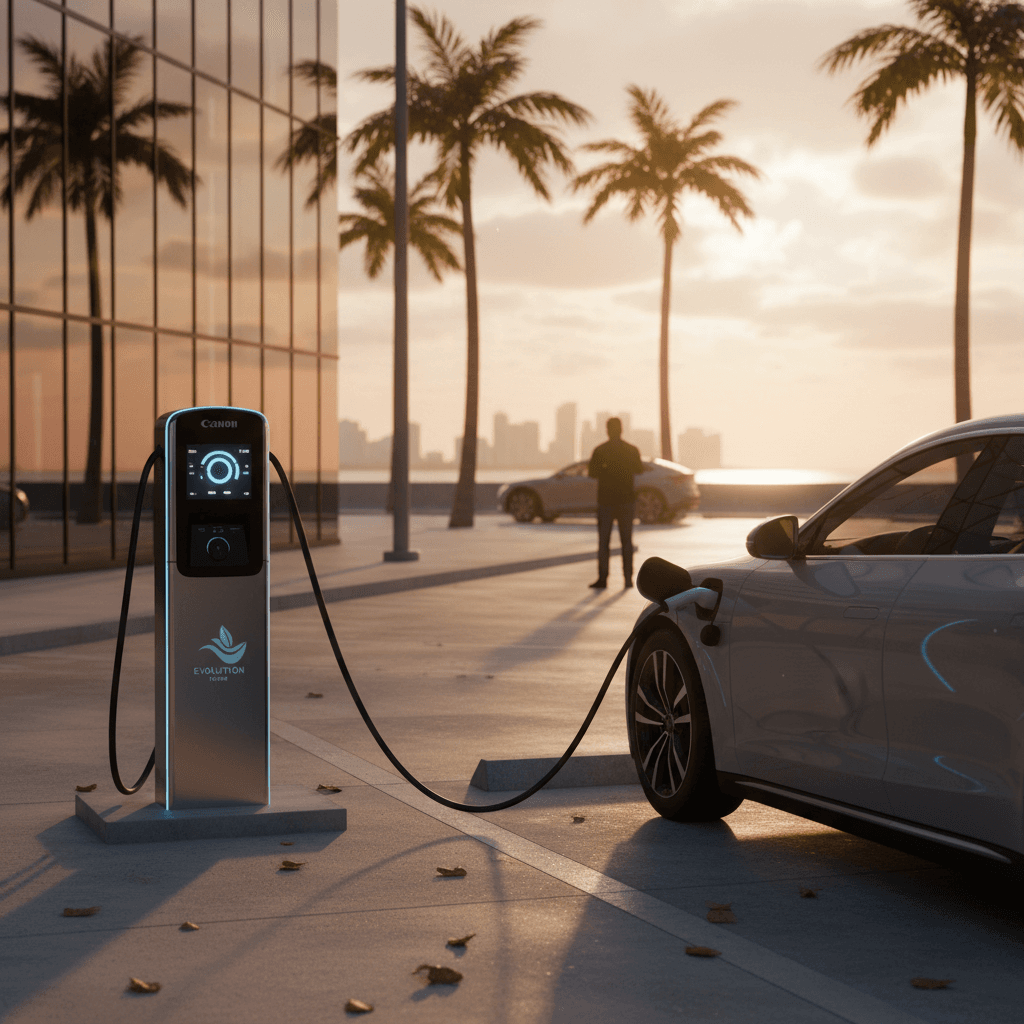
If you live in Fort Lauderdale, you’re almost certainly an FPL (Florida Power & Light) customer. While FPL doesn’t hand you a check for buying an EV, its EVolution Home program and upcoming "Flexible" option can dramatically reduce what you pay to charge at home.
Key FPL EVolution Home Flexible Program numbers for 2026
Here’s how EVolution Home works at a high level:
How FPL EVolution Home helps Fort Lauderdale EV drivers
You trade a predictable monthly fee for lower overnight charging rates and a turnkey charger setup.
Turnkey equipment & install
Off‑peak optimization
App‑based control
Program details can change
Saving on home charging in Fort Lauderdale
Because big one‑time rebates are scarce, the smartest long‑term savings for Fort Lauderdale EV owners are in how you charge at home. Whether you join an FPL program or install your own Level 2 unit, a little planning can save you hundreds of dollars a year.
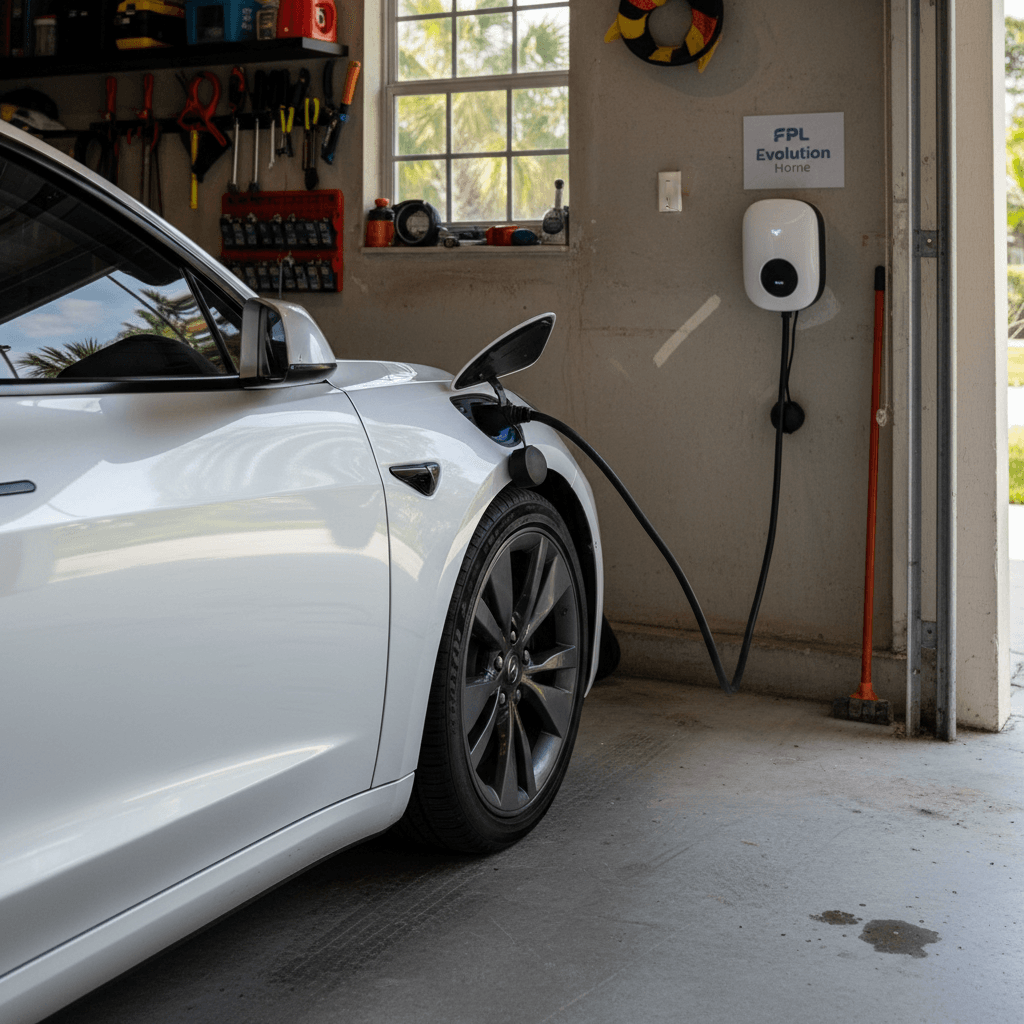
Option 1: FPL EVolution Home
If you prefer a "just handle it" approach, EVolution Home can be attractive. Instead of paying thousands up front for a 240‑volt circuit and hardware, you roll the charger and installation into a predictable monthly fee. In return, you get a smart charger set to take advantage of ultra‑low off‑peak rates.
This can be especially appealing in older Fort Lauderdale homes where electrical upgrades are pricey or where you’d rather not chase separate permits and contractors.
Option 2: DIY charger + federal 30C credit
If you’d rather own your equipment outright, you can have an electrician install a 240‑volt circuit and Level 2 charger, then potentially claim the federal 30C home charging credit for installations completed before June 30, 2026, assuming you meet IRS rules.
You’ll pay more up front, but you avoid monthly subscription fees and keep flexibility to swap chargers in the future. This is often the most economical path if your panel has spare capacity and the run from panel to garage is short.
Checklist: make your Fort Lauderdale home charging as cheap as possible
1. Confirm your FPL rate plan and off‑peak windows
Log into your FPL account and the EVolution Home page to see current off‑peak hours for 2026 and whether you’re eligible for the Flexible Program. Time your charging to those windows whenever possible.
2. Audit your electrical panel before you buy hardware
Have an electrician or FPL’s installer confirm whether your panel can support a 240‑volt circuit without a costly upgrade. A quick check can prevent expensive surprises.
3. Compare EVolution Home vs. owning a charger
Put the EVolution Home monthly fee and per‑kWh rates in a simple spreadsheet next to a DIY installation estimate plus potential 30C tax credit. Over 3–5 years, one option will usually stand out.
4. Use your EV’s built‑in scheduling
Even if you skip a time‑of‑use program, use your car’s charging scheduler so that you’re not topping up in the late‑afternoon peak when air‑conditioning loads are highest in South Florida.
5. Track actual kWh use for a few months
Once you’re charging mostly at home, track both your EV app and FPL bill for 2–3 billing cycles. Knowing real‑world kWh per month makes it much easier to spot savings opportunities or justify a rate‑plan change.
Do used EVs qualify for rebates or credits?
The old federal used EV tax credit (up to $4,000) was a powerful tool for budget‑minded buyers. Unfortunately, just like the new‑vehicle credit, it ended for vehicles purchased after September 30, 2025. That means you cannot claim a federal purchase credit on a used EV you buy in Fort Lauderdale in 2026.
But used EVs still offer some of the best values in the South Florida car market, especially now that the tax credit is gone. Instead of the IRS subsidizing the price, many sellers and dealers have simply lowered asking prices to keep demand healthy. That’s where a company like Recharged can help.
Why a used EV can be a better deal than an old tax credit
You’re swapping a federal rebate for a lower sticker price and better transparency.
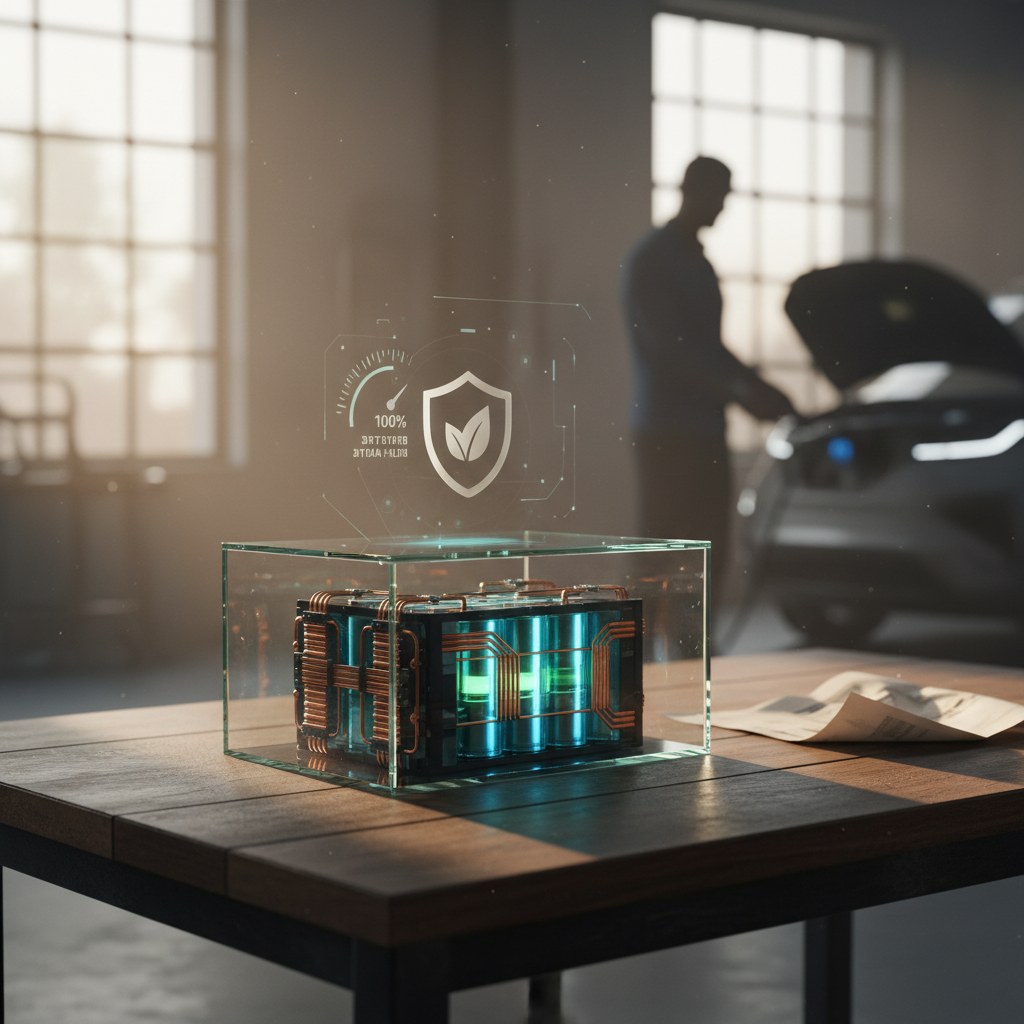
Battery health transparency
Fair market pricing
Financing & delivery support
Stack your savings on a used EV
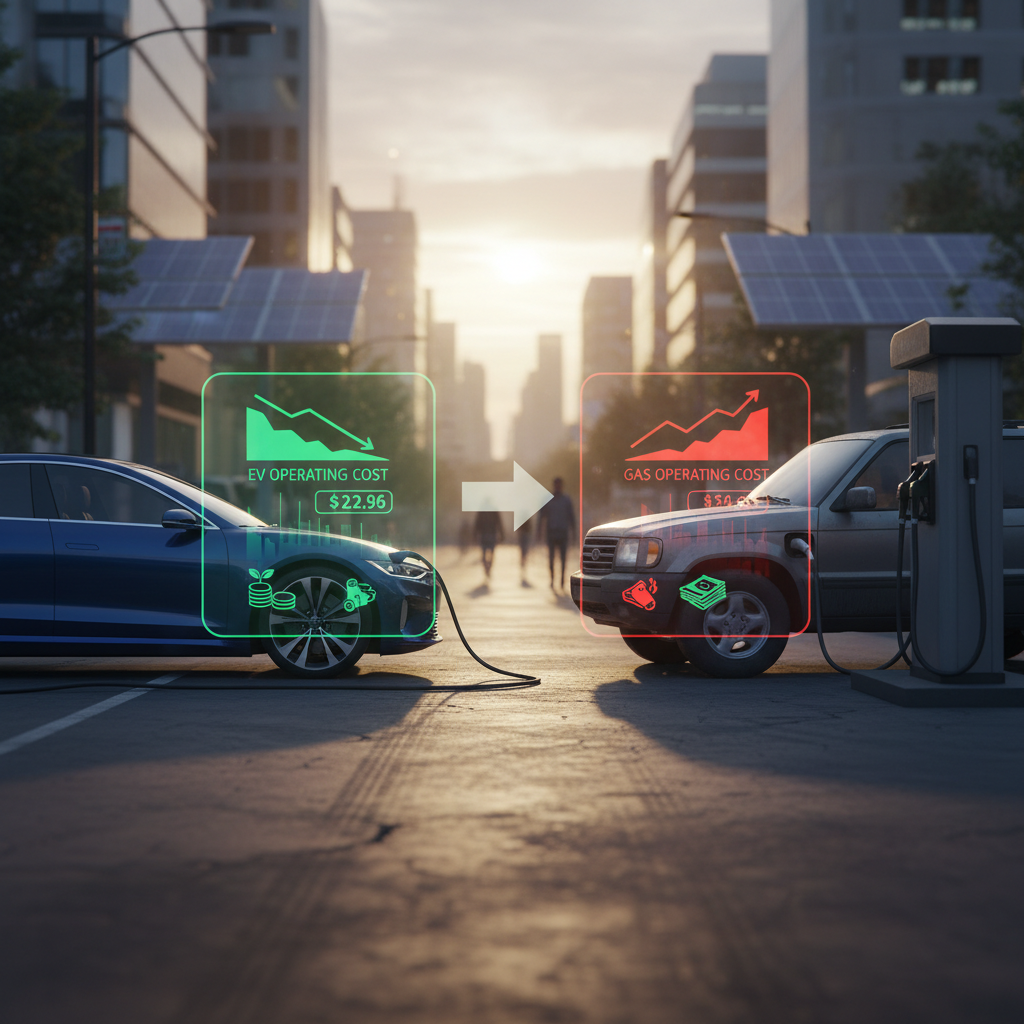
How much can a Fort Lauderdale EV driver still save?
Let’s put some rough numbers around all of this. Exact figures will depend on your driving, electricity rates, and vehicle, but we can still sketch a realistic Fort Lauderdale scenario.
Sample cost comparison: Fort Lauderdale commuter
Illustrative comparison for a driver in Fort Lauderdale who goes 12,000 miles per year and mostly charges at home.
| Item | Gas car | Electric car (home charging) |
|---|---|---|
| Annual fuel/energy cost | ~$1,360 | ~$450–$550 |
| Routine maintenance (oil, filters, etc.) | $350–$500 | $150–$250 |
| Up‑front rebates/credits in 2026 | $0 | $0 (most purchase credits expired) |
| One‑time home charging setup | $0 | Varies: financed via FPL or DIY install |
| 5‑year estimated savings vs. gas | , | Roughly $4,000–$5,000, mostly from lower fuel and maintenance |
Assumes $3.40/gallon gas, 30 mpg gas car, and an EV averaging 3.2 miles/kWh with a blended home electricity cost similar to FPL’s off‑peak rates.
Run your own numbers
Step-by-step: how to maximize EV savings in Fort Lauderdale
Choose the savings path that fits you
If you’re buying a used EV in 2026
Start with your monthly budget and commuting distance so you know what range and payment you’re comfortable with.
Shop used EVs with <strong>verified battery health</strong> so you don’t trade a lost tax credit for an unknown battery replacement risk.
Compare two or three candidates on total ownership cost, including insurance and home charging setup.
Decide whether FPL’s EVolution Home program or a standalone Level 2 charger + 30C credit is cheaper over 3–5 years.
Lock in financing and, if you have a trade‑in, get instant offers or consignment options to reduce your out‑of‑pocket cost.
If you’re set on a new EV
Ask the dealer to separate any remaining <strong>manufacturer or lease incentives</strong> from long‑gone federal tax credits.
Get a written out‑the‑door quote for at least two competing models, including any dealer add‑ons and doc fees.
Estimate your 5‑year fueling cost based on your real driving and FPL rates; if you plan to road‑trip often, factor in some DC fast charging.
Make sure the model you choose qualifies for FPL’s home charging program or works well with your preferred Level 2 hardware.
Only stretch your budget if the long‑term savings clearly offset the higher payment, all those EV perks are less fun if you’re car‑poor.
If you already own an EV
Check whether you can still enroll in FPL’s EVolution Home Flexible Program to cut your charging costs.
Update your car’s charge schedule to match FPL’s current off‑peak windows, especially during hot summer months.
Audit how much public DC fast charging you’re using versus home charging; shifting more to home can save a surprising amount.
If your lease is ending, compare buying out your EV (now that credits are gone) versus switching to a different used EV with strong battery health.
Keep an eye on future Florida or federal incentive changes, but don’t wait on hypothetical programs to start saving today.
Fort Lauderdale EV rebate FAQ
Frequently asked questions about EV rebates in Fort Lauderdale
The days of stacking big federal purchase credits on top of city and state rebates are over, for now. But if you live in Fort Lauderdale, the real power of an EV was never just in a one‑time check. It’s in the quiet commute up I‑95, the predictable low fueling costs on your FPL bill, and the confidence that your battery is healthy enough to handle beach days, school runs, and weekend trips without drama. Focus on those long‑term economics, use the remaining tools like FPL’s EVolution Home and the 30C home charging credit wisely, and a well‑chosen EV, especially a used one with transparent battery health from a marketplace like Recharged, can still be one of the smartest money moves you make in South Florida.