If you own, or are thinking about buying, a Tesla Model 3, you’ve probably asked the big question: how much does a Tesla Model 3 battery replacement cost if something goes wrong out of warranty? With packs measured in tens of thousands of dollars, it’s a fair concern, especially for used‑EV shoppers who don’t want a surprise five‑figure repair.
Quick answer
How much does a Tesla Model 3 battery replacement cost?
Tesla Model 3 battery cost snapshot (2025–2026)
Market data from 2024–2025 EV repair shops and dealer quotes consistently puts Model 3 / Model Y pack replacements in the same ballpark as other mid‑size EVs. For a typical long‑range Model 3 (roughly 75 kWh class), you’re usually looking at $10,000–$15,000 for the pack plus $1,000–$3,000 in labor, for roughly $11,000–$18,000 out the door at a Tesla service center or reputable independent shop.
Some third‑party shops that specialize in Tesla batteries advertise remanufactured or refurbished Model 3 packs closer to the high‑single‑digit thousands, especially if they reuse portions of your original pack. On the other hand, complex diagnostic work, shipping, and regional labor rates can push an OEM replacement toward the top of that range.
Sticker shock context
How the Tesla Model 3 battery warranty works
Before you stress about a potential $15,000 repair, it’s worth understanding how much of your ownership window is covered by Tesla itself. In the U.S., the Model 3 battery and drive unit warranty is separate from the basic 4‑year / 50,000‑mile limited warranty.
Tesla Model 3 battery & drive unit warranty
Factory battery coverage for different Model 3 variants sold in the U.S.
| Model 3 variant | Battery & drive unit warranty | Capacity guarantee |
|---|---|---|
| Rear‑Wheel Drive / Standard Range | 8 years or 100,000 miles (whichever comes first) | Minimum 70% retained battery capacity over the warranty period |
| Long Range / Performance | 8 years or 120,000 miles (whichever comes first) | Minimum 70% retained battery capacity over the warranty period |
Coverage applies from the original in‑service date of the car.
If your Model 3 traction battery fails or drops below 70% capacity within those time and mileage limits, Tesla will repair or replace it under warranty. That’s true whether you’re the first owner or bought the car used, the coverage follows the vehicle, not the driver.
What the warranty doesn’t cover
Repair vs. full replacement: why the worst case is rare
Module‑level repairs
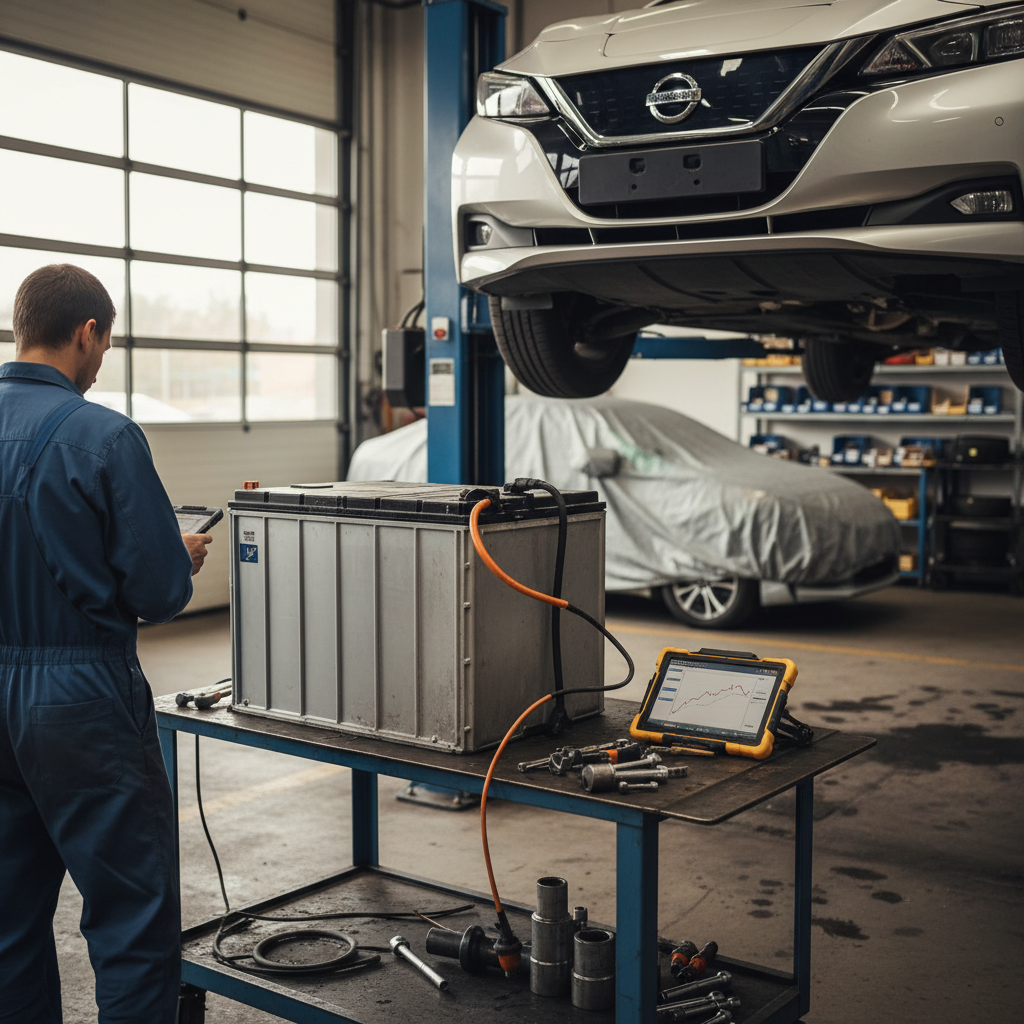
On paper, a Tesla Model 3 battery pack is a single unit. In reality, it’s built from modules and hundreds of individual cells. When a problem shows up, like a weak module, sensor fault, or contactor issue, shops often fix just that piece instead of replacing the entire pack.
Independent EV specialists and some Tesla service centers can:
- Replace a failed module
- Repair or replace contactors and wiring
- Address coolant leaks or sensor faults
- Re‑seal and re‑balance the pack
When a full pack is unavoidable
A complete pack replacement usually comes into play when:
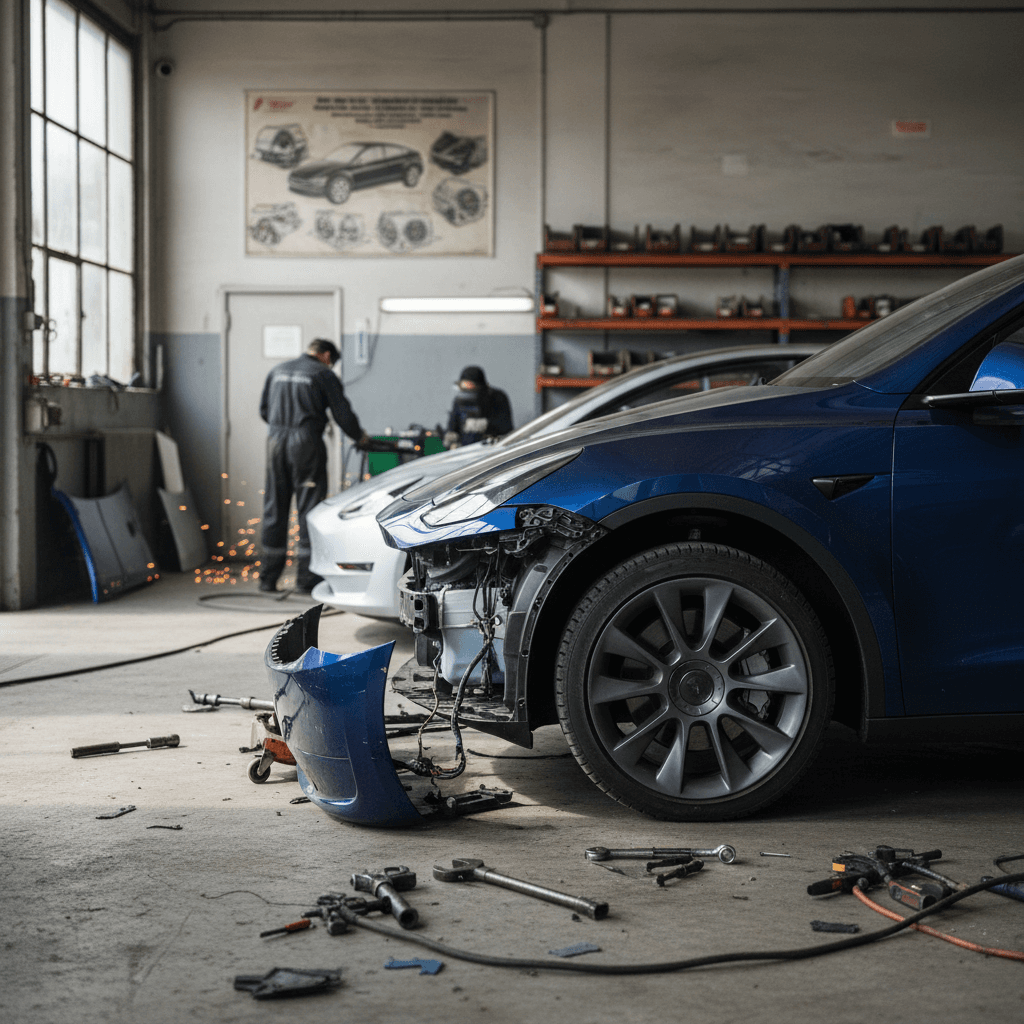
- The pack has severe physical damage (flood, crash, or corrosion)
- Multiple modules fail or are badly out of balance
- The pack is part of a safety‑related campaign and cannot be repaired
- The housing is compromised and can’t be safely sealed
In those cases, Tesla may recommend a new or remanufactured pack, and that’s when you see those $11,000–$18,000 invoices.
Good news for most owners
5 factors that change your Model 3 battery cost
What makes one Model 3 battery bill higher than another?
Same car, very different invoices depending on these levers.
1. Pack size & chemistry
Earlier Standard Range Model 3s use smaller packs than Long Range or Performance cars. Bigger kWh numbers mean more cells and higher parts cost. Variants that use different chemistries (like LFP in some newer RWD models) can also change pricing and availability.
2. Where you service it
Tesla service centers typically quote OEM new or remanufactured packs. Independent EV shops may offer refurbished or used packs at a lower price, or repair your existing pack instead of replacing it.
3. Labor rates & complexity
Dropping a 1,000‑pound high‑voltage pack is skilled work. Labor hours and shop rates vary widely by region. Rust‑belt cars or collision damage can add hours (and dollars).
4. Warranty & goodwill
If you’re just outside warranty, or your battery issue is tied to a known defect, Tesla may offer partial coverage or goodwill assistance. That can turn a full retail quote into something much smaller.
5. New vs. refurbished
A brand‑new pack from Tesla will cost more than a remanufactured or salvaged pack that’s been tested and reconditioned. Not every shop offers those options, but they can save thousands if they’re available in your area.
Bonus: Diagnostics & software
Don’t forget line items like diagnostics, software updates, and HV safety checks. Individually they’re small, but together they can add several hundred dollars to the invoice.
Signs your Model 3 battery might need attention
Modern EV battery packs almost always fail slowly, and genuine catastrophic pack failures are rare. But there are warning signs worth paying attention to so you can involve Tesla, or a trusted EV shop, before things get worse.
- Noticeably faster range loss over a few months, not just seasonal swings
- The car limiting power or top speed with battery‑related warnings on the screen
- Charging sessions that stop early or fail repeatedly at multiple stations
- Unusual noises, smells, or heat around the battery area after charging or driving
- Error codes about high‑voltage systems, isolation faults, or contactors in the Tesla app
Safety first
Ways to reduce or avoid a huge battery bill
Practical ways to protect your Model 3 battery (and your wallet)
1. Stay within Tesla’s recommended charging habits
Avoid fast‑charging from 0% to 100% every day. For daily use, keeping your battery mostly between about 20% and 80% state of charge and using DC fast charging only when needed can help minimize long‑term stress.
2. Keep software up to date
Over‑the‑air updates often refine thermal management, charging behavior, and diagnostics. Those tweaks can slow degradation and catch issues earlier.
3. Manage extreme temperatures
High heat accelerates battery wear. Whenever possible, park in the shade, use cabin pre‑conditioning, and avoid leaving the pack at 100% in hot conditions for long stretches.
4. Use warranty while you have it
If you see unusual range loss, charging problems, or recurring battery alerts while you’re still within the 8‑year / 100k–120k‑mile window, <strong>document it and open a service ticket</strong>. It’s far easier to address under warranty.
5. Get an independent opinion
If an out‑of‑warranty quote looks sky‑high, it’s worth getting a second opinion from an independent EV specialist that works on Teslas. They may offer repair or refurbished options that Tesla doesn’t.
6. Consider total cost of ownership
Even if a battery replacement sounds scary, remember that EVs typically have lower fuel and maintenance costs. Spread over 8–12 years, the numbers often compare well with gas cars, especially if you <strong>never</strong> end up needing a pack.
Battery costs when you’re buying a used Model 3
Battery anxiety shows up most often when someone is about to buy a used Tesla Model 3. You’re not just asking, “Is this a good price?” You’re asking, “Am I inheriting someone else’s future $15,000 problem?” That’s exactly why Recharged was built around transparent battery health.
How to reduce battery risk when shopping used
Treat the pack like the engine on a gas car: inspect it before you buy.
Ask for real battery health data
Don’t rely on range guesses from the previous owner. Ask for verified battery health information, not just odometer readings. Every vehicle on Recharged comes with a Recharged Score Report that includes battery diagnostics, so you can see how the pack is actually performing.
Verify remaining warranty
Check the original in‑service date and mileage. A 2019 Model 3 with 70,000 miles, for example, may still have several years of battery and drive unit coverage left. That factory safety net is worth real money.
Review charging and usage history
When possible, look for clues about how the car was used: mostly home‑charged, or hammered on DC fast chargers? Mostly temperate climates, or long stretches in extreme heat? Patterns like that can help you gauge long‑term risk.
Price in the risk (or protection)
A clean battery health report and lots of warranty left support a strong asking price. If the pack shows accelerated degradation or the warranty window is nearly closed, negotiate accordingly, or choose a better example.
How Recharged helps
FAQ: Tesla Model 3 battery replacement cost
Frequently asked questions about Model 3 battery costs
Bottom line: Should battery cost scare you away from a Model 3?
A Tesla Model 3 battery replacement is undeniably expensive in absolute dollars, usually somewhere in the low‑ to mid‑five figures if you ever need a full pack out of warranty. But the combination of an 8‑year battery warranty, strong real‑world durability, and the growing ecosystem of repair and refurbishment options means most owners will never see that worst‑case bill.
If you’re shopping used, the smartest move is to treat battery health as a first‑class data point, not an afterthought. Ask for diagnostics, confirm remaining warranty, and work with sellers who are transparent about the pack, whether that’s a private party who’s kept good records or a digital retailer like Recharged that includes a Recharged Score battery report, financing, trade‑in options, and expert EV support from click to delivery.
Do that, and the Model 3 remains what it’s been since launch: one of the most compelling ways to get into an electric car with low day‑to‑day running costs, and without letting battery replacement fear drive the whole purchase decision.