You don’t really know a car until its warranty walks out the door. With the Tesla Model 3, that’s usually around year four for the basic coverage, long before the memes about “$20,000 battery replacements” start making the rounds in your group chat. The truth about Tesla Model 3 after-warranty costs lives somewhere between “it’s basically free” and “one repair will bankrupt you”, and you deserve a clear-eyed view before you keep, trade, or buy used.
Quick take
How expensive is a Model 3 after the warranty ends?
Tesla Model 3 ownership at a glance (after warranty)
In the real world, most out-of-warranty Model 3 owners report annual costs in the mid-hundreds of dollars for things like tires, alignment, cabin filters and the occasional small repair. That’s lower than many gas peers. Where the stomach acid comes from is volatility: nine years of smooth sailing, then a rock-star battery bill if you’re unlucky. Your job as an owner, or a used buyer, is to understand which risks are still under Tesla’s longer battery warranty, which are truly on you, and how to tell the difference.
Tesla Model 3 warranty basics, and when the clock really runs out
Before you can talk about “after warranty,” you need to know which warranty you’re actually past. Tesla slices Model 3 coverage into two big pieces:
- New Vehicle Limited (basic) warranty: 4 years or 50,000 miles, whichever comes first. This is your bumper‑to‑bumper coverage for most components, infotainment, HVAC, suspension, interior electronics, and so on.
- Battery & Drive Unit warranty: 8 years and either 100,000 or 120,000 miles depending on trim, with a minimum 70% battery capacity retention guarantee. Damage from accidents or modifications is excluded, but genuine degradation and most pack/drive unit failures fall here.
Mind the overlapping clocks
There’s another wrinkle: Tesla has periodically adjusted warranty language and features over the Model 3’s life. Always pull the original warranty booklet tied to the VIN in your Tesla account or ask the seller to screen-share it if you’re shopping used. That document, not the latest marketing page, is the law of the land for that car.
Typical annual costs for a Model 3 after warranty
Once the basic warranty expires, the Model 3’s cost profile shifts from “almost nothing” to “basically a normal premium car, without oil changes.” Independent estimates and owner data suggest that $500–$600 per year is a reasonable planning number for an out-of-warranty Model 3 used as a daily driver, excluding insurance and charging.
Typical yearly costs for an out-of-warranty Tesla Model 3
Approximate costs for a U.S. owner driving 12,000–15,000 miles per year after the 4‑year/50,000‑mile basic warranty ends.
| Category | Typical frequency | Estimated cost | Notes |
|---|---|---|---|
| Tire rotation & balance | 1–2x per year | $75–$200 | Often done with alignments or tire shops; some owners DIY. |
| Alignment check | Every 1–2 years | $150–$250 | More often if you run big wheels or hit potholes. |
| Cabin air filter | Every 2 years | $75–$150 | DIY filter swaps can be under $50 in parts. |
| Brake fluid service | Every 3–4 years | $150–$250 | Needed less often than gas cars thanks to regen braking. |
| Tire replacement | Every 25k–40k miles | $1,000–$1,500 | Performance tires and 20" wheels trend toward the high end. |
| Minor repairs & software‑diagnosed fixes | As needed | $200–$800 | Door handles, window regulators, chipping paint, minor suspension bits. |
These are planning numbers, not guarantees, your climate, roads and wheel choices matter.
How to keep it on the low end
Big-ticket risks: battery, drive unit and other scary-sounding repairs
Let’s tackle the elephant in the garage: the traction battery. A full Model 3 battery replacement today typically runs about $11,000–$17,000 including labor, depending on pack size and whether you’re getting a remanufactured or brand-new unit. That is, unequivocally, a big number, but it’s not a coin flip event at year nine.
- Most Model 3 packs are engineered to last well beyond their 8‑year warranty with normal use; high‑mileage cars north of 150,000 miles commonly report modest degradation rather than sudden death.
- When a pack does fail early without abuse or accident damage, it’s often replaced under the 8‑year battery & drive unit warranty at Tesla’s expense.
- True paid battery replacements trend toward older, high‑mileage, or damaged vehicles, important context if you’re shopping a heavily discounted car with a sketchy history.
Battery panic vs. battery math
The drive unit, motor, inverter, associated hardware, is also big money if you’re paying cash. Exact numbers vary, but mid‑four figures is a reasonable expectation. The piece of good news: drive‑unit failures on Model 3s have proven rare compared with Tesla’s earlier large cars, and again, many of these failures are still captured under the longer powertrain warranty window.
Common out-of-warranty repairs and what they actually cost
Most out-of-warranty Tesla bills don’t have Hollywood drama. They look like any other modern car’s: sensors, suspension wear, HVAC gremlins, a flaky screen here and there. Here’s what owners most often see once they’ve aged out of coverage.
Typical Model 3 repairs once the basic warranty expires
Representative examples so you can separate nuisance from nightmare.
Suspension arms & links
Symptoms: clunks, uneven tire wear, vague steering.
Typical cost: $400–$1,000 depending on parts and alignment.
Heavier wheels and rough roads accelerate wear. Annoying, but fixable at any competent suspension shop.
HVAC & heat pump issues
Symptoms: weak heat or A/C, odd noises, fogged windows.
Typical cost: $600–$2,000.
Later heat‑pump cars are efficient but more complex; repairs can creep into four figures at a Tesla service center.
Sensors & cameras
Symptoms: Autopilot warnings, lane‑keep disabled, parking sensor faults.
Typical cost: $300–$1,200.
Costs swing wildly depending on whether it’s a $200 ultrasonic sensor or a $900 camera and calibration job.
Screen & infotainment
Symptoms: freezes, ghost touches, yellowing, reboots.
Typical cost: $800–$1,800.
Hardware has improved over time, but out‑of‑warranty replacements are not cheap; some issues resolve with software updates.
Door handles & windows
Symptoms: handles not presenting, windows not indexing up/down, water leaks.
Typical cost: $250–$700 per door.
Less of an issue than with Model S, but still common enough to budget for on higher‑mileage cars.
12‑volt / low‑voltage battery
Symptoms: warnings, no‑start, random error messages.
Typical cost: $250–$450.
Low‑voltage packs are a normal wear item on EVs and easier to stomach than the big traction battery.
Why these bills feel high, but often aren’t
Extended warranties, service plans and whether they pencil out
If you grew up being told to “always buy the extended warranty,” the EV world will test your faith. Tesla itself has not broadly offered factory extended service agreements for the Model 3 the way it once did for certain Model S and X years, which pushes owners toward third‑party coverage.
Quotes for a third‑party extended warranty on a 3–4‑year‑old Model 3 can easily land between $4,000 and $6,000 for three years of coverage, depending on mileage, location and coverage level. Deductibles of $100–$200 per visit are common. That’s real money, especially when you stack it against the relatively low odds of a catastrophic failure in that window.
When an extended warranty can make sense
- You’re buying a high‑mileage Model 3 with no remaining battery or drive unit warranty.
- The plan explicitly covers pack and drive‑unit failures (few do, read the exclusions).
- You cannot absorb a $4,000–$8,000 surprise without serious financial pain.
When to skip and self‑insure
- Your Model 3 still has several years of factory battery & drive‑unit coverage.
- You can comfortably keep a $2,000–$3,000 repair fund earmarked for the car.
- You’re comfortable using an independent EV specialist instead of only Tesla service centers.
Warranty alternative: your own repair fund
How to budget smartly for an out-of-warranty Model 3
Owning an out-of-warranty EV is a little like living near the ocean. Most days are beautiful and uneventful, but you still buy flood insurance. Here’s a pragmatic way to think about money once your Model 3 is on its own recognizance.
A simple budgeting playbook for post-warranty life
1. Separate routine costs from risk money
Plan on roughly <strong>$500–$600 per year</strong> for tires, alignments and small repairs. That’s your “normal” column. On top of that, decide how much you want to set aside annually for low‑probability big stuff, battery, drive unit, major electronics.
2. Build a 3–5% of car value reserve
As a rule of thumb, try to hold <strong>3–5% of the car’s current market value</strong> in cash or available credit for surprise repairs. On a $25,000 used Model 3, that’s $750–$1,250 in quick‑reach money.
3. Track your remaining battery warranty
Look at the <strong>expiration date and mileage cap</strong> for your battery & drive unit coverage every few months. Your risk profile changes dramatically the day that warranty clocks out, especially on high‑mileage cars.
4. Pay attention to how the car ages
New squeaks, harsher ride, obvious tire wear and repeated warnings in the app are all signs that some preventive spending now could save a bigger bill later.
5. Use software to your advantage
The Tesla app’s service estimates, remote diagnostics, and error codes are free clues. Treat warning lights and repeated messages as early‑intervention opportunities, not background noise.
Buying a used Model 3 near or past its warranty
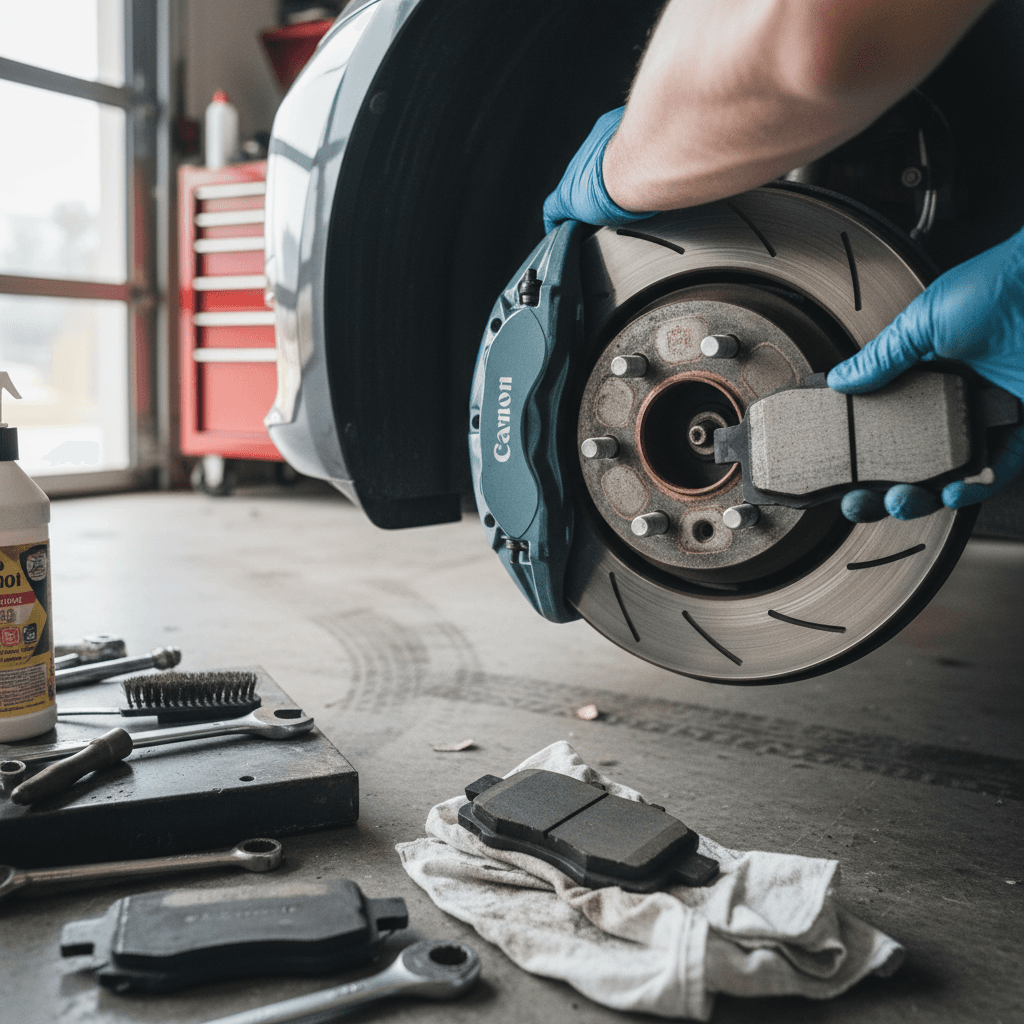
Shopping a used Tesla is where all of this stops being theoretical and turns into negotiation leverage. A 5‑year‑old Model 3 with 70,000 miles can be a spectacular value, or a future Patreon for your local service center, depending on how intelligently you vet it.
Key questions to ask when the warranty is nearly over
Use these prompts when you’re test‑driving or reviewing a seller’s paperwork for a used Model 3.
| Area | What to ask | Why it matters |
|---|---|---|
| Battery health | “What typical range do you see at 100% now?” | Anecdotal, but if a car shows dramatically less range than peers, you’ll want a deeper battery health assessment. |
| Warranty status | “Can we pull the warranty screen in the Tesla app?” | Confirms basic and battery warranty end dates and mileage caps so you know exactly what’s still covered. |
| Service history | “Do you have invoices or app screenshots of prior work?” | Gaps aren’t fatal, but a stack of service records is a sign of a cared‑for car. |
| Accident history | “Any insurance claims or frame repairs?” | Heavy body work can affect corrosion protection, sensor alignment and future resale value. |
| Tires & alignment | “When were the tires last replaced and aligned?” | Uneven wear hints at suspension issues; fresh tires can be a four‑figure value baked into the price. |
| Charging habits | “Mostly Supercharging or home Level 2?” | Excessive DC fast charging isn’t an automatic deal‑breaker, but balanced usage is healthier for the pack. |
Honest answers here are often more important than one more 0–60 test.
Don’t buy a mystery car at fire-sale prices
How Recharged helps you de-risk a used Tesla Model 3
This is exactly the anxiety Recharged was built to solve. When you shop a used Tesla Model 3 through Recharged, you’re not handed a shiny car and a shrug, you get data, context, and a plan.
What you get with a Recharged Model 3
Less guesswork, more signal.
Verified battery health
Every Recharged vehicle comes with a Recharged Score Report, including battery health diagnostics so you’re not guessing at pack condition, or future range.
Fair, transparent pricing
Our pricing reflects actual battery health, warranty remaining, mileage and market data, not just a wholesale auction sheet.
Financing & protection options
Recharged offers EV‑friendly financing and can walk you through protection products without the usual F&I pressure cooker.
Expert EV inspection
EV‑specialist technicians inspect each vehicle, with particular attention to common Model 3 issues, suspension, seals, electronics and more.
Nationwide delivery
You can buy digitally and have your Model 3 delivered to your driveway, or visit our Experience Center in Richmond, VA.
Human help, not just an app
Recharged’s EV specialists can help you compare a nearly‑new Model 3 with plenty of warranty remaining versus an older bargain car with higher risk, and run the math with you.
FAQ: Tesla Model 3 after-warranty questions
Frequently asked questions about Model 3 costs after warranty
Bottom line: should you fear a Model 3 out of warranty?
An out-of-warranty Tesla Model 3 isn’t a ticking time bomb; it’s a sophisticated, software‑heavy car that behaves, financially, like any other premium machine: mostly routine bills, with a small chance of a large one. The difference is that the scariest component, the big battery, is both unusually well‑protected early in life and designed to go the distance if you treat it decently.
If you understand which warranties you still have, budget realistically for routine care, and insist on transparent battery health data when you’re shopping used, the Model 3 can be one of the least stressful ways to own something quick, quiet and modern. And if you’d rather not guess, buying through Recharged means every used Model 3 comes with a Recharged Score Report, expert EV guidance, and financing options that recognize the realities of long‑life batteries instead of fearing them.