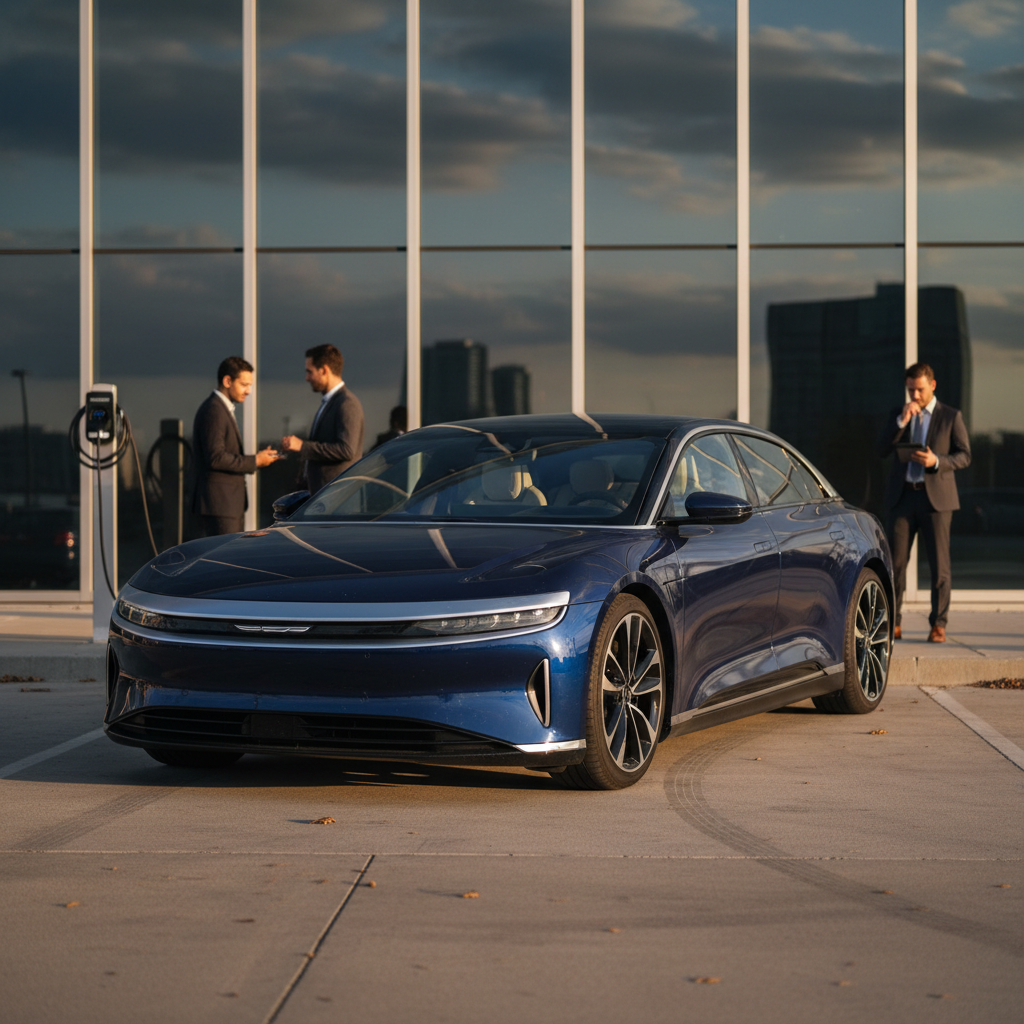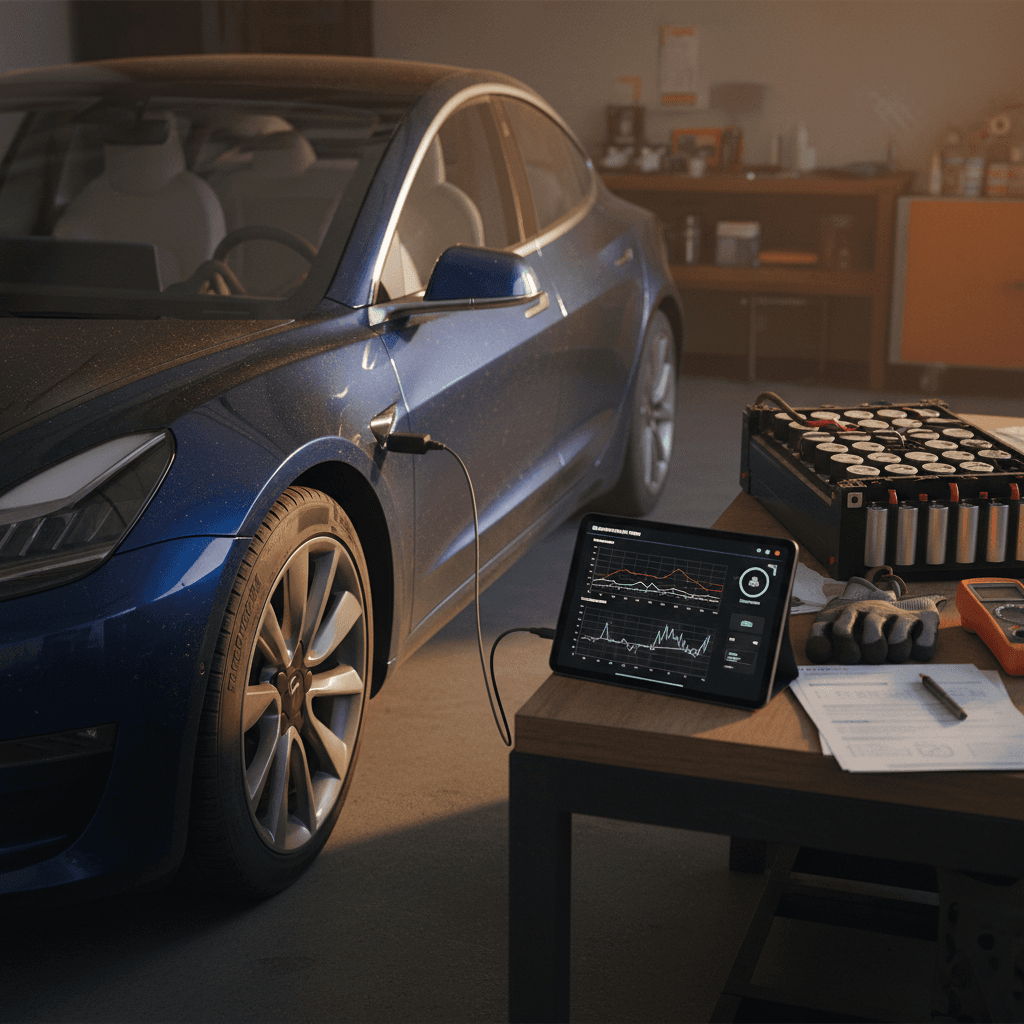
If you’ve been Googling “Tesla hybrid car”, you’re not alone. Plenty of shoppers love Tesla’s tech and performance but want the safety net of a gasoline engine for road trips, sparse charging networks, or cold winters. The catch: Tesla has never built a hybrid, and in 2025 it still sells only battery-electric vehicles. This guide lays out why that is, how hybrids compare, and how to decide between a used Tesla and a used hybrid for your next car.
Quick answer
Do Tesla Hybrid Cars Exist in 2025?
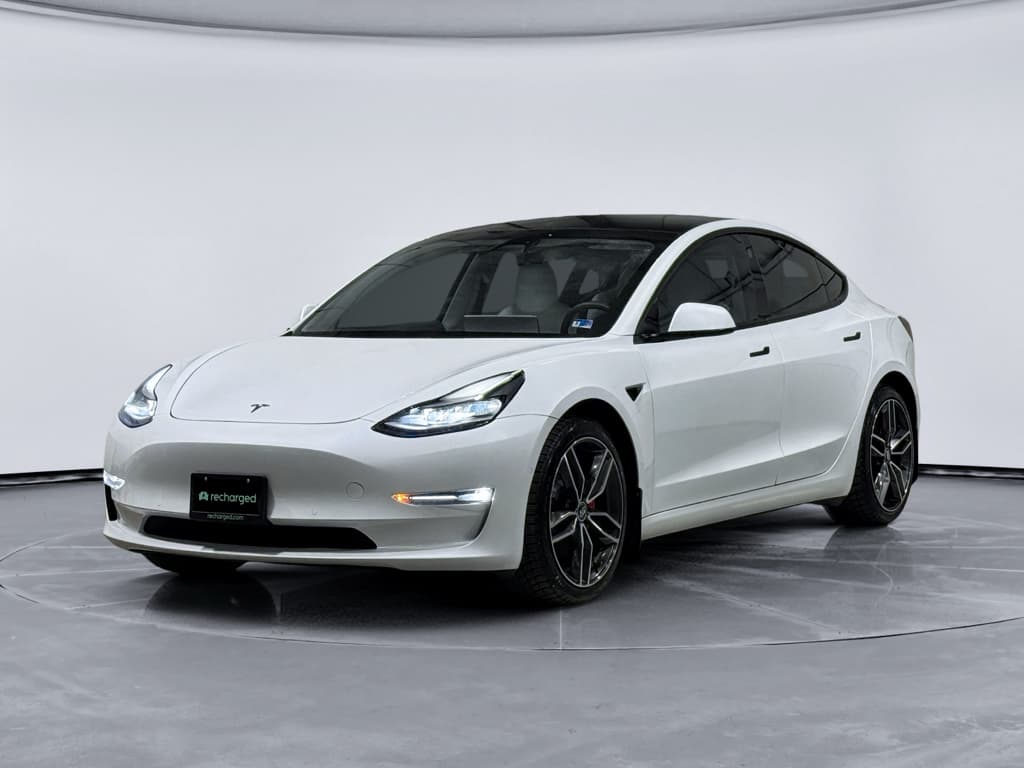
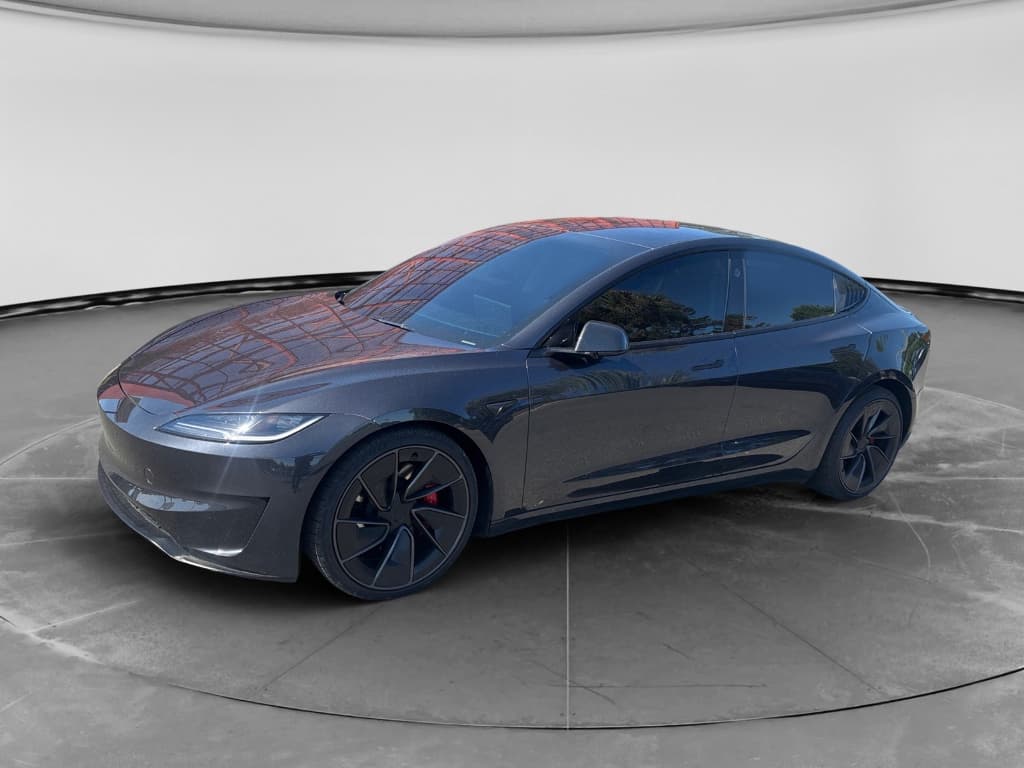
Let’s clear up the biggest misconception right away: Tesla does not make a hybrid car. Every Tesla on the road today is a full battery-electric vehicle that runs only on electricity and charges via a plug, not a gas pump.
- Model 3, Model Y, Model S and Model X are all fully electric (no gasoline engine).
- Upcoming vehicles like Cybertruck and Cybercab are also fully electric, not hybrids.
- Tesla has never sold a conventional hybrid (HEV) or plug-in hybrid (PHEV).
When people talk about a “Tesla hybrid,” they’re usually expressing a desire, not describing a real product: they want Tesla tech and performance, but with the long-range flexibility and quick refueling of a gasoline tank. That’s a reasonable wish, especially as some shoppers reassess going 100% electric. But the way to satisfy that wish today is to compare non-Tesla hybrids and plug-in hybrids against used Teslas, then decide which fits your life better.
Don’t get tricked by listings
Why So Many Shoppers Search for a Tesla Hybrid Car
If you’re torn between a Tesla and a hybrid, you’re right in the middle of a major U.S. trend. In 2024 and 2025, interest in pure EVs has cooled while interest in hybrids has climbed. Multiple national surveys now show hybrids gaining share as drivers look for a bridge between gas and full electric and worry about charging access and long-distance travel.
What shoppers are saying with their wallets
In plain English, many drivers love the idea of electric driving but aren’t ready to bet their entire life on chargers. They’d like the EV experience for commuting, but they still want gas backup for long trips, bad weather, or rural areas. That’s exactly the emotional space the phrase “Tesla hybrid car” lives in.
Think of “Tesla hybrid” as a customer need, not a model name
Hybrid vs Tesla EV: How the Tech Actually Differs
Before you can decide whether you should own a hybrid or a Tesla EV, it helps to get clear on the technology. The terms get thrown around loosely, but they describe very different hardware and ownership experiences.
Tesla EV vs Hybrid vs Plug‑In Hybrid
Three powertrain types, three ownership experiences
Tesla-style EV (BEV)
Powertrain: Large battery + 1–4 electric motors, no gas engine.
- Plug in at home or public stations.
- Zero tailpipe emissions.
- Strong, instant acceleration.
- Range typically 240–330 miles for popular Teslas.
Conventional Hybrid (HEV)
Powertrain: Small battery + electric motor + gasoline engine.
- No plug; battery charges from braking and engine.
- Gas remains primary energy source.
- Great city fuel economy, simple ownership.
- Still needs regular fuel and oil changes.
Plug‑In Hybrid (PHEV)
Powertrain: Medium battery + electric motor + gasoline engine.
- Plugs in like an EV for 20–50 miles of electric range.
- Gas engine takes over once the battery is depleted.
- Can dramatically cut fuel use if you plug in often.
- More complex and heavier than HEVs or BEVs.
Key technical takeaway
Who Should Choose a Hybrid vs a Tesla EV?
Once you understand the tech, the real question is: which best matches your daily life? Here’s how to think about it without getting lost in buzzwords.
When a hybrid (or PHEV) makes more sense
- Uncertain charging access: You live in an apartment, street‑park, or your landlord won’t install a Level 2 charger.
- Frequent long road trips: You regularly drive 400+ miles in a day and don’t want to plan around fast chargers.
- Cold climate, no garage: You face harsh winters with outdoor parking, which can reduce EV range and charging speed.
- One-car household: You need one vehicle to do absolutely everything, anytime, with minimal planning.
When a Tesla EV is the stronger play
- Reliable home charging: You can install or already have a 240V Level 2 charger.
- Predictable daily mileage: Your everyday driving fits comfortably inside 150–200 miles.
- Mostly urban/suburban driving: You’re near public charging and Tesla Superchargers for occasional trips.
- Lower maintenance priority: You want to skip oil changes, transmission services, and exhaust repairs.
A smart compromise many buyers use
Running Costs: Hybrid vs Tesla Over the Long Haul
Sticker price is only part of the equation. Over five to eight years, fuel or electricity, maintenance, and depreciation do just as much work on your wallet as the monthly payment.
Typical Ownership Costs: Hybrid vs Tesla EV (Used)
This high-level comparison assumes a U.S. driver doing 12,000–15,000 miles per year. Actual costs vary by model, region, and how long you keep the vehicle.
| Category | Used Hybrid (HEV) | Plug‑In Hybrid (PHEV) | Used Tesla EV |
|---|---|---|---|
| Fuel/Energy | Gas only – strong mpg in city, weaker on highway. | Mix of electricity + gas – great if you plug in often, poor if you don’t. | Electricity only – cheapest per mile when charged at home. |
| Maintenance | Regular oil changes, transmission, exhaust, engine service. | All HEV items plus more complex powertrain. | No oil changes, fewer moving parts, tires and brakes are main wear items. |
| Emissions | Lower than similar gas car but still significant. | Very low if mostly driven on electricity; higher if rarely plugged in. | Zero tailpipe emissions; upstream emissions depend on local grid. |
| Road‑trip convenience | Best – any gas station in minutes. | Best – gas backup plus some EV driving around town. | Good but requires planning around fast chargers and charging time. |
Hybrids win on familiarity; Teslas often win on day‑to‑day running costs if you charge at home.
PHEVs only shine if you plug them in
Battery Health: The Real Risk (and How to Control It)
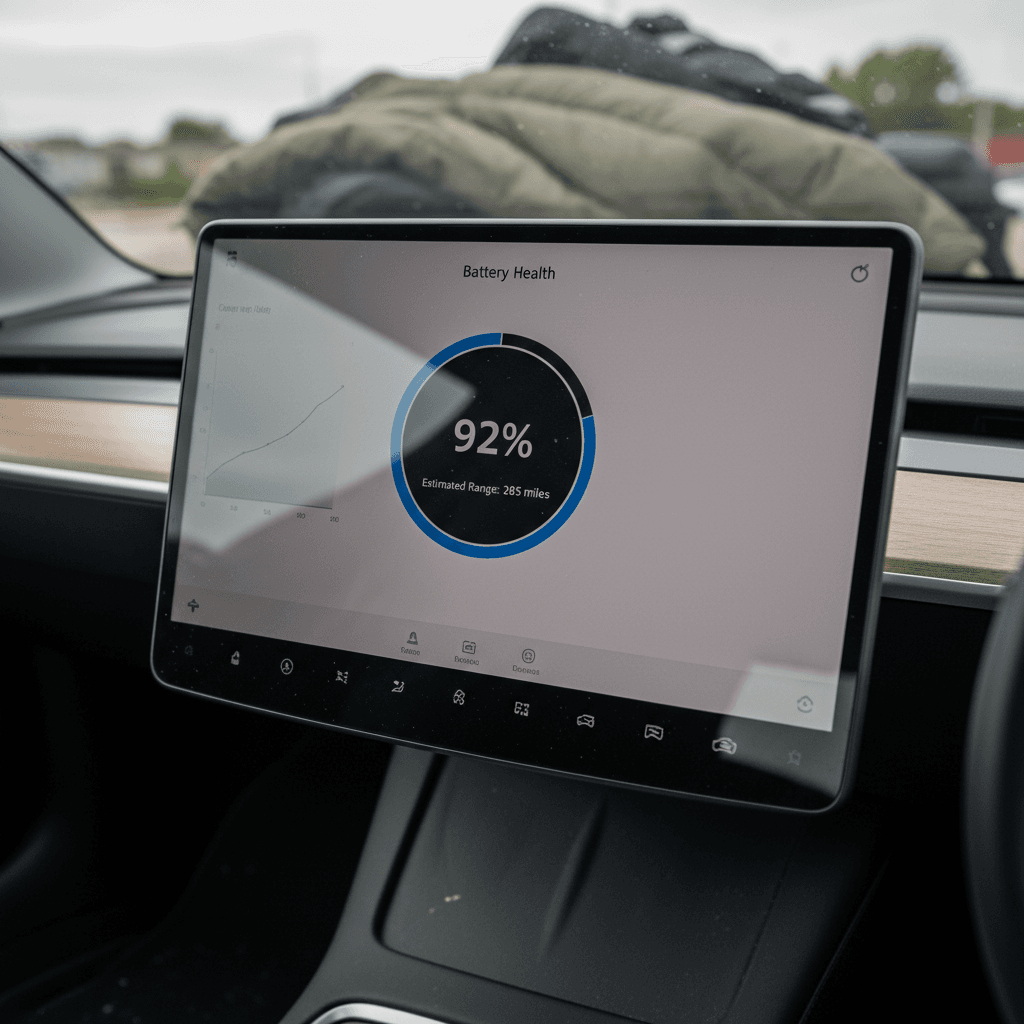
Battery health is where shoppers often get nervous, especially when considering a used Tesla or a high‑mileage hybrid. The good news: modern hybrid and EV batteries are typically designed to last well over 100,000 miles, and many go far beyond that. The bad news: you can’t see battery health just by looking at the car.
- Hybrids manage their battery conservatively, which is one reason they’ve built a reputation for longevity.
- Plug‑in hybrids and EVs use a larger portion of their pack, so understanding state of health matters more.
- Fast charging, extreme heat, and repeated deep discharges can accelerate degradation in EVs.
How Recharged tackles battery uncertainty
Buying Used: Hybrid vs Used Tesla Strategy
Whether you end up in a hybrid or a Tesla, the used market is where a lot of the real value lives right now. Depreciation has already done some of the heavy lifting, and you can let the previous owner pay for the newest‑shiny‑thing premium.
Used Hybrid vs Used Tesla: A Practical Checklist
1. Map your real driving pattern
Write down a typical week of driving. How many miles per day? How often do you exceed 150–200 miles in one shot? Honest answers here will tell you whether a used Tesla’s range is plenty or if hybrid flexibility matters more.
2. Audit your charging reality
Can you install a home Level 2 charger? Do you have access to workplace charging? If the answer is “no” across the board, a hybrid or PHEV may be the lower‑stress choice.
3. Compare total monthly outlay, not just price
Factor in payment, insurance, fuel or electricity, and routine maintenance. A used Tesla might cost more up front but save substantially on fuel and maintenance if you drive a lot and charge at home.
4. Look for verified battery health
For used Teslas and plug‑in hybrids, insist on battery health data, not just mileage. With Recharged, every vehicle comes with a <strong>Recharged Score Report</strong> that includes battery diagnostics and degradation estimates.
5. Check charging and fuel options on your routes
Open your favorite map app and look at public chargers along your regular trips and favorite road‑trip routes. If high‑speed charging is sparse where you drive, a hybrid may still be the better bet for now.
6. Think 5+ years out
Ask yourself where you’ll likely live and drive in five to eight years. Charging infrastructure and resale values will look different by then. Buying slightly more range or capability than you need today can be smart insurance.
Leverage today’s market
How Recharged Helps You Shop Smart for Used Teslas and EVs
Sorting out hybrids, plug‑in hybrids, and full EVs is complicated enough. Doing it in the used market adds questions about past owners, charging habits, and battery health. That’s exactly the friction Recharged is built to remove.
What You Get When You Shop a Used EV With Recharged
Designed to make EV ownership simple and transparent
Recharged Score battery report
Every vehicle comes with a Recharged Score Report that includes battery health diagnostics, range estimates, pricing transparency, and condition details. You’re not guessing how that Tesla or plug‑in hybrid has been treated.
Financing & trade‑in options
Recharged offers financing, trade‑in, and instant offer or consignment options, so you can move out of your current vehicle and into an EV or PHEV without juggling multiple dealerships.
Nationwide delivery & EV experts
Shop online and get nationwide delivery, backed by EV‑specialist support from start to finish. If you’re near Richmond, VA, you can also visit the Recharged Experience Center for hands‑on help and test drives.
Ready to find your next EV?
Browse VehiclesWhy this matters if you were dreaming of a Tesla hybrid
Tesla Hybrid Car FAQs
Frequently Asked Questions About Tesla Hybrid Cars
Bottom Line: You Don’t Need a Tesla Hybrid to Win
The phrase “Tesla hybrid car” reflects a real concern: you want the efficiency, tech, and driving feel of an EV without stressing over every charging stop. Tesla hasn’t answered that with a hybrid model, and likely won’t, but that doesn’t leave you stuck. Your real choice is between a well‑vetted used Tesla and a strong hybrid or plug‑in hybrid from another brand.
If you have reliable charging and predictable daily miles, a used Tesla can deliver low running costs and a great ownership experience. If your life is more chaotic, no driveway, constant long trips, harsh climates, a hybrid or PHEV may still be the right bridge. In either case, buying used with verified battery health, transparent pricing, and EV‑savvy support puts you in control. That’s exactly what Recharged was built to do.