If you’re eyeing a Tesla Cybertruck, whether new or used, one of your biggest questions is probably how much battery degradation per year you should expect. The honest answer today: there isn’t long‑term, model‑specific data yet. But between early owner reports, Tesla’s history, and large EV battery studies, we can make a realistic, data‑informed estimate and show you how to keep your Cybertruck’s range strong over the long haul.
First things first: no one has 10‑year Cybertruck data
Cybertruck battery degradation per year: the short answer
Estimated Cybertruck battery degradation per year
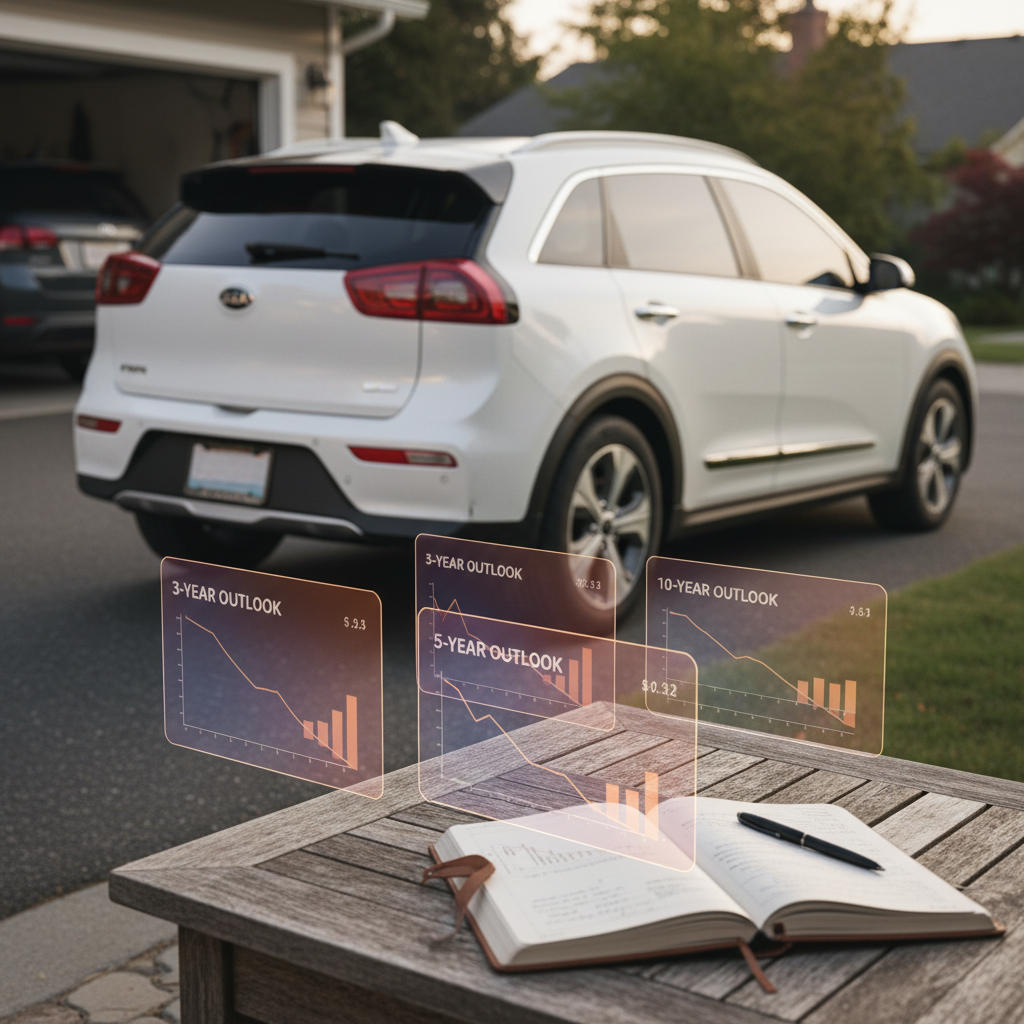
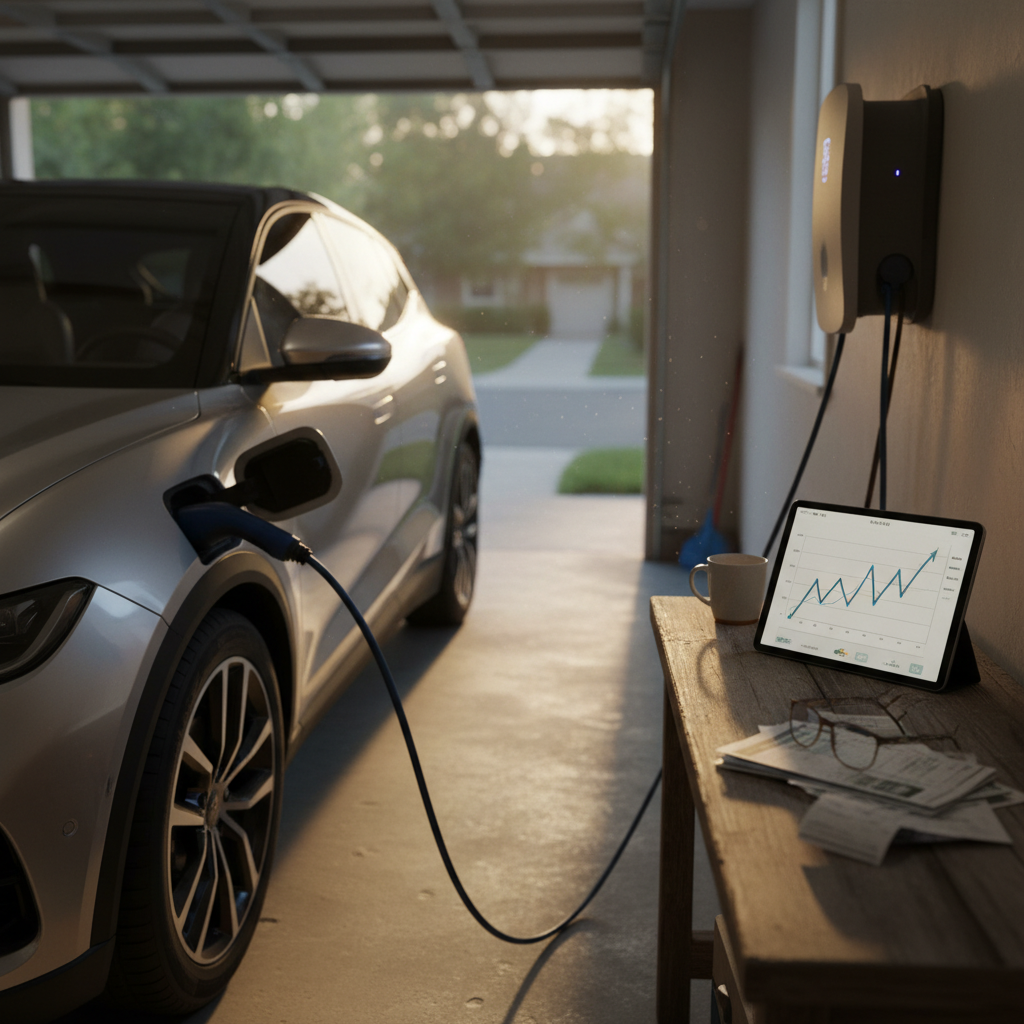
Putting it plainly, if you treat the pack reasonably well, a Tesla Cybertruck battery is likely to lose around 3–5% capacity in the first year or so, then settle into roughly 1–2% loss per year. Over eight years, that points to something like 15–20% total degradation for a typical owner, similar to what we’ve seen from other Tesla models and modern EVs in general.
Estimates, not guarantees
Why there’s so little hard Cybertruck data (yet)
- Launch timing: Customer deliveries began in late 2023, so even the earliest trucks have only a couple of years on the road.
- New cell format: The Cybertruck uses Tesla’s newest high‑volume 4680 cells, which don’t have decade‑long field history yet.
- Low volumes vs. Model 3/Y: There are far fewer Cybertrucks than Model 3 or Model Y vehicles, so third‑party data sets are still thin.
- Noise in early readings: Early “degradation” can be skewed by software estimates, cold weather, calibration issues, and how you measure range.
You’ll find scattered forum posts and app screenshots claiming anything from “0% loss at 7 months” to “5–7% in the first year.” Those anecdotes are useful color, but they’re not statistically rigorous. To get a credible yearly degradation picture, we lean on large data sets from other Teslas and independent fleet studies, then apply them carefully to the Cybertruck.
What other Teslas tell us about annual degradation
Cybertruck batteries are different, but they’re not magic. They’re still lithium‑ion packs managed by Tesla’s software. That means patterns seen on Model 3, Model Y, and other EVs are a helpful starting point when you’re thinking about Cybertruck battery degradation per year.
Key insights from Tesla and EV battery studies
Useful context for estimating Cybertruck battery life
Tesla pack retention
Modern EV averages
Tesla warranty signal
The consistent story: a lot of the degradation happens early as the pack “settles,” then things flatten out into a slow, mostly linear decline. There’s no reason so far to believe the Cybertruck’s 4680‑based pack will suddenly fall off a cliff unless it’s abused with constant high‑SOC storage and heavy fast‑charging.
Think in decades, not months
Inside the Cybertruck’s 4680 battery pack
Understanding what’s under the floor helps you interpret any talk of Cybertruck battery degradation per year. The truck uses Tesla’s in‑house 4680 cylindrical cells in a structural pack. The pack itself is part of the vehicle’s frame, which reduces weight and complexity compared with older 2170‑based designs.
Tesla Cybertruck battery: key technical points
High‑level details that matter for degradation and range
| Feature | What it means for you | Degradation implications |
|---|---|---|
| 4680 NMC cells | Newer, high‑energy Tesla cells with nickel‑rich chemistry tuned for trucks and SUVs. | Similar chemistry family to other long‑range Teslas, no obvious reason for dramatically worse aging. |
| Structural pack (~123 kWh) | Pack doubles as a structural element; very large capacity for a pickup. | More kWh means that even with 15–20% loss, you still retain substantial usable range. |
| 816V architecture | High‑voltage system for more efficient fast charging and power delivery. | Higher voltage can reduce current stress at a given power level, which can help thermal management. |
| Sophisticated thermal management | Liquid cooling and active management across the pack. | Temperature control is one of the biggest levers in slowing lithium‑ion battery degradation. |
Exact specs can vary by variant and software limits, but this outlines the fundamentals.
Why pack size matters
8 key factors that change your yearly degradation
Two Cybertrucks built on the same day can age very differently. That’s why any single number for Cybertruck battery degradation per year is only part of the story. Here are the factors that move you toward the high or low end of the range.
What drives Cybertruck battery degradation up or down
1. Average state of charge (SOC)
Keeping the truck near 100% for long periods accelerates aging. Living mostly in the <strong>20–80% window</strong> is easier on the pack than bouncing between 0% and 100% every day.
2. Fast‑charging frequency
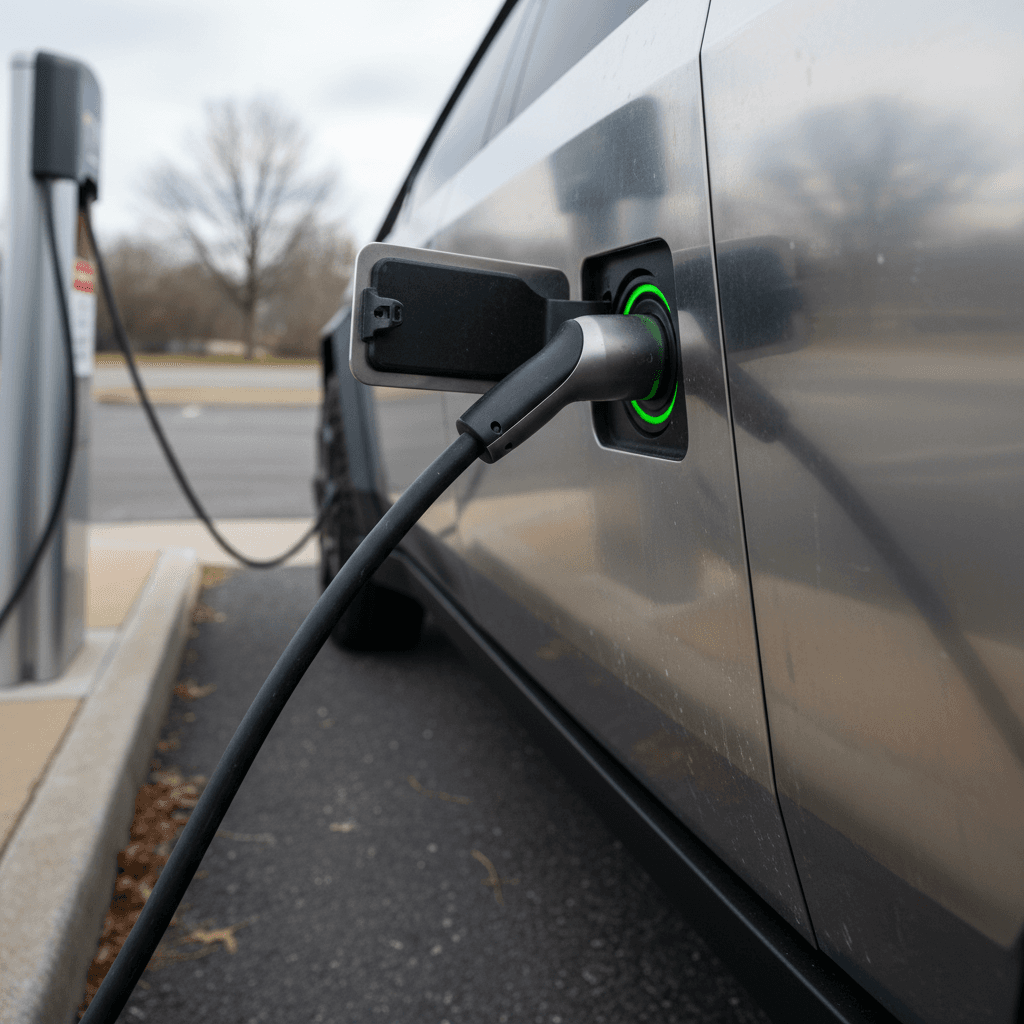
DC fast‑charging is safe but stressful in excess. Using Superchargers or other DC fast chargers as your <strong>primary</strong> fueling source will generally push yearly degradation higher than mostly Level 2 home charging.
3. Climate and pack temperature
Very hot climates are tough on batteries, especially if the truck sits in the sun at high SOC. The Cybertruck’s thermal management helps, but you’ll still age the pack faster in Phoenix than in Seattle.
4. Driving style and loads
Heavy towing, frequent max‑power launches, and high sustained speeds all generate more heat. That doesn’t doom the pack, but mixing in gentler driving helps keep degradation closer to the low end of the range.
5. Mileage per year
Degradation is a function of both <strong>time and usage</strong>. A truck doing 25,000 miles per year will typically show more annual degradation than one doing 8,000, even with similar charging habits.
6. Depth of discharge
Regularly running from near 100% down to single digits is more stressful than cycling between, say, 30% and 70%. Shallow, frequent cycles are generally healthier than deep, infrequent ones.
7. Storage patterns
Parking the Cybertruck for weeks at a time at either very high or very low SOC, especially in extreme temperatures, is hard on the cells. Aim to store it around 40–60% when possible.
8. Software and balancing
Over‑the‑air updates can change how range is calculated and how pack buffers are handled. Sometimes what looks like a sudden jump in “degradation” is really a change in how the truck is reporting capacity.
The real worst‑case scenario
Real‑world scenarios: best, typical, and worst case
Best‑case owner
- Mostly Level 2 home charging, 20–80% SOC.
- Mild climate, garage‑kept.
- Occasional DC fast‑charging on road trips.
- Moderate driving, little towing.
Likely outcome: After initial 3–5% “settling,” degradation could average near 1% per year, roughly 10–15% over 8–10 years.
Typical owner
- Home charging plus some fast‑charging.
- Mixed climates, truck often parked outside.
- Normal commuting with occasional heavy use.
Likely outcome: 3–5% in first year, then 1–2% annually. Total loss around 15–20% in 8 years, which aligns with many modern EVs.
Hard‑use owner
- Frequent DC fast‑charging.
- Hot climate, sits at high SOC in sun.
- Regular towing or max‑load hauling.
Possible outcome: Noticeably higher yearly degradation, potentially well above 3% per year over time, bringing the pack closer to warranty thresholds earlier.
Good news for used buyers
Ready to find your next EV?
Browse VehiclesHow to slow Cybertruck battery degradation
You can’t stop chemistry, but you can stack the odds in your favor. Think of these as your main levers for keeping Cybertruck battery degradation per year on the low side of the typical range.
Practical ways to protect your Cybertruck battery
Small habits, big impact over 8–10 years
Build a smart home‑charging routine
- Install or use a reliable Level 2 charger where you park most often.
- Use scheduled charging so the truck finishes charging near your departure time instead of sitting full.
- For daily use, set your charge limit around 70–80% instead of 90–100%.
Use fast‑charging strategically
- Rely on DC fast‑charging (Superchargers or others) mainly for road trips.
- On long drives, it’s often faster and easier on the pack to charge more often up to ~60–70% than to push to 100%.
Manage heat and parking
- Park in shade or a garage when you can, especially in hot climates.
- Avoid leaving the truck fully charged in the hot sun for days at a time.
Drive with the battery in mind
- Mix in more moderate acceleration and cruising; save full‑throttle launches for special occasions.
- If you tow heavy loads often, expect a bit more degradation and plan your purchase and budget accordingly.
Let the software work for you
How to check battery health on a (used) Cybertruck
If you’re looking at a used Cybertruck, either from a private seller or a marketplace like Recharged, you don’t have to guess at how much the battery has degraded. You just need to know what to look at, and what the numbers actually mean.
Used Cybertruck battery‑health checklist
1. Compare current range to original rating
Charge the truck to a known SOC (ideally 100% once, for testing) and compare the displayed range to the original EPA rating. A 10–15% shortfall on a multi‑year‑old truck is not unusual; a much larger gap deserves questions.
2. Look at mileage and charging history
Higher mileage doesn’t automatically mean a bad battery, but combine <strong>very high mileage</strong> with heavy DC fast‑charging, hot‑climate use, and aggressive driving and you’re more likely to see above‑average degradation.
3. Ask how it was charged day‑to‑day
A Cybertruck that lived on home Level 2 with a moderate charge limit is almost always a safer bet than one that lived at fast chargers and was constantly topped to 100%.
4. Use third‑party battery reports carefully
Apps and dongles can estimate degradation, but remember they’re working off Tesla’s software estimates. Treat them as one data point, not gospel.
5. Get an independent battery‑health report
A structured test, like the <strong>Recharged Score battery health diagnostics</strong> you get with every vehicle on Recharged, uses standardized methods to assess capacity and overall pack condition so you’re not just guessing from screenshots.
How Recharged helps with used Cybertrucks
Warranty, resale value, and used Cybertruck shopping
Battery degradation doesn’t just affect your daily range, it also shapes resale value and your risk as a used buyer. Tesla’s warranty terms give you a floor, but the market rewards trucks that clearly have healthy packs and smart charging histories.
How Cybertruck battery health affects your wallet
From warranty coverage to used‑market pricing, degradation matters.
| Item | What to know | Why it matters |
|---|---|---|
| Battery & drive unit warranty | Cybertruck packs are covered for around 8 years or 150,000 miles with at least 70% capacity retention promised during that period. | If your pack degrades faster than that under normal use, you may be eligible for repair or replacement. |
| Resale value vs. capacity | All else equal, a truck showing ~85% of original capacity commands more than one at ~70–75%. | Buyers pay for usable range. Documented battery health can justify a higher price. |
| Documented charging habits | Service records, home‑charging setup, and prior owner behavior all influence perceived risk. | A truck that lived on home Level 2 with a conservative charge limit is an easier sale later on. |
| Third‑party battery reports | Independent diagnostics (like a Recharged Score) provide objective capacity and health metrics. | Reduces haggle‑room over “what the range used to be” and gives both sides confidence in the deal. |
Exact warranty wording varies slightly by variant and market; always confirm for the VIN you’re considering.
Positioning your Cybertruck for strong resale
FAQ: Tesla Cybertruck battery degradation per year
Frequently asked questions
Bottom line: what to expect from Cybertruck battery life
We don’t yet have decade‑long, Cybertruck‑specific curves, but the bigger picture is clear: modern Tesla packs, including the Cybertruck’s 4680 structural battery, tend to degrade slowly when treated reasonably well. Expect a noticeable hit in the first couple of years, then a long period of relatively modest, mostly linear decline. How you charge, drive, and store the truck can easily move you a few percentage points in either direction.
If you’re shopping used, you don’t have to accept vague promises about "battery like new." Focus on measurable battery health, documented usage, and solid diagnostics. That’s exactly why every EV on Recharged comes with a Recharged Score Report, including verified battery health and fair‑market pricing, so you can buy a Cybertruck (or any used EV) with eyes wide open, not crossed fingers.