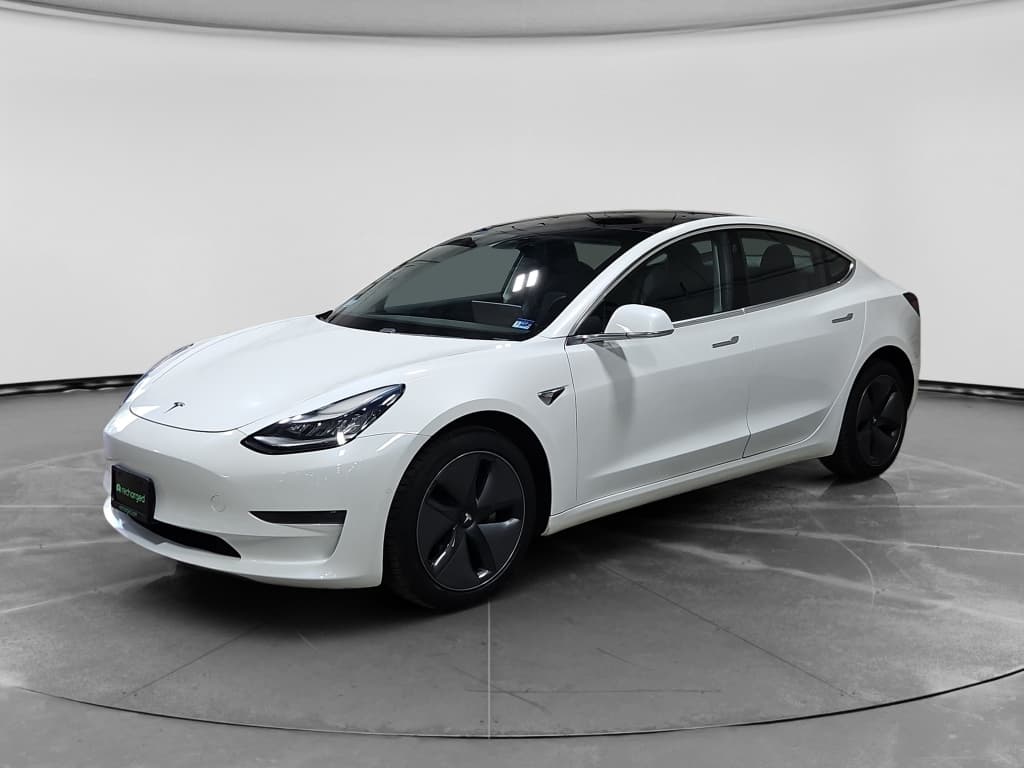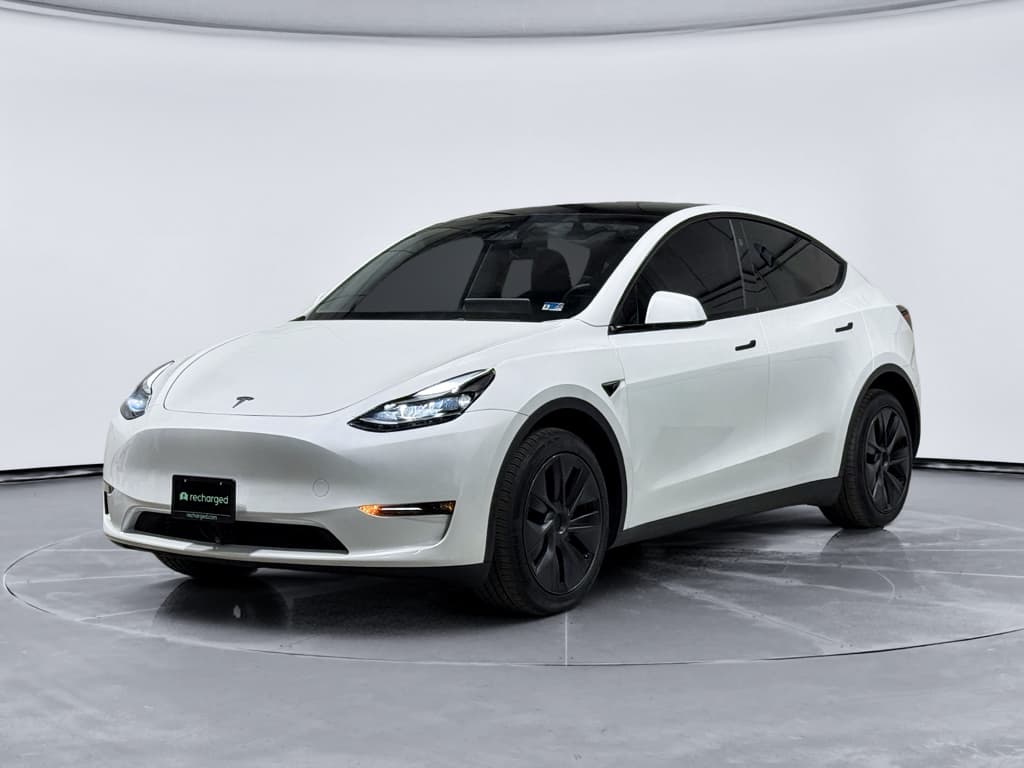
When most people think of an electric car, they think of Tesla. The Tesla automobile company helped drag a century‑old industry into the EV age, built the world’s most widely used fast‑charging network, and turned software into a core part of the car. But in 2025, the story is more complicated, and if you’re shopping for a new or used Tesla, you need to understand both the upside and the tradeoffs.
Why Tesla still matters
Tesla automobile company: quick overview
- Name: Tesla, Inc. (commonly called the Tesla automobile company)
- Founded: 2003 in the United States
- First production car: Tesla Roadster (2008–2012)
- Current core models: Model 3 and Model Y, plus Model S, Model X, Cybertruck, and Semi
- 2024 global deliveries: about 1.79 million vehicles, Tesla’s first year‑over‑year decline but still near the top of the global EV market
- Key businesses: Electric vehicles, energy storage, solar, charging network, and driver‑assistance/automation software
Tesla’s core business is building and selling fully electric vehicles, but it behaves very differently from a traditional car company. It sells directly to consumers rather than through franchised dealers, pushes over‑the‑air software updates regularly, and tightly integrates its vehicles with the Supercharger fast‑charging network and Tesla’s own app ecosystem.
How Tesla reshaped the auto industry
Four ways Tesla broke the traditional car-company mold
Understanding these shifts helps explain both Tesla’s success and its growing pains.
1. Pure EV focus
2. Proprietary charging
3. Software-first cars
4. Direct sales model
For you as a shopper, this disruption has real consequences. A Tesla often feels more like a smartphone on wheels than a traditional car, ownership is more app‑driven, and the purchase experience is more like ordering a laptop than haggling at a dealership. At the same time, service access, quality control, and rapid product changes can create friction, especially on the used market where expectations may not match reality.
Tesla’s vehicle lineup in 2025
As of late 2025, Tesla sells six main vehicle lines globally. Most of Tesla’s volume, and almost all of what you’ll see on the used market, comes from the Model 3 sedan and Model Y crossover, but the company also offers more niche models.
Tesla automobile lineup (2025 snapshot)
High-level view of Tesla’s passenger-vehicle range from a shopper’s perspective.
| Model | Type | Typical Seats | Role in lineup | Used-market notes |
|---|---|---|---|---|
| Model 3 | Compact sedan | 5 | Entry Tesla; high-volume global model | Huge used supply; many variants and price points |
| Model Y | Compact crossover | 5–7 | Best-selling Tesla; family-friendly | Dominates recent used listings; check build quality carefully |
| Model S | Large sedan | 5 | Premium flagship; long range and high performance | Older cars may have more battery and drivetrain wear; air suspension adds complexity |
| Model X | Large SUV | 6–7 | Premium SUV with “falcon wing” doors | Eye-catching but complex; higher repair costs and insurance |
| Cybertruck | Pickup/utility | 5 | Polarizing stainless steel truck with high performance | Still relatively new; long-term durability and depreciation are open questions |
| Semi | Class 8 truck | 2 | Long‑haul freight; not a consumer product | Mostly relevant if you’re following commercial EV trends |
Exact trims, ranges, and prices change frequently, always confirm current specs on Tesla’s site when you’re actively shopping.
Trim years matter
Beyond cars: energy, software, and robotaxis
Energy storage and solar
Tesla is also an energy company. Its Powerwall home batteries, Megapack grid‑scale storage, and solar products are a major growth area. In 2024, Tesla deployed over 30 GWh of energy storage, business that behaves more like infrastructure than consumer gadgets.
For drivers, this matters because Tesla thinks about the car as part of a broader electric ecosystem: home charging, rooftop solar, and grid services. That vision is starting to show up in features like dynamic charging and energy management in the app.
Software, Autopilot, and “Full Self‑Driving”
Tesla’s driver‑assistance suite ranges from basic Autopilot to Full Self‑Driving (Supervised), a feature that uses cameras and AI to navigate surface streets while still requiring a fully attentive human driver. Despite the branding, regulators still consider these systems Level 2 driver assistance, not autonomous driving.
From a buyer’s perspective, these features can add value, but they can also create confusion. Some cars have FSD as a one‑time purchase attached to the vehicle; others don’t. On a used Tesla, always verify which software options are actually active in the car today.
Tesla by the numbers (context for 2025)
About those robotaxis
Inside the Tesla Supercharger ecosystem
One of Tesla’s most important strategic decisions was to build its own fast‑charging network. Superchargers started as an exclusive perk for Tesla owners; today, they’re gradually opening to other brands via the North American Charging Standard (NACS) connector and adapters. That shift reinforces Tesla’s influence over the broader EV landscape.
What the Supercharger network means for you
Whether you drive a Tesla or another EV, this changes how you think about road trips.
Dense coverage
Generally reliable
Opening to other brands
Don’t confuse “Tesla charger” with “Tesla wall connector”
Strengths and weaknesses of the Tesla car company
Where Tesla is strong
- Efficient EV powertrains: Tesla vehicles generally deliver competitive range and efficiency for their battery size.
- Charging experience: Superchargers are integrated directly in the car’s navigation and app, simplifying road trips.
- Resale interest: Brand recognition keeps Teslas near the top of EV shopping lists, supporting used demand.
- Software features: Frequent updates add new capabilities and improve existing ones, especially in infotainment and driver assistance.
Where Tesla struggles
- Build quality variability: Panel gaps, paint issues, and interior squeaks still show up more often than on the best legacy brands.
- Service capacity: Limited service centers in some regions can mean longer wait times for repairs.
- Aging core lineup: Model 3 and Y are now familiar faces; competitors are catching up with fresh designs and interiors.
- Complex messaging on autonomy: Marketing hype around “Full Self‑Driving” can clash with the legal reality that drivers remain fully responsible.
What this means for buyers
Buying a used Tesla: what to look for
Because Tesla pushed EVs into the mainstream early, there’s now a deep and diverse used Tesla market. That’s good news for shoppers, but it also means you’ll see big differences in battery health, software options, and build quality between cars that look similar on the surface.
Essential checks before you buy a used Tesla
1. Battery health and range
Don’t just look at the original EPA range, ask what the car actually shows at 100% charge and how it’s been used. Frequent fast‑charging, high‑mileage rideshare use, and hot‑climate storage can all affect battery health.
2. Supercharger and DC fast‑charging history
Heavy DC fast‑charging isn’t automatically a red flag, but extreme usage patterns can accelerate wear. Ask for any available charging history and look for a balanced mix of home and fast‑charging.
3. Autopilot and FSD status
Confirm exactly which driver‑assistance features are <strong>active on the car today</strong>. Tesla can change whether certain software options transfer between owners, so don’t assume an ad’s claim will match reality.
4. Build quality and repairs
Inspect panel alignment, wind noise, and interior rattles on a test drive. Ask about prior bodywork, repairs on an aluminum or stainless steel Tesla can be more specialized than on a conventional car.
5. Service history and recalls
Check for completed recalls and service bulletins. Because Teslas get over‑the‑air fixes for software issues, it’s especially important to verify they’re on reasonably recent firmware.
6. Charging equipment included
Clarify whether a Wall Connector, mobile connector, or any adapters are included in the sale and whether they’re Tesla‑branded or third‑party.
Use a structured inspection checklist
How Recharged helps Tesla buyers
If you’re looking at a used Tesla, the tricky part isn’t finding one, it’s knowing which car is actually a good buy. That’s why every Tesla sold through Recharged comes with a Recharged Score Report, including verified battery health, pricing benchmarks, and a clear explanation of which software and driver‑assistance features the car actually has.
Why shop for a Tesla with Recharged
We focus on the details that matter most in EV ownership.
Battery health diagnostics
Fair market pricing
EV‑specialist guidance
Ready to find your next EV?
Browse VehiclesYou can buy entirely online, trade in your current vehicle, or even consign your Tesla if you’re selling. We also offer nationwide delivery and an Experience Center in Richmond, VA if you prefer to see vehicles in person before you commit.
Future outlook for Tesla and the EV market
After a decade of breakneck growth, Tesla entered 2024–2025 facing something it hadn’t really seen before: real competition and slower demand growth. Deliveries dipped slightly year‑over‑year in 2024, automakers in China and Europe stepped up their EV offerings, and U.S. buyers showed more interest in hybrids even as EV tax credits shifted.
Possible paths for the Tesla automobile company
If Tesla executes well
Successfully launches its next‑generation, lower‑cost vehicle platform around the mid‑2020s.
Turns the Supercharger and NACS ecosystem into a steady revenue stream serving many brands.
Stabilizes quality and service, improving satisfaction among long‑time owners.
Uses Robotaxi and Cybercab programs to create new high‑margin software and mobility revenue.
If execution slips
Delays or cancels affordable models, opening space for rivals at the crucial $25k–$35k price point.
Loses its perceived tech edge as competitors roll out compelling software and driver‑assistance systems.
Faces regulatory and reputational risks if autonomy claims outpace real‑world performance.
Sees brand fatigue as Model 3/Y age and fresh alternatives multiply.
What this means for your decision
Tesla automobile company: FAQ
Frequently asked questions about the Tesla automobile company
The bottom line on Tesla as an automaker
The Tesla automobile company has already secured its place in automotive history. It forced the industry to take EVs seriously, proved that charging infrastructure is as important as the car, and turned software into a core part of the driving experience. In 2025, the story shifts from disruption to execution: can Tesla refresh its lineup, scale service, and deliver on its bold autonomy promises while competitors fight hard for the same customers?
For you as a shopper, the practical questions are simpler. Does a particular Tesla, new or used, fit your daily driving, charging, and budget needs? Is its battery healthy? Are you comfortable with Tesla’s service footprint and software‑centric design? If you want help answering those questions, browsing Recharged’s used EV inventory and talking with our EV specialists is a straightforward way to compare Tesla to the rest of the market and choose the car that actually makes sense for how you drive.