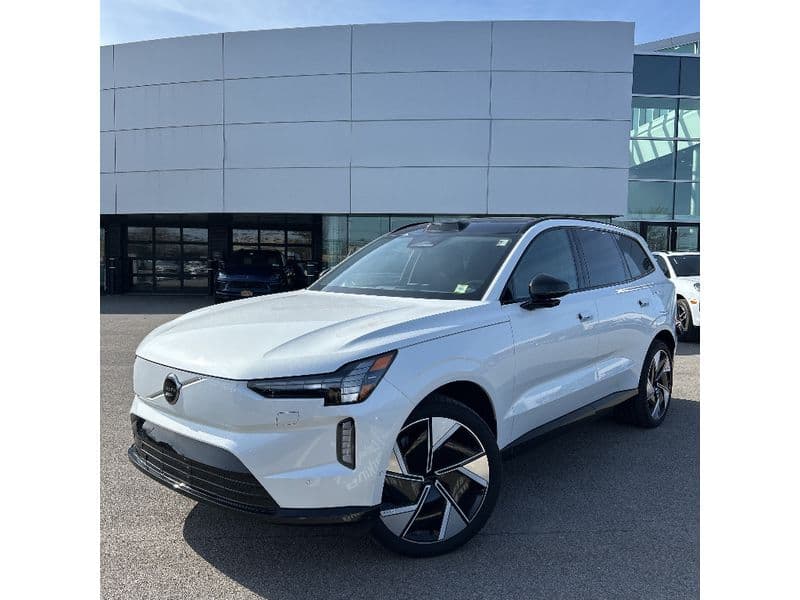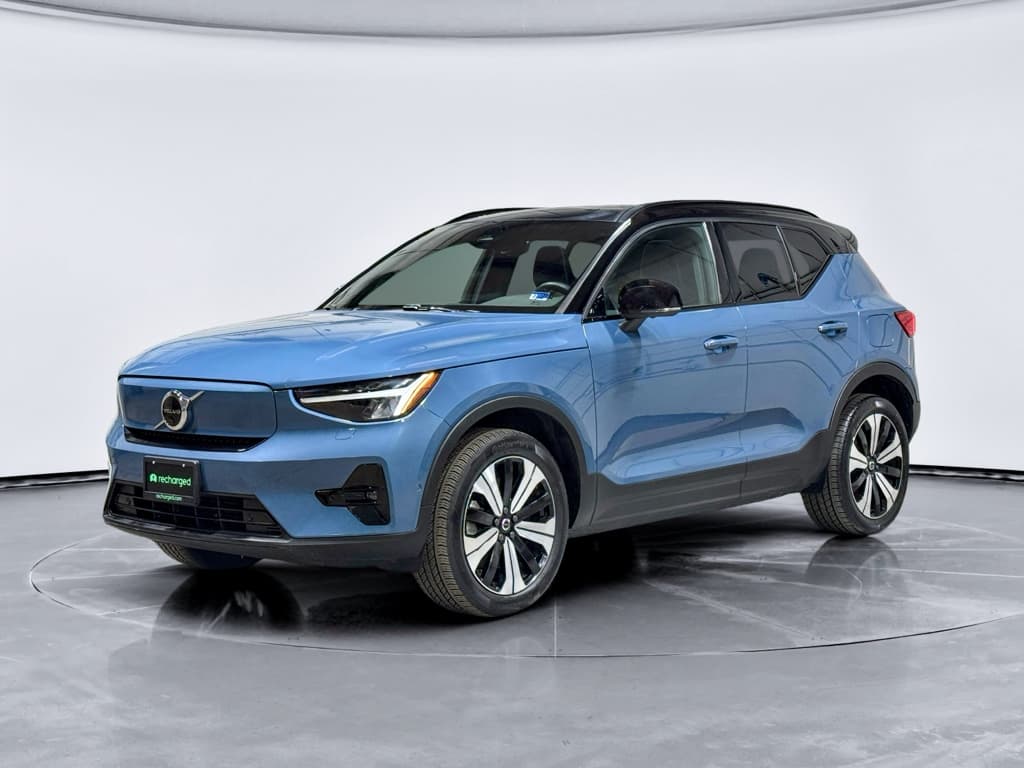
If you’ve been happily driving a Volvo XC90 but are eyeing the all‑electric Volvo EX90, the first question that usually bubbles up is simple: will this actually save me money? Switching from a Volvo XC90 to a Volvo EX90 brings higher upfront pricing, but radically different fuel and maintenance costs. This guide walks through where the real cost savings come from, what might get more expensive, and how to stack the deck in your favor, especially if you’re considering a used EX90 from a marketplace like Recharged.
What this article covers
Why switch from a Volvo XC90 to the EX90?
On paper, the Volvo XC90 and Volvo EX90 fill the same role: a three‑row Scandinavian family SUV with safety at the top of the spec sheet. But under the skin they’re completely different. The XC90 is a gasoline or plug‑in hybrid model; the EX90 is a fully electric SUV with a large battery and dual‑motor all‑wheel drive. That means your running costs move from gas stations and oil changes to electrons and software updates.
- You want to cut fuel costs without giving up a spacious, family‑friendly SUV.
- You’re ready to move away from engine maintenance, oil, belts, exhaust, and transmission work.
- You’d like access to HOV lanes or local EV perks in some states or cities.
- You care about future resale value as more buyers look for electric options.
Think in years, not months
Upfront price vs long-term costs
Let’s acknowledge the elephant in the showroom: a new EX90 is typically more expensive than a comparable new XC90 on sticker price. Electric tech, a large battery, and advanced driver assistance all add cost. But monthly ownership isn’t just about MSRP.
What makes the EX90 pricier up front?
- Large battery pack and dual motors
- More advanced driver assistance hardware
- Newer platform with more tech content
Where it earns money back
- Lower fuel cost per mile
- Less routine maintenance
- Potential EV incentives and tax credits
- Stronger demand in the used EV market
Total cost of ownership matters most
Fuel vs electricity: what you’ll really save
Fuel is where many drivers see the biggest immediate savings when switching from a Volvo XC90 to a Volvo EX90. A three‑row gasoline SUV isn’t shy about visiting the pump, and prices move around enough that you feel every visit.
XC90 fuel vs EX90 electricity: typical U.S. owner
If you drive more than 15,000 miles a year, live where gas is expensive, or can charge at lower off‑peak electricity rates, the savings ramp up even faster. On the other hand, if you rely heavily on high‑priced DC fast charging, the gap narrows.
Public fast charging can change the math
Maintenance and repairs: XC90 vs EX90
The other big chunk of savings when you move from an XC90 to an EX90 shows up in the service lane. Electric SUVs don’t need oil changes, timing belts, spark plugs, or exhaust work. They also don’t have traditional automatic transmissions with dozens of moving parts.
Where the EX90 simplifies ownership
Fewer moving parts, fewer surprise bills
No oil or exhaust
Less drivetrain wear
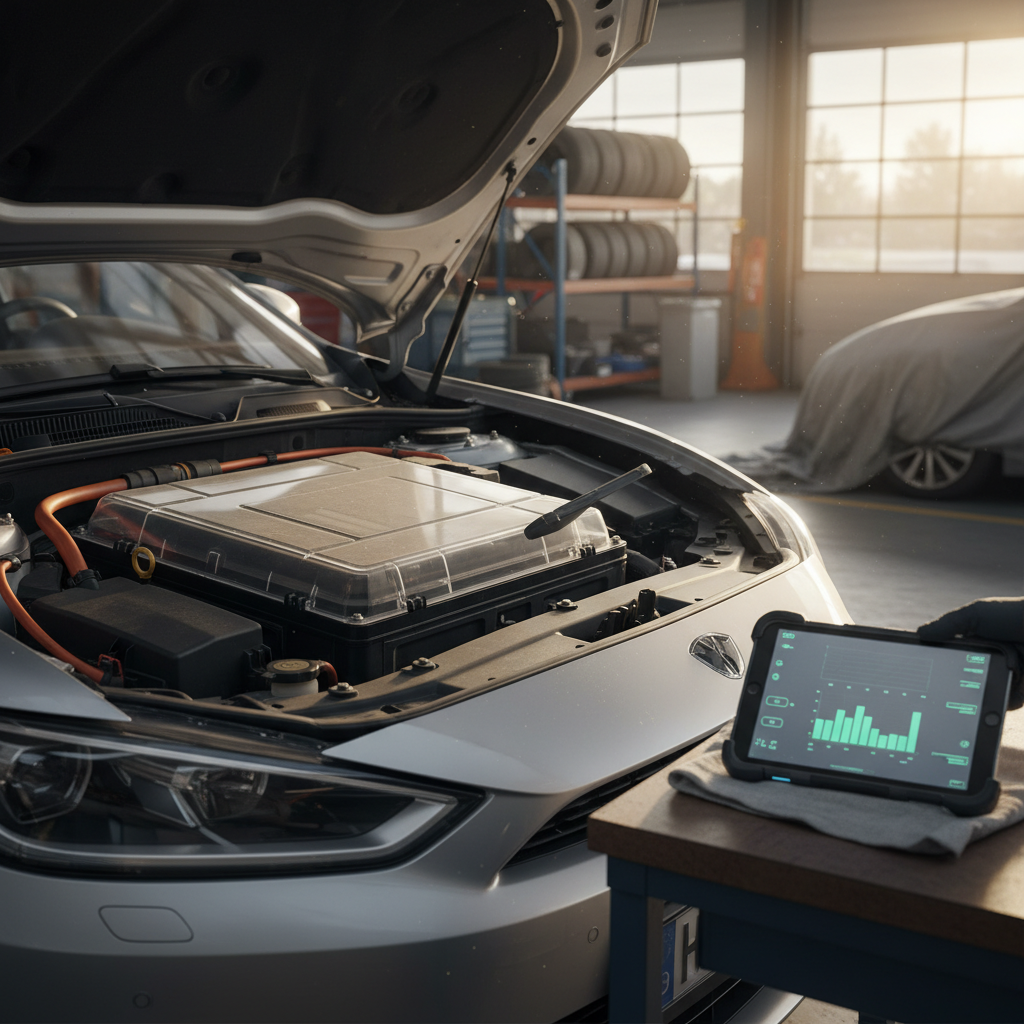
Battery health is trackable
You’ll still have regular costs with an EX90, tires, brakes, cabin filters, coolant and brake fluid changes, but the maintenance schedule is generally simpler. For a family that keeps its SUV 5–8 years, that can easily mean thousands of dollars avoided in engine‑related service.
Budget for EV‑specific maintenance
Insurance, taxes, and incentives
Some drivers are surprised to see that insuring an EX90 can cost a bit more than an XC90. Newer tech, more sophisticated sensors, and higher vehicle value all influence premiums. But state and federal policy can help balance the ledger.
- Insurance: Many carriers charge more for newer EVs due to repair costs, but shopping around and choosing higher deductibles can soften the blow.
- Registration fees: A few states add extra fees for EVs to recoup lost gas tax revenue; others offer discounts or perks for zero‑emission vehicles.
- Tax credits and rebates: Depending on when and how you buy, the EX90 may qualify for federal or state EV incentives that the XC90 simply can’t tap.
- Local perks: Reduced or free parking, HOV access, or utility rebates for home chargers can all tilt total cost of ownership in the EX90’s favor.
Check incentives before you commit
Resale value and depreciation
Both the XC90 and EX90 are premium three‑row family haulers wearing a Volvo badge, so neither is a depreciation rock star. But the shape of their value curves is changing. As more shoppers seek out electric SUVs, well‑cared‑for EX90s could hold value differently than gasoline XC90s.
XC90 depreciation pattern
- Predictable luxury‑SUV curve, steeper in the first 3 years.
- Value closely tracks mileage and service history.
- Gasoline powertrains may feel dated as EVs become mainstream.
EX90 depreciation pattern
- Early EVs can see faster initial drops as incentives and tech change.
- Battery health is a major factor in resale price.
- Desirability of three‑row EVs could support stronger long‑term demand.
How Recharged helps with resale risk
Ready to find your next EV?
Browse VehiclesSample 5‑year cost comparison: XC90 vs EX90
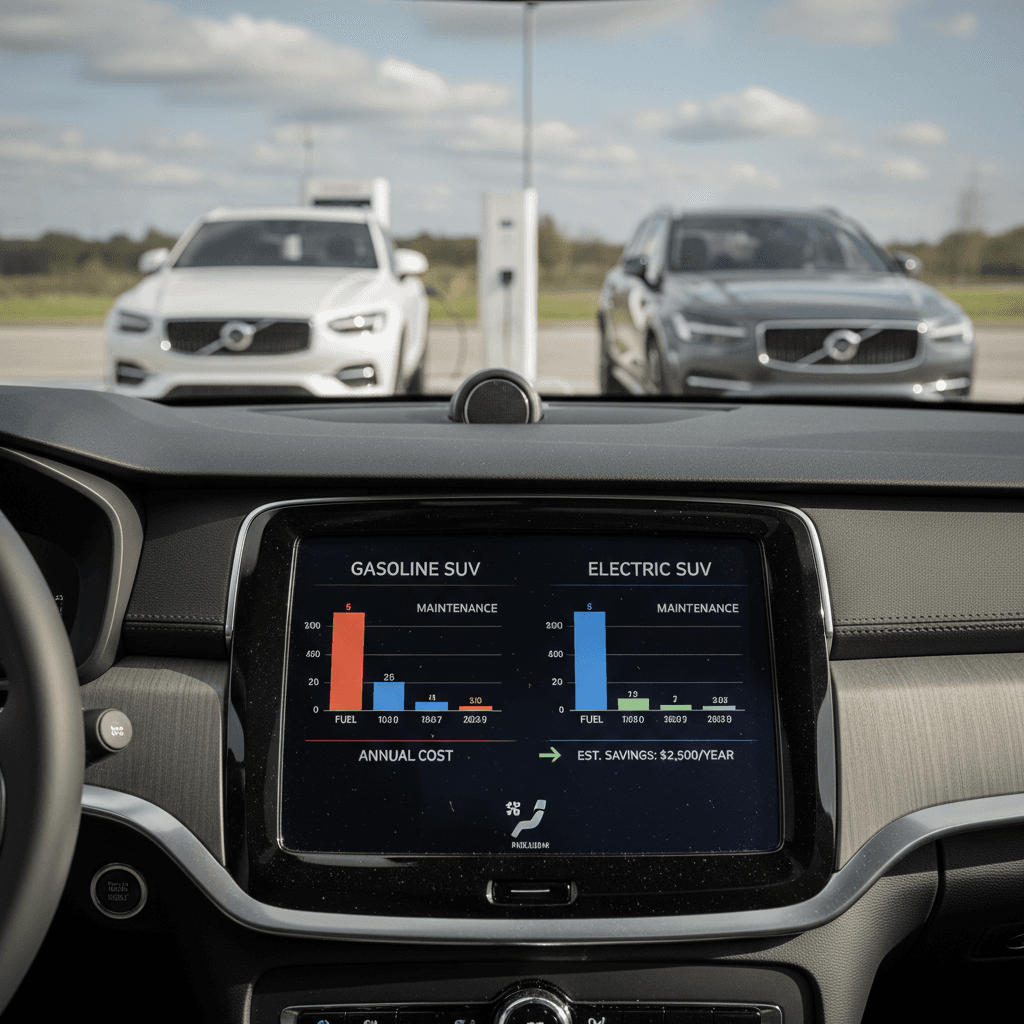
Let’s pull the major pieces together. This simplified example isn’t a quote, but it gives you a feel for how switching from a Volvo XC90 to a Volvo EX90 can shake out over five years for a typical U.S. driver putting 15,000 miles a year on the odometer.
Illustrative 5‑year cost of ownership
Approximate 5‑year costs for a similarly equipped XC90 vs EX90, assuming 15,000 miles per year, mostly home charging, and average U.S. fuel and electricity prices.
| Category | XC90 (Gasoline) | EX90 (Electric) | Notes |
|---|---|---|---|
| Fuel / Electricity | $12,000 | $3,750 | Approx. $1,600+ per year saved on energy with home charging. |
| Routine Maintenance | $4,000 | $2,000 | Fewer engine and transmission services on the EX90. |
| Repairs (out of warranty) | $3,000 | $2,000 | Depends heavily on luck and service history. |
| Insurance | $7,500 | $8,250 | EX90 assumed ~10% higher premiums. |
| Taxes & Fees (net of incentives) | $4,000 | $2,500 | EV incentives and some state perks reduce effective cost. |
| Estimated Depreciation | $25,000 | $27,000 | Early EV depreciation can be steeper, but demand for 3‑row EVs helps. |
| 5‑Year Total | $55,500 | $45,500 | Roughly $10,000 lower total cost for the EX90 in this scenario. |
Numbers are rounded for clarity and will vary with location, driving style, and how you buy or finance each vehicle.
Your numbers will be different
7 ways to maximize your EX90 cost savings
Practical steps to tilt the math in your favor
1. Charge at home as much as possible
Home charging at typical residential rates is usually far cheaper than public fast charging. If you can, install a Level 2 charger or use an existing 240V outlet and schedule overnight charging.
2. Use time-of-use utility rates
Many utilities offer lower overnight electricity rates. Setting your EX90 to charge off‑peak can further widen the gap between electricity and gasoline costs.
3. Right‑size your insurance coverage
Shop around for EV‑friendly insurers, adjust deductibles, and drop unnecessary coverage on other vehicles so the EX90’s premium doesn’t erase your fuel savings.
4. Keep up with tire rotations and alignments
EVs are heavier and quicker; they can chew through tires if ignored. Regular rotations and alignments keep tire costs predictable instead of painful.
5. Take advantage of every incentive
Stack federal, state, and utility incentives for the EX90 and for home charging equipment where available. A few forms today can save thousands over the life of the vehicle.
6. Plan your fast‑charging stops
Use route planning tools to avoid the most expensive chargers and minimize time spent at high‑priced stations. Even a few cents per kWh adds up over road‑trip season.
7. Consider buying used through a specialist
A used EX90 with a verified battery and transparent pricing from an EV‑focused retailer like <strong>Recharged</strong> can deliver EX90 benefits without new‑car depreciation.
How a used EX90 changes the math
Buying new is rarely the cheapest path to any vehicle, and the EX90 is no exception. If you’re willing to let someone else take the first depreciation hit, a used EX90 can compress your total cost of ownership while still giving you modern tech, safety, and range.
Why many XC90 owners look for a used EX90
Same space and safety, less financial shock
Lower depreciation hit
Battery health transparency
Recharged was built around exactly this kind of decision. If you’re moving from a Volvo XC90 to an EX90, you can get an instant trade‑in offer, explore financing tailored to EVs, and see battery‑health data on every EX90 we sell, all in a fully digital experience with optional nationwide delivery.
FAQ: Volvo XC90 to EX90 cost questions
Common money questions about switching to an EX90
Is switching to the EX90 worth it?
If you’re coming out of a Volvo XC90, the EX90 will feel familiar in the ways that matter, space, safety, and calm Scandinavian design, but radically different in how it quietly chips away at your running costs. Fuel and maintenance are where the EX90 quietly wins the long game, especially if you drive a typical American mileage and can charge at home most nights.
The higher purchase price and potentially higher insurance bill are real, but for many owners the math still tilts in favor of the EX90 over a 5‑year window, and even more so if you buy used. That’s where a marketplace like Recharged can help: you can trade out of your XC90, browse used EX90s with verified battery health and transparent pricing, line up EV‑friendly financing, and have your next Volvo delivered to your driveway.
Run your own numbers using the categories in this guide, purchase price, fuel or electricity, maintenance, insurance, incentives, and resale. If the EX90 lines up with your life and your budget, switching from an XC90 isn’t just a tech upgrade. It can be a financial one too.