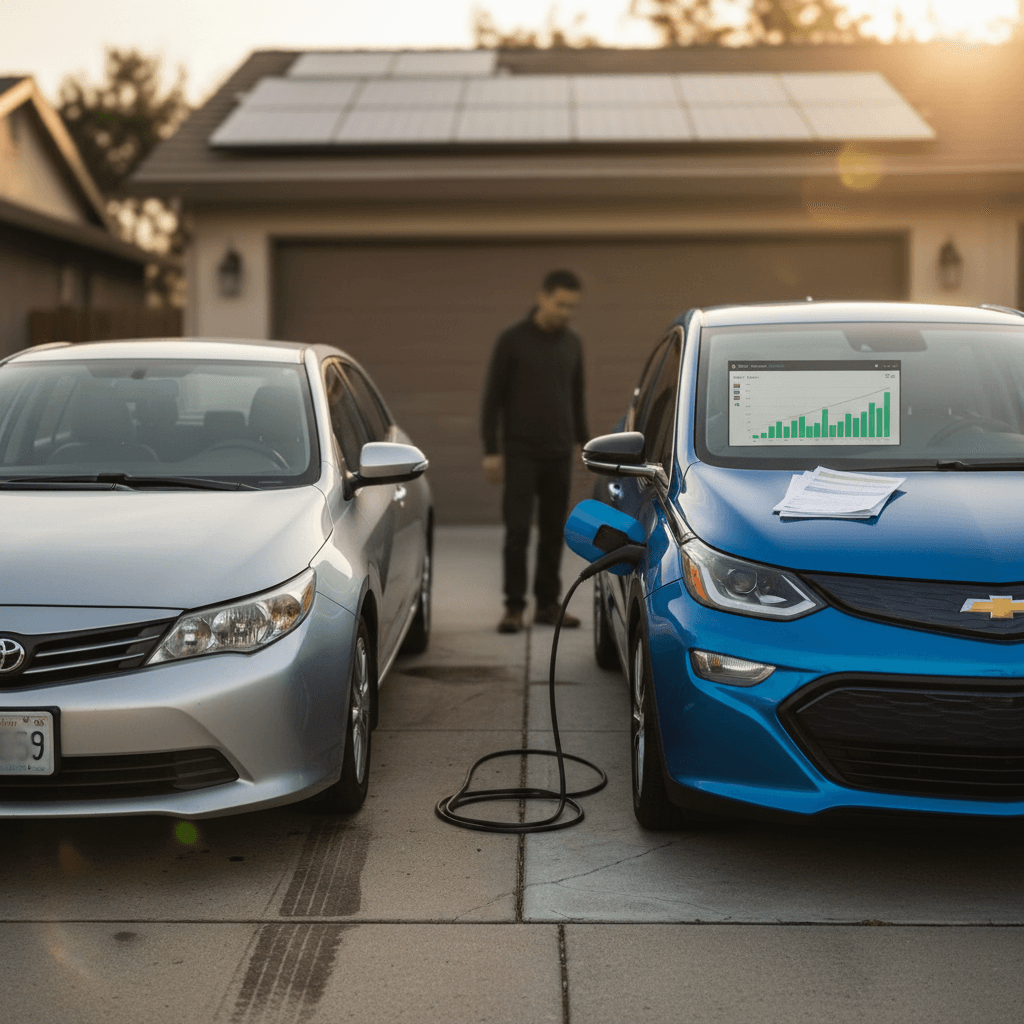
If you’re driving a Toyota Corolla today and wondering whether a Chevrolet Bolt EV could actually save you money, you’re asking the right question. The Corolla is one of the most efficient, economical gasoline cars on the road, so if an EV can beat it on total cost of ownership, that’s a strong signal EVs are past the early‑adopter phase and into pure economic territory for a lot of drivers.
What this guide does (and doesn’t) do
Why Compare a Toyota Corolla and a Chevrolet Bolt EV?
Corolla: Benchmark for cheap, reliable gas driving
- Compact sedan that’s often the default choice for budget‑conscious buyers.
- Recent non‑hybrid models typically get around 32–35 mpg combined in EPA ratings, depending on year and trim.
- Huge used inventory, relatively low repair costs, and bulletproof reputation.
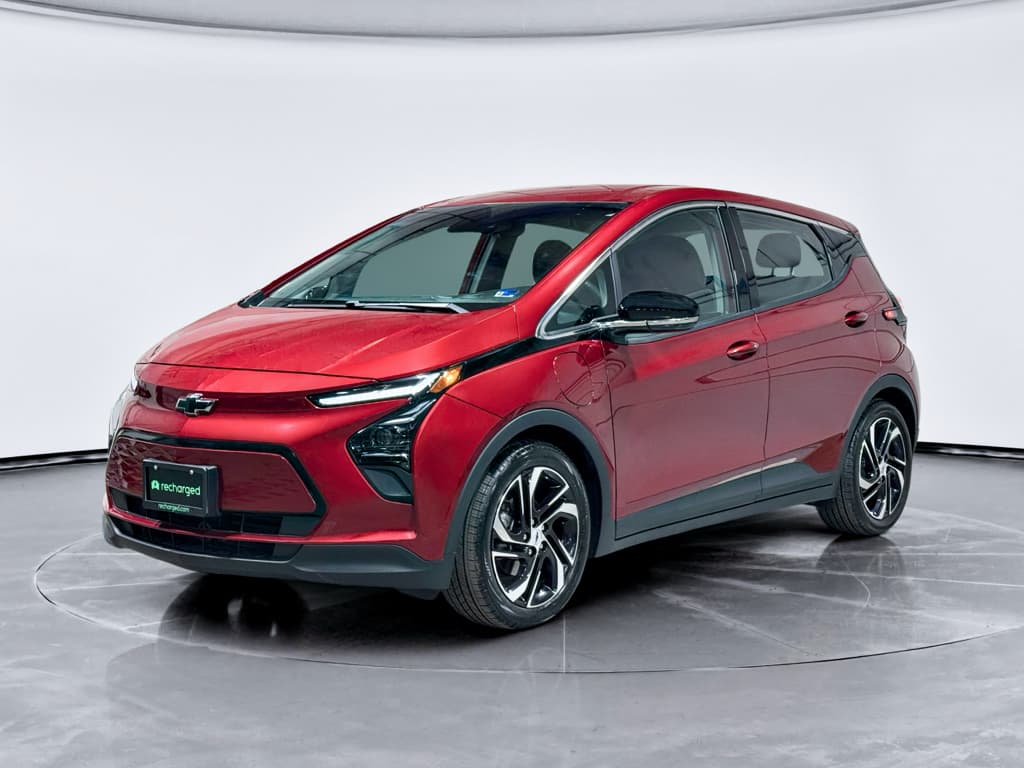
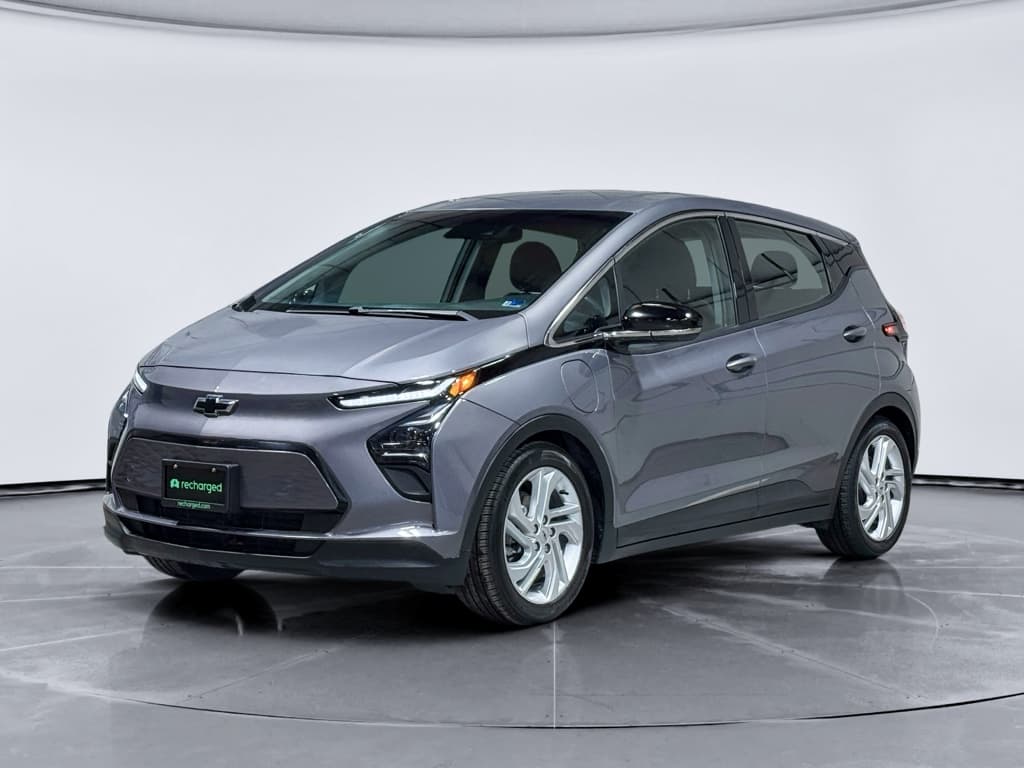
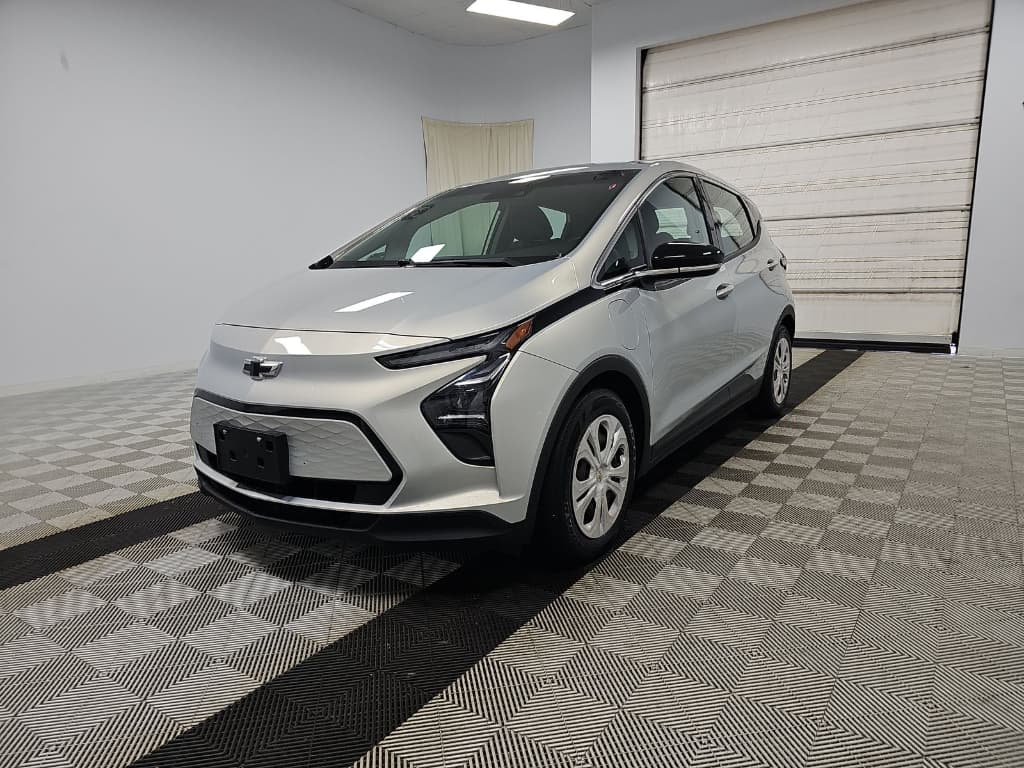
Bolt EV: Affordable, efficient compact EV
- All‑electric hatchback rated around 28–29 kWh/100 miles (~3.4–3.6 miles per kWh).
- Real‑world range around 240–260 miles for most model years.
- One of the most energy‑efficient EVs sold in North America, with attractive pricing in the used market after recent discontinuation of new sales.
Used EVs are where the math gets interesting
Key Assumptions Behind the Cost Math
To keep things grounded, we’ll use a single clear set of baseline assumptions and then show how your results change if you drive more or less.
Baseline Cost Assumptions (United States, 2025–2026 Averages)
These are rounded national averages; your local numbers may be higher or lower.
| Item | Assumption | Notes |
|---|---|---|
| Annual mileage | 12,000 miles | Roughly the U.S. light‑duty vehicle average |
| Gas price (regular) | $3.25/gal | Near recent 2024–2025 national averages, below current early‑2026 spike |
| Residential electricity | $0.17/kWh | Close to recent national residential averages |
| Toyota Corolla fuel economy | 34 mpg combined | Typical for late‑2010s/early‑2020s non‑hybrid Corollas |
| Chevy Bolt EV efficiency | 28 kWh/100 mi | Representative of EPA ratings for recent Bolt EVs |
Adjust these inputs with your own gas price, electricity rate, and mileage to fine‑tune the results.
Reality check on variability
Fuel vs Electricity Costs: Where Most Savings Come From
Annual Energy Cost: Corolla vs Bolt EV (12,000 miles/year)
On energy alone, the Bolt EV roughly cuts your annual fueling bill in half compared with a gasoline Corolla under our baseline assumptions. That’s before we talk about oil changes, brakes, or anything else.
- Corolla annual fuel = 12,000 / 34 × $3.25 ≈ $1,147 per year.
- Bolt EV annual electricity = 12,000 × 0.28 kWh × $0.17 ≈ $571 per year.
- Net annual energy savings ≈ $575–$600, depending on how and where you drive.
Home charging makes or breaks the savings

Maintenance and Repairs: Bolt EV vs Corolla
Even if fuel were a wash, EVs chip away at costs in another place: routine maintenance. A Corolla is relatively cheap to maintain for a gasoline car, but it still has hundreds of moving parts the Bolt simply doesn’t.
Typical Maintenance Differences
Why an EV’s simplicity adds up over time
Toyota Corolla maintenance
- Regular oil and filter changes (2–3 per year, depending on mileage).
- Transmission fluid service over time.
- More frequent brake jobs (no strong regen braking to help).
- Exhaust system, spark plugs, belts and other wear items.
Across several years of ownership, it’s common to average $600–$800/year in total maintenance and minor repairs, especially out of warranty.
Chevrolet Bolt EV maintenance
- No oil, spark plugs, or exhaust system.
- Single‑speed gearbox with far fewer wear items.
- Regenerative braking dramatically reduces brake wear.
- Coolant and cabin air filter services at longer intervals.
Many Bolt owners report routine maintenance averaging closer to $300–$500/year over the long term.
Summary: maintenance savings
Purchase Price and Depreciation: New vs Used
Fuel and maintenance savings only matter if they aren’t wiped out by a higher purchase price or steeper depreciation. Today, the interesting story is less about brand‑new cars and more about the used market.
How pricing typically compares in 2026
1. New Corolla vs (formerly) new Bolt EV
When both were sold new, a reasonably equipped Corolla and Bolt EV were often within several thousand dollars of each other after incentives. With federal EV tax credits changing over time, the Bolt could be more expensive up front in some model years and cheaper in others.
2. Used Corolla pricing
The Corolla’s strong reputation supports used prices. A 5–6‑year‑old Corolla with average miles often commands a solid resale value and depreciates slowly, but you’re still exposed to engine and transmission aging.
3. Used Bolt EV pricing
Because EVs have been evolving quickly, and because of concerns about battery degradation and earlier recalls, used Bolt EVs in many markets are priced aggressively compared with their original MSRPs. That can offset the fact that EVs historically took a bigger early depreciation hit.
4. Depreciation risk
If you buy an older Bolt with an unknown or weak battery, depreciation can be brutal. If you buy one with <strong>verified good battery health</strong> and realistic pricing, depreciation can be quite manageable, especially if you plan to drive a lot of miles per year.
Battery health is the wildcard for used EVs
Three Driver Profiles: How Much Could You Save?
Let’s translate all of this into concrete numbers. Below are simplified, blended estimates over five years, using our baseline prices and maintenance ranges. These are not quotes, just directional math to help you reason about your own situation.
5‑Year Cost Comparison: Corolla vs Bolt EV (Energy + Maintenance Only)
Purchase price, taxes, insurance, and resale are excluded here so you can see how operating costs alone behave at different mileages.
| Profile | Annual miles | Corolla: 5‑yr fuel | Corolla: 5‑yr maint. | Bolt: 5‑yr electricity | Bolt: 5‑yr maint. | 5‑yr savings with Bolt |
|---|---|---|---|---|---|---|
| Light commuter | 8,000 | ≈$3,820 | ≈$3,000 | ≈$2,285 | ≈$1,800 | ≈$2,735 |
| Average driver | 12,000 | ≈$5,730 | ≈$3,500 | ≈$3,425 | ≈$2,000 | ≈$3,805 |
| High‑mileage | 18,000 | ≈$8,600 | ≈$4,500 | ≈$5,135 | ≈$2,500 | ≈$5,465 |
Assumes stable prices and average conditions. Real‑world results will vary.
Even for a relatively low‑mileage driver, you’re looking at a few thousand dollars of potential operating‑cost savings over a five‑year horizon. For high‑mileage drivers, the Bolt EV can plausibly save $5,000 or more versus a Corolla on energy and maintenance alone.
What about purchase price and resale?
Non-Financial Factors: Comfort, Charging, and Risk
Where the Bolt EV clearly wins
- Driving experience: Instant torque, quiet cabin, one‑pedal driving with strong regen.
- Urban practicality: Compact footprint, hatchback flexibility, great for city parking.
- Energy security: Less exposed to oil‑price shocks; you can "refuel" at home overnight.
- Local emissions: Zero tailpipe emissions, which matters in garages and dense neighborhoods.
Where the Corolla still has an edge
- Long‑distance convenience: Gas stations everywhere; no need to plan charging stops.
- No charging setup: Apartment dwellers without dedicated parking may struggle to charge reliably.
- Perceived risk: Gas powertrains are familiar; some buyers are wary of EV tech and battery replacement costs.
- Resale predictability: The Corolla’s used‑value curve is well‑understood; EV residuals are still normalizing.
Apartment and street‑parking caveat
How Buying a Used Bolt EV Through Recharged Changes the Math
On paper, plenty of EVs look cheap to run. In reality, the difference between a great used EV and a money pit usually comes down to due diligence. This is where a structured marketplace like Recharged changes the calculus versus buying a random Bolt EV from classifieds.
Recharged Advantages for a Used Bolt EV
How to de‑risk the switch from Corolla to Bolt
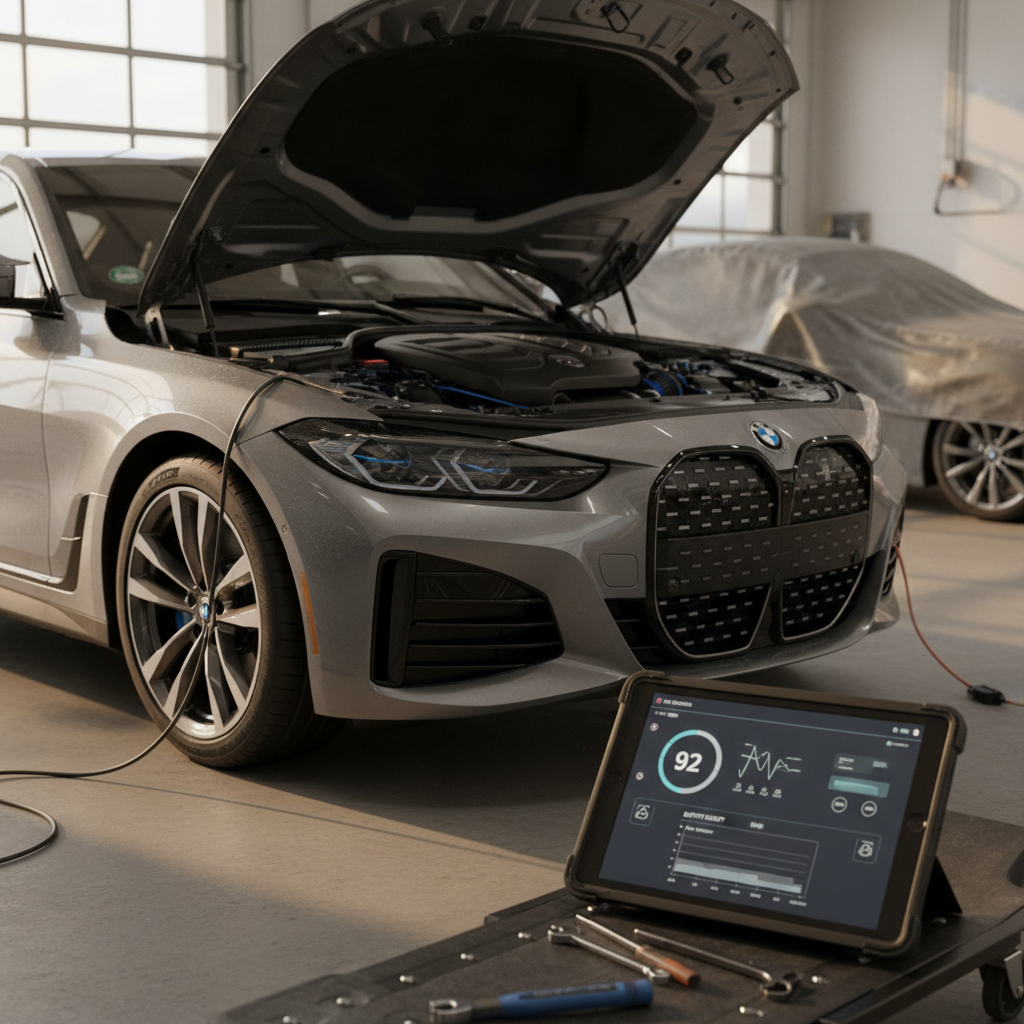
Recharged Score battery health
Fair, data‑driven pricing
EV‑specialist support and delivery
Ready to find your next EV?
Browse VehiclesWhy this matters for cost savings
Step-by-Step Checklist Before You Switch
Practical Checklist: Corolla Today, Bolt EV Tomorrow
1. Map your real annual mileage
Use odometer photos or app data to see how many miles you actually drive per year. The more you drive, the stronger the Bolt EV’s economics versus your Corolla.
2. Estimate your personal fuel vs electricity costs
Plug your local gas price, electricity rate, and mileage into a simple spreadsheet. Compare annual fuel cost for ~34 mpg gas vs 28 kWh/100 mi EV. This personalizes the savings instead of relying on national averages.
3. Be honest about charging access
Can you install Level 2 at home? Do you have reliable access to an outlet at work? If you’ll rely heavily on public fast charging, redo the math with higher electricity rates and time costs.
4. Compare real used prices, not just MSRP
Look at comparable‑age Corollas and Bolt EVs with similar mileage. On Recharged, pay attention to the <strong>Recharged Score Report</strong> and battery health data when comparing prices.
5. Model a 5‑year ownership window
Add up: purchase price minus expected resale, plus 5 years of fuel/electricity and maintenance. Run the numbers for both Corolla and Bolt EV. This gives you a crude but powerful total cost of ownership comparison.
6. Consider financing and incentives
Financing terms, EV incentives, and utility rebates for home charging can move the needle. Recharged can help you explore <strong>financing options</strong> and applicable rebates when you’re ready to shop.
FAQ: Switching from Corolla to Chevrolet Bolt EV
Frequently Asked Questions
The Bottom Line: When a Bolt EV Beats a Corolla
If a Toyota Corolla is the gold standard for cheap, reliable gasoline driving, the Chevrolet Bolt EV is its electric counterpart. Under current U.S. energy prices, many drivers who can charge at home will see hundreds of dollars per year in fuel savings and another few hundred in lower maintenance, even compared with an efficient Corolla. Over a 5‑ to 10‑year horizon, that can easily add up to several thousand dollars, enough to offset a higher purchase price for the right used Bolt EV.
The key is to run the numbers with your own mileage and local prices, be honest about your charging situation, and buy a Bolt EV with verified battery health and fair pricing. That’s exactly the gap Recharged is built to fill: a transparent used‑EV marketplace with battery diagnostics, Recharged Score reports, EV‑savvy support, and nationwide delivery. If you’re ready to see whether a Bolt EV can beat your Corolla on dollars as well as driving experience, your next step is to start browsing used Bolts and plug your own numbers into the equation.