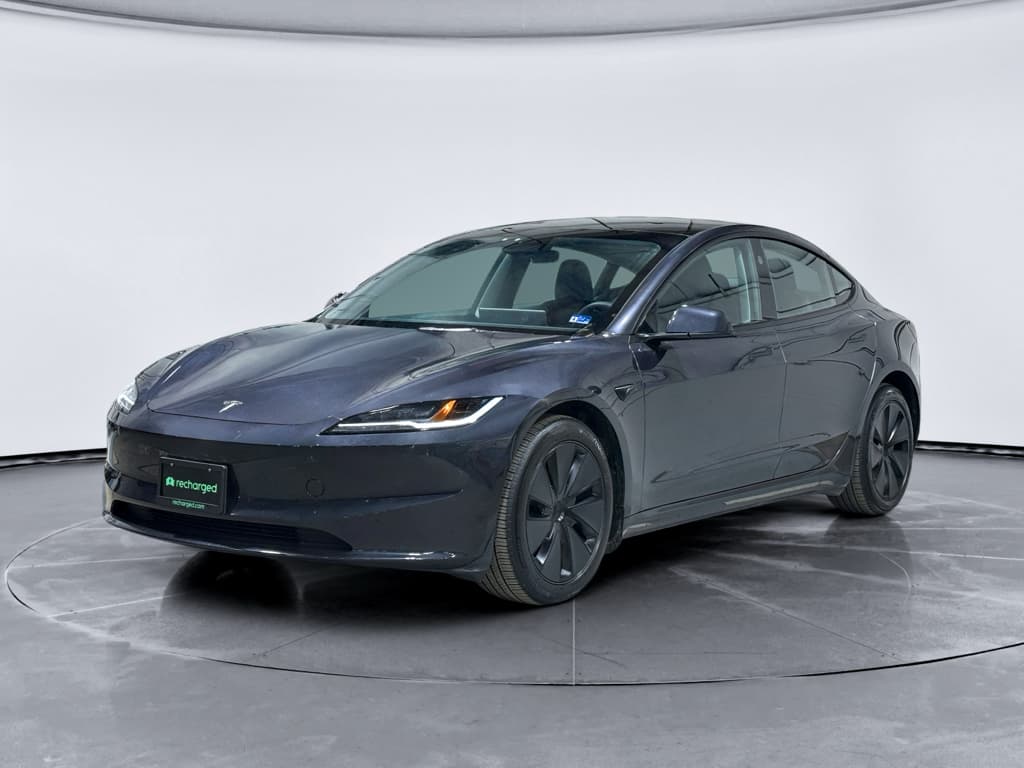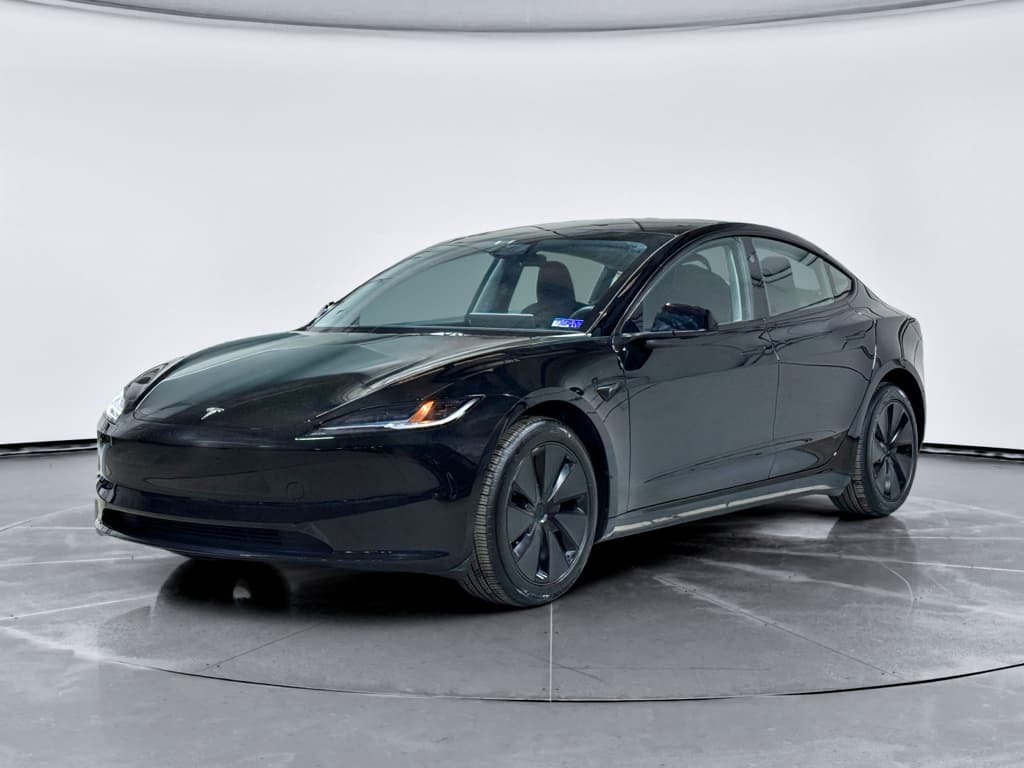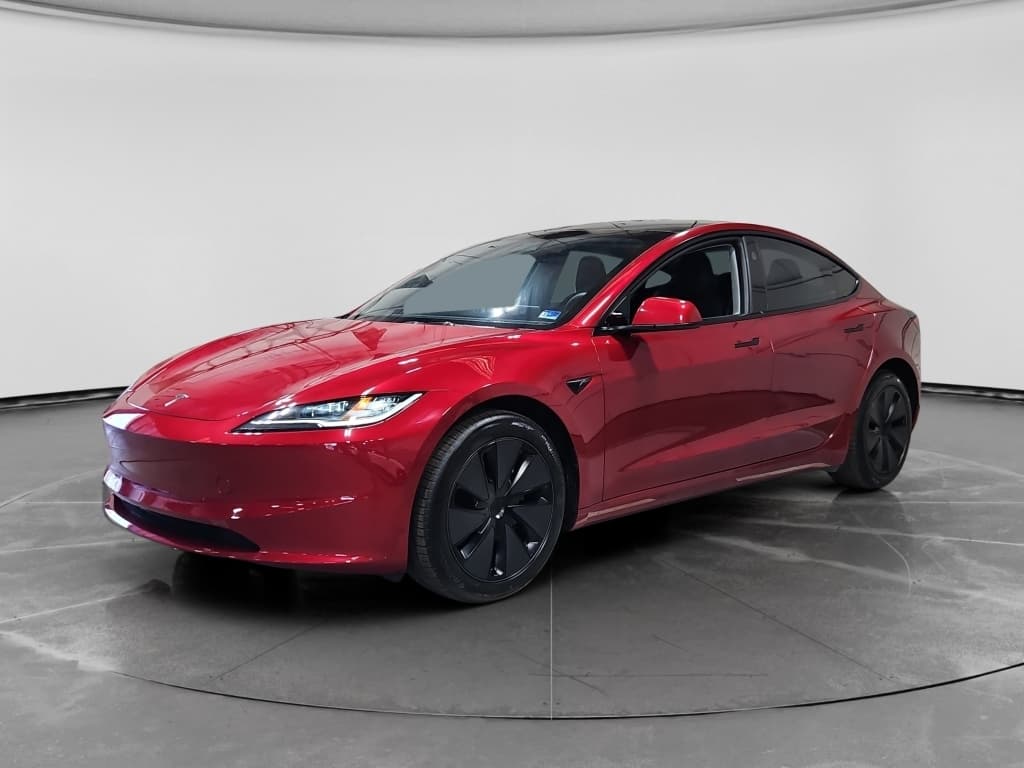
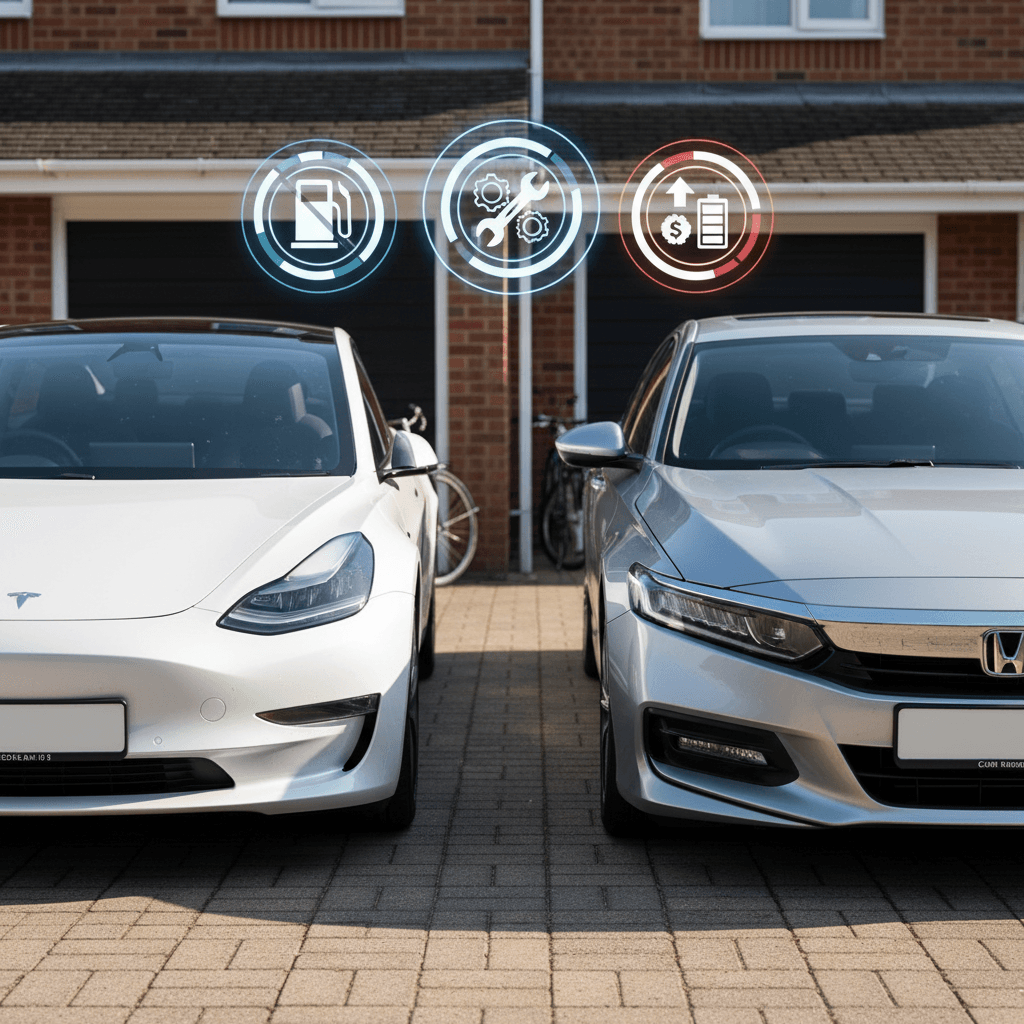
If you’re driving a Honda Accord and eyeing a Tesla Model 3, you’re probably wondering one thing: will you actually save money, or is it just a nicer car with a bigger payment? This guide walks through the real cost savings of switching from a Honda Accord to a Tesla Model 3, fuel, maintenance, insurance, depreciation, and more, so you can see how the numbers shake out for your situation.
Quick Take
Why Drivers Are Moving from a Honda Accord to a Tesla Model 3
Honda Accord vs. Tesla Model 3: What’s Driving the Switch?
It’s not just about tech, it’s about total cost of ownership.
From Solid to High-Tech
The Accord is known for reliability and low running costs. The Model 3 adds instant torque, over-the-air updates, and a minimalist cabin that feels more like a smartphone on wheels.
Fuel & Maintenance Savings
Electricity is usually cheaper per mile than gas, and EVs have fewer moving parts to service. Over time, that can turn into hundreds of dollars a year in savings.
Emissions & Future-Proofing
Drivers are also thinking about emissions restrictions, rising gas prices, and the growing used EV market. A Model 3 positions you ahead of those shifts.
Key Assumptions for a Fair Cost Comparison
To compare cost savings between a Honda Accord and a Tesla Model 3, we need some reasonable assumptions. You can adjust these to match your own commute, but this gives us a solid starting point:
- Annual mileage: 12,000 miles per year (U.S. average is in this ballpark).
- Time horizon: 5 years of ownership.
- Gas price: $3.50 per gallon (rough national average over time).
- Home electricity price: $0.15 per kWh (blended residential average; many utilities are slightly above or below).
- Honda Accord fuel economy: 32 mpg combined for a recent 4‑cyl automatic.
- Tesla Model 3 efficiency: about 4 miles per kWh in mixed driving.
- Vehicles: Late-model Accord and Model 3 in similar condition and mileage (think 3–4 years old).
Your Costs May Vary
Fuel vs. Electricity: How Much Can You Save?
Annual Energy Cost: Honda Accord vs. Tesla Model 3
On fuel alone, switching from an Accord to a Model 3 can save roughly $850–$900 per year if you mostly charge at home. Over five years, that’s more than $4,000 that doesn’t go into a gas pump.
Honda Accord Fuel Math
- 12,000 miles ÷ 32 mpg ≈ 375 gallons per year
- 375 gallons × $3.50/gal ≈ $1,312 per year
- Five years: about $6,560 in gasoline
Tesla Model 3 Electricity Math
- 12,000 miles ÷ 4 mi/kWh = 3,000 kWh per year
- 3,000 kWh × $0.15/kWh = $450 per year
- Five years: about $2,250 in electricity
Occasional fast charging on road trips will raise costs slightly, but home charging still does the heavy lifting for most owners.
Boost Your Electricity Advantage
Maintenance and Repairs: EV vs. Gas
The Honda Accord has a reputation for low maintenance costs, but it still has oil changes, transmission fluid, exhaust components, belts, and more. A Tesla Model 3 eliminates many of those systems altogether. You’ll still have tires, wiper blades, cabin filters and brakes, but regenerative braking even stretches brake life.
Typical Annual Maintenance Costs (Out of Warranty)
Approximate averages for a late‑model Honda Accord vs. Tesla Model 3 owner over several years. Real costs depend on mileage, driving style, and local labor rates.
| Item | Honda Accord (Per Year) | Tesla Model 3 (Per Year) |
|---|---|---|
| Routine service (oil, filters, fluids) | $350–$450 | $150–$250 |
| Brakes (averaged out) | $120 | $60 |
| Unexpected repairs (averaged) | $300–$400 | $300–$450 |
| Total estimated maintenance | ~$770–$970 | ~$510–$760 |
The Model 3 usually wins on routine maintenance, even if individual repairs can be pricier.
Over five years, it’s realistic to expect a $1,000–$2,000 maintenance advantage in favor of the Model 3, assuming no major drivetrain or battery issues in either car. The Accord’s lower parts costs can help on single repairs, but the Tesla’s simpler powertrain tends to win on routine upkeep.
The Big Wild Card: Battery & High-Voltage Repairs
Insurance, Taxes and Fees: The Often-Overlooked Costs
Insurance, taxes, and registration can easily erase some of your fuel savings if you ignore them. In many markets, insuring a Tesla Model 3 costs more than insuring a Honda Accord, mainly because of higher repair costs and more expensive components.
- Insurance: It’s common to see $200–$400 more per year for a Model 3 vs. an Accord, though this varies widely by driver profile and location.
- Registration and taxes: Some states charge extra EV fees, while others offer reduced registration or local rebates. You’ll want to check both EV fees and EV incentives where you live.
- Incentives: Depending on your state and the specific car, you may qualify for federal or state tax credits and utility rebates (especially on new or certain used EVs). These can offset higher upfront cost or insurance.
Where Insurance Lands in the Big Picture
Depreciation and Resale Value: Accord vs. Model 3
Depreciation is often the single biggest cost of owning any vehicle, and both the Honda Accord and Tesla Model 3 have historically held value better than many peers. That said, used EV prices have been more volatile than used gas sedans, and that can work for or against you depending on which side of the deal you’re on.
Honda Accord Depreciation Profile
- Steady, predictable depreciation curve.
- Strong demand in the used market for reliable gas sedans.
- Historically easier to forecast 5‑year value.
Tesla Model 3 Depreciation Profile
- Early Model 3s held value extremely well, then saw sharper price swings as new EV supply surged.
- Software updates and tech improvements can make older cars feel newer than the model year suggests.
- Battery health and warranty status matter far more than on a gas car.
Why Falling Used EV Prices Help Buyers
5‑Year Total Cost of Ownership: Accord vs. Model 3
When you put fuel, routine maintenance, and a rough estimate of insurance together, you start to see how the two cars compare over five years. These are illustrative numbers based on our assumptions, not a quote, but they show how the direction of travel looks.
Illustrative 5‑Year Ownership Costs (Energy + Maintenance + Insurance)
Assumes 12,000 miles per year, $3.50/gal gas, $0.15/kWh electricity, and slightly higher insurance on the Tesla.
| Category (5 Years) | Honda Accord | Tesla Model 3 |
|---|---|---|
| Fuel / Electricity | ~$6,560 | ~$2,250 |
| Maintenance | ~$4,000 | ~$2,500 |
| Insurance (illustrative) | ~$5,000 | ~$6,500 |
| Total (Operating Costs) | ~$15,560 | ~$11,250 |
This doesn’t include purchase price or financing, but it shows how operating costs compare once the car is in your driveway.
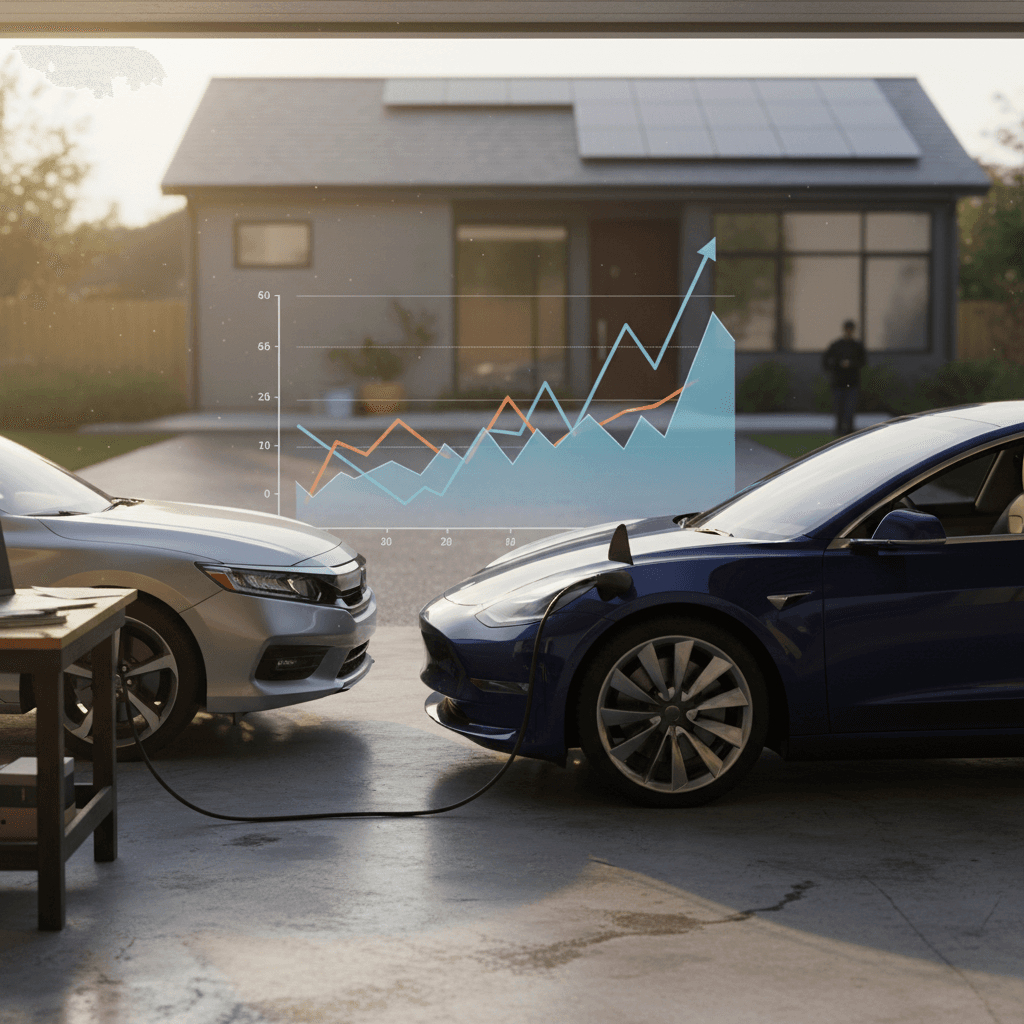
In this scenario, the Model 3 comes out roughly $4,000 ahead in five years on operating costs alone. That’s before tax credits, EV fees, or differences in purchase price and financing. If you drive more than 12,000 miles a year, the fuel savings number grows even larger.
Run Your Own Numbers
How Buying a Used Tesla Model 3 Changes the Math
So far we’ve focused on operating costs. The other lever you control is what you pay for the car. A competitively priced used Model 3 can tip the total cost of ownership sharply in your favor, especially if you’re trading out of an older Accord.
Why a Used Model 3 Often Beats a New Gas Sedan
You skip the steepest depreciation but keep most of the benefits.
Lower Purchase Price
Used Model 3 prices have come down from their peaks. That means you can often get into a well‑equipped Model 3 for the price of, or sometimes less than, a new, well‑optioned Accord.
Battery Still Has Life
Most used Model 3s on the market still have plenty of battery life left. With a solid battery health report, you can buy confidence at a discount.
Lower Monthly + Lower Running Costs
Combine a lower used‑car payment with cheaper energy and lower maintenance, and your monthly all‑in cost can rival or beat a new gas sedan.
Where Recharged Fits In
7 Ways to Maximize Your Savings When You Switch
Practical Steps to Make the Numbers Work in Your Favor
1. Favor Home Charging Over DC Fast Charging
Fast charging is great for road trips, but it’s more expensive than home charging. Installing or using an existing Level 2 setup at home keeps your per‑mile cost low and predictable.
2. Shop Insurance Before You Commit
Get insurance quotes for a specific Tesla Model 3 VIN before you sign anything. That way you’re comparing real premiums instead of averages.
3. Use Time-of-Use or Off-Peak Rates
If your utility offers off‑peak pricing, schedule your charging when rates are lowest. Your Tesla can automate this, and it directly boosts the savings vs. gas.
4. Compare a Used Model 3 to a New Accord
Instead of comparing a used Accord to a new Tesla, line up similar‑age vehicles. A 3‑ or 4‑year‑old Model 3 vs. a new Accord can be a much closer fight on monthly cost.
5. Look for Remaining Warranty Coverage
Battery and drivetrain warranties on the Model 3 are long. Buying a car that still has coverage reduces your risk of big-ticket surprises.
6. Factor in EV Incentives and Utility Rebates
Some states, utilities, and lenders offer incentives or special rates for EV buyers. These can trim financing costs or help pay for a home charger.
7. Be Honest About Your Driving Habits
If you drive just a few thousand miles a year, fuel savings won’t move the needle much. If you live on the highway, the Model 3’s efficiency really shines.
Don’t Ignore Charging Access
How Recharged Helps You Run the Numbers with Confidence
Switching from a Honda Accord to a Tesla Model 3 is a bigger decision than just picking a different brand at the same dealership. You’re changing how you fuel, maintain, and even think about your car. Recharged is built around making that shift transparent and data‑driven.
What You Get When You Shop a Used Model 3 on Recharged
Support that goes beyond a price tag.
Recharged Score Battery Health Diagnostics
Every vehicle listing includes a Recharged Score Report with verified battery health and detailed condition notes, so you aren’t guessing about the most expensive component on the car.
Financing and Trade-In Options
Recharged offers financing, online trade‑in and instant offer tools, and even consignment if you want to extract more value from your Accord before switching.
Nationwide Delivery & EV Specialists
Work with EV‑specialist advisors online or at our Experience Center in Richmond, VA. Get help comparing total cost of ownership, then have your next EV delivered to your driveway.
Ready to find your next EV?
Browse VehiclesFAQ: Switching from a Honda Accord to a Tesla Model 3
Frequently Asked Questions
Bottom Line: Is Switching from an Accord to a Model 3 Worth It?
If you drive a typical American commute and can charge at home, switching from a Honda Accord to a Tesla Model 3 often makes financial sense over a five‑year window. You trade cheap gas‑sedan reliability for lower fuel and maintenance costs, modern tech, and a drivetrain that’s built for the next decade of driving, not the last one.
The math isn’t identical for everyone. High annual mileage, high gas prices, and affordable electricity make the Model 3 shine. Low mileage, expensive insurance, or limited charging access tilt the scales back toward your Accord. The key is to plug in your numbers, not just averages.
Recharged is here to make that transition easier. With Recharged Score battery diagnostics, transparent pricing, financing and trade‑in support, and nationwide delivery, you can compare a specific used Model 3 to your Accord with real data instead of guesswork, and decide if the switch is worth it for your household budget.