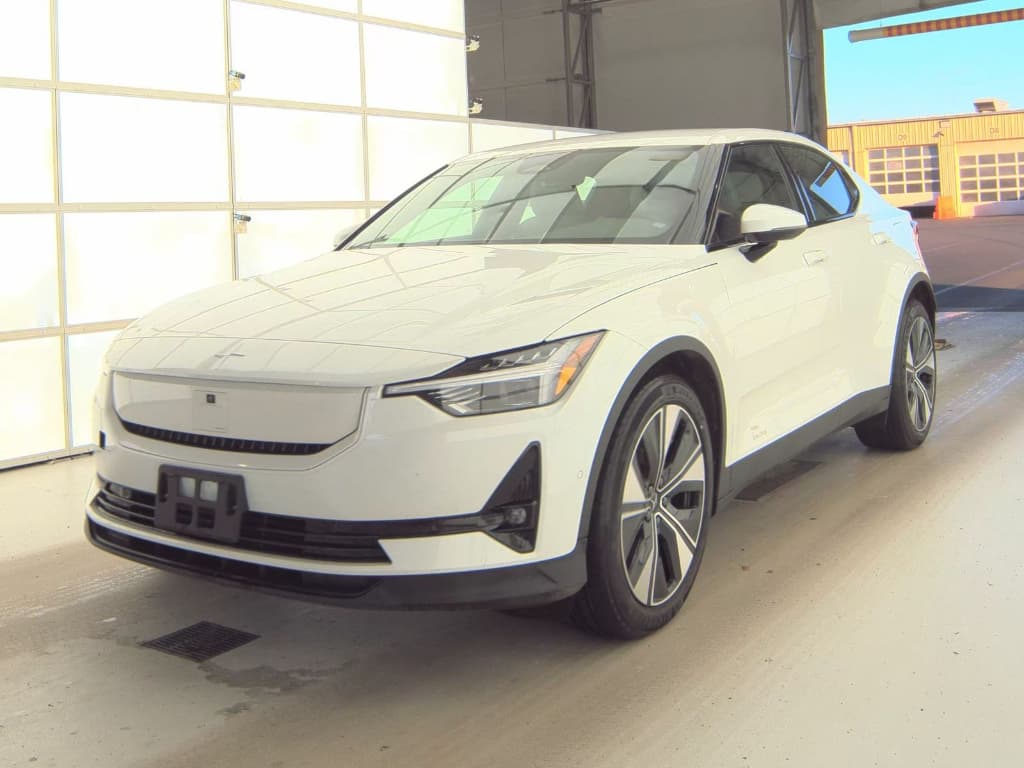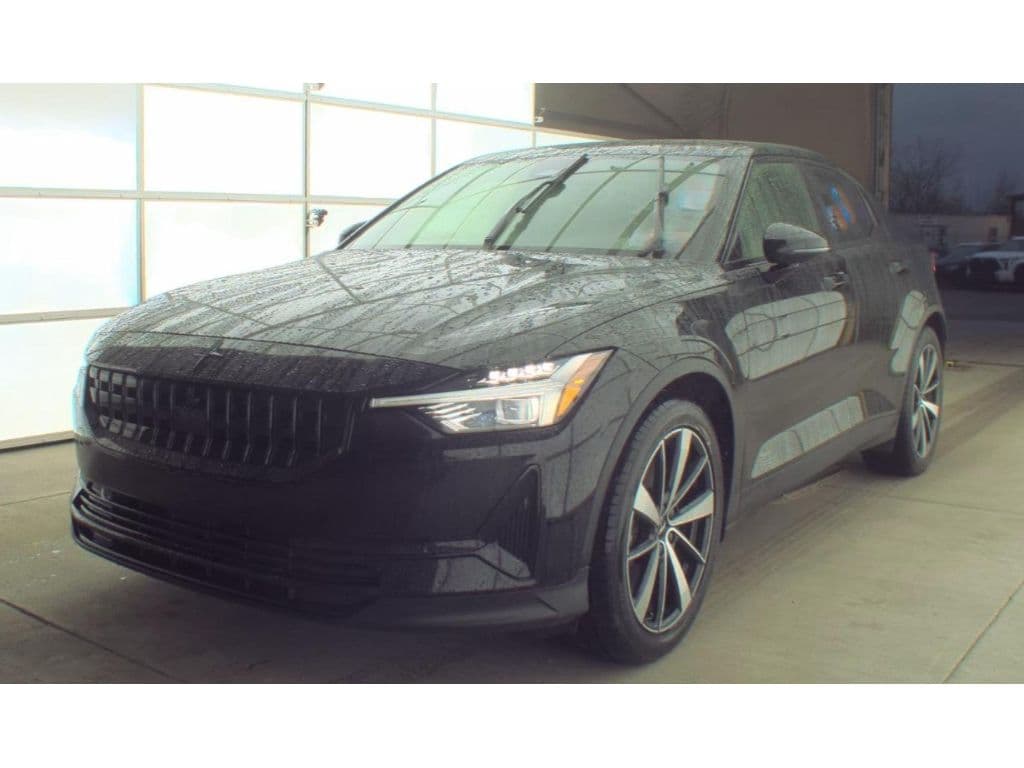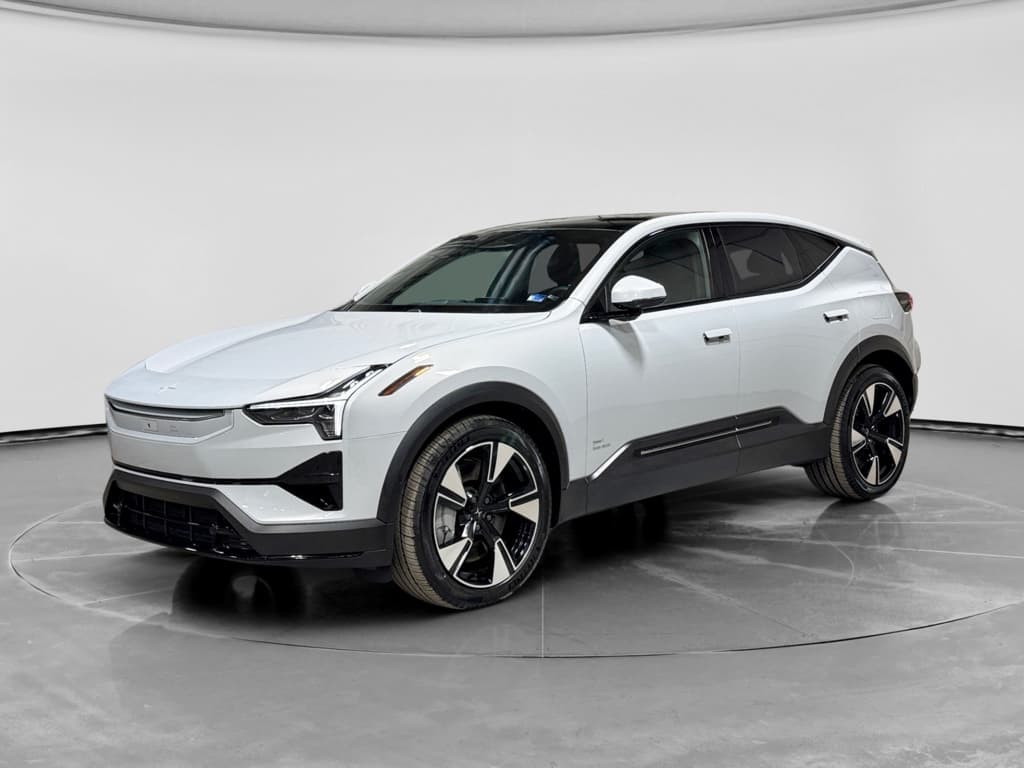
If you’re looking up Polestar 2 KBB value, you’re probably trying to answer one of two questions: “What is my Polestar 2 worth?” or “What’s a fair price for a used Polestar 2?” Kelley Blue Book (KBB) is a great starting point, but with a relatively new EV like the Polestar 2, you need a little context to read those numbers the right way.
Quick takeaway
Why Polestar 2 KBB value matters for buyers and sellers
The Polestar 2 hasn’t been on U.S. roads as long as a Tesla Model 3, so you won’t see decades of pricing history. That makes third‑party pricing tools like Kelley Blue Book especially important. KBB values help you understand whether an asking price, offer, or trade‑in figure is in the right ballpark for a specific model year and trim.
- For sellers and trade‑ins: KBB gives you a baseline so you know if a dealer’s offer on your Polestar 2 is low, fair, or strong.
- For buyers: It’s a reality check against wishful thinking, both yours and the seller’s. You can compare listings against KBB’s Fair Purchase Price and Private Party values.
- For lenders and insurers: Many banks, credit unions, and insurance companies use KBB or similar data when they set loan amounts, lease residuals, and coverage limits.
Use KBB as your opening number
How KBB calculates Polestar 2 values
Kelley Blue Book doesn’t just pull a number out of a hat. For a relatively young EV like the Polestar 2, KBB blends several data sources to estimate what similar cars are actually bringing in the market right now.
The main Polestar 2 values you’ll see on KBB
Each number is built for a different type of transaction
Trade‑In Value
What a dealer might offer you for your Polestar 2 when you trade it in. This is usually the lowest number because the dealer needs margin to recondition and resell the car.
Private Party Value
What you might reasonably get if you sell your Polestar 2 directly to another person. This usually falls between trade‑in and retail.
Dealer Retail / Fair Purchase Price
The price KBB expects a typical customer to pay at a dealership for a similar used Polestar 2, including typical dealer markups and reconditioning.
Behind those numbers, KBB looks at recent sales data from auctions and dealers, plus trends in EV demand, mileage patterns, and regional pricing. For 2023–2024 Polestar 2 models, you’ll often see KBB values update weekly as more used examples enter the market.
Current KBB price range for used Polestar 2 models
Exact values will depend on your ZIP code, mileage, options, and condition, but KBB’s published numbers for the 2024 Polestar 2 give you a good snapshot of where late‑model cars are landing. As of early 2026, KBB shows Fair Purchase Prices for 2024 models running roughly in the mid‑$20,000s to mid‑$30,000s from a dealership, depending on trim.
Example 2024 Polestar 2 KBB Fair Purchase Prices (U.S. national average)
These examples are based on typical equipment and mileage; your KBB results will vary by ZIP code and vehicle details.
| 2024 Polestar 2 trim | Original MSRP (approx.) | KBB Fair Purchase Price (dealer) |
|---|---|---|
| Long Range Single Motor | ~$51,300 | ~$23,700 |
| Long Range Single Motor Plus | ~$53,500 | ~$29,900 |
| Long Range Dual Motor | ~$56,700 | ~$31,200 |
| Long Range Dual Motor Plus | ~$58,900 | ~$32,000 |
| Long Range Dual Motor Performance & Plus | ~$64,400 | ~$35,300 |
Use these numbers as directional guidance, not exact quotes for your car.
Important context for these numbers
Polestar 2 depreciation: what to expect over time
EVs tend to depreciate faster in their first few years than many gas cars, and the Polestar 2 is no exception. That’s partly because EV tech moves fast and because earlier cars often miss out on the newest range, charging, and driver‑assist features.
Polestar 2 depreciation snapshot
For you as a shopper, heavy early depreciation is actually good news: a 2‑ or 3‑year‑old Polestar 2 can deliver nearly new performance and range for tens of thousands less than original sticker. As a seller, it means timing matters, holding your Polestar 2 for a bit longer after that early drop can flatten out your annual cost of ownership.
Watch for hidden value killers
Key factors that change your Polestar 2 KBB value
Two Polestar 2s that look identical in an online ad can have very different values once you dig into the details. KBB starts with year, trim, and mileage, but then adjusts for condition and equipment. The EV‑specific story goes deeper.
The biggest drivers of Polestar 2 KBB value
Know what pushes your number up, or down
Model year & updates
Later model years often get better range, faster charging, and additional standard safety tech. A 2024 rear‑drive Long Range car, for example, offers more power and range than earlier years, which helps its value.
Mileage & usage pattern
Like any car, lower mileage generally boosts value, but with EVs, a low‑mileage battery that has sat unused can be less healthy than a regularly driven one. Look for consistent, documented use and charging.
Accident & service history
Clean Carfax/AutoCheck reports, regular maintenance, and prompt software updates can keep your Polestar 2 closer to the top of KBB’s value range. Structural damage or airbag deployments drag it down.
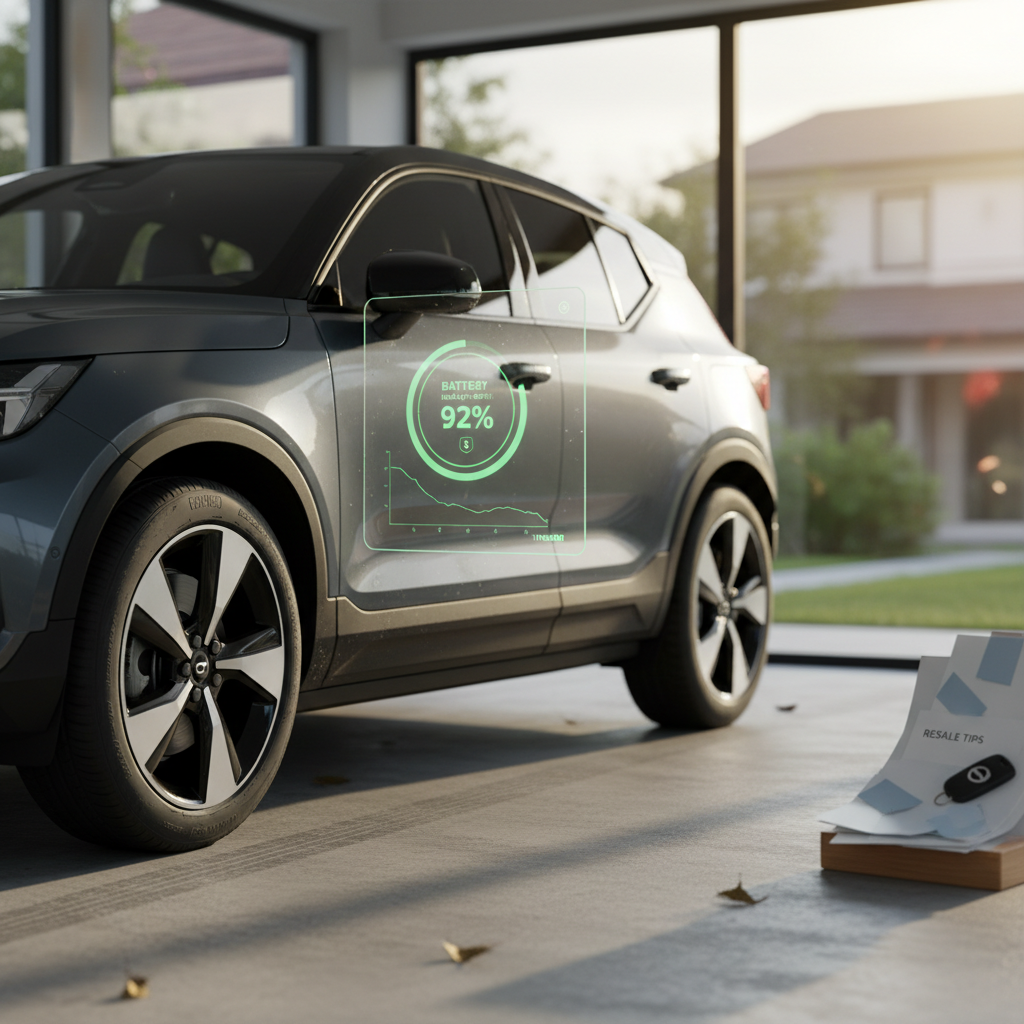
Battery health & warranty
A strong battery capacity test and remaining factory high‑voltage warranty are huge confidence boosters for buyers. Weak battery results or an expired warranty can push the real‑world price below KBB.
Options & packs
Pilot Pack, Plus Pack, Performance Pack, upgraded wheels, and premium interior trims all influence value. KBB lets you toggle these to refine your Polestar 2 valuation.
Location & season
EV demand is hotter in some states than others. In EV‑dense markets, real prices may run above KBB. In markets with fewer chargers or harsher winters, they may lag.
KBB vs real‑world market prices for Polestar 2
KBB is built on past and recent transaction data, so it’s always looking in the rear‑view mirror. Meanwhile, the used EV market can move quickly when interest rates, incentives, or new‑car pricing changes. That’s especially true for a niche premium EV like the Polestar 2.
When real prices run above KBB
- Low local supply of used Polestar 2s, but strong demand.
- Well‑equipped cars with desirable packs and colors.
- Outstanding battery test results and clean history reports.
- High‑spec Performance cars in enthusiast‑heavy markets.
When real prices run below KBB
- Vehicles with cosmetic damage or imperfect service history.
- Cars coming off lease in big batches, flooding local supply.
- Older software levels or missed over‑the‑air updates.
- Weak battery health, especially in hot‑climate cars.
Where Recharged fits in
Ready to find your next EV?
Browse VehiclesHow to check your Polestar 2 KBB value step by step
Whether you’re selling, trading in, or just EV‑curious, it’s worth running your Polestar 2 through KBB with as much detail as you can provide. Here’s how to do it in a few minutes.
Step‑by‑step: Getting your Polestar 2 KBB value
1. Gather your basic vehicle info
Have your VIN handy if possible, plus the exact model year, trim (Single Motor, Dual Motor, Performance), and any option packs like Plus or Pilot.
2. Note current mileage and condition
Check your odometer and be honest about condition. KBB’s scale runs from Excellent to Poor; most daily‑driven cars fairly land in Good or Very Good.
3. Go to KBB and select “Car Values”
Choose whether you want a <strong>trade‑in</strong>, <strong>private party</strong>, or <strong>instant cash</strong> value. Enter your ZIP so KBB can account for local market conditions.
4. Enter Polestar 2 details
Select Polestar → Polestar 2 → your model year, then pick the correct trim and add option packages, wheel upgrades, and interior choices.
5. Add condition details honestly
Disclose any accident history, paintwork, odors, or prior repairs. The more accurate you are, the closer KBB’s estimate will be to real offers.
6. Review your three key numbers
KBB will show you trade‑in, private party, and dealer retail/Fair Purchase Price. Save a screenshot or PDF, you’ll want it handy when you talk numbers.
Cross‑check with at least 3 listings
Getting the most for your Polestar 2 trade‑in or sale
If you’re on the selling side of the table, your goal is simple: land at the top of the realistic value range for your car. KBB tells you the range; your job is to present your Polestar 2 so buyers or dealers feel confident paying the higher end of it.
- Have records ready: Service receipts, recall documentation, and proof of software updates show that the car’s been cared for.
- Detail it properly: A clean cabin, fresh carpets, and careful exterior wash and decontamination instantly make your Polestar 2 feel newer.
- Fix the small stuff: Replacing worn wipers, burned‑out bulbs, or a cracked wheel cap is cheap insurance against lowball offers.
- Get a battery health report: A third‑party battery test, or a Recharged Score if you sell through Recharged, backs up your asking price with data.
- Consider timing: Listing when tax refunds hit or when fuel prices spike can lift demand for used EVs, including Polestar 2s.
Thinking about selling your Polestar 2?
Shopping smart for a used Polestar 2
On the buying side, KBB is your anchor. But for EVs, you also need to confirm that the car you’re looking at can still deliver the range and performance that made the Polestar 2 appealing in the first place.
How to use KBB when you’re buying a Polestar 2
Turn a pricing tool into a full decision‑making framework
1. Start with the KBB number
Before you contact a seller, run the VIN or spec through KBB and note the Fair Purchase Price and Private Party value. That gives you a target range before emotion enters the picture.
2. Scrutinize the listing against KBB’s assumptions
Does the ad gloss over an accident, salvage title, or open recall? Is mileage much higher than KBB’s default? Those are reasons the asking price might justifiably sit below KBB.
3. Ask specifically about battery health
Request recent range screenshots, charging history, or a professional battery test. On Recharged, this is built into the Recharged Score, so you can compare cars apples‑to‑apples.
4. Drive it like you’ll actually use it
On a test drive, pay attention to ride quality, noises, and one‑pedal driving feel. Confirm that charging, driver‑assist, and infotainment systems function the way they should.
Deal‑check: Is this Polestar 2 fairly priced?
The asking price is within ~10–15% of KBB for similar specs
Big gaps need an explanation. If the seller can’t provide one, move on.
Battery health and range align with expectations
If real‑world range has fallen significantly, factor that into your offer, or walk.
History report matches the story
Titles, mileage, and accident history should all line up with what the seller claims.
Remaining warranty coverage is clear
Know what’s left of the high‑voltage battery and bumper‑to‑bumper coverage.
You’ve compared at least three similar cars
A single listing can mislead you; a cluster of similar Polestar 2s shows the real market.
FAQ: Polestar 2 KBB value & used pricing
Frequently asked questions about Polestar 2 KBB value
Bottom line: making sense of Polestar 2 KBB value
Kelley Blue Book gives you a powerful lens on what a Polestar 2 should be worth, but it’s not the whole picture, especially for a tech‑forward EV whose value hinges on software, charging performance, and battery health. Use your Polestar 2 KBB value as your starting line, then layer on real‑world details: history reports, in‑person inspections, and hard data about the battery.
If you’re buying, compare KBB against several real listings and insist on clear battery information before you commit. If you’re selling or trading in, present your Polestar 2 in its best light with records, detailing, and a current health report so you can justifiably aim for the upper end of KBB’s range. And if you want a smoother path either way, Recharged can handle the heavy lifting, from pricing and financing to trade‑in, consignment, and nationwide delivery, so you spend less time decoding numbers and more time enjoying the right EV.