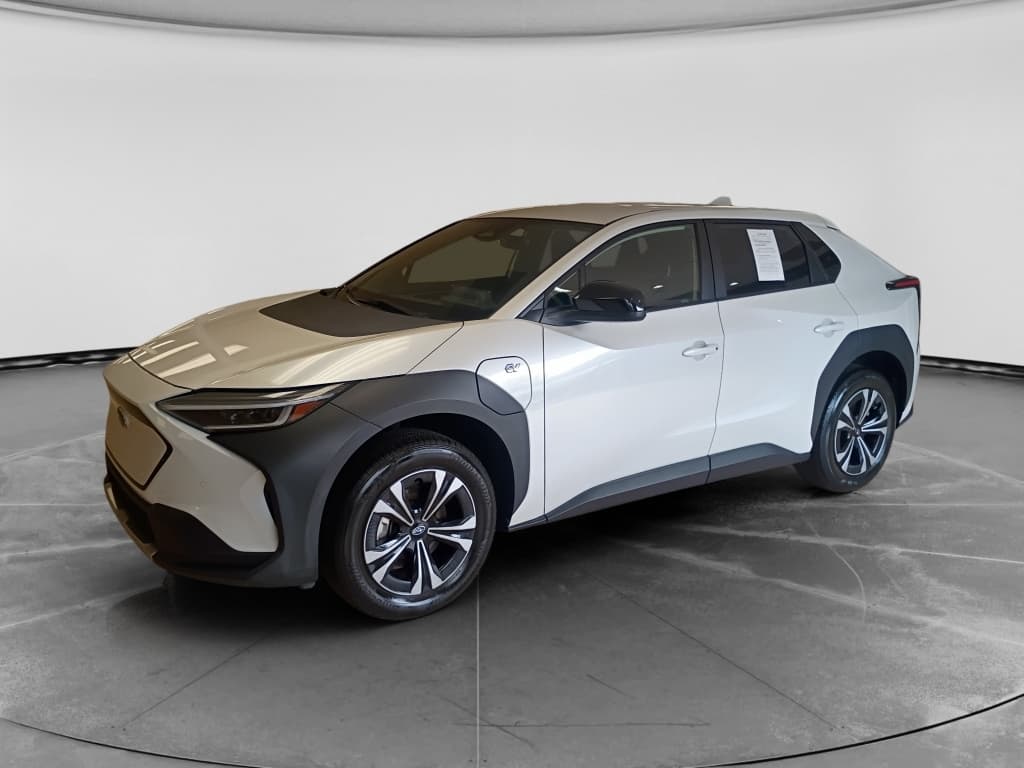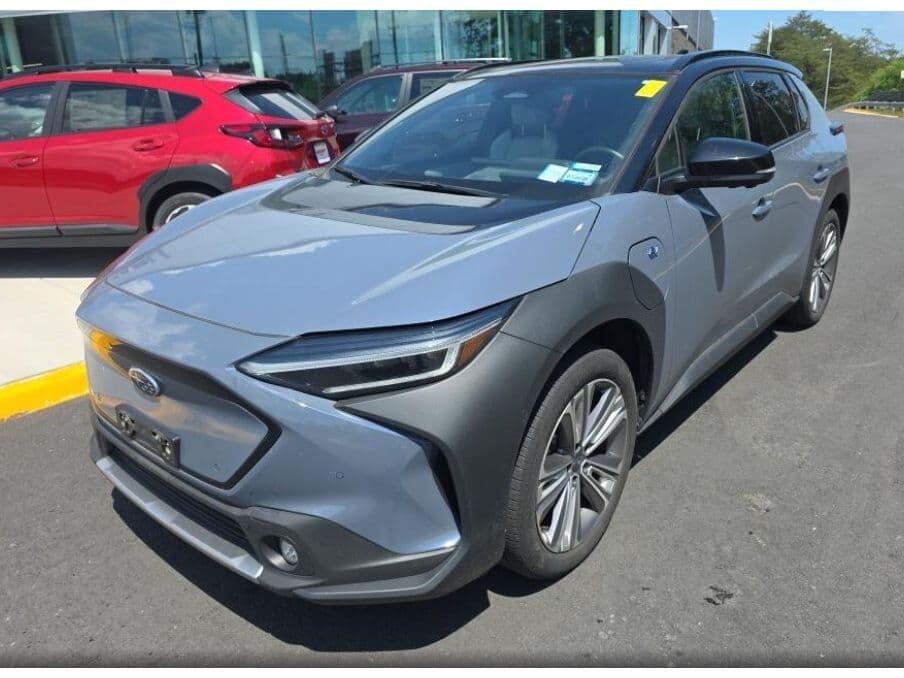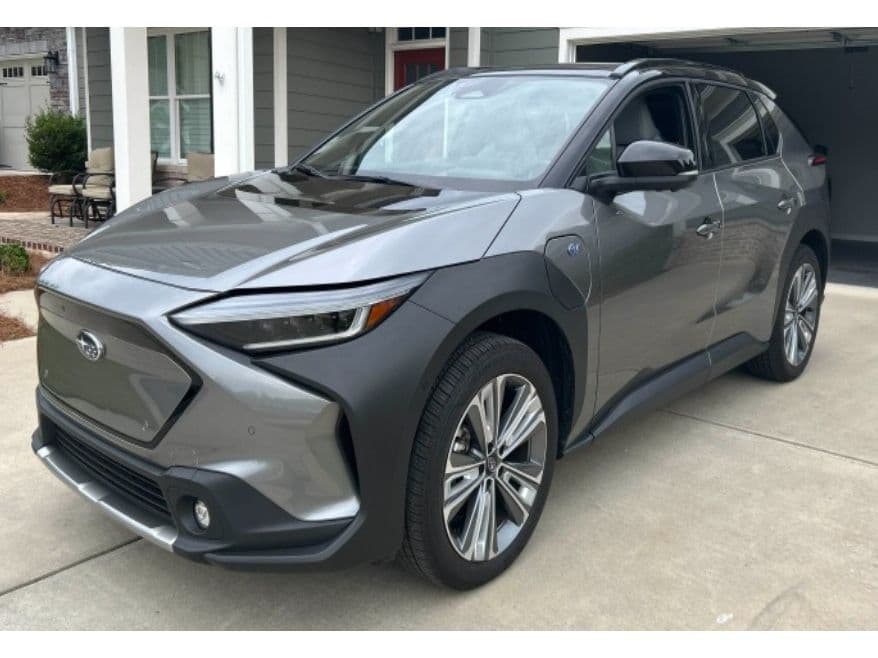
If you drive a Subaru Solterra in real winters, lake‑effect snow, black ice, breath‑turns‑to‑steam winters, you’ve probably noticed the range number falling off a cliff. The natural question is: what Subaru Solterra winter range loss percentage is “normal,” and what means something’s wrong? This guide breaks that down in plain English, using real‑world data plus practical fixes you can use tomorrow morning.
Quick take
Why Subaru Solterra winter range loss matters
On paper, the Subaru Solterra’s EPA range is roughly 222–228 miles depending on trim and wheel size. That’s not generous to begin with. Take away another 30–40% in January and you’re staring at a crossover that can feel like a commuter appliance with a very small gas tank. Understanding Solterra winter range loss percentage isn’t an academic exercise; it’s about whether you can make your daily loop, your mountain run, or that trip to grandma’s house without having to babysit a DC fast charger.
- Avoiding surprise detours to slow chargers on bitter days
- Knowing when a used Solterra will still work for your commute in Minnesota, Michigan, or Maine
- Spotting the difference between normal seasonal loss and a possible battery or software issue
- Setting realistic expectations before you buy a used Solterra instead of being disappointed the first cold snap
How much range the Subaru Solterra loses in winter
Let’s start with the numbers. Exact percentages vary by route and driving style, but combining broad EV studies with owner reports gives a realistic window for Subaru Solterra winter range loss percentage in North American winters.
Typical Subaru Solterra winter range loss
Those bands line up with large winter EV studies and with what Solterra owners in Canada and the northern U.S. report. A few patterns emerge:
- If your Solterra normally manages ~220 miles in mild weather, seeing 150–170 miles at 25°F isn’t a red flag, that’s about a 23–32% drop.
- Sustained highway at 70+ mph in the teens can knock you down into the 120–140 mile real range window (around 35–45% loss).
- Deep‑cold short trips (think 3–5 miles each) are worst‑case, because you repeatedly spend energy heating a cold cabin and cold battery. Day‑total range can fall well under half of the EPA figure even if the pack is fine.
Don’t trust the first winter guess‑o‑meter
5 factors that change your personal winter loss
The Subaru Solterra is not uniquely cursed in winter; it just starts from a modest range number. Your personal winter range loss percentage depends on a handful of familiar villains.
What actually eats your Solterra’s range in winter?
Temperature is only the beginning.
1. Battery chemistry & cold soak
2. Aerodynamics & speed
3. Cabin and battery heating
4. Trip length & pattern
5. Driving style & tires
Easy percentage reality check
Model‑year differences: 2023 vs. 2024–2026 Solterra
Subaru and Toyota haven’t changed the Solterra’s basic 71‑ish kWh battery pack much, but they have quietly refined winter behavior over the first few model years. If you’re shopping used, this matters.
Subaru Solterra winter behavior by model year (high‑level)
How different Solterra model years handle cold‑weather range and charging.
| Model year | Key winter‑relevant features | Impact on winter range feel |
|---|---|---|
| 2023 | First‑year software; heat pump standard but limited battery preconditioning logic; conservative DC fast‑charge behavior when cold. | Feels most “pessimistic” in cold; owners often report 30–40% apparent loss in deep winter, especially on short trips. |
| 2024 | HVAC and battery‑warming logic updates; battery heater improvements; some campaigns to smooth out range estimates. | Same physics, but smarter about keeping pack in the right window; less whiplash in the range display and marginally better winter efficiency. |
| 2025–2026 | Further refinements and more proactive battery preconditioning for fast charging; incremental software tweaks. | Doesn’t magically change the chemistry, but preconditioning before DC fast charging and smarter heat‑pump use help keep the effective loss nearer the low end of the 20–35% band for many drivers. |
Later model years improve preconditioning and HVAC logic, which helps reduce effective winter range loss, especially on DC fast charging days.
Used Solterra shopping note
How to cut Solterra winter range loss in daily driving
You can’t repeal the laws of thermodynamics, but you can absolutely move your Subaru Solterra from the ugly end of the winter loss spectrum (40%+) toward the manageable end (around 20–25%). Focus on the habits that give you the biggest win for the least hassle.
Daily habits that shrink Solterra winter range loss
1. Precondition while plugged in
Use the app or in‑car timer to warm the cabin <strong>before you unplug</strong>. That pulls energy from the grid, not your battery, and brings the pack closer to its happy temperature window.
2. Aim for “comfortable,” not “sauna”
Each bump in cabin temperature costs energy. Try 68–70°F with heated seats and wheel on, instead of blasting 75°F. You stay warm while trimming several percentage points off your loss.
3. Combine errands into one longer trip
Whenever possible, batch cold‑weather errands. One 40‑minute drive warms the battery more efficiently than four 10‑minute hops, and you’ll see a noticeably smaller winter loss percentage.
4. Dial back highway speeds a bit
On bitter days, dropping from 75 mph to 65 mph can feel like flipping an efficiency switch. You may gain back 10–20 miles of usable range over a highway leg without adding much travel time.
5. Use Eco or Snow modes intelligently
Eco mode softens throttle and helps you drive more smoothly. Snow and deep‑snow modes prioritize traction; great for safety, but expect a modest efficiency penalty when conditions are bad enough to need them.
6. Keep tires properly inflated
Cold air drops tire pressure. Running several psi low on winter days increases rolling resistance and can nibble a few extra percentage points off your range for no good reason.
What “good” looks like in winter
Planning trips around winter range loss
The Solterra is happiest as a daily‑driver and weekend‑adventure machine, not a cannonball‑run road‑trip car, especially in winter. But with realistic planning, you can still take it into the mountains or across a state line without white‑knuckle range anxiety.
Rule of thumb: 60–65% of EPA on cold trips
If your route involves sustained highway speeds below freezing, plan using 60–65% of the EPA rating as your working winter range. For a Solterra rated around 225 miles, that means building your plan around roughly 135–150 miles per full charge.
That conservative assumption absorbs the hit from cold air, cabin heat, and a bit of headwind, so you’re not gambling on best‑case numbers.
Pad your DC fast‑charge stops
In cold weather, don’t run the battery down to fumes before you look for a charger. Start hunting at 20–25% state of charge, and assume the first few minutes of fast charging will be slower when the pack is cold.
If you know there’s a DC fast charger at your ski hill or trailhead, plug in as soon as you arrive, while the pack is still warm from the climb, so you spend less time watching a throttled charge curve.
Leverage AWD where it actually helps
Used Subaru Solterra buyers: winter checklist
If you’re looking at a used Subaru Solterra, especially a 2023, in a cold‑weather state, winter range is one of the big “live with it or hate it” questions. Here’s how to evaluate a candidate without needing a physics degree.
Winter checklist for used Solterra shoppers
1. Ask for recent winter range numbers
On your test drive or during a walk‑around, ask the owner how many miles they typically get from, say, 90% down to 20% in January. <strong>Translate that into a full‑pack estimate</strong> and compare it with the 20–35% loss band we’ve discussed.
2. Verify software updates and campaigns
Have the seller provide service records or ask a Subaru dealer to check for open campaigns. Updated HVAC and range‑display software can make a first‑year Solterra feel much more civilized in winter.
3. Check tire type and condition
Worn‑out all‑seasons or super‑aggressive winter tires both hurt efficiency. Budget for a fresh, appropriate set; it’s a safety upgrade and a sneaky way to trim your winter range loss percentage.
4. Inspect charging behavior in the cold
If possible, arrive with the battery at a mid‑state of charge and plug into a DC fast charger on a cold day. <strong>Watch how quickly it ramps up</strong>. Glacially slow speeds even after 10–15 minutes of driving and preconditioning can be a red flag.
5. Look at how it was used
A Solterra that spent life on a short, stop‑and‑go urban loop will have a rough‑looking winter range story compared with one used mostly for longer suburban or highway drives, even with the same battery health.
6. Get a third‑party battery health report
A tool like the <strong>Recharged Score</strong> can give you a clear, verified picture of battery health and fast‑charge behavior on a used Solterra, so you’re not guessing based on a single frosty test drive.
7. Match range to your route
Map your worst‑case winter commute or weekend route, add 30–40% as a buffer, and make sure the Solterra you’re eyeing can realistically meet that with some margin. If it can’t, consider either a newer model or a different EV with a larger pack.
When Subaru Solterra winter range loss isn’t normal
Not every ugly number in January means your Subaru is sick. But there are situations where the winter range loss percentage is out of proportion to conditions and habits. That’s when it’s time to dig deeper.
Red flags vs. normal winter loss
When you should get your Solterra checked
Huge loss in mild temps
Sudden step‑change in range
Way worse than peers
When to involve a dealer or expert
FAQ: Subaru Solterra winter range loss percentage
Frequently asked questions about Solterra winter range loss
Bottom line on Solterra winter range loss
The Subaru Solterra is a capable, winter‑savvy EV with real‑deal AWD and a thoughtful heat‑pump system, but it can’t bend the rules of battery chemistry. In realistic conditions, you should expect roughly 20–30% winter range loss around freezing, and 30–40% in deep cold, with the exact percentage driven by speed, trip length, and how warm you like your cabin.
The key is to separate normal seasonal behavior from genuine problems, then use a few simple habits, preconditioning, smarter heater use, modest speed, to pull your loss percentage back toward the sane end of the spectrum. If you’re shopping for a used Solterra, or you want a second opinion on whether a particular car’s winter numbers make sense, tools like the Recharged Score and EV‑savvy guidance from Recharged’s specialists can remove the guesswork and let you focus on the part the Solterra does best: confidently getting you through the worst weather on the road.