If you’re shopping for a **used electric vehicle in South Carolina in 2026**, you’ve probably heard that the tax credits “went away” and wondered if the numbers still work. The short answer: the big federal used EV credit is gone for new purchases, and South Carolina doesn’t offer its own purchase credit, but there are still smart ways to cut the real cost of going electric.
Dates matter for incentives
Overview: South Carolina used EV incentives in 2026
Quick snapshot: South Carolina & used EV savings in 2026
South Carolina keeps things simple at the state level: **no state purchase incentives** for used (or new) EVs, and a modest extra road‑use fee to make up for lost gas taxes. The **real savings levers in 2026** are: - Lower fuel and maintenance costs versus a gas car - Utility programs that help pay for a **home Level 2 charger** - A still‑available **federal tax credit for residential charging equipment** through mid‑2026 - Smart shopping on the used market, especially on battery health and pricing
Don’t rely on old incentive lists
What happened to the federal used EV tax credit?
From January 1, 2024 through **September 30, 2025**, the IRS offered a **federal used clean vehicle tax credit** of up to **$4,000** (30% of the sale price, capped at $25,000) when you bought a qualifying used EV from a dealer and met income and price limits. That program, along with the up‑to‑$7,500 new EV credit for consumers, ended for vehicles placed in service after September 30, 2025, as part of changes under the One Big Beautiful Bill Act and related tax legislation.
- If you bought a qualifying used EV **on or before September 30, 2025**, you may still claim or reconcile that credit on your federal taxes, depending on how you handled it at the dealership.
- If you are buying a used EV **now, in 2026**, there is **no federal used EV purchase credit** under the rules currently in force.
- Commercial clean vehicle credits continue in different form, but those apply to businesses, not typical household used‑car shoppers.
How to tell if your past purchase still qualifies
This change is why you’ll see plenty of 2024 and early‑2025 blog posts cheerfully walking through “how to claim the used EV tax credit” that simply don’t apply to your 2026 purchase anymore. The **rules changed; the internet hasn’t caught up.**
South Carolina state-level EV incentives and fees
No state purchase credit (new or used)
South Carolina has talked about EV policy, there’s even a statewide EV infrastructure plan, but as of early 2026 the state still does not offer an income tax credit or rebate for buying either a new or used electric vehicle.
That means there’s no special state form to fill out when you buy a used EV and file your South Carolina taxes; your benefit comes instead from lower operating costs and any utility programs you tap into.
Extra registration fee for EVs
South Carolina does charge extra on the back end. Owners of all‑electric and fuel‑cell EVs pay a $120 biennial fee (every two years) on top of normal registration. Plug‑in hybrids and conventional hybrids pay a smaller fee.
So when you’re comparing a used EV versus a gas car, remember to factor in that fee, but also the gas you’ll never buy again.
Where that $120 fee goes
Utility and local programs that can help used EV buyers
With tax credits mostly in the rearview mirror for used EV purchases, **your power company quietly becomes one of the most important players** in your cost equation. In South Carolina, incentives show up as bill credits, lower off‑peak rates, and one‑time rebates for home chargers rather than big checks toward the car itself.
Common ways South Carolina utilities support EV drivers
Exact offers vary by territory, always confirm details with your provider.
Home charger rebates
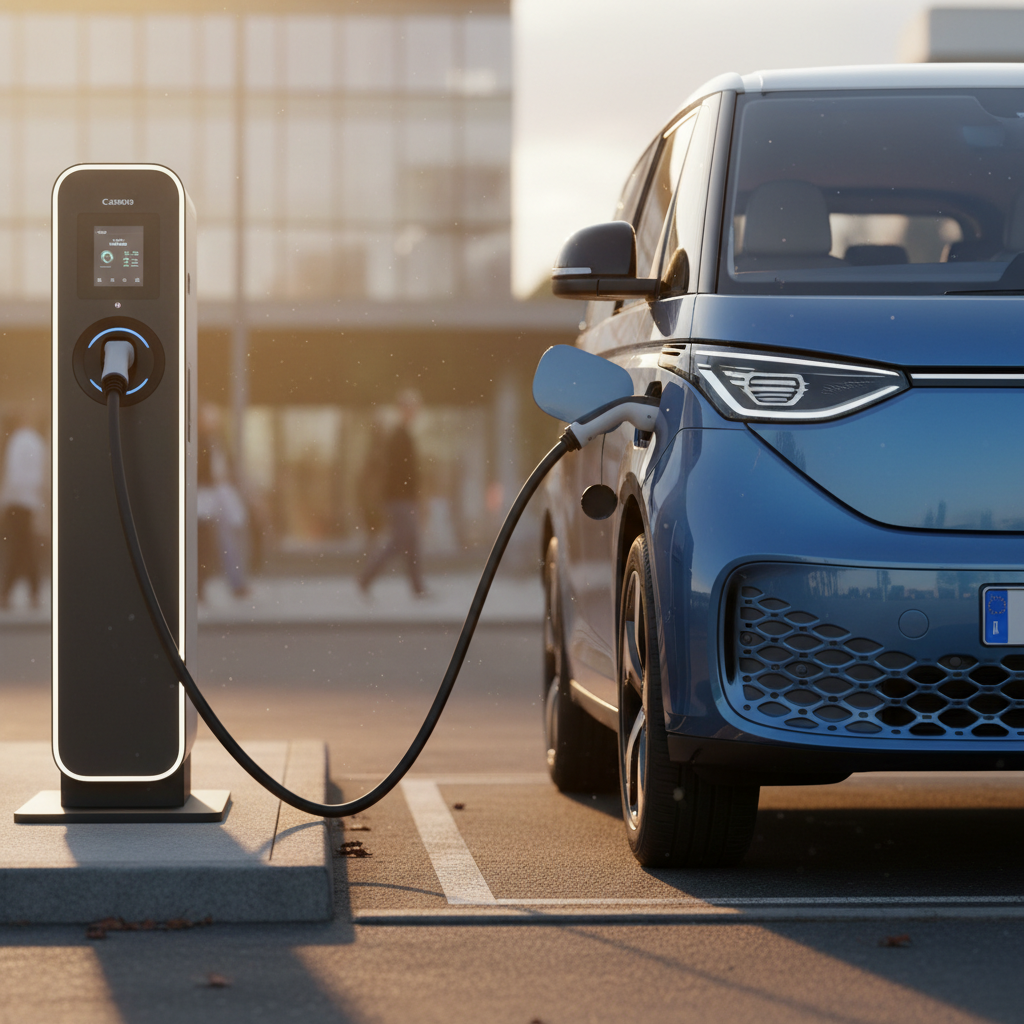
Some utilities, such as Santee Cooper, have offered limited‑time rebates (for example, up to about $250 for the first group of applicants) toward the purchase and professional installation of a qualifying Level 2 home charger. These programs open and close as funding comes and goes.
Off‑peak charging credits
Large utilities like Duke Energy and others run EV‑focused rate plans and bill credit pilots that reward you for charging at night, when demand and wholesale power prices are lower. You don’t get money off the car, but you pay less for every mile you drive on electricity.
Public charging & signage support
South Carolina’s PLUGinSC initiative standardizes signage and branding for public charging stations, making it easier to spot and use chargers around the state, even if it doesn’t put cash directly in your pocket.
Utility programs can change quickly
Example incentive types you might see from South Carolina utilities
These are representative program structures; availability, dollar amounts, and names change regularly.
| Program type | Who offers it | Typical value | Good for |
|---|---|---|---|
| Home Level 2 charger rebate | Municipal utilities, co‑ops (e.g., Santee Cooper) | Around $200–$400 one‑time | Offsetting the cost of a wall‑mounted home charger |
| EV charger installation credit | Investor‑owned utilities / pilots | Up to roughly $1,000 in covered wiring work | Upgrading panel or running a new 240V line to your parking spot |
| Off‑peak EV rate | Larger utilities | Lower cents/kWh overnight, higher daytime | Drivers who can regularly charge at home after 9–10 p.m. |
| Public charging grants | State agencies, co‑ops, businesses | Varies by site and grant | More DC fast charging along key corridors for road trips |
Check your electric bill, your utility’s website, or a recent insert for up‑to‑date EV charger programs in your part of South Carolina.
How to stack savings when you buy a used EV in South Carolina
You can’t grab a $4,000 federal used EV credit anymore, and Columbia isn’t mailing you a check when you buy electric. But you can still build a smart, **stacked savings plan** that makes a used EV cheaper to own than the gas car you’re replacing.
Checklist: Building your 2026 South Carolina used EV savings plan
1. Start with total cost, not just sticker price
Compare the monthly payment on a used EV to a similar gas car, then layer in fuel, maintenance, insurance, and that $120 biennial fee. In many cases, the EV wins once you put 12–24 months of real‑world driving into the math.
2. Confirm utility EV programs before you buy
Call or chat with your power company about EV‑specific rates and rebates. Ask: Do you offer a time‑of‑use EV plan? Any rebates for a home Level 2 charger? Do I need to enroll before or after installation?
3. Plan for a Level 2 home charger
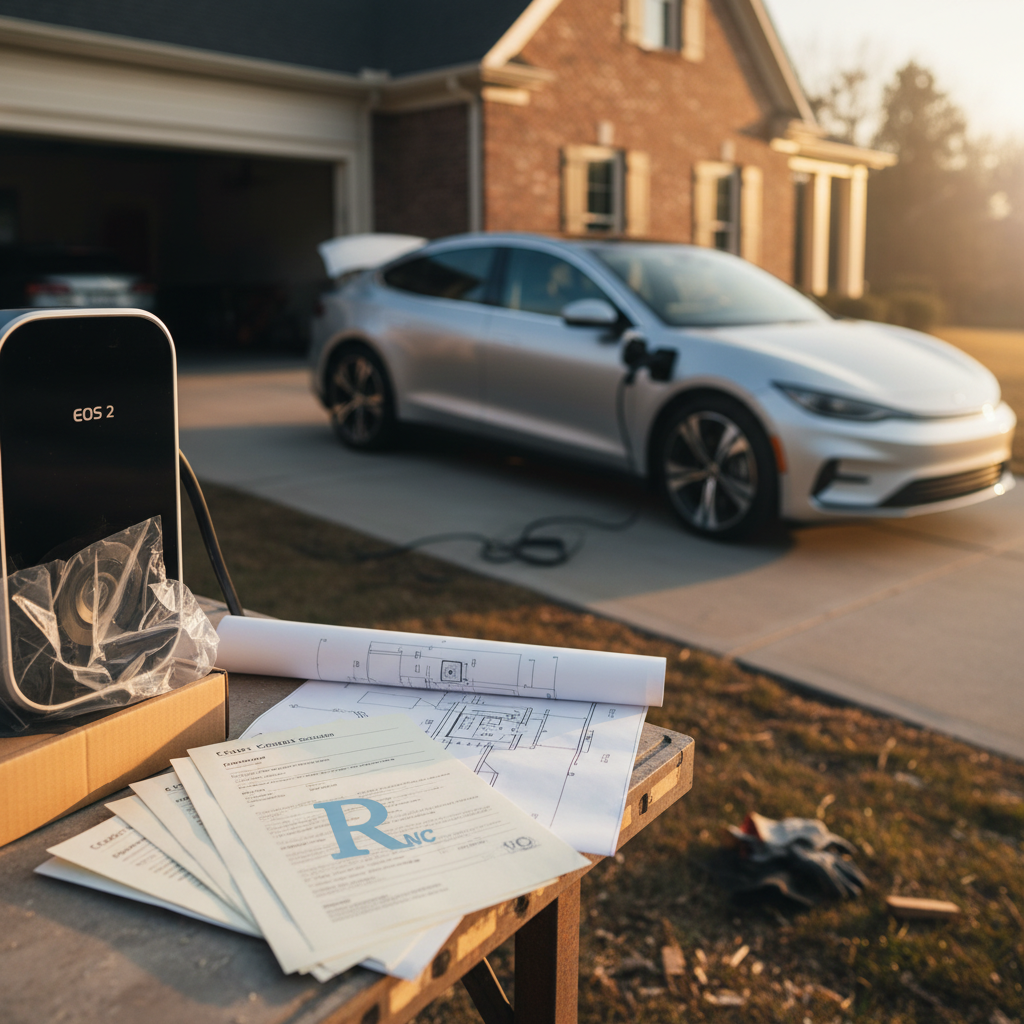
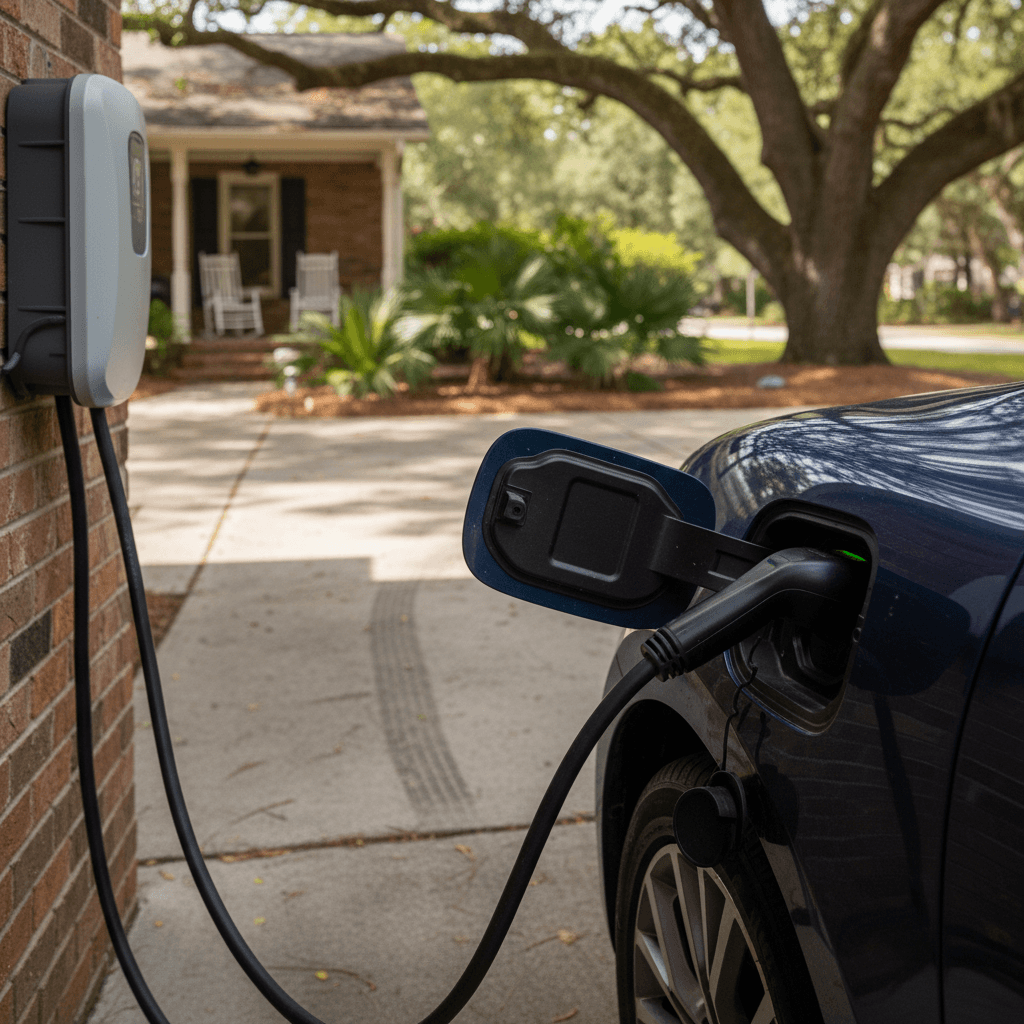
Level 1 (120V) charging from a standard wall outlet is fine for short commutes, but most South Carolina households are happier with a Level 2 (240V) charger. Look for a unit that qualifies for both your utility’s rebate and the federal charging equipment credit, if you’re eligible.
4. Use the federal home charging credit while it lasts
Through June 30, 2026, many homeowners can claim a federal tax credit of up to **$1,000** for qualified EV charging equipment and installation. If you’re installing a charger for your used EV, talk with your tax professional about capturing that value while it’s still available.
5. Shop battery health carefully on used EVs
On a used EV, battery condition is everything. A car with a strong pack can save you thousands in fuel costs; one that’s already tired can eat those savings with lost range and future repair bills. Look for transparent battery‑health documentation, not just “it feels fine.”
6. Get pre-qualified for favorable EV financing
Interest rate and term matter as much as price. Getting **pre‑qualified with no impact to your credit** puts a realistic monthly payment in front of you before you fall in love with a particular EV.
Where Recharged fits into that plan
Costs to watch out for when owning a used EV in South Carolina
Going electric saves money in obvious places, say goodbye to oil changes and $3‑plus gasoline, but a clear‑eyed look at ownership in South Carolina means you also account for the line items that don’t show up in a traditional car search.
- **EV registration fee:** Remember the $120 every two years. On a per‑year basis, it’s roughly the equivalent of a couple tanks of gas.
- **Home electrical work:** If your panel is full or your parking spot is a long way from the breaker box, you may need several hundred to a thousand dollars’ worth of wiring and installation. That’s where those **utility and federal charger incentives** can soften the blow.
- **Battery degradation on older EVs:** A cheap used EV with a tired battery may become a “city‑only” car earlier than you’d like. Range loss isn’t necessarily a deal‑breaker, but it should be baked into both the price and your expectations.
- **Insurance premiums:** Some EVs cost a bit more to insure than comparable gas cars, depending on repair costs and parts availability. It’s worth getting a quote on a specific VIN before signing paperwork.
Don’t ignore range and charging reality
Where a used EV still pencils out in 2026
Typical South Carolina daily driving
Most South Carolina households put fewer than 40–50 miles a day on the odometer. For that kind of routine, even a modest‑range used EV, something in the 200‑mile EPA‑rated ballpark when new, can easily handle commuting, errands, and school runs with overnight home charging.
In that use case, the **fuel savings are straightforward**: paying off‑peak electric rates instead of buying gasoline every week adds up over a three‑ to five‑year ownership window.
Road trips and rural routes
If you live in a rural part of the state, or you’re the designated family road‑trip machine, you’ll want to look harder at fast‑charging access and battery capacity. South Carolina’s NEVI‑funded highway build‑out continues into and beyond 2026, but there are still gaps.
That’s where a newer, longer‑range EV, or keeping a gas second car, can make more sense, even without tax credits, than forcing a first‑generation EV into long‑haul duty it wasn’t built for.
Think in miles per month, not years of ownership
How Recharged helps South Carolina drivers save on used EVs
In a world where the “up to $4,000” used EV tax credit is now just a line in last year’s news, the quality of the car and the clarity of the deal matter more than ever. That’s where Recharged leans in.
What you get when you shop used EVs with Recharged
Designed to replace guesswork and surprise costs with hard numbers.
Verified battery health
Every vehicle comes with a Recharged Score Report that includes independent battery diagnostics, so you’re not guessing how much range your used EV has really lost, or how much life it has left.
Transparent, fair pricing
Recharged benchmarks each car against the used EV market, so you see whether you’re getting genuine value with or without incentives. No mystery fees, no “because it’s electric” markup.
EV-savvy experience, wherever you are
You can shop and complete your purchase fully online, lean on Recharged’s EV‑specialist support for charger and incentive questions, and arrange nationwide delivery, plus visit our Experience Center in Richmond, VA if you’d like to see how a home‑charging setup really works.
Ready to find your next EV?
Browse VehiclesIf you’re trading out of a gas car, Recharged can also give you an **instant offer or consignment option**, so you’re not juggling separate negotiations while running the numbers on electricity rates and registration fees.
FAQ: South Carolina used EV incentives in 2026
Frequently asked questions
Incentives come and go; a good used EV is useful every single day you own it. South Carolina’s 2026 landscape is light on headline‑grabbing tax credits, but there’s still real money on the table if you combine the right car, honest battery data, smart financing, and the utility and charging programs that fit your life. Take the time to run the numbers, not just on the purchase price, but on fuel, maintenance, and home charging, and you may find a used EV still makes more sense in the Palmetto State than you expected.