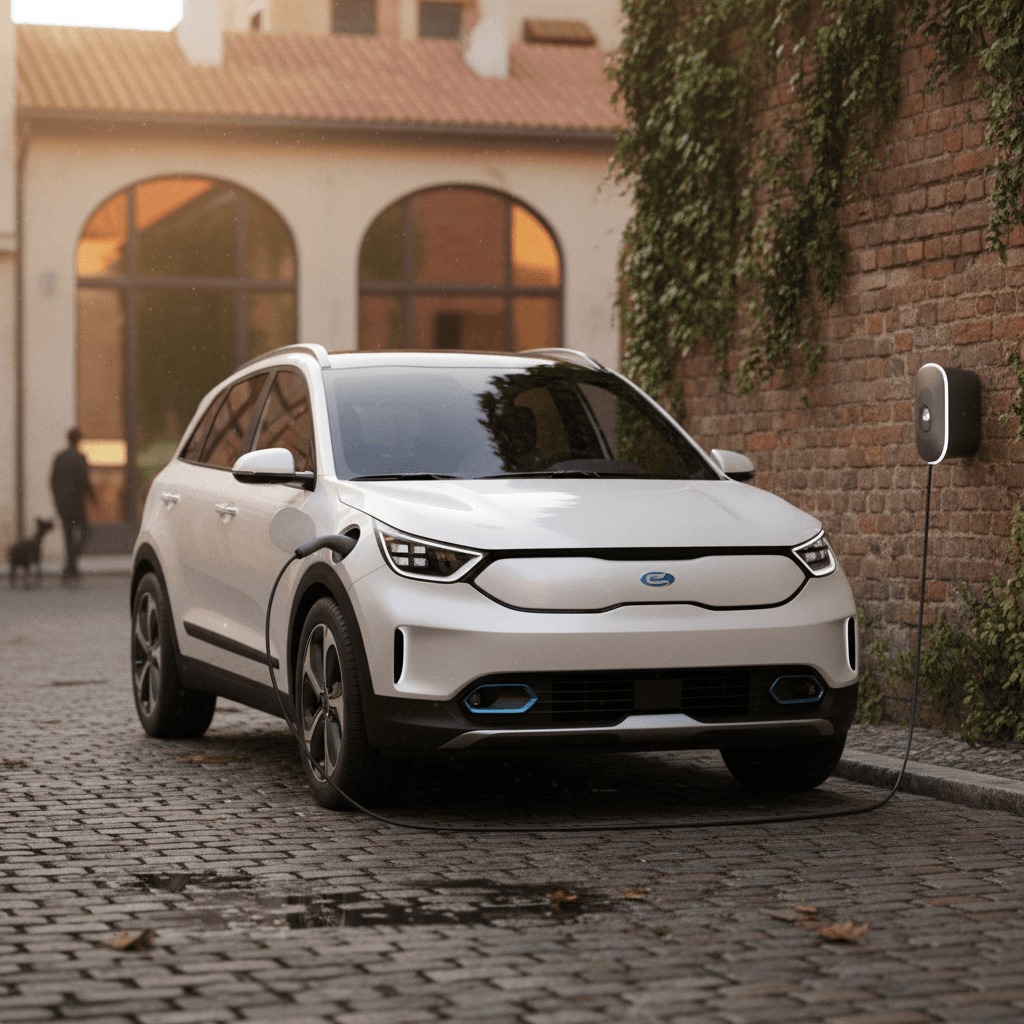
If you like the idea of driving on electricity most days but aren’t quite ready to go fully electric, a small plug in hybrid can look like the perfect compromise. You get an efficient gasoline engine for road trips, plus a battery big enough for errands and commuting on electricity alone, usually without the parking and maneuverability headaches of a big SUV.
The short version
What is a small plug-in hybrid, exactly?
A plug-in hybrid electric vehicle (PHEV) combines an electric motor, a traction battery that you charge from the grid, and a gasoline engine. You plug it in at home or at public chargers to use the electric motor for short trips, and when the battery runs low or you need extra power, the gasoline engine takes over like a regular hybrid.
- Small plug in hybrid car: Compact hatchback or sedan (think Toyota Prius Plug-In or similar).
- Small plug in hybrid SUV: Subcompact/compact crossovers like the Kia Niro Plug-In Hybrid or Hyundai Tucson Plug-In, which keep footprint reasonable but sit higher for easier access.
- Typical electric range: Roughly 25–40 miles of real-world EV driving for current mainstream models.
- Fuel economy after the battery: Once the pack is depleted, they behave like efficient hybrids, often 35–50 mpg combined, depending on the model.
How small is “small”?
Why small plug-in hybrids are trending in 2025
Plug-in hybrids by the numbers
Governments have been tightening emissions rules, but drivers still worry about public charging reliability and road-trip logistics. That’s where PHEVs slot in. They let automakers slash fleet CO₂ and let you test-drive life with a plug, without betting your entire driving experience on public charging infrastructure.
Policy risk to keep in mind
Best small plug-in hybrids on the market today
The phrase small plug in hybrid covers a pretty narrow slice of the U.S. market in 2025. If you want something that’s genuinely compact rather than a mid-size family SUV, you’re mostly looking at efficient hatchbacks and subcompact crossovers.
Standout small plug-in hybrids in 2025
These models keep size in check while delivering useful electric range.
Toyota Prius Plug-In (Prius Prime)
Why it stands out: Still the efficiency benchmark for small plug-in hybrids.
- Body style: Compact hatchback
- Electric range: Roughly low-30s miles in real-world driving
- After-battery mpg: Often around 50 mpg if driven reasonably
- Best for: Maximizing efficiency and minimizing fuel stops
Kia Niro Plug-In Hybrid
Why it stands out: Crossover practicality with compact-car dimensions.
- Body style: Subcompact crossover
- Electric range: Around 30–33 miles
- Recognition: Recently named one of the best plug-in hybrids by multiple consumer outlets
- Best for: City dwellers who want hatchback agility with SUV-ish seating
Other small PHEV crossovers
Depending on your market, you’ll also see small plug-in SUVs like the Hyundai Tucson Plug-In and various compact imports from Chinese brands.
- Expect 30–40 miles of EV range
- Footprint closer to a compact SUV than a traditional small car
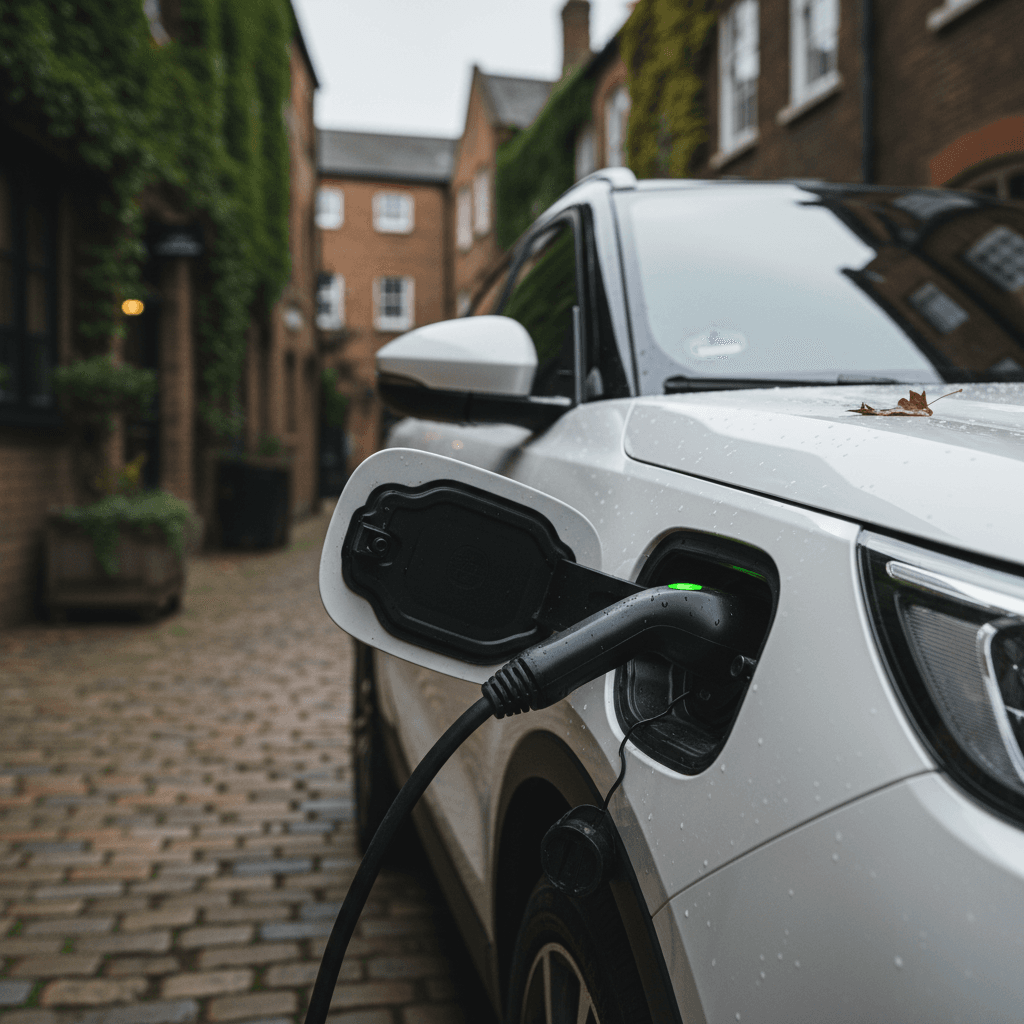
Small plug-in hybrid snapshot (approximate U.S.-market specs)
High-level comparison of representative small plug-in hybrids. Always verify final specs with the manufacturer or dealer before buying.
| Model | Size class | Approx. EV range | Approx. hybrid mpg | Typical new price |
|---|---|---|---|---|
| Toyota Prius Plug-In (Prime) | Compact hatchback | ≈30–35 miles | ≈50 mpg | Low–mid $30,000s |
| Kia Niro Plug-In Hybrid | Subcompact crossover | ≈30–33 miles | Mid–40s mpg | Mid–$30,000s |
| Hyundai Tucson Plug-In | Compact SUV | ≈30–32 miles | Mid–30s mpg | Low–$40,000s |
| Other compact PHEVs | Compact sedan/SUV | 25–40 miles | 35–45 mpg | Variable; generally $35,000+ |
Approximate ranges and fuel economy; your results will vary based on temperature, speed and driving style.
Where used plug-in hybrids fit in
Ready to find your next EV?
Browse VehiclesSmall plug-in hybrid vs used EV: which makes more sense?
When a small plug-in hybrid shines
- No home Level 2 charger yet: If you’re stuck with 120V household outlets, a small PHEV’s battery is easier to live with than a large EV pack.
- Regular long trips: Gasoline backup means you don’t have to plan DC fast charging stops or worry about rural charging deserts.
- Cold climate driving: In harsh winters, PHEVs fall back to hybrid mode gracefully when EV range shrinks.
- Apartment or street parking: If plugging in is hit-or-miss, a PHEV tolerates inconsistent charging better than a full EV.
When a used EV is the smarter play
- Daily driving under 40–60 miles: Many used EVs easily cover this with margin, even accounting for battery aging.
- Home or reliable workplace charging: Plug in at night or at the office and you rarely think about gas again.
- Lower long-term complexity: EVs ditch engine oil, exhaust systems, timing belts and multi-speed transmissions.
- Transparent battery health: With Recharged’s Score Report, you see verified battery state-of-health before you buy.
How Recharged fits into this decision
Costs, incentives and total cost of ownership
A small plug in hybrid can look like the safe middle ground, but it’s worth unpacking costs over a 5–8 year horizon, not just the window sticker.
Key cost factors for small plug-in hybrids
Think beyond MSRP when comparing to a used EV.
Upfront price & incentives
- MSRP: Most small PHEVs now start in the low-to-mid $30,000s; compact SUVs creep into the $40,000s.
- Tax credits: Depending on final assembly and battery sourcing, some PHEVs may qualify for U.S. federal or state incentives, but the rules are tighter than they were a few years ago.
- Used EV incentives: In some cases you can claim credits on a qualifying used EV instead, making a pre-owned BEV surprisingly competitive.
Fuel and electricity costs
- Electric miles are cheaper: If your electricity is reasonably priced, most of your commuting in a small PHEV will cost less per mile than gas.
- Hybrid mode matters: If you rarely plug in, you’re basically paying for an expensive, heavy hybrid that may not beat a regular non-plug hybrid on fuel cost.
- Used EVs: When charged at home, a used EV can often cut your per-mile energy cost in half versus an efficient gas car.
Questions to estimate your total cost of ownership
1. How often will you actually plug in?
If the honest answer is “a few times a month,” you may be better off with a standard hybrid or a used EV with enough range to cover your daily driving.
2. Do you already have charging where you park?
A dedicated 240V outlet makes both PHEVs and EVs far more compelling. If installing one is feasible, that investment pays off over years of ownership.
3. What’s your annual road-trip mileage?
If you do a couple of long trips a year, a used EV plus occasional fast charging may be fine. If you’re doing cross-country drives regularly, a PHEV’s gasoline safety net remains convenient.
4. How long do you keep cars?
If you hold onto vehicles 8–10 years, factor in future policy shifts, emissions rules, and potential restrictions on plug-in hybrids in some cities.
Battery health, maintenance and daily usability
PHEVs give you the complexity of both worlds: an internal-combustion powertrain plus a high-voltage battery and electric drive system. That’s neither inherently good nor bad, but it does change the risk profile compared with a simple hybrid or a pure EV.
Living with a small plug-in hybrid vs a used EV
What matters once the showroom shine wears off.
Maintenance complexity
- PHEVs: Engine oil, spark plugs, filters, coolant, transmission fluid, plus high-voltage components.
- EVs: No engine, no multi-speed automatic, and fewer moving parts. Tires and brake fluid become the big recurring items.
Battery degradation
- PHEVs: Smaller packs cycle more often because you’re using a large share of capacity daily.
- EVs: Larger packs usually see fewer full cycles, but how the previous owner charged and drove the car matters a lot.
- Recharged Score: For used EVs, you get a quantified view of battery health rather than guessing from range estimates.
Everyday usability
- PHEVs: Great if you can plug in most nights but still want gas convenience when you forget.
- EVs: Best when you have predictable access to charging and use DC fast charging occasionally rather than weekly.
Don’t treat a PHEV like a regular car
How to choose the right small PHEV for your life
Instead of starting with brands and badges, start with your daily routine. Once you know how much range you actually need and how often you’ll plug in, the list of viable small plug-in hybrids, and used EVs, gets much shorter and more manageable.
- Calculate your true daily mileage for a typical week, errands, commute, kid shuttles, everything.
- Map where you’d realistically charge (home, workplace, public Level 2). Be brutally honest here.
- Decide how many road trips over 200 miles you do in a typical year.
- Test-drive both a small PHEV and a comparable used EV to experience charging, acceleration and noise firsthand.
- Run total-cost-of-ownership scenarios for 5–8 years rather than fixating on monthly payments.
Use data, not vibes
Quick buying checklist for small plug-in hybrids
Small plug in hybrid shopping checklist
Confirm the real electric range you’ll get
Manufacturer estimates are optimistic. Ask owners, read independent tests and assume a bit less range in winter or at highway speeds.
Verify cargo and passenger space
Some PHEVs lose trunk volume to the battery pack. Make sure strollers, luggage or bikes actually fit with the seats the way you’ll use them.
Check charging speed and connector
Most small PHEVs use Level 2 AC charging only. Confirm how many hours a full charge takes on 240V and whether 120V overnight charging is enough for your routine.
Compare to a used EV side-by-side
Cross-shop a used EV in the same price band. With Recharged, you can see battery health, pricing, and financing options to weigh against a new or used PHEV.
Ask about warranty coverage
Understand both the hybrid system and battery warranties, and whether they transfer in full if you’re buying used.
Small plug-in hybrid FAQ
Frequently asked questions about small plug-in hybrids
Bottom line: when a small plug-in hybrid is the smart move
A small plug in hybrid can be a very rational stepping stone into electrification if you’re honest about your habits. For drivers with inconsistent charging access or frequent long trips, it delivers most of the day-to-day benefits of an EV while keeping gasoline as an easy safety net. For others, especially those with predictable commutes and access to home or workplace charging, a well-vetted used EV can be cheaper, simpler and more future-proof.
If you’re leaning toward the fully electric path, Recharged was built to remove the guesswork. Every used EV comes with a Recharged Score Report covering battery health, fair market pricing and expert guidance, plus digital-first shopping, financing help, and nationwide delivery from our platform. Whether you ultimately choose a small plug-in hybrid or a used EV, bring your real driving data to the decision, and don’t settle for anything less than full transparency about the technology you’re buying.