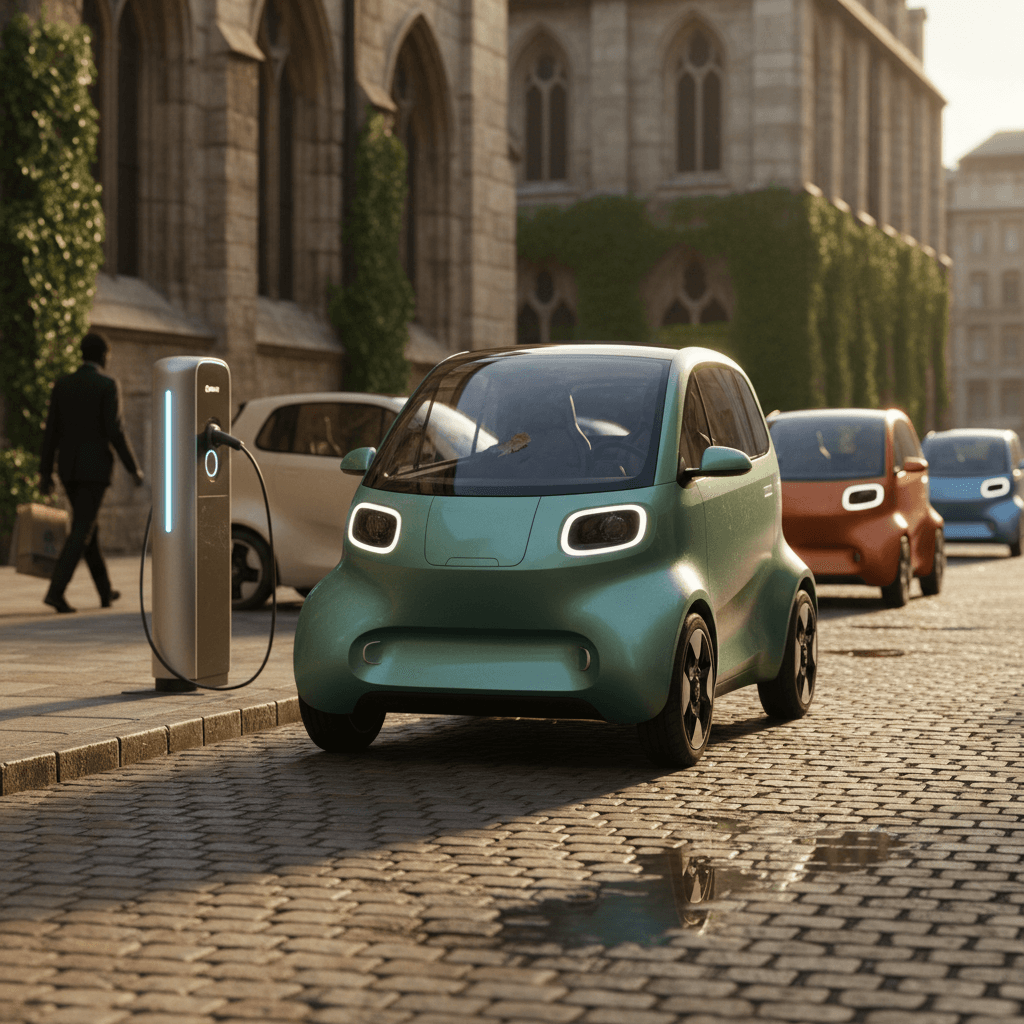
Small electric cars in the USA occupy a strange niche. Americans love big trucks and SUVs, but our lives are increasingly urban: tighter parking, more traffic, and commutes that rarely top 40 miles a day. That’s exactly where small electric cars, city-friendly, cheap to run, easy to park, quietly make the most sense.
Quick Take
Why Small Electric Cars Matter in the US Market
In 2024, Americans bought around 1.3 million battery-electric vehicles, roughly 8% of all new cars sold. Most headlines went to crossovers and trucks, but the quiet heroes of urban life are the compact hatchbacks and small sedans that slip into spaces a pickup can only dream of. They don’t dominate the sales chart; they dominate the parking garage.
The Case for Going Small (and Electric)
Reality Check
What Counts as a “Small” Electric Car?
Ask a European what a "small electric car" is and you’ll hear about Renault Twingos and tiny city runabouts that make a Smart look oversized. The US version of "small" is different. Here, we’re usually talking about compact hatchbacks and short sedans, practical, four‑seat EVs that still behave like real cars on the highway.
- Overall length roughly 185 inches or less (think Honda Civic or smaller)
- Tight turning radius and good visibility for city driving/parking
- Four real seats; two adults can survive in the back without filing a complaint
- Hatchback or short sedan profile; not a full‑size crossover or SUV
- Battery sizes typically in the 40–70 kWh range, enough for urban life, lighter than big‑pack road‑trip EVs
Clearly Small EVs
- Chevrolet Bolt EV / EUV
- Nissan Leaf
- MINI Cooper SE
- BMW i3 (used only now)
- Fiat 500e (new and old generations)
Not Really “Small”
- Tesla Model Y, Hyundai Ioniq 5, Kia EV6 – compact crossovers
- Full‑size trucks (F‑150 Lightning, Cybertruck)
- Three‑row EV SUVs (Kia EV9, Mercedes EQB, etc.)
How to Think About Size
Best Small Electric Cars in the USA for 2025
Here’s a curated look at the small electric cars that actually make sense in the US, especially if you’re shopping used. Some are discontinued new, but very much alive and well in the classifieds and on platforms like Recharged.
Standout Small Electric Cars for American Roads
City‑friendly, parking‑friendly, budget‑friendlier than you’d think
Chevrolet Bolt EV & EUV
Why it’s great: Probably the definitive small EV for the US: compact footprint, adult‑usable back seat, and real‑world 230–260 miles of range in later years.
Best for: Daily commuters who occasionally do a longer highway run and want DC fast charging.
Nissan Leaf
Why it’s great: The OG affordable EV. Earlier models are perfect low‑cost city cars; later 62 kWh versions are surprisingly capable on the highway.
Watch for: Battery degradation in hot climates and CHAdeMO fast‑charging, which is being phased out in many places.
MINI Cooper SE
Why it’s great: It’s a MINI first, EV second: short wheelbase, quick steering, and a cabin that feels like a boutique hotel bar. Range is modest but fine for urban life.
Best for: Short‑range drivers who care more about joy per mile than miles per charge.
BMW i3
Why it’s great: Carbon‑fiber structure, upright seating, and a turning circle so tight you’ll think you mis‑read the spec sheet. Feels like the future, even used.
Note: All examples are used now; some include a small gas range extender.
Fiat 500e
Why it’s great: The definition of a city car, ultra‑short, genuinely charming, and made for dense urban cores and tight garages.
Best for: Multi‑car households that want an electric runabout.
Other Compact EVs
Cars like the Hyundai Kona Electric and Kia Niro EV are on the larger side of "small" but still much more compact than mainstream SUVs. Think of them as the tall‑roof cousins of city hatchbacks.
Range Reality: How Much Do You Actually Need?
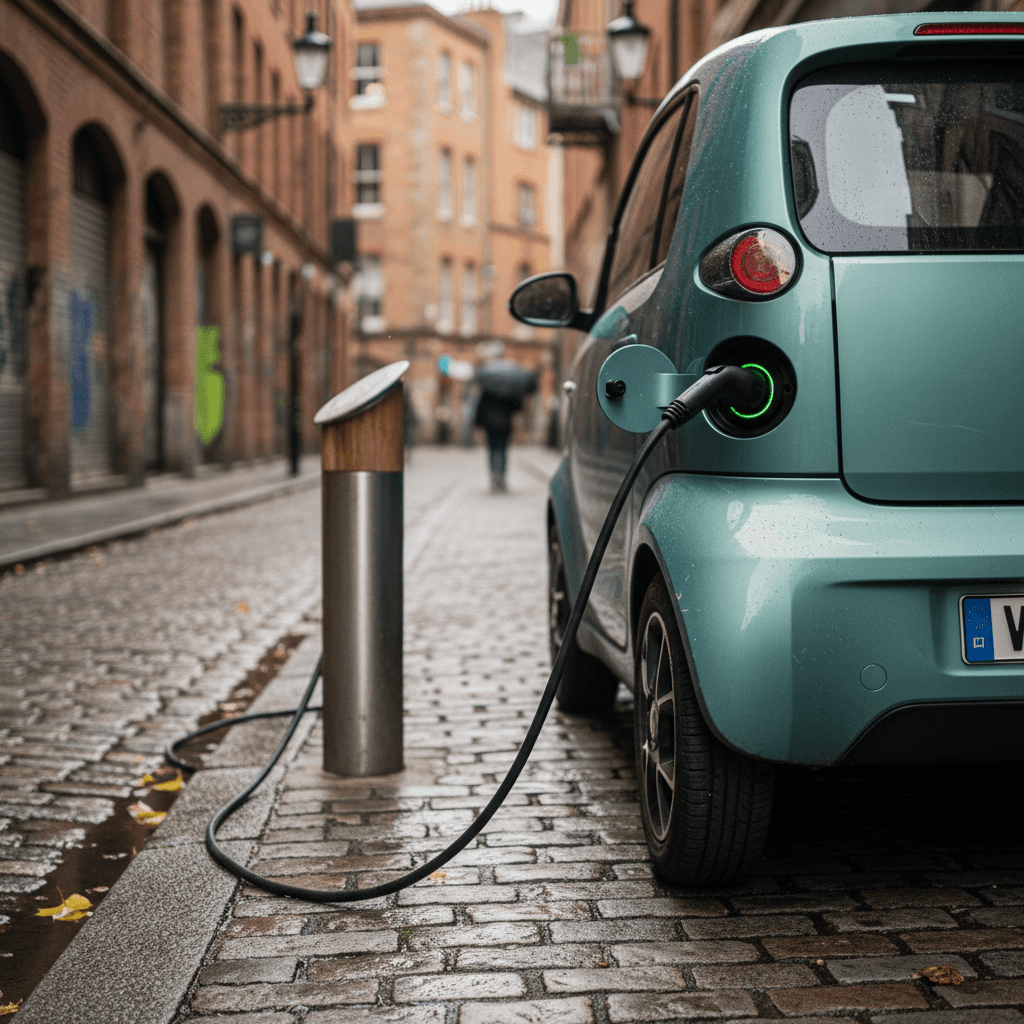
Range is where marketing departments and real life part ways. For most American urbanites, daily driving is closer to 20–40 miles. That means a small EV with 150 miles of honest range is not a compromise; it’s overkill.
City Commuter
- 15–25 miles round‑trip to work
- Errands and school runs add another 10–15 miles
- Charging overnight once or twice a week on Level 2 is plenty
- Realistically fine with 120–150 miles of usable range
Suburban Flex Life
- 30–50 miles daily, plus occasional 150‑mile weekend trip
- Small EV with 200+ mile range is more comfortable
- DC fast‑charging capability becomes more important
- Occasional rental or second gas car covers outlier trips
Range Rule of Thumb
Why Small EVs Shine on the Used Market
If you’re shopping for small electric cars in the USA, the used market is where the story gets interesting. Compact EVs often started life as commuter appliances or second cars, which means many have lower mileage and gentler use than similarly priced gas cars. Depreciation has already taken a machete to the sticker price; you get to stroll in afterwards with a dustpan.
What Makes Used Small EVs Such Good Value?
Three big forces working in your favor
Steep Early Depreciation
Early owners ate the biggest value drop, especially as newer long‑range EVs hit the market. For you, that means thousands off MSRP for a car that still has plenty of life.
Simple Drivetrains
No oil changes, fewer moving parts, and less drivetrain complexity. Small EVs are mechanically much simpler than their gas equivalents, and city duty cycles tend to be gentle.
Battery Health Visibility
Battery capacity is the whole game. With tools like the Recharged Score, you can see verified battery health up front instead of guessing from a range estimate and a handshake.
The Big Used‑EV Risk
Head-to-Head: Comparing Popular Small Electric Cars
Let’s put some of the most relevant small EVs into one frame. Exact specs vary by model year and trim, but these ballpark numbers help orient you.
Key Specs for Popular Small Electric Cars (Typical Recent Model Years)
Approximate figures for representative model years commonly found on the used market.
| Model | Body Style | Approx. EPA Range | Fast Charging | Typical Used Price* | Best Use Case |
|---|---|---|---|---|---|
| Chevrolet Bolt EV | 5‑door hatchback | 230–259 mi | Yes (DC fast) | $15k–$24k | One‑car household, urban + occasional highway |
| Chevrolet Bolt EUV | Taller hatchback | 247 mi | Yes (DC fast) | $18k–$26k | Small family city car |
| Nissan Leaf (40 kWh) | Hatchback | 140–150 mi | Usually (CHAdeMO) | $8k–$16k | Budget city/commuter car |
| Nissan Leaf Plus (62 kWh) | Hatchback | 210–225 mi | Yes (CHAdeMO) | $15k–$23k | Longer‑range commuter |
| MINI Cooper SE | 3‑door hatch | 110–120 mi | Yes (DC fast) | $17k–$26k | Style‑forward city runabout |
| BMW i3 (BEV/REx) | Tall 4‑seat hatch | 120–150 mi EV | Some (CCS) | $12k–$22k | Urban driver who values design and maneuverability |
| Fiat 500e | Micro hatch | 80–150 mi (gen‑dependent) | Limited | $9k–$18k | Short‑range second car in dense cities |
Always verify exact specs for the specific year and trim you’re considering.
About Those Prices
Checklist: Buying a Small Used Electric Car
Shopping for a small used EV is a bit different from shopping for a used Civic. The engine is replaced by a battery pack and some software, but the fundamentals still apply: buy the car, not the story.
Eight Steps to a Smart Small‑EV Purchase
1. Start with Your Daily Reality
Write down your <strong>actual weekly driving</strong>: commute distance, errands, occasional longer trips. This keeps you from over‑buying range you’ll never use, or under‑buying and resenting the car.
2. Decide on Charging Access
Do you have a garage or driveway for Level 2 charging? Street parking only? Apartment with shared plugs? Your charging situation can make or break a short‑range EV.
3. Check Verified Battery Health
Insist on objective data: capacity percentage, pack temperature history, and any fault codes. Recharged includes a <strong>Recharged Score battery health report</strong> with every vehicle so you’re not guessing.
4. Understand the Fast‑Charging Standard
Is the car using CCS, NACS (Tesla’s standard), or CHAdeMO? CHAdeMO is fading; CCS and NACS are where the infrastructure is going. Make sure your local fast chargers match your connector.
5. Inspect Tires, Brakes, and Suspension
City cars hit potholes and curbs. A quick inspection for uneven tire wear, bent wheels, or clunky suspension saves you from inheriting someone else’s neglected commuter.
6. Review Software and Recalls
Confirm the car has the latest software updates and open recalls handled. Many EVs get important range and charging improvements via software.
7. Test the Worst‑Case Scenario
On a test drive, simulate your longest day: highway speeds, AC or heat on, maybe some hills. Watch how quickly the range estimate drops. Believe that number, not the window sticker.
8. Run the Total Cost of Ownership
Include insurance, charging costs, parking, and any home electrical work. A small EV with cheap energy and low maintenance can beat a cheap gas car over 3–5 years, especially if you finance smartly.
How Recharged Makes Small EV Shopping Less Risky
Buying a small electric car should feel like an upgrade from gas, not a leap of faith. That’s the whole thesis behind Recharged: take the mystery out of used EVs so you can pick the right compact car and get on with your life.
What Recharged Brings to the Table
Especially useful when you’re shopping small EVs with older batteries
Recharged Score Battery Diagnostics
Every vehicle comes with a Recharged Score Report that spells out battery health in plain English, capacity, charging behavior, and any red flags, so you’re not decoding state‑of‑charge bars on your own.
Transparent, Fair Pricing
Recharged benchmarks each car against the market, factoring in mileage, equipment, and especially battery condition. That means you’re not overpaying for a small EV with a tired pack.
EV‑Specialist Support
From model selection (Bolt versus Leaf versus MINI Cooper SE) to questions about CHAdeMO vs CCS, you get EV‑literate guidance, not generic used‑car sales talk.
Nationwide Delivery
Found the perfect compact EV across the country? Recharged can handle the logistics so the right car shows up in your driveway without a cross‑country flight and a dice‑roll road trip.
Financing & Trade‑In
Finance your small EV, trade in your old car, or even get an instant offer or consignment, all in a fully digital experience if you prefer.
Experience Center in Richmond, VA
If you’re nearby, you can see vehicles in person, talk with EV specialists, and take test drives before committing.
Ready to find your next EV?
Browse VehiclesFAQ: Small Electric Cars in the USA
Frequently Asked Questions About Small Electric Cars
Bottom Line: Is a Small Electric Car Right for You?
Small electric cars will never own the American imagination the way full‑size pickups do, but they don’t have to. Their job is more modest and more interesting: make your everyday life, commuting, parking, errands, quietly better. If your driving is mostly local, you have or can get reliable charging, and you like the idea of slipping into parking spaces other drivers abandoned as impossible, a small EV is probably the most rational car you can buy.
The trick is choosing the right one, with the right range and the right battery health, at the right price. That’s where doing your homework, and using tools like the Recharged Score Report, EV‑savvy financing, and nationwide vehicle access, turns a small electric car from a gamble into a very smart bet.