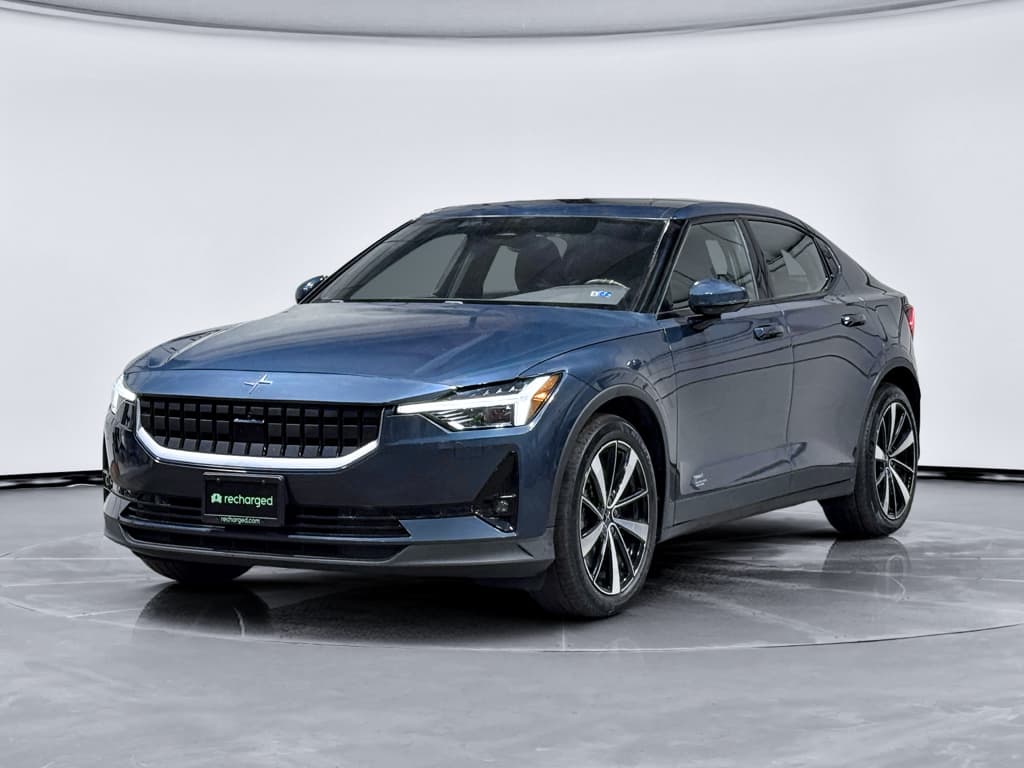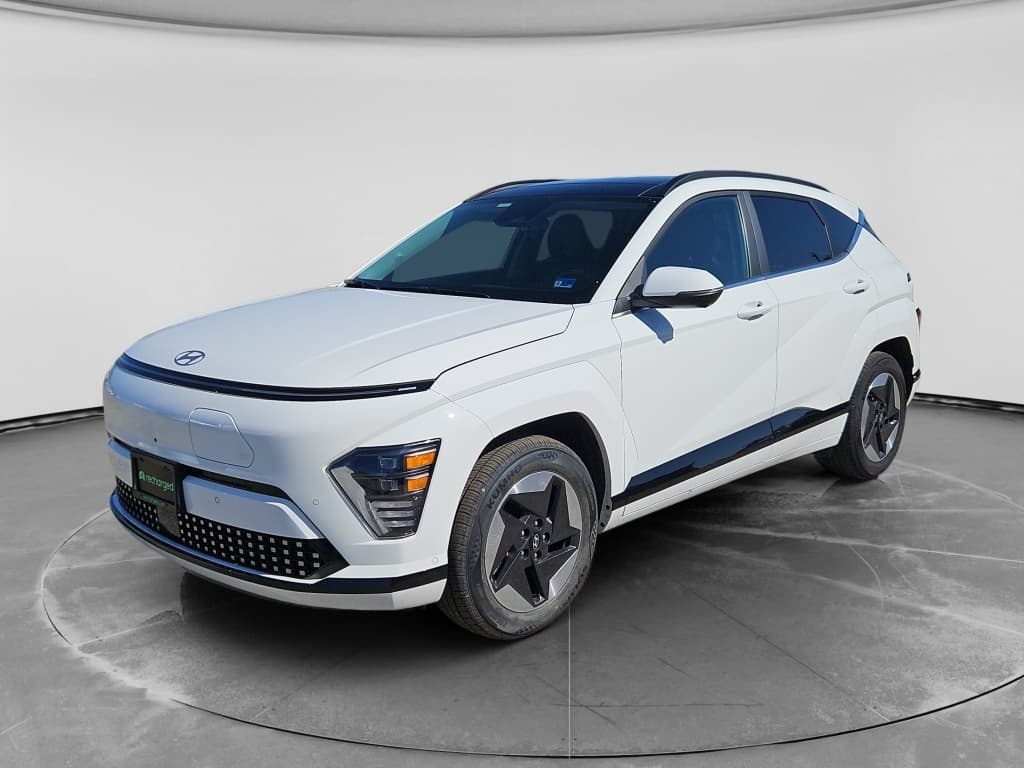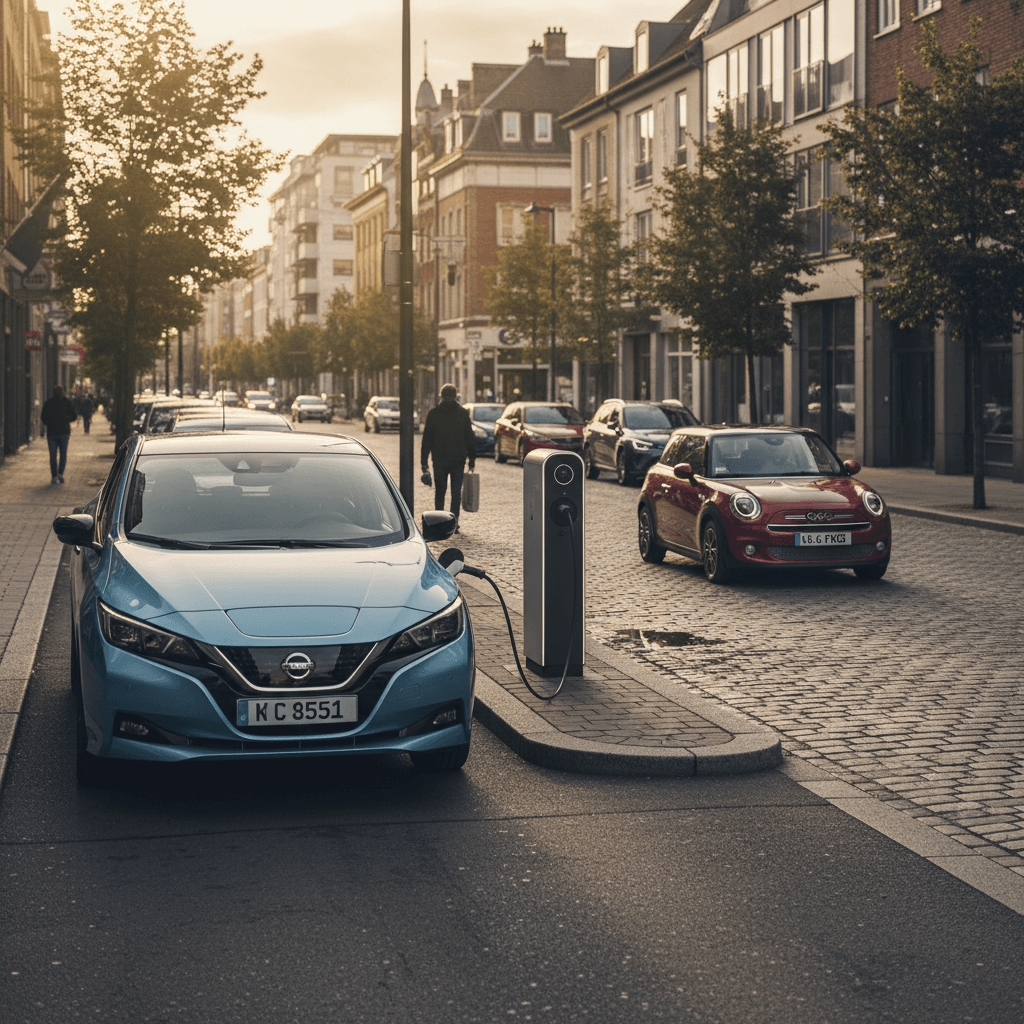
If you live in a city or just don’t want to haul around a giant crossover, a small electric car can be the sweet spot: easy to park, cheap to run, and still plenty quick. But the category has exploded, from tiny city runabouts to premium mini EVs, so it’s not obvious which one fits your life, especially if you’re open to buying used.
Who this guide is for
Why small electric cars are hot right now
Why small EVs are having a moment
Once you put the battery under the floor, a small EV can be incredibly space‑efficient. Automakers know this, which is why we’re seeing a wave of compact and “mini” electric cars globally, even if the U.S. only gets a subset of them. For urban drivers, downsizing often brings lower running costs, less stress in traffic, and easier home charging, without giving up modern tech or safety.
Think in use-cases, not inches
What actually counts as a “small electric” car?
“Small electric” is a fuzzy label. In practice, you’re looking at EVs that are compact outside but still usable day‑to‑day. Globally, they fall into three rough buckets:
Three main flavors of small electric
From ultra‑tiny city cars to premium mini hatchbacks
Micro & city EVs
These are the tiniest city-only EVs: think 2–3 doors, very short length, and modest range.
- Typically under ~150 inches long
- Optimized for tight streets and short hops
- Great for dense cities, tougher for long trips
Subcompact hatchbacks
Still clearly small, but with 4 seats and a usable hatch.
- Shorter than most compact SUVs
- Comfortable as a primary car for many households
- More range and safety kit than microcars
Compact “mini premium” EVs
Cars like the Mini Cooper Electric: still small, but with upscale features.
- Sporty driving dynamics
- Stylish interiors and tech
- Often priced like larger mainstream EVs
In the U.S., you’ll mostly be shopping in the last two buckets, subcompact hatchbacks and compact premium minis, especially on the used market. True micro EVs remain more of a Europe and China story for now, with cars like the Wuling Hongguang Mini EV and Dacia Hipster showing how far you can push tiny‑EV practicality.
Key small electric segments and example models
Let’s ground this with real models so you can map the idea of “small electric” to actual cars you might see on the road or in used listings.
Small electric segments at a glance
Representative models to illustrate the variety of small EVs available or coming soon.
| Segment | Example models | Typical range (new) | Seats | Notes |
|---|---|---|---|---|
| Micro / city EVs | Wuling Hongguang Mini EV, Dacia Hipster (concept) | 75–150 mi | 2–4 | Ultra-compact, city-focused, mainly Europe/China today. |
| Subcompact hatchbacks | Chevy Bolt EV/EUV (used), Hyundai Kona Electric, Nissan Micra EV (EU) | 190–260 mi | 4–5 | Practical all-rounders, easy to park, strong efficiency. |
| Compact “mini premium” | Mini Cooper Electric, Renault 5 E-Tech, Alpine A290 | ~200 mi | 4 | Performance- and style-focused, tight back seats but fun to drive. |
| Small commercial EVs | VinFast EC Van, small cargo EVs | ~100–150 mi | 2–4 | Tiny electric vans for deliveries or trades, more common outside U.S. |
Not all of these are sold in the U.S. today, but they show how global automakers are thinking about small electric cars.
Reality check for U.S. shoppers
Range and usable space: what to really expect
Real-world range on small EVs
Modern small electric cars are no longer limited to 100–120 miles of range. The latest mini hatchbacks typically land around 200 miles on the EPA cycle, while some subcompact crossovers can stretch beyond that.
- Older minis: First‑gen Mini Cooper Electric models were closer to 110–120 miles.
- Newer minis: Updated Mini and Renault 5–class EVs roughly double usable range, targeting ~200 miles per charge.
- Subcompact hatchbacks: Used Kona Electric or Bolt EVs commonly sit in the 230–260‑mile range band when new; capacity depends on battery health.
For a lot of commuters, that’s a full workweek between charges if you plug in at home on Level 2.
Interior space and practicality
Small footprint doesn’t have to mean cramped. Battery‑under‑floor packaging means even short EVs can be surprisingly roomy.
- 4 real seats: Many small EVs are comfortable for two adults up front plus kids or shorter adults in back.
- Flexible cargo: Hatchbacks with folding seats can swallow bikes, strollers, or big grocery runs.
- City advantages: Easier to thread through traffic, fit into small garages, and park on busy streets.
The trade‑off is typically rear legroom and vertical cargo height compared with a compact SUV, so bring your passengers or gear when test‑driving.
Watch the fine print on range
Cost of ownership: small EVs vs small gas cars
The economic case for a small electric gets stronger the more you drive, but even low‑mileage city drivers can benefit. Where small EVs shine is operating cost: fuel plus maintenance, not just the sticker price.
Where small EVs save you money
Not just fuel, maintenance and time matter too
Fuel & energy
Electricity is usually cheaper per mile than gas, especially if you can charge overnight at home.
- Many small EV drivers see the equivalent of $1–$1.50/gallon fuel cost.
- Public DC fast charging is pricier but often still competitive with urban gas prices.
Maintenance & repairs
No oil changes, fewer moving parts, and less brake wear thanks to regenerative braking.
- Small EVs generally need tire rotations, cabin filters, and brake fluid.
- Batteries are the big-ticket item, this is where a verified health report matters.
Time saved
Home charging effectively means never stopping for gas.
- Plug in at night, wake up full.
- For small‑battery city EVs, even 120V Level 1 can work if your daily miles are low.
Incentives & used deals
Depending on your state and income, you may qualify for federal or local incentives on new or used EVs.
Meanwhile, early small EVs are hitting the used market at attractive prices, especially if they come with verified battery health from platforms like Recharged.
Where Recharged fits in
Ready to find your next EV?
Browse VehiclesNew vs used small electric: which makes more sense?
Why consider new
- Latest tech & safety: The newest small EVs often bring longer range, faster charging, and better driver‑assist features.
- Full warranty: Peace of mind on the battery and high‑voltage systems.
- Incentives: Some models qualify for federal or state tax credits or rebates, effectively lowering the price.
New makes sense if you plan to keep the car for a long time, or if you need cutting‑edge range and fast‑charging for frequent trips.
Why used is often the sweet spot
- Depreciation already baked in: Early small EVs, especially first‑gen models with shorter range, can be excellent values if your daily miles are modest.
- More choice in small form factors: In the U.S., many of the truly compact EVs exist mainly in the used market.
- Battery transparency: Buying from a marketplace that publishes battery health diagnostics (like Recharged’s Score Report) lets you avoid unpleasant surprises.
If you mainly drive in town and can charge at home, a used small electric with a healthy pack can deliver most of the benefits of a new one at a much lower cost.
Battery health matters most on small EVs
On a 100‑kWh luxury SUV, losing 10% of capacity often isn’t a big deal. On a small EV that started around 200 miles of range, that same 10% is the difference between “charge once a week” and “this is getting annoying in winter.” That’s why battery state of health is absolutely central when you’re shopping small.
How to judge battery health on a small electric
1. Look for a quantified health score
Ideally you want a report that estimates remaining battery capacity as a percentage of when the car was new. Recharged’s <strong>Score Report</strong> is one example, it translates raw data into an easy‑to‑understand number.
2. Compare range to original spec
Check the car’s EPA‑rated range when new, then compare it to what the current owner or dealer sees at 100% charge. A modest gap is normal; a huge drop needs explanation.
3. Ask about charging habits
Frequent DC fast charging and lots of time spent parked at 100% charge can accelerate battery wear. A car mostly charged slowly at home will usually age more gracefully.
4. Factor in climate history
Vehicles that have lived their whole life in very hot regions without active battery cooling can see more degradation. If available, ask for service or telematics records.
5. Don’t fixate on one number
A slightly higher‑mileage car with a strong battery report can be a better buy than a low‑mileage example that was fast‑charged daily. Look at the full picture.
Red flag to avoid
How to choose the right small electric for you
Instead of chasing a specific model because it’s trendy, start with your usage pattern. That narrows the field quickly and makes head‑to‑head comparisons easier.
Quick fit test: will a small electric work for your life?
1. Daily mileage and weekly pattern
Add up your typical weekday miles and weekend errands. If you’re under ~40–60 miles per day most days, a small EV, even an older one, can easily keep up.
2. Where you’ll charge
If you have a driveway or garage, you’re in great shape. Apartment dwellers should check for on‑site charging or reliable public options nearby before committing.
3. Passengers and cargo
If you regularly carry tall teens or bulky strollers, test the back seat and cargo area in person. Some mini EVs are effectively 2+2s, not full family cars.
4. Road‑trip expectations
If you do several long highway trips per year, pay extra attention to range, charging speed, and network coverage. A slightly larger EV might be worth it for sanity.
5. Budget and incentives
Decide your total budget, then layer in possible federal or state incentives for new or used EVs. Don’t forget to price a home Level 2 charger if needed.
Small electric personas: which one are you?
Use these shorthand profiles to narrow your search
Urban minimalist
You live in a dense city, street‑park, and mostly do short trips.
- Priorities: tiny footprint, easy parking, simple charging.
- Look for: compact hatchbacks, older minis with shorter range but low cost.
Suburban commuter
You drive 30–60 miles a day and have a driveway or garage.
- Priorities: range buffer, comfort, CarPlay/Android Auto.
- Look for: subcompact hatchbacks or premium mini EVs ~200+ miles range.
City family
You’re juggling kids, car seats, and tight school‑dropoff lines.
- Priorities: back‑seat access, cargo flexibility, safety ratings.
- Look for: slightly larger small EVs with 4 doors and folding rear seats.
Common pitfalls to avoid
- Buying purely on style and underestimating how tight the rear seat or cargo area will feel day‑to‑day.
- Assuming quoted range equals real‑world range in cold weather or at 75+ mph highway speeds.
- Ignoring charging access, especially if you live in an apartment or rely heavily on street parking.
- Skipping a proper battery health check on a used small EV because it “feels fine” on a short test drive.
- Over‑buying: paying for a larger, heavier EV when a smaller, cheaper one would easily cover your use.
Don’t forget resale value
Frequently asked questions about small electric cars
Small electric FAQ
Bottom line: is a small electric car right for you?
If your life is built around cities and suburbs rather than cross‑country drives, a small electric car is often the most rational kind of EV: more efficient, easier to live with, and usually cheaper to own. The key is matching the car’s range, space, and charging reality to how you actually drive, and insisting on clear battery health data if you’re buying used.
Take the time to map your daily miles, charging access, and passenger needs, then shortlist a few models that truly fit. From there, you can use tools like the Recharged Score Report, expert EV‑specialist guidance, and flexible financing or trade‑in options to find a small electric that works for your budget today and still feels like the right size five years from now.