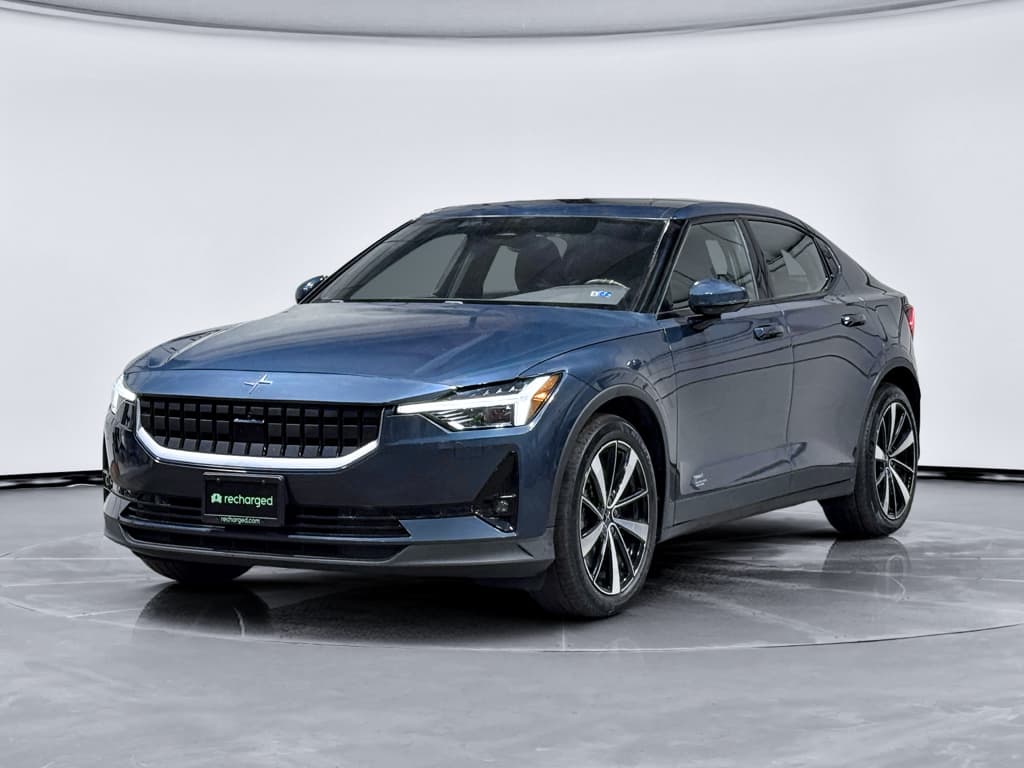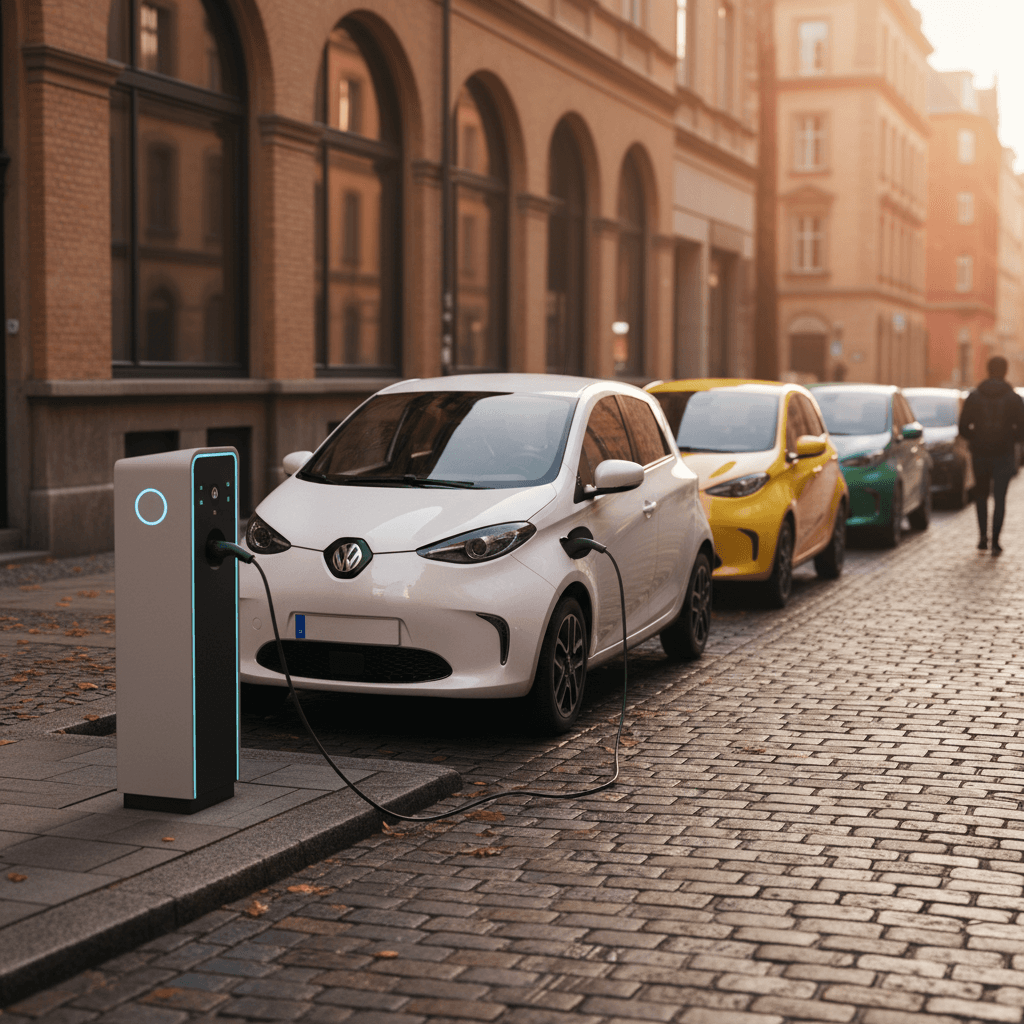
If you spend more time squeezing into tight parking spots than blasting down interstates, a small electric car can feel like it was built just for you. Today’s tiny EVs mix big-city agility with surprisingly grown‑up comfort and tech, and when you buy used, they can be one of the most affordable ways into electric driving.
What counts as a “small” electric car?
Why small electric cars are having a moment
Automakers have spent the last few years chasing big profits with big electric SUVs and trucks. But not everyone needs three rows and 300 miles of range. As batteries get cheaper and more efficient, brands are swinging back toward compact and subcompact EVs that fit city streets, condo garages and real‑world budgets.
Small EVs in today’s market
At the same time, city traffic isn’t getting any lighter and parking isn’t getting any cheaper. A small EV lets you thread through downtown streets, slide into narrow spaces and still enjoy quiet, instant‑torque acceleration. For many drivers, the sweet spot is a compact hatchback or small crossover with enough space for daily life, but not an inch more than they actually use.
Pros and cons of a small electric car
Why drivers love small EVs
- Easier to park and maneuver: Shorter length and tight turning circles make garages, street parking and parallel spots less stressful.
- Lower energy use: Smaller, lighter bodies sip fewer kWh per mile, which means lower electricity costs.
- City‑friendly range: Even modest batteries often cover a week of urban commuting.
- Quieter, smoother city driving: Electric torque makes stop‑and‑go traffic less tedious.
- Often cheaper used: Early city EVs didn’t hold value like big SUVs, which is great news for used buyers.
Where small EVs fall short
- Limited cargo and rear‑seat space: Four adults and luggage may be a stretch in the tiniest models.
- Shorter highway range: Boxy shapes and smaller batteries mean more frequent fast‑charge stops on road trips.
- Ride quality: Short wheelbases can feel busier over rough pavement.
- Towing and roof loads: Most small EVs aren’t rated to tow and may have low roof‑rack limits.
- Availability in the U.S.: Some of the cutest city EVs sold overseas never make it to American showrooms.
How to think about range
Best small electric cars you can buy in 2025
Let’s talk metal. Here are some of the standout small electric cars in the U.S. market for 2025, with a mix of new and used‑friendly options. Exact prices will vary with trim, incentives and whether you shop new or used, but the strengths and compromises stay fairly consistent.
Standout small EVs for city life
From tiny fashion statements to practical compact crossovers
Fiat 500e (new & nearly new)
If you want the smallest thing on four wheels, the Fiat 500e is it. At about 143 inches long, it’s shorter than many golf carts feel.
- Best for: Solo drivers or couples who mostly stay in town.
- Range: Around 149 miles EPA, modest but workable for city life.
- Why it’s fun: Perky acceleration, eye‑catching style and a cabin that feels more boutique than budget.
Think of it as an electric Vespa with doors.
Volvo EX30 (new & late‑model used)
The Volvo EX30 is one of the most compelling small EV crossovers on sale.
- Size: About 166 inches long, small outside but more usable than the Fiat inside.
- Range: Roughly 250+ miles depending on configuration.
- Feel: Quick, clean Scandinavian design, excellent front seats and strong safety tech.
It’s the small EV for people who secretly want a big‑car feel.
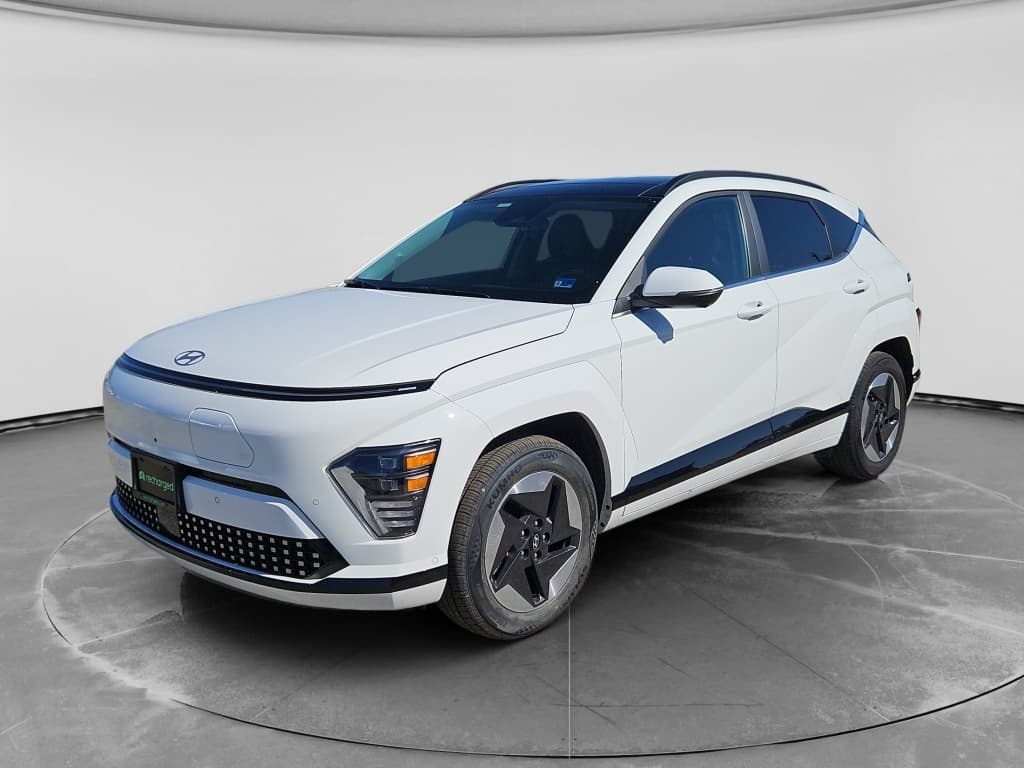
Hyundai Kona Electric (new & used)
The Hyundai Kona Electric is a workhorse small crossover that punches above its weight.
- Range: Around 200 miles for newer models; earlier versions can go farther.
- Strengths: Smooth ride, good value and a practical hatchback shape.
- Watch for: Acceleration that’s more relaxed than some rivals and a slightly tighter rear seat.
If you want sensible and efficient, this one should be on your test‑drive list.
More small EVs worth a close look
Compact but livable hatchbacks and crossovers
Kia Niro EV
The Kia Niro EV sits in the sweet spot between "small" and "just enough." It’s slightly larger than the Kona but still easy to park.
- Range: Around 253 miles EPA, with many tests beating that in real‑world driving.
- Interior: Spacious for a compact, with modern tech and animal‑free materials in newer years.
- Vibe: Practical, friendly and efficient rather than flashy.
Nissan Leaf (used hero)
The Nissan Leaf has quietly become one of the best values in used small EVs.
- Strengths: Comfortable seats, simple controls and plentiful supply on the used market.
- Range: Varies widely by year and battery (older 24 kWh cars vs newer 62 kWh), so you must shop carefully.
- Best role: Affordable commuter or second car for households with another long‑range vehicle.
Chevrolet Bolt EV & EUV (used)
The Chevy Bolt EV and slightly larger Bolt EUV have been discontinued but remain staples of the used small‑EV market.
- Range: Around 247 miles for many versions, impressive for their size.
- Benefits: Zippy performance, good interior space, and DC fast charging.
- Note: Battery recalls were handled via replacement packs, on a used car, that can actually be a plus.
Key specs: Range, size and price compared
Snapshot: popular small electric cars
Approximate specs for orientation only; always verify exact figures by model year and trim when you shop.
| Model | Typical role | Approx. EPA range (mi) | Overall length (in) | Typical used pricing* |
|---|---|---|---|---|
| Fiat 500e | Tiny city runabout | ~149 | 143 | Often mid‑$20Ks for early U.S. examples |
| Volvo EX30 | Premium small crossover | ~253 | 166.7 | Likely to start around high‑$30Ks used as supply grows |
| Hyundai Kona Electric | Value‑oriented compact crossover | ~200–258 (varies by year) | 171.5 | Low‑$20Ks to low‑$30Ks |
| Kia Niro EV | Efficient compact crossover | ~253–280 (real‑world) | 174 | Mid‑$20Ks and up |
| Nissan Leaf | Budget compact hatch | ~84–215+ (by generation) | ~175 | Sub‑$15K for early cars; more for long‑range Plus |
| Chevy Bolt EV/EUV | High‑range small hatch | ~247 | 164–169 | Often $18K–$28K depending on year and mileage |
City‑friendly EVs tend to trade a bit of highway range for easier parking and lower running costs.
Numbers are a starting point, not gospel
Who a small EV fits best (and who should skip it)
You’re a great match for a small electric car if…
1. Most of your driving is local
You mainly run errands, commute, and do school drop‑offs around town. A compact battery and 150–250 miles of range is plenty.
2. You can charge at home or work
Access to a driveway outlet or workplace charging turns a small EV into a plug‑in appliance: always topped up, rarely at a public charger.
3. Parking space is tight
You deal with street parking, older garages or narrow driveways where every inch matters.
4. You own (or can share) a second car
For road‑trip families, using the small EV for weekday duty and a larger vehicle for long hauls can be the perfect one‑two punch.
Where a small EV is less ideal? If you regularly haul five adults, tow anything heavier than bicycles, or drive 200‑plus mile highway days in winter without a charging stop, you’ll be happier in a larger, longer‑range EV or plug‑in hybrid.
Buying a used small electric car
Here’s where things get interesting. Some of the best deals in the EV world are used small hatchbacks and crossovers. Early demand centered on big SUVs, so many compact EVs slipped quietly onto used‑car lots with lower prices than their size and tech would suggest.
Used small EVs: biggest opportunities and watch‑outs
Great values are out there if you know where to look
Where the value lives
- City‑range pioneers: Older Nissan Leafs and early compliance cars can be very cheap, ideal as commuter appliances.
- End‑of‑run models: Discontinued favorites like the Chevy Bolt often see steeper depreciation than newer nameplates.
- Under‑the‑radar trims: Base‑spec small EVs lack a sunroof but still deliver the same electric drive.
Pair those lower prices with low running costs and you can slash your cost per mile.
Risks to watch for
- Battery degradation: Some early small EVs used chemistries or cooling layouts that age faster in hot climates.
- Limited fast charging: A few first‑gen city EVs either lack DC fast charging or charge very slowly.
- Obsolete connectors: Make sure the car uses common plugs or has an adapter path as standards evolve.
This is where buying from an EV‑focused retailer and insisting on battery data pays off.
How Recharged helps with used small EVs
Ready to find your next EV?
Browse VehiclesBattery health: the make-or-break factor
In a gasoline car, a few lost horsepower doesn’t change your life. In a small electric car with a compact battery, a worn‑out pack absolutely does. The difference between a healthy 200‑mile car and a tired 120‑mile example is the difference between carefree commuting and constant planning.
- Review the car’s battery‑health score or “state of health” percentage, not just current range estimates.
- Look for documentation of software updates or warranty battery replacements, these can be a plus, not a minus.
- Ask how the previous owner charged: frequent DC fast charging and regular 100% charges in hot climates can accelerate wear.
- On your test drive, watch how quickly the indicated range drops at highway speeds versus around town.
Don’t skip a battery report on short‑range EVs
Test driving and living with a small EV
A short spin around the block won’t tell you whether a tiny EV fits your daily life. Before you fall for the cute styling, use your test drive to rehearse a normal week.
Test‑drive checklist for small electric cars
Practice your daily route
Drive your typical commute mix of city, suburban and highway speeds. Pay attention to ride comfort, noise and how confident the car feels in traffic.
Try your trickiest parking moves
Parallel park, back into a tight spot and navigate any steep ramps you use regularly. Make sure visibility and camera systems work for you.
Fold the seats and load real cargo
If you haul strollers, groceries or sports gear, bring them. See how the trunk opening and folded seats work in real life.
Play with driver‑assist tech
Test adaptive cruise control, lane‑keep assist and parking sensors. Small EVs often have the same tech suite as larger, pricier siblings.
Check charging ergonomics
Open the charge port, plug into Level 2 if possible and confirm cable reach from where you’d park at home.
FAQ: Small electric car questions, answered
Frequently asked questions about small EVs
Bottom line: Is a small electric car right for you?
A small electric car isn’t for everyone. If your life involves frequent cross‑country drives, towing or hauling big crews, you’ll bump into the limits pretty quickly. But if your world looks more like school runs, office commutes, city errands and weekend hikes within a couple of hours of home, a compact EV can feel like a cheat code: quiet, quick, easy to park and far cheaper to run than a big gas SUV.
The smartest way to shop is to match size, range and budget to how you actually drive, then let data, not guesswork, guide your choice. That’s where Recharged comes in. From verified battery‑health reports and fair‑market pricing to financing, trade‑in options and nationwide delivery, Recharged is built to make finding the right small EV simple, transparent and, dare we say it, fun.