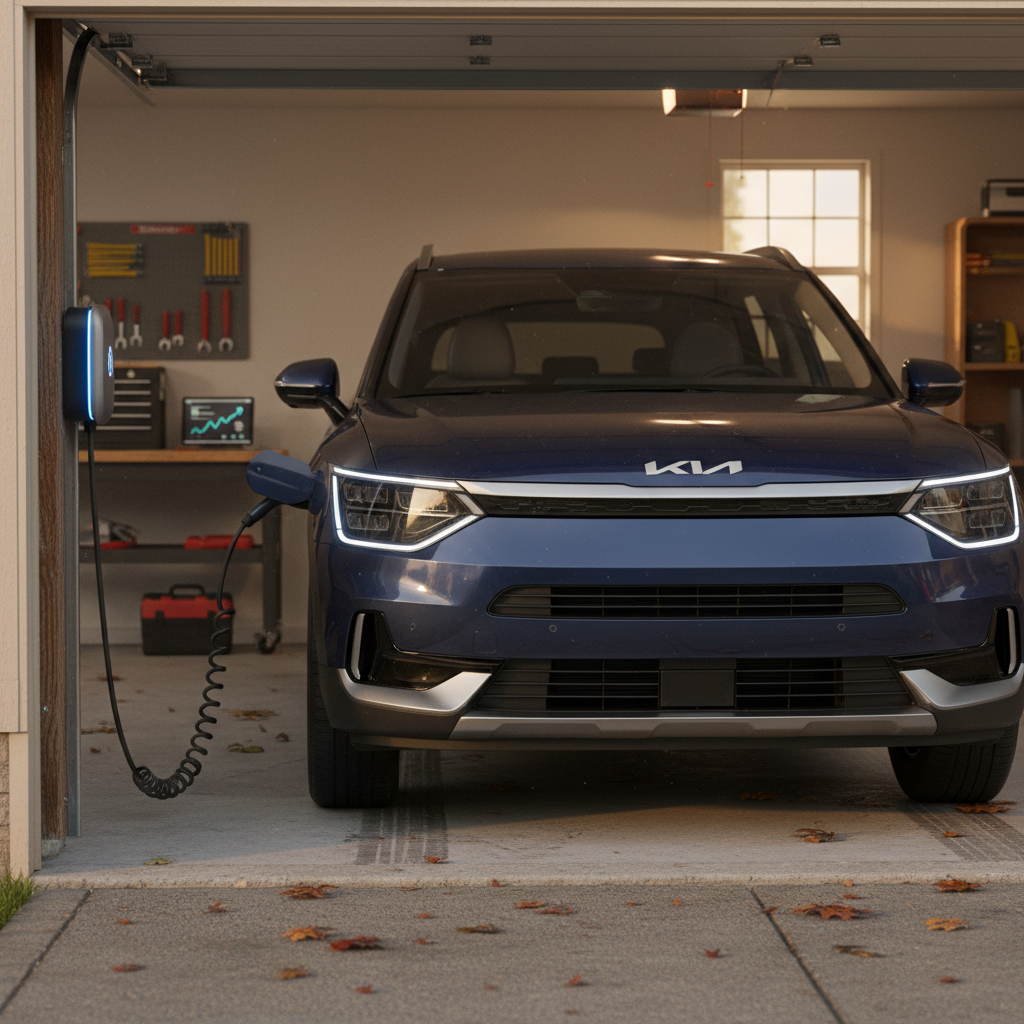
If you’re shopping for an electric car, you’ll quickly run into trim names that add “Dual Motor,” “Twin Motor,” or “AWD” on top of a base single-motor model. The core question behind all that marketing is simple: what’s the real single motor vs dual motor EV difference, and is it worth paying for the extra motor?
Quick definition
Single motor vs dual motor EVs: the basics
The industry doesn’t always use the same labels, but the mechanical differences are straightforward once you strip away the trim names.
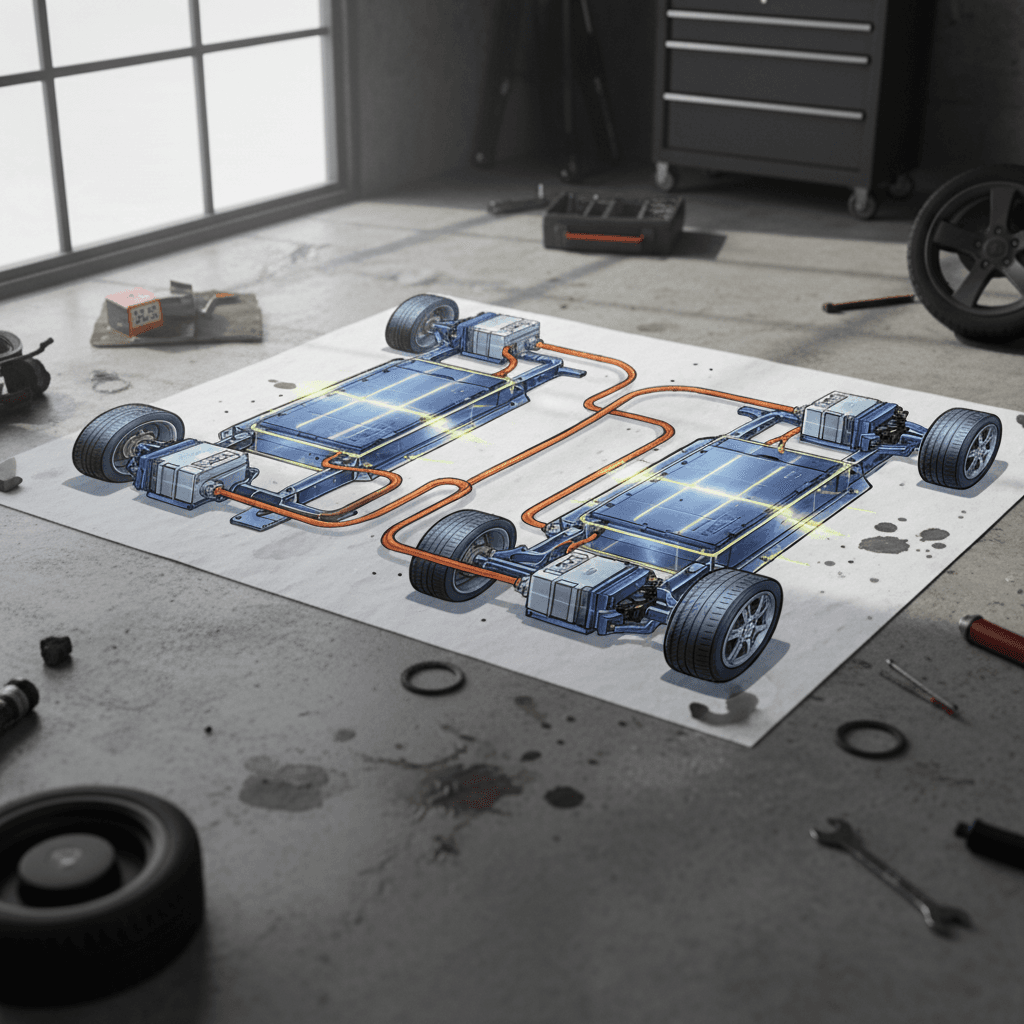
Typical single vs dual motor layouts
Same battery pack, different ways of putting power to the ground.
Single motor EV
- 1 motor on either the front or rear axle
- Drives two wheels through a differential
- Usually FWD (front-wheel drive) or RWD (rear-wheel drive)
- Fewer parts, lower weight and cost
Dual motor EV
- 2 motors, typically one front and one rear
- Each motor drives its own axle
- Almost always AWD with smart torque distribution
- More power, better traction, slightly more complexity
On paper, both versions may share the same battery size. What changes is how fast that energy can be turned into acceleration, how many wheels get power, and how efficiently the car uses each kilowatt-hour in real driving.
Watch the naming
How motor layout changes how an EV drives
Single motor: simpler and lighter
A single-motor EV typically weighs less and has fewer moving parts than its dual-motor counterpart. That can make it feel a bit more nimble and efficient in everyday driving. Many single-motor models are rear-wheel drive, which gives a balanced, traditional “push from behind” feel that driving enthusiasts tend to like.
Dual motor: traction and stability
A dual-motor EV can actively shuffle power between the front and rear axles in milliseconds. That improves stability in corners and gives you extra confidence when the road is wet, snowy, or unpaved. The second motor also means instant extra shove when you put your foot down, it’s like having a built-in sport mode.
How it feels from behind the wheel
Performance: how much quicker is a dual motor EV?
In almost every model line, the dual motor version is the performance king. You’re adding a second source of torque, and EVs are already specialists at instant torque delivery.
Real-world single vs dual motor performance examples
Representative numbers from popular EVs help show the pattern. Exact specs vary by model year and trim, but the relationships stay consistent.
| Model | Single motor layout | 0–60 mph (approx.) | Dual motor layout | 0–60 mph (approx.) |
|---|---|---|---|---|
| Volvo EX30 | RWD, single rear motor | ~5.3 seconds | AWD, front+rear motors | ~3.6 seconds |
| Tesla Model Y | RWD, single rear motor | ~6.0 seconds | AWD, front+rear motors | ~4.4 seconds (Long Range) |
| Cadillac Optiq (2026) | RWD, single rear motor (~315 hp) | ~6 seconds (est.) | AWD, dual motors (~440 hp) | ~4.5 seconds (est.) |
Dual motor trims generally trade a bit of range for much stronger acceleration and AWD traction.
Dual motor doesn’t always mean max performance
From a buyer’s perspective, the important point is that dual motor trims usually feel dramatically stronger when merging, passing, or climbing long grades. If you regularly load the vehicle with passengers or gear, or you plan to tow, those extra reserves can make day-to-day driving more relaxed.
Range and efficiency: does a second motor always hurt range?
The short answer: usually, but not by as much as you might think. A second motor adds weight and extra rotating mass, which tends to shave some range off the EPA estimate compared with an equivalent single-motor trim.
Typical single vs dual motor range patterns
That said, software can narrow the gap. Many dual motor EVs default to using primarily one motor in gentle cruising, waking the second motor only when you ask for more power or when traction demands it. On the highway, the efficiency difference can be smaller than the EPA label suggests.
How to think about range vs motors
Traction, weather, and towing: when AWD really matters
All-wheel drive is where dual motor EVs earn their keep for many owners. Even if you never floor the accelerator, having more driven wheels can change how confident the car feels when conditions turn ugly.
Where a dual motor EV makes a clear difference
Think about your worst driving days, not your best ones.
Snow and ice
Sending power to all four wheels helps get you moving and maintain control on slick roads. Modern stability systems can cut power to a slipping axle in milliseconds.
Heavy rain
Extra traction at both axles can reduce wheelspin when pulling away from a stop in standing water or climbing a wet on-ramp.
Towing & steep grades
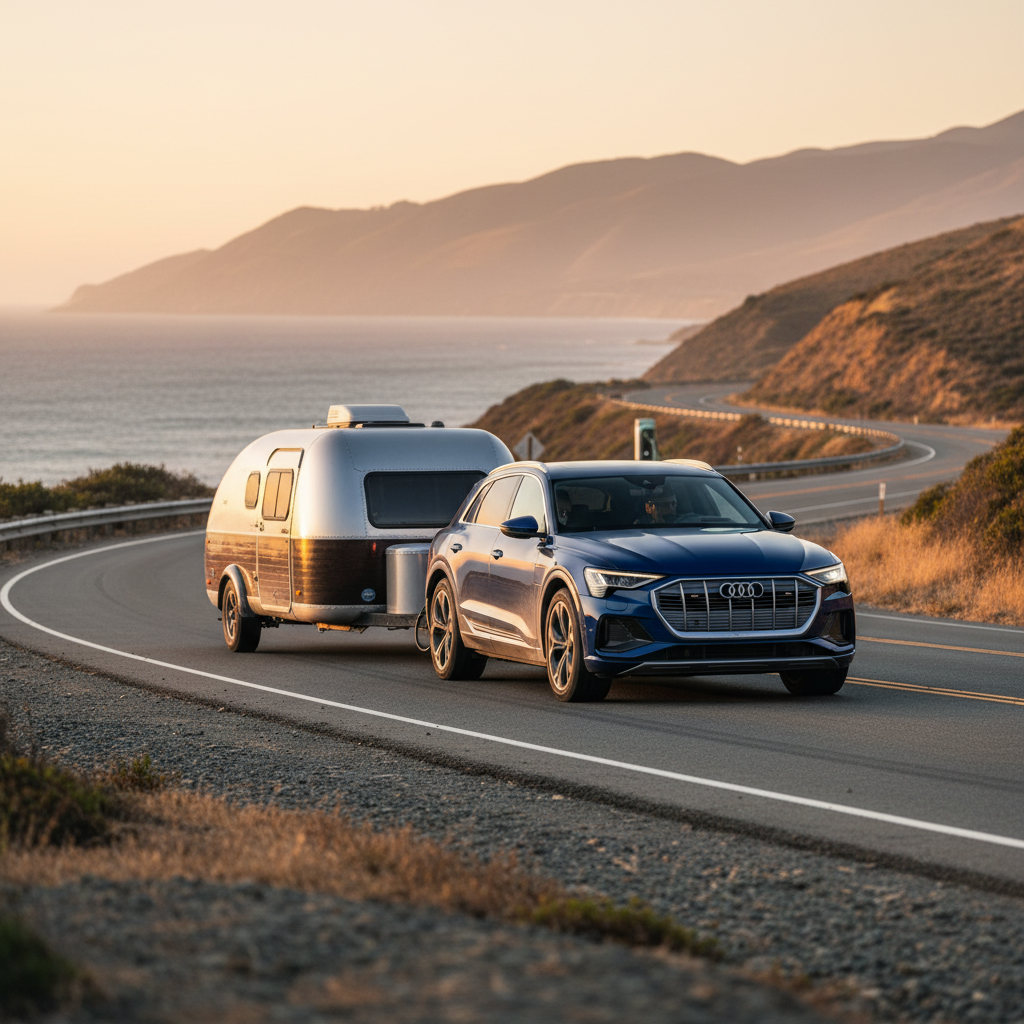
If your EV is rated to tow, the dual motor version usually tows more comfortably, especially on long mountain climbs in hot weather.
AWD isn’t a substitute for good tires
If you live in a mild climate and don’t tow, the traction advantage of AWD might only show up a few days a year. In that case, paying more for a dual motor system is mainly about performance and peace of mind, not necessity.
Cost, price, insurance, and maintenance differences
The extra motor never comes free. Automakers typically bake the added hardware, software, and sometimes upgraded brakes or wheels into a higher trim level.
Typical single vs dual motor cost differences
Numbers vary by brand, but this table shows how the extra motor usually shows up on the window sticker.
| Item | Single motor EV | Dual motor EV |
|---|---|---|
| MSRP | Lower base price | Typically +$2,000–$6,000 vs comparable single motor trim |
| Insurance | Slightly lower (less power, lower replacement cost) | Can be higher due to extra power and hardware |
| Energy cost | Lower, thanks to better efficiency | Slightly higher per mile |
| Maintenance | Fewer drive components | More components, but still simpler than a gas AWD system |
Dual motor trims are often bundled with other features, so the step up can be as much about equipment as motors.
Good news: no transfer case or driveshaft
From a dollars-and-cents standpoint, think of dual motor as a package: better traction and acceleration, plus often a nicer interior or more tech, at the cost of a higher payment and a small hit to efficiency.
Single vs dual motor when you’re buying a used EV
On the used market, the choice between single and dual motor gets more interesting. You’re not just weighing performance, you’re looking at value, battery health, and future resale.
How to evaluate single vs dual motor on a used EV
1. Compare trims, not just motors
A used dual motor EV may include premium audio, larger wheels, or a bigger battery. Make sure you’re comparing feature-for-feature, not just counting motors.
2. Look at real-world range today
Battery health matters more than motor count. Tools like the <strong>Recharged Score Report</strong> quantify remaining battery capacity so you know whether a dual motor car still meets your range needs.
3. Consider traction needs over the car’s lifetime
If you’re planning to relocate to a snowier climate or keep the vehicle for 8–10 years, having AWD in your back pocket can add flexibility and resale appeal.
4. Check tire history and replacements
Dual motor performance trims are often driven harder and may have more uneven tire wear. Inspect for cupping or mismatched tires that could hint at past abuse.
5. Balance purchase price with usage
If the dual motor version costs significantly more but you primarily drive in-city at moderate speeds, a well-priced single motor car with a healthy battery may be the smarter buy.
Where Recharged fits in
Which is right for you? Quick scenarios
Daily commuter in a mild climate
You drive mostly in-town or on highways in areas that see little snow, and range and price matter more than outright speed.
- Best fit: Single motor
- Why: Lower cost, slightly better range, still quick.
Snowbelt or mountain driver
You regularly see snow, ice, or steep grades, and you value confidence on bad-weather days.
- Best fit: Dual motor AWD
- Why: Extra traction and stability when conditions are worst.
Performance enthusiast or frequent tower
You care about 0–60 times, strong passing power, or you use all of your vehicle’s towing rating.
- Best fit: Dual motor (often performance trim)
- Why: Extra power makes the vehicle feel more relaxed when pushed.
A simple rule of thumb
FAQ: single motor vs dual motor EVs
Frequently asked questions
The bottom line for EV shoppers
The core single motor vs dual motor EV difference boils down to a trade: range and simplicity vs traction and performance. Single motor trims are generally cheaper, a bit more efficient, and still surprisingly quick. Dual motor versions add all-wheel drive and serious acceleration, at the cost of more upfront money and a small efficiency penalty.
Start by being honest about your driving: climate, typical mileage, towing, and how much you actually value speed. Then look at real numbers for range, power, and price on the specific trims you’re considering. If you’re shopping used, put battery health and model history at the top of your list.
Recharged was built to make those trade-offs easier to see. Every vehicle comes with a Recharged Score Report so you can compare single motor and dual motor examples of the same EV with clear, verified data on battery health, pricing, and specs. That way, whether you end up in the efficient single motor or the confident dual motor, you can be comfortable you chose the right tool for the job.