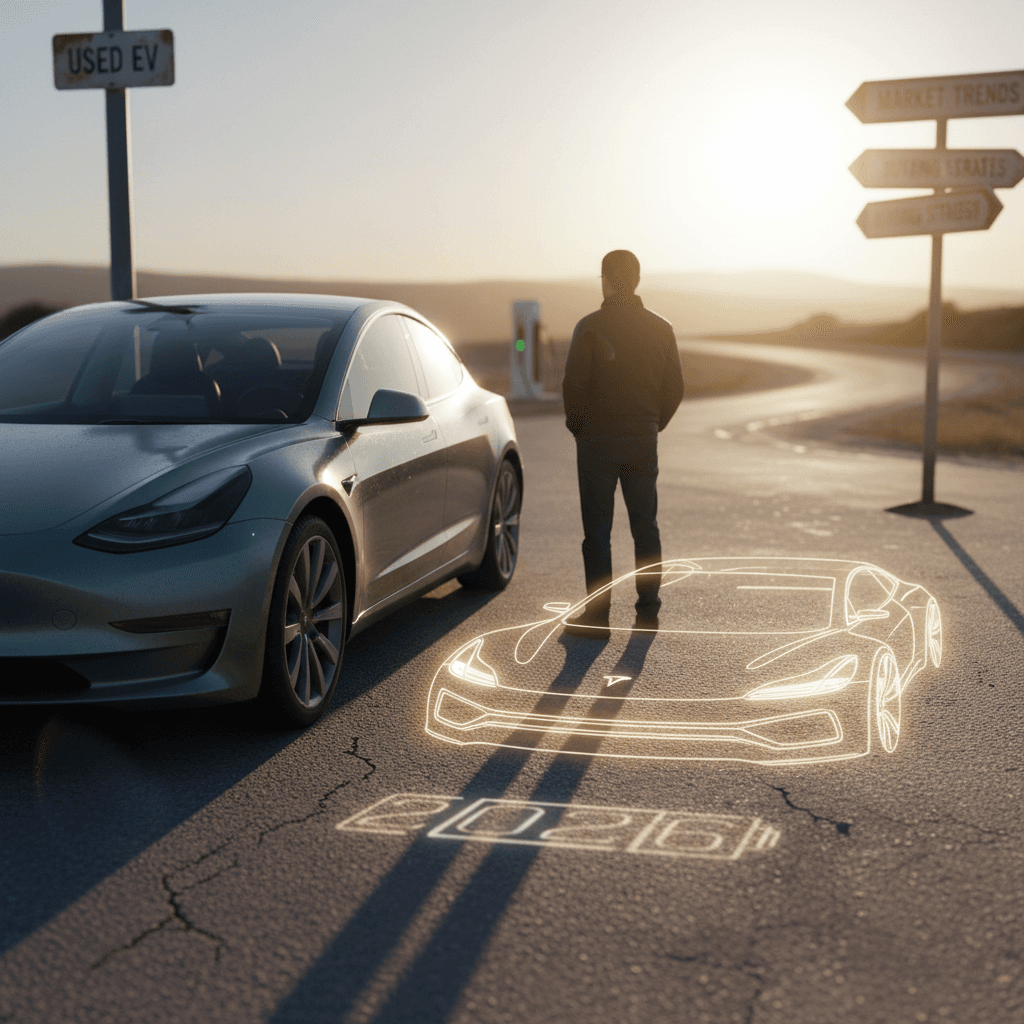
If you’re wondering “should I wait for a 2026 EV or buy now?”, you’re not alone. Between new models on the way, talk of solid‑state batteries, shifting tax credits, and a growing used EV market, the decision in early 2026 is more complicated than it was even a year ago. The good news: you don’t have to guess, there are clear situations where it makes sense to buy now and others where waiting is the smarter play.
Context: Where We Are in Early 2026
Buy Now or Wait for 2026 EVs? The Short Answer
You should lean toward buying now if:
- Your current car is costing you money in repairs or gas.
- You qualify for remaining federal or state EV incentives on a purchase in 2025.
- You’re open to a used EV with verified battery health and lower upfront cost.
- You mainly need a practical commuter or family car, not the latest bleeding‑edge tech.
You should lean toward waiting for 2026–2027 models if:
- Your current vehicle is fine for at least 18–24 months.
- You want a specific upcoming model (for example, new compact crossovers from Kia, VW, BYD or others announced for 2026).
- You care more about next‑gen features (longer range, faster DC charging, better ADAS) than saving on purchase price.
- You’re okay with possible higher financing costs and fewer incentives later.
How to Decide in One Sentence
What 2026 EVs Are Actually Bringing
A lot of the “should I wait for 2026 EVs?” conversation is driven by headlines. It’s worth separating hype from what’s actually scheduled or already happening in 2025–2026.
Key 2026 EV Trends to Know
Useful context before you decide to wait
More Affordable EVs
Incremental Range Gains
More Software & ADAS
Beware of “Concept Car” Thinking
EV Prices, Incentives, and the Clock Running Out
Price and incentives are where the “buy now or wait” decision gets very real. The policy landscape has shifted since the early days of the Inflation Reduction Act, and it matters whether you’re looking at new or used EVs.
Incentive Snapshot for Used EV Buyers
For new EVs, federal incentives have already narrowed to a shorter list of models that meet North American assembly and battery‑sourcing rules. For used EVs, the federal used clean‑vehicle credit of up to $4,000 is still in play for qualifying buyers and vehicles acquired on or before September 30, 2025. After that, under current law, there is no federal used EV credit for new purchases.
Why This Matters If You Wait
On the flip side, used EV prices themselves have softened compared with the 2021–2022 boom, as more off‑lease vehicles hit the market and early adopters trade up. That’s creating a window, right now, for value‑oriented buyers, especially if you stack a good purchase price with remaining incentives.
Used EVs in 2026: Opportunity or Risk?
The used EV market in 2026 is finally big enough to give you real choice, different body styles, ranges, and price points. The flip side is that battery health and depreciation vary a lot by model and use history. That’s where tools and transparency matter.
Pros and Cons: Buying a Used EV Now vs. Waiting
How timing affects your used EV opportunities
| Factor | Buy Used EV in 2025–Early 2026 | Wait for 2026–2027 Used EVs |
|---|---|---|
| Inventory | Growing, with plenty of 2019–2023 models returning from lease | Larger pool including more 2024–2025 models, but competition for “good” ones increases |
| Pricing | Softened from 2022 peaks; discounts and negotiation room common | Unclear, could stabilize or rise if new‑EV incentives fade and demand shifts used |
| Incentives | Federal used EV credit up to $4,000 still available for qualifying purchases before Sept 30, 2025 | No federal used EV credit under current rules for vehicles acquired after that date |
| Battery Tech | Mostly proven NMC/LFP packs with real‑world data on degradation | Slightly newer chemistries and packs, but limited long‑term data |
| Transparency | Growing access to battery‑health tools like the Recharged Score | Better tools likely, but you’ll be competing with more buyers using them |
Use this to sanity‑check whether you’re really gaining anything by waiting.
How Recharged Reduces Used‑EV Risk
Battery Tech Now vs. 2026: Is a Breakthrough Worth Waiting For?
A big reason people say they’ll “wait for 2026 EVs” is the belief that a game‑changing battery is right around the corner. There’s real innovation happening, but it’s important to understand the timeline.
Battery Tech: What’s Real and What’s Hype
How much better will 2026 batteries really be for everyday drivers?
Today’s Mainstream Batteries
Solid‑State & Next‑Gen Packs
What This Means for You
Who Should Buy an EV Now
For a lot of shoppers, the math still favors buying in 2025–early 2026, especially if you look at total cost of ownership instead of just the sticker.
Buy Now If You Recognize Yourself Here
Your gas or repair bills are climbing
If you’re sinking money into keeping a combustion car alive, or driving a long commute on expensive fuel, the savings from lower running costs in an EV can quickly outweigh any marginal tech improvements you might get by waiting.
You qualify for EV incentives today
If your income and the vehicle price fall within incentive rules, waiting could literally cost you thousands of dollars in lost credits once federal and state programs sunset or tighten further.
You’re flexible on make and model
If you care more about <strong>value and reliability</strong> than having the very latest dashboard UI, you can often find a 2–4‑year‑old EV that meets your range and space needs at a substantial discount versus new.
You want predictability, not speculation
Buying now with transparent battery‑health data and known incentives is less risky than betting on an unpriced, unproven 2026 model that might launch late or above budget.
Realistic Range Is More Important Than Maximum Range
Who Should Seriously Consider Waiting
Waiting isn’t always a mistake. For some shoppers, especially enthusiasts or buyers with very specific needs, 2026–2027 EVs could genuinely be a better fit.
- You want a specific upcoming model that fills a gap, like a particular compact crossover, off‑road capable EV, or three‑row electric SUV that hasn’t launched yet.
- You’re focused on latest‑gen driver‑assist and software, hands‑free highway driving, richer infotainment, or deeper app integration.
- You don’t qualify for current incentives, so there’s less downside if credits narrow or expire.
- Your current vehicle is paid off, reliable, and cheap to run, so delaying a purchase doesn’t cost you much.
- You’re comfortable paying a bit more in exchange for newer tech and potentially higher resale value down the line.
Waiting Only Works If You Use the Time Well
Checklist: New vs. Used EV, Which Lane Are You In?
Another angle on the “wait or buy” question: are you fundamentally a new‑car buyer or a used‑car buyer? The answer shapes your timing strategy.
If You’re Leaning New
- Make a list of 3–5 current EVs you like and check which still qualify for federal and state incentives.
- Compare out‑the‑door pricing today with conservative estimates for 2026 models (MSRP plus likely interest rates, with no guarantee of credits).
- Decide how important it is to you to have the latest safety and software versus saving several thousand dollars now.
- Consider that early production years sometimes see more recalls and software bugs than later years.
If You’re Leaning Used
- Decide your minimum acceptable real‑world range (for example, 220, 260, or 300+ miles).
- Focus on used models known for strong battery reliability and charging performance, not just the lowest price.
- Insist on independent battery‑health verification, a specialty of platforms like Recharged’s Score Report.
- Time your purchase before September 30, 2025 if you want a shot at the federal used EV credit (and you qualify).
How Recharged Helps You De-Risk a Used EV Purchase
Buying used is where the “wait or buy now” question feels riskiest, especially if you’re worried about battery health or overpaying. That’s exactly the problem Recharged was built to solve.
What You Get When You Shop Used EVs with Recharged
Designed to remove guesswork from used EV buying
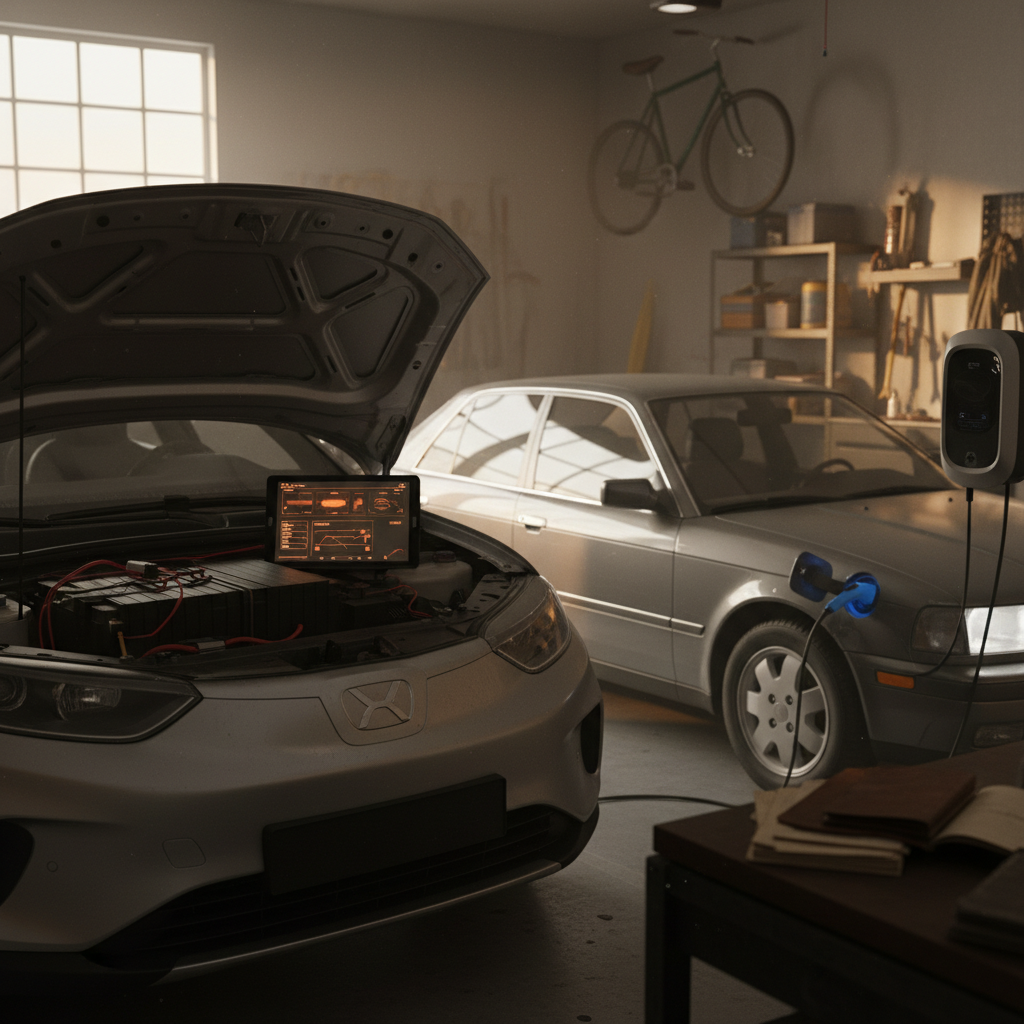
Recharged Score Battery Diagnostics
Fair Market Pricing
Expert, EV‑Specialist Support
Ready to find your next EV?
Browse VehiclesIf you decide to buy now rather than wait, that combination, battery transparency, pricing grounded in data, and EV‑savvy support, can make a used EV feel much less like a gamble and much more like a smart, timed investment.
FAQs: Waiting for 2026 EVs vs Buying Now
Frequently Asked Questions
The Bottom Line: A Decision You Won’t Regret
Whether you should wait for a 2026 EV or buy now ultimately comes down to your current vehicle’s costs, your eligibility for incentives, and how much you value the latest tech versus proven, fairly priced options. If your gas or repair bills are climbing and you qualify for credits, a thoughtfully chosen used EV with verified battery health, or a discounted new one, can make financial sense right now. If your car is paid off, your needs are niche, and you’re chasing specific future models, waiting can be reasonable, as long as you go in with clear eyes about pricing and incentives.
If you’re ready to explore the “buy now” path, browsing used EVs with Recharged is a low‑risk way to start. Every vehicle comes with a Recharged Score battery‑health report, fair‑market pricing, EV‑savvy support, flexible selling options for your current car, and nationwide delivery. That way, even if you decide not to wait for 2026, you’re still buying with the kind of transparency and data that makes the decision feel like progress, not a gamble.