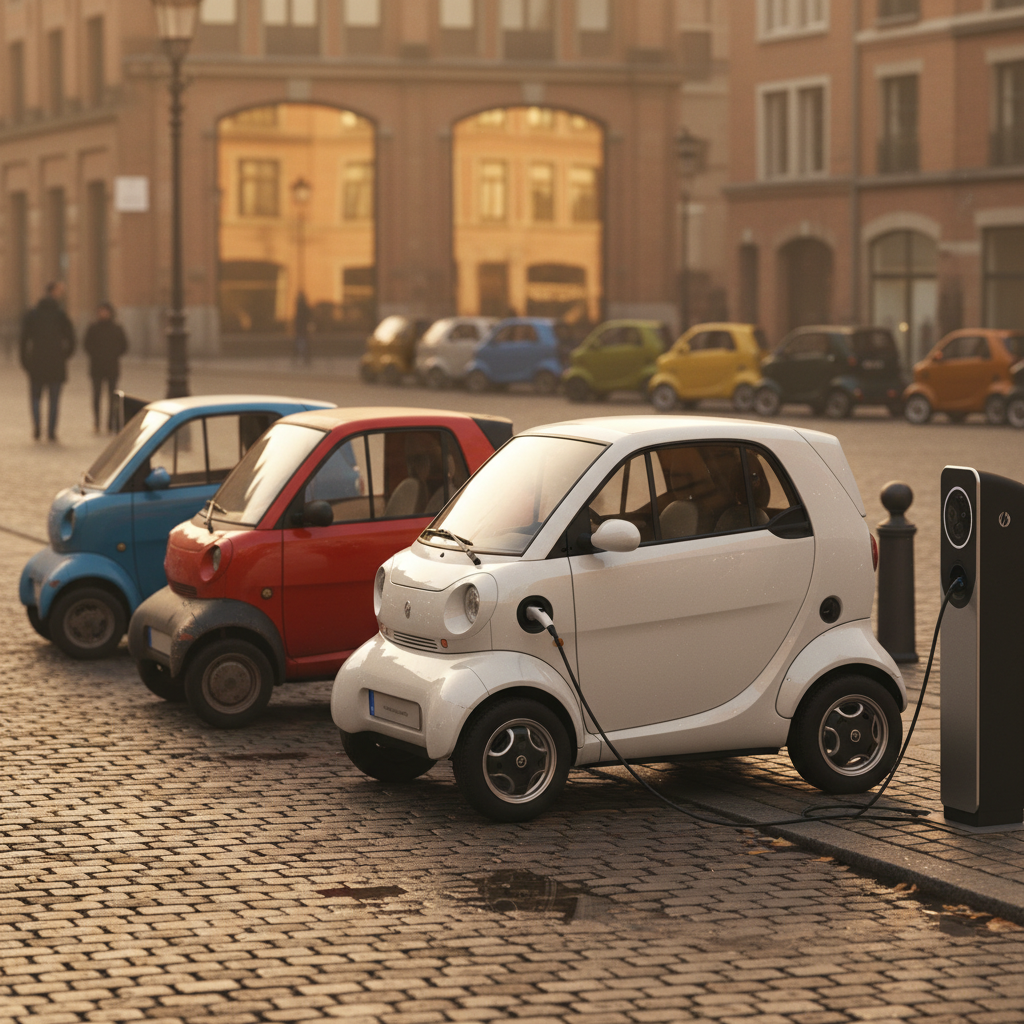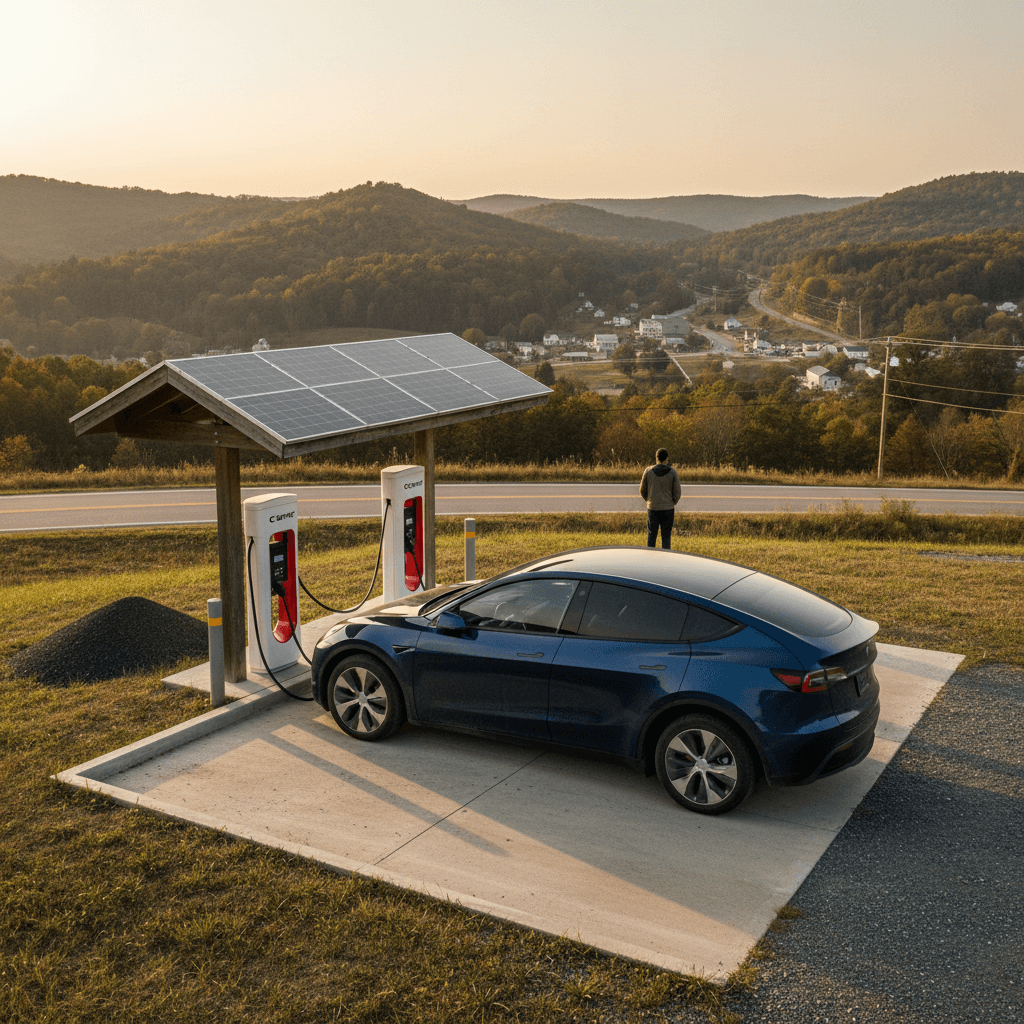
If you live in West Virginia, you’ve probably heard that electric vehicles are “only for cities” or that they “won’t work in the mountains.” At the same time, gas isn’t getting cheaper, and more used EVs are showing up on the market. So should you switch to an electric car in West Virginia, or stick with gas? This guide walks through costs, charging, winter driving, and realistic use cases so you can make a grounded decision, not just follow a trend.
A quick reality check
Is an electric car right for West Virginia drivers?
Key facts that shape EV ownership in West Virginia
Put bluntly, West Virginia is not yet an EV utopia. Public charging is sparse away from the interstates, coal still dominates the grid, and many people live in rentals or mobile homes without easy access to a garage. On the other hand, electricity is relatively affordable, many commutes are short, and a growing supply of used EVs can dramatically cut your fuel and maintenance bills. The question isn’t “Are EVs perfect here?” but **“Does an EV fit the way *you* actually drive and live?”**
How to use this guide

How West Virginia’s energy and driving patterns affect EVs
Electricity, coal, and your fuel costs
West Virginia’s grid is still overwhelmingly powered by coal, with only a small share of wind and hydro. From a climate perspective, that means the carbon advantage of an EV is smaller here than in most states, though still positive over the vehicle’s lifetime as the grid slowly cleans up.
For your wallet, what matters is that residential electricity prices in West Virginia hover in the mid‑teens per kWh, slightly below the national average and far more stable than gasoline. That stability is one of the quiet advantages of going electric in a coal-heavy state.
Rural, hilly, and often low‑mileage driving
Many West Virginians drive relatively short daily distances, 10 to 40 miles round‑trip, but mix those with occasional long trips on I‑64, I‑77, or I‑79. That pattern lines up well with what EVs do best: repeatable daily routes you can cover from home charging, plus a handful of road trips that take some extra planning.
Where it gets tricky is for drivers who regularly tow, drive gravel roads far from interstates, or rack up 25,000+ miles per year. In those edge cases, the EV benefits are real but the compromises are, too.
Don’t buy an EV to “save the planet” on its own
Running costs: gas vs electric in West Virginia
Let’s put some rough numbers on the “should I switch to electric car in West Virginia” question. We’ll compare a typical compact gas car to a reasonably efficient EV using current energy prices.
Typical fuel cost comparison in West Virginia
Illustrative example using round numbers, your exact costs will vary by model and driving style, but the pattern is consistent.
| Scenario | Assumptions | Cost per mile | Annual fuel cost (12,000 miles) |
|---|---|---|---|
| Efficient gas car | 32 mpg, $3.25/gal gas | ≈10¢/mile | ≈$1,200 |
| Average pickup/SUV | 20 mpg, $3.25/gal gas | ≈16¢/mile | ≈$1,920 |
| Efficient EV at home | 3.0 mi/kWh, 15¢/kWh power | ≈5¢/mile | ≈$600 |
| Less efficient EV at home | 2.5 mi/kWh, 15¢/kWh power | ≈6¢/mile | ≈$720 |
Electricity in West Virginia is cheaper and more stable per mile than gasoline, especially if you can charge at home.
Even with conservative assumptions, **home‑charging an EV typically cuts your fuel cost per mile by roughly half** compared with a decent gas car, and by far more compared with a thirsty SUV or pickup. Over five years, that can easily mean several thousand dollars in avoided fuel spending, before we even talk about oil changes, brakes, and other maintenance you’ll mostly skip with an EV.
What about purchase price and incentives?
Charging infrastructure in West Virginia today
Charging is where the West Virginia picture looks very different from a place like Maryland or New Jersey. Public chargers are growing, thanks in part to federal NEVI funding along interstate corridors, but coverage away from major highways is still thin. That reality is survivable if you can charge where you live; it’s a serious constraint if you can’t.
Where you’ll actually find chargers in West Virginia
Think of public charging as a safety net, not your primary fuel source, especially in rural areas.
Interstate corridors
Fast chargers are most common along I‑64, I‑77, I‑79, and border crossings into Ohio, Pennsylvania, and Virginia. Great for through‑travelers and occasional road trips.
Urban clusters
Charleston, Huntington, Morgantown, and a few university towns have a mix of Level 2 and DC fast chargers in parking garages, shopping centers, and campuses.
Rural gaps
Once you get onto two‑lane highways and hollows, public chargers can be 40–80 miles apart or simply nonexistent. In those areas, home charging is non‑negotiable.
Apps you should install before you buy
Home charging in a house, mobile home, or apartment
In dense coastal cities, you sometimes hear, “You don’t need home charging; public is enough.” In most of West Virginia, the opposite is true: **home charging is what makes an EV feel easy**. The details depend heavily on your housing situation.
Home charging options for West Virginians
1. Own a house with a driveway or garage
You’re in the best position. Many EV owners simply plug into a regular 120‑volt outlet (Level 1) overnight for 30–50 miles of range per day. Adding a 240‑volt Level 2 circuit can give you 20–40 miles of range per charging hour and future‑proof you for larger batteries.
2. Live in a mobile home or manufactured housing
If you have a dedicated parking pad with electrical service nearby, a licensed electrician can often add a 240‑volt outlet, but the panel may be limited. Have an electrician evaluate capacity and safety, especially in older setups, before you assume Level 2 is possible.
3. Rent a house
You’ll need your landlord’s permission to add outlets or a wall‑mounted charger. The lowest‑friction option is often a <strong>plug‑in Level 2 unit</strong> that uses a standard NEMA 14‑50 outlet, which can later be repurposed for other appliances if you move.
4. Apartment or condo parking lot
This is the hardest scenario in West Virginia, where landlord‑installed chargers are still rare. Unless your building already offers charging, or is firmly committed to adding it, owning an EV can be frustrating. In this case, a hybrid or very efficient gas car may be the better bridge option.
Do NOT rely on public charging if you can’t plug in at home
Winter, mountains, and range: what to expect
Cold weather, elevation changes, and steep grades all work against range. That doesn’t mean EVs are unusable in Appalachian winters; it does mean you can’t treat the EPA range sticker as gospel.
- Most EVs lose about 20–30% of their rated range in freezing conditions, even more on short trips where the cabin and battery are constantly reheating.
- Mountain driving adds extra consumption on long climbs, then gives some back on the way down through regenerative braking.
- Heated seats and steering wheels use little energy; blasting the cabin heat uses much more.
- Pre‑conditioning (warming the cabin and battery while plugged in) is a big help on cold mornings, especially if you leave at the same time each day.
How much range do you really need?
Who should, and should not, switch to an EV in West Virginia
Good candidates for an EV
- Daily commute under ~60 miles round‑trip, with fairly predictable routes.
- Access to overnight charging at home (even just a normal wall outlet).
- Mostly paved roads, with occasional highway trips that follow interstates or corridors with known chargers.
- You’d like to cut fuel and maintenance costs and keep the vehicle 5–10 years.
- You can keep a gas vehicle in the household for the rare, truly remote or towing‑heavy trip.
Situations where a gas or hybrid may be smarter, today
- No reliable home charging and no realistic way to add it.
- You regularly drive 200+ miles into rural areas where public charging is nonexistent.
- You tow heavy loads often, or work out of your truck in areas far from any plugs.
- You’re buying one vehicle that needs to do absolutely everything for your household, with no backup.
- You simply can’t stomach route‑planning around the current charger map, totally understandable in a state this rural.
A common West Virginia sweet spot
Choosing the right EV for West Virginia roads
If you’ve decided an EV could work for your life in West Virginia, the next question is *which one*. The “best EV” lists you see online often assume mild weather and dense charging; your reality involves mountains, winter, and long gaps between towns.
Features that matter more in West Virginia than in flat states
Prioritize practicality over bleeding‑edge tech.
Realistic highway range
Look for at least 220–250 miles of EPA range if you plan regular interstate trips. Smaller batteries can work for pure city/commuter use with strong home charging.
Cold‑weather package
Heated seats and steering wheel are more important than a giant touchscreen. A well‑tuned heat pump system can also reduce winter range loss.
Ground clearance and traction
If you live on a steep driveway or unpaved road, consider EVs with all‑wheel drive or higher ride height, compact crossovers often beat low sedans here.
Use battery health, not just mileage, when buying used
Buying used to make the math work
Because West Virginia offers no state‑level purchase incentives and federal rules have become more complex, the cleanest path for many households is a **used EV with a healthy battery at a fair price**. That keeps your monthly payment reasonable while letting you harvest the big savings on fuel and maintenance.
Why used EVs often make the most sense here
High‑level comparison, exact numbers depend on models, interest rates, and trade‑in values.
| Factor | New EV | Used EV (via marketplace like Recharged) |
|---|---|---|
| Purchase price | Highest; incentives limited by model and income rules | Lower; depreciation already took the big hit |
| Battery uncertainty | Warranty helps, but long‑term health unknown | Can be offset by third‑party battery health reports (like the Recharged Score) |
| Monthly payment | Higher, often offsetting some fuel savings | More manageable for typical WV incomes |
| Selection | Latest tech, longer ranges | Mix of value‑oriented models ideal for commuting |
Lower purchase price plus lower running costs is where EVs become compelling in coal country.
Where Recharged fits in
How to test if you’re ready: step-by-step
A practical roadmap to deciding if an EV fits your life
1. Log your real driving for 2–3 weeks
Use your phone or your current car’s trip computer to track daily miles and the longest single day in that period. Many people overestimate how far they drive.
2. Map your key routes to chargers
Open PlugShare and map work, school, grocery, family visits, and your usual weekend spots. Are there Level 2 or DC fast chargers along those routes or near stops you’d make anyway?
3. Inspect your home electrical situation
Check where you park relative to your breaker panel. Snap photos and, if you’re serious, have a local electrician estimate the cost of adding a 120‑ or 240‑volt outlet near your parking spot.
4. Decide whether you’ll keep a gas backup
If your household will still have a truck or SUV, you can prioritize an EV that excels at commuting and errands. If the EV must do it all, be stricter about range and charging access.
5. Run total cost of ownership numbers
Compare a used EV’s payment plus electricity, insurance, and maintenance to a similar gas car over 5–8 years. A marketplace like Recharged makes this easier by surfacing battery health and fair pricing upfront.
6. Take an extended test drive
Don’t just loop the dealer lot. Drive an EV on your steepest hills, roughest local roads, and favorite highway stretch. Pay attention to how regenerative braking feels on long descents and how comfortable you are with range estimates.
FAQs about switching to an EV in West Virginia
Common questions from West Virginia drivers
Bottom line: should you switch?
In a state like West Virginia, the answer to “Should I switch to an electric car?” is rarely a simple yes or no. For a homeowner with a predictable commute, a driveway outlet, and a backup gas vehicle in the family, a used EV can quietly slash fuel and maintenance costs while handling 80–90% of daily driving with little drama. For a renter in a charger‑less apartment who spends weekends deep in the mountains far from interstates, a full EV in 2026 is more compromise than upgrade.
If you’re on the fence, take a methodical approach: log your driving, study the charger map for your routes, get an electrician’s opinion on home charging, and compare total cost of ownership, not just the sticker price. When you’re ready to explore specific vehicles, a used‑EV marketplace like Recharged can help you filter by range, price, and verified battery health so your first electric car is a good fit for West Virginia roads, not just for a spec sheet.