If you live in South Carolina and keep asking yourself, “should I switch to an electric car?,” you’re not alone. With EV prices coming down, gas still volatile, and more chargers popping up from Greenville to Charleston, 2026 is a realistic time to run the numbers and see if an EV fits your life in the Palmetto State.
Quick answer
Is an electric car right for South Carolina drivers?
South Carolina’s EV picture in 2026
South Carolina started as a laggard on EVs, but the picture is changing fast. Public chargers have roughly doubled in just a few years, and the state is receiving about $70 million in federal NEVI funding to build fast chargers along major highways. At the same time, there’s still no state-level purchase rebate, and rural coverage remains patchy. That means your personal situation, where you live, how you park, and how far you drive, matters more here than in, say, California.
Who tends to benefit most from an EV in South Carolina?
Three common scenarios we see from SC shoppers
Suburban homeowners
Best fit: Greenville, Columbia, Charleston suburbs with a driveway or garage.
- Easy overnight home charging.
- Regular commutes under 60 miles round-trip.
- Occasional in-state road trips.
Urban & in-town drivers
Good fit if charging works: Apartment or townhouse near Level 2 or workplace charging.
- Short daily mileage.
- Access to at least one reliable charger.
- Can plan around charging stops.
High‑mileage commuters
Strong financial case: 15,000–20,000+ miles per year, mostly highway.
- Fuel savings stack up quickly.
- Need home or dependable workplace charging.
- Public fast charging as backup, not primary.
How to think about the decision

How EV costs compare to gas in South Carolina
Fuel: electricity vs. gas
Residential electricity in South Carolina averages around 14 cents per kWh, a bit below the US average. A typical EV uses about 28–32 kWh per 100 miles, so you’re paying roughly $4.00–$4.50 in electricity per 100 miles when charging at home.
If your gasoline car averages 28 mpg and gas is $3.25 per gallon, you’re paying about $11.60 per 100 miles. That’s nearly 3× the fuel cost of an efficient EV charged at home.
Maintenance and repairs
EVs don’t need oil changes, timing belts, spark plugs, or transmission service. You still have tires, cabin filters, brake fluid, and alignment, but routine maintenance is typically 25–40% lower over time compared with a similar gas car.
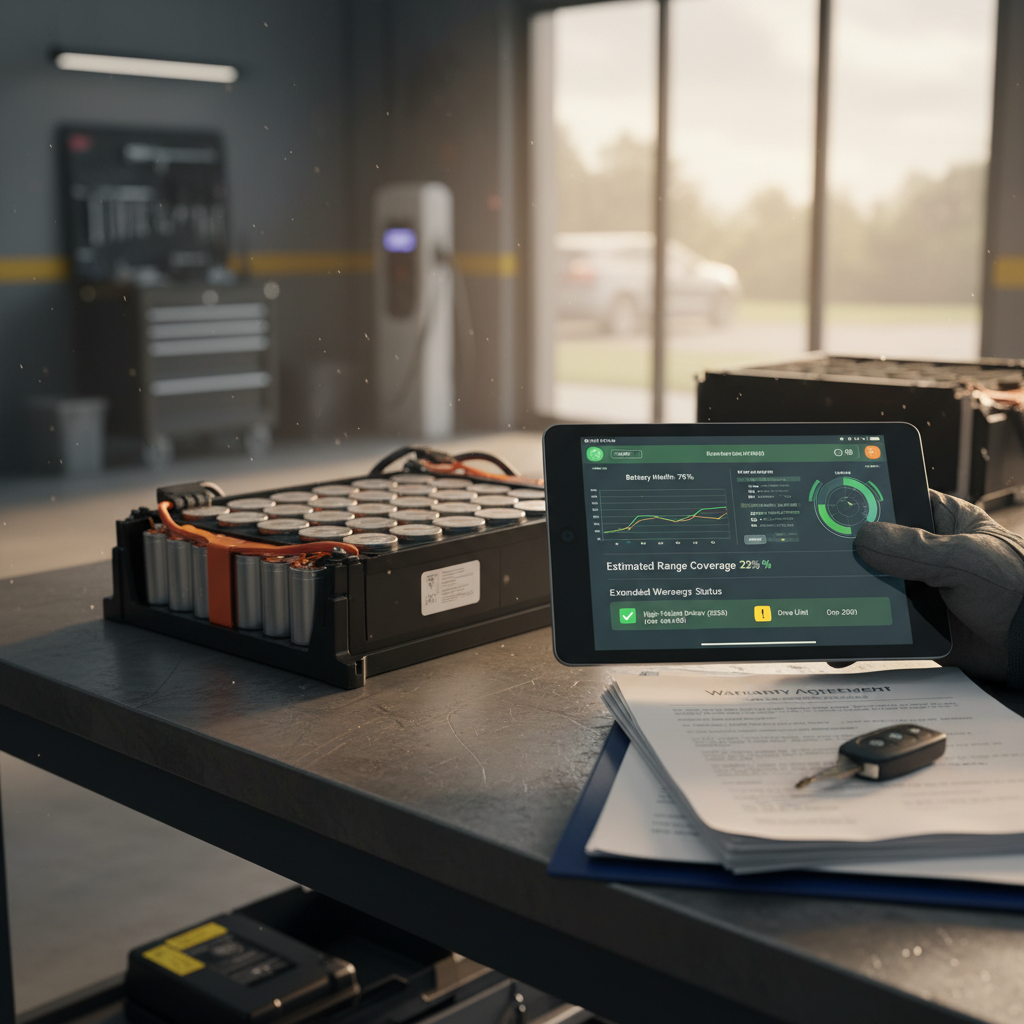
Where EVs can get expensive is out-of-warranty battery or electronics work. That’s one reason buying a used EV from a seller who can show battery health, rather than guessing, is so valuable.
Simple 5‑year cost snapshot in South Carolina
Very rough illustration for a typical commuter driving 12,000 miles per year. Your numbers will vary based on your specific vehicle, payment, and energy prices.
| Item | Gas Sedan (28 mpg) | Electric Compact (250‑mile range) |
|---|---|---|
| Fuel/energy per year | ~$1,390 | ~$540 (home charging) |
| Routine maintenance per year | ~$650 | ~$400 |
| Home charging equipment (amortized) | N/A | ~$150/year (over 5 years) |
| Total operating cost per year | ~$2,040 | ~$1,090 |
| 5‑year operating total | ~$10,200 | ~$5,450 |
Assumes stable pump prices and electricity rates. Real-world savings are often better when gas spikes.
Don’t forget purchase price and depreciation
Incentives and fees for EVs in South Carolina
Unlike some neighbors, South Carolina does not currently offer a state income-tax credit or direct rebate for buying an electric vehicle. The major financial help comes from federal incentives (which are phasing down) and from utility programs aimed at home charging.
What money is on the table in 2026?
The landscape is shifting, so always verify before you sign a contract.
Federal new‑EV tax credit
Through September 30, 2025, qualifying new EVs may still be eligible for up to $7,500 in federal tax credits. After that, current law dramatically scales back federal incentives.
If you’re considering new, timing matters.
Utility charger incentives
Several SC utilities have offered rebates or bill credits for installing Level 2 home chargers or for off‑peak EV charging. Programs change often, but it’s common to see several hundred dollars of value over a few years.
Check Duke Energy, Dominion Energy, Santee Cooper, or your local co‑op.
Extra EV registration fee
Like many states, South Carolina charges an additional annual fee on EV registrations to make up for lost gas tax revenue. It’s worth factoring this into your budget, but it typically doesn’t outweigh your fuel savings.
Leasing vs. buying and the federal credit
Can you charge comfortably where you live?
For South Carolina drivers, this is the make‑or‑break question. Today there are over 700 public charging stations across more than 120 cities in the state, with the heaviest coverage in Greenville, Charleston, Columbia, Myrtle Beach, Hilton Head, Spartanburg, Rock Hill, and along the I‑26 and I‑95 corridors. That’s a big improvement from just a few years ago, but not every neighborhood feels “effortless” yet.
Home charging (ideal)
- Best case: A 240‑volt Level 2 charger in your garage or driveway. This adds roughly 25–35 miles of range per hour, easily refilling most batteries overnight.
- Good enough: A regular 120‑volt outlet (Level 1). You’ll only get 3–5 miles of range per hour, but for short commutes it can work.
- Installation: Budget $700–$1,500 for a dedicated 240‑volt circuit and charger if you don’t have one. Always use a licensed electrician.
Public and workplace charging
- Level 2 in public places: Common at offices, hospitals, hotels, and parking garages in SC’s larger cities. Great for topping up while you work or shop.
- DC fast charging: Found along key highways and in larger metros. Ideal for road trips and emergency top‑ups, but too pricey and inconvenient for daily use.
- Apartment living: Without a dedicated space, you’ll need reliable access to public or workplace chargers and a willingness to plan.
Test‑drive your charging life before buying
What driving habits make an EV a good fit?
EVs shine in certain use cases and feel compromised in others. South Carolina’s mix of coastal towns, interstates, and rural stretches means your pattern matters more than your ZIP code.
Driving patterns that favor going electric
1. You commute most days
If you drive 25–60 miles round‑trip on most weekdays, an EV lets you turn nightly charging into a habit and avoid gas stations almost entirely.
2. You rack up 10,000+ miles per year
The more you drive, the faster fuel and maintenance savings can offset a higher purchase price. High‑mileage commuters and sales reps are often ideal EV candidates.
3. You mostly stay in SC or nearby states
South Carolina’s corridor of fast chargers makes in‑state travel easier every year. If you routinely road‑trip to very rural areas with limited infrastructure, a plug‑in hybrid or keeping a gas backup may feel safer for now.
4. You don’t tow heavy loads often
Towing a boat to Lake Murray or a camper into the mountains can slash EV range. If heavy towing is part of your lifestyle most weekends, an EV truck might still feel like a compromise today.
5. You’re comfortable planning road trips
An EV road trip across the Southeast in 2026 is absolutely doable, but you’ll use apps instead of instincts. If you hate planning fuel stops, factor that in.
Who tends to love their first EV
Common concerns: battery life, heat, and hurricanes
Talking with shoppers in the South, I hear the same worries over and over: “Will the battery last?”, “Won’t our heat destroy range?”, and “What happens when a hurricane knocks out power?” They’re all fair questions, and manageable with clear expectations.
Three big South Carolina EV worries, addressed
What’s real, what’s overblown, and how to protect yourself
Summer heat & range
High heat can temporarily reduce range and, over years, contribute to battery wear, especially if the car sits fully charged in the sun.
What you can do: Park in shade when possible, avoid leaving the battery at 100% for days, and use scheduled charging so it finishes just before you leave.
Storms & outages
If a major storm cuts power for several days, home charging may be out, just like gas stations without electricity.
Plan ahead: Top off your battery before a storm, and know which public DC fast chargers are on more resilient circuits or have backup power in your area.
Long‑term battery life
Most modern EVs are engineered to retain the vast majority of their range past 8–10 years. The real‑world spread is wide, though.
Protect yourself: Buy a used EV with verified battery health data, not just a dash gauge and a guess.
The risk of buying blind on battery health
Why consider a used EV instead of new?
New EVs get the headlines, but in a value‑conscious state like South Carolina, the used EV market is where many smart buys live. Early buyers already absorbed the biggest depreciation hit, yet you can still enjoy low running costs and modern tech.
Advantages of buying a used EV in South Carolina
Especially when you have trustworthy battery information
Lower purchase price, faster payback
Because EVs depreciated quickly in the early years, a 3–5‑year‑old model can cost dramatically less than new. That smaller upfront cost means your fuel and maintenance savings show up faster in your budget.
With a used EV, you may give up the federal credit, but you’re also not paying new‑car money.
Less guesswork with the right seller
Buying from a private seller or a dealer who doesn’t specialize in EVs can feel like rolling the dice on battery health.
Recharged was built to fix that. Every vehicle we sell includes a Recharged Score Report with verified battery diagnostics, fair‑market pricing, and expert EV guidance. That’s especially helpful if you’re a first‑time EV buyer in South Carolina, still getting your bearings.
Good used‑EV candidates for SC
Step-by-step: should you switch to an EV in SC?
A simple 7‑step decision framework for South Carolina drivers
1. Map your daily and weekly driving
Write down your typical weekday mileage, your longest regular trip, and how many true road trips (200+ miles each way) you take per year. This grounds your decision in reality, not impressions.
2. Evaluate your parking and charging options
Do you have a garage, carport, or driveway? Can you run a 240‑volt line there? If you rent, is your landlord open to installing a charger, or is there reliable charging in your complex or at work?
3. Check your electric service and utility programs
Look at your current electric panel capacity and ask a licensed electrician what a Level 2 charger would involve. Then call your utility about any EV‑specific rates or rebates for home chargers.
4. Estimate your true fuel and maintenance savings
Use your current fuel receipts and miles driven to estimate annual gas costs. Then compare to an EV using ~30 kWh per 100 miles at your electric rate. Add realistic maintenance savings, not wishful thinking.
5. Decide how you’ll handle edge cases
If you have a boat, camper, or regular long‑distance tow, will you keep a gas vehicle in the household? Rent when needed? Or consider a plug‑in hybrid instead?
6. Choose your purchase strategy
If you value lower risk and upfront cost, a used EV with a documented battery report is often the sweet spot. If you prefer the latest tech and may still catch the federal credit before late 2025, new can work, just be clear on total cost.
7. Test the experience before committing
Rent an EV for a weekend from a major airport or peer‑to‑peer service. Do your actual commute, your usual errands, maybe a short trip to the beach or mountains. Notice what feels better than your current car, and what would take adjustment.
FAQs about switching to an EV in South Carolina
Frequently asked questions
Bottom line: should you switch now or wait?
If you live in a South Carolina metro area, can charge at home or work, and drive at least 10,000 miles a year, an electric car in 2026 is more than a feel‑good choice, it’s usually a smart financial one. You’ll trade gas station stops for overnight charging, cut your running costs, and drive something that’s simply easier in day‑to‑day use.
If you rely entirely on street parking, live in a rural pocket far from today’s charging corridors, or regularly tow long distances, the case is more nuanced. A plug‑in hybrid or waiting a couple of years for further build‑out might better match your reality. In the meantime, you can still watch the market, learn the tech, and plan for a smoother transition.
Either way, you don’t have to navigate this alone. Recharged was built to make EV ownership simple and transparent, from verifying battery health with the Recharged Score to helping you compare payments, arrange financing, evaluate a trade‑in, and deliver a used EV to your driveway anywhere in South Carolina. When you’re ready to decide whether now is the right time to switch, having clear numbers and expert guidance makes all the difference.