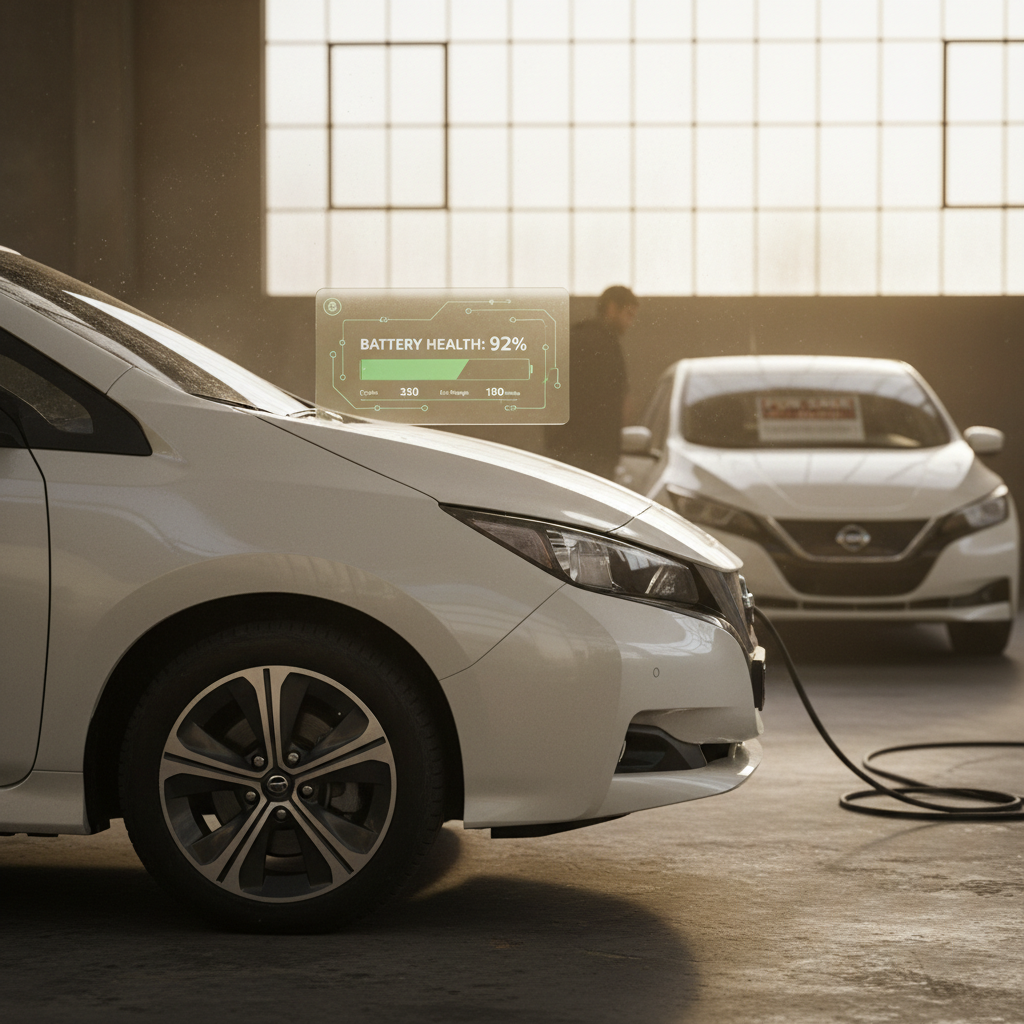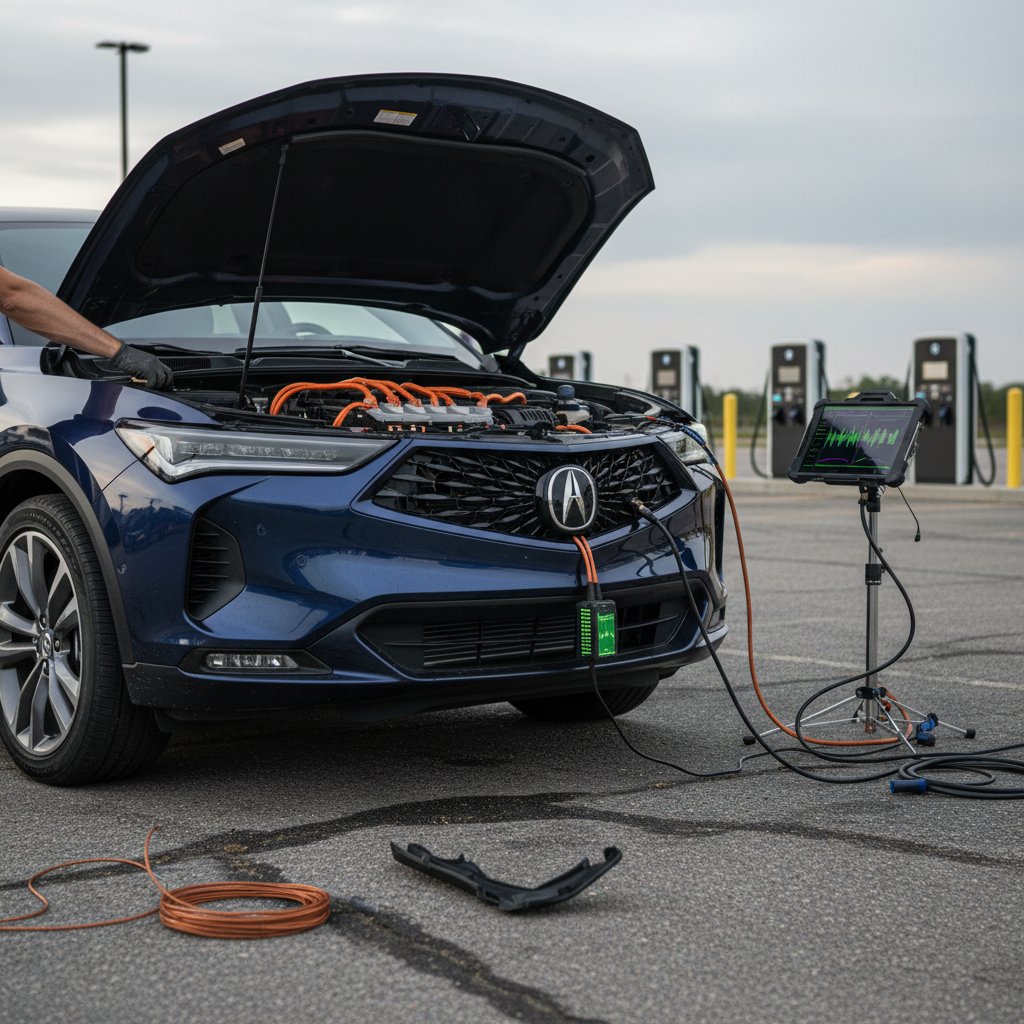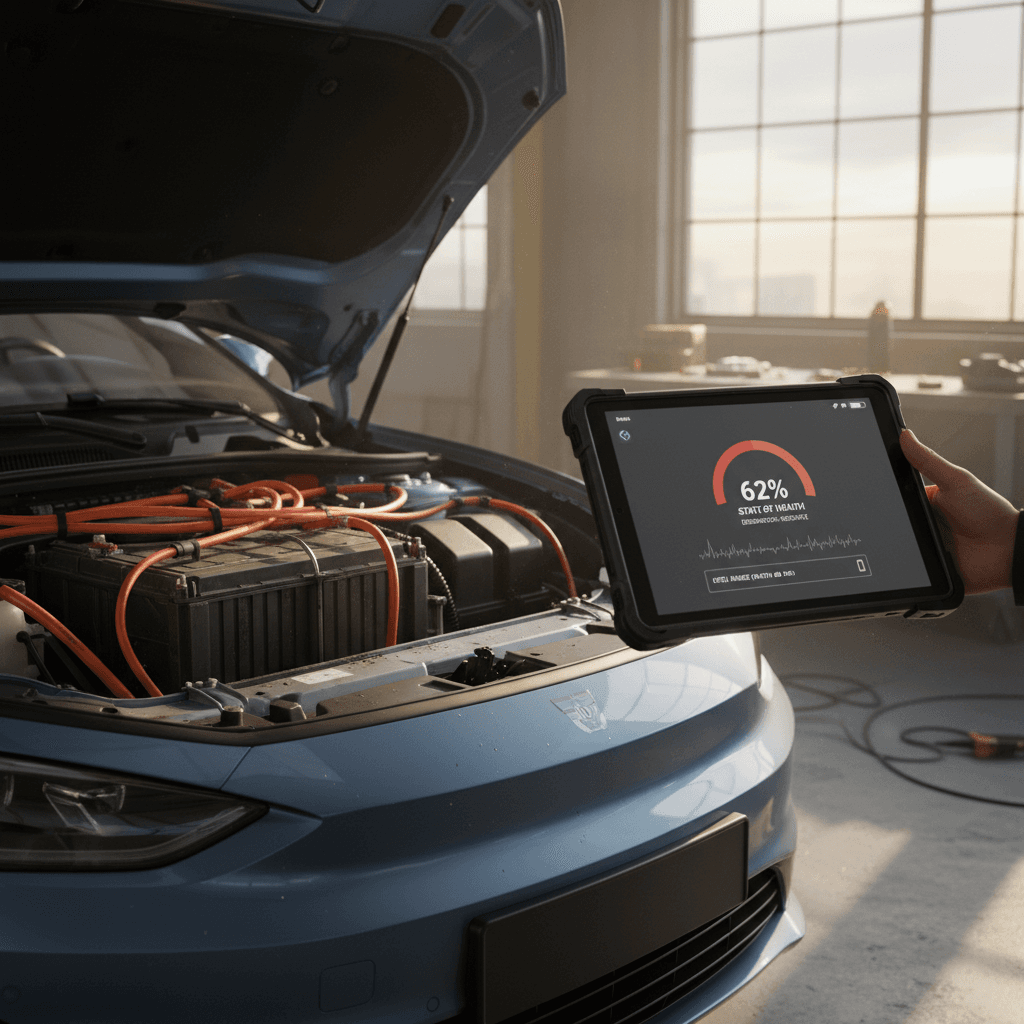
If your EV’s range has slipped and the battery health report shows a low state of health (SOH), you’re probably asking a hard question: is it time to sell this electric car with low battery health, and if so, what’s it really worth? The good news is you still have options, and in many cases, more than you think.
Quick definition: “low battery health”
Why low battery health matters when you sell
With a gas car, most shoppers focus on mileage, service records, and cosmetic condition. With a used EV, there’s an additional headline metric: battery state of health. Battery SOH tells a buyer how much usable capacity remains compared with when the car was new, and that number strongly influences how much they’re willing to pay.
Battery health and EV resale at a glance
In other words, when you’re selling an EV, the battery is the car in the mind of many buyers. A strong battery health report supports a strong price. A weak one doesn’t mean the car is worthless, but it does change who the best buyer is and how you should structure the sale.
Is your battery really “low”? SOH, range loss and warranty rules
Before you decide how, or even whether, to sell, you need a clear, objective picture of your pack’s condition. That starts with understanding what those battery health numbers actually mean.
- State of Health (SOH): Expressed as a percentage, SOH compares today’s usable capacity to the pack’s original capacity when new. 100% is brand-new; 80% means roughly 20% capacity loss.
- Real-world range: Because range also depends on driving style, weather, and tires, a 75% SOH pack might feel like more than 25% range loss, or less, depending on how and where you drive.
- Normal vs. abnormal degradation: Modest capacity loss over 5–8 years is expected. Very steep losses in just a few years may indicate abuse, manufacturing issues, or an atypically stressed pack.
Check your battery warranty before you list it
If you’re not sure how to read your SOH or range data, this is where a structured, third‑party assessment like the Recharged Score battery health diagnostics becomes valuable. It translates technical readings into clear, shopper‑friendly language you can use when you go to sell or trade in your EV.
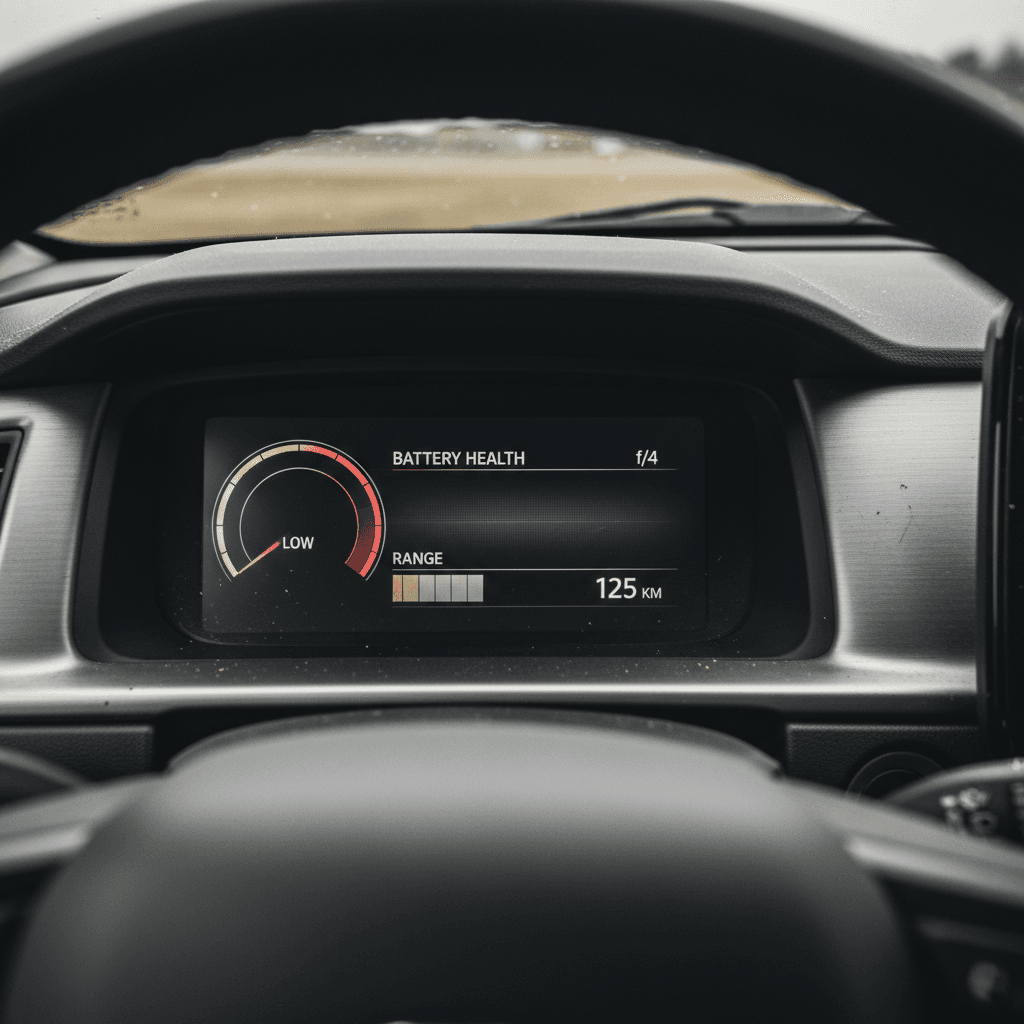
How low battery health impacts your EV’s resale value
Every used EV buyer is doing the same mental math: "How much range am I really getting, and how soon might I face a big battery expense?" When your car shows low battery health, that math becomes front and center.
What buyers see when they look at low battery health
Same car, different reaction depending on who’s shopping
Range-focused commuter
This buyer drives 50–70 miles daily and values predictable range more than anything.
If your SOH means they’ll need to charge mid‑day, they’ll likely pass, or demand a steep discount.
Budget shopper
Some buyers will trade range for lower purchase price.
A low‑SOH EV can make sense if it’s deeply discounted and still covers their short local trips.
Enthusiast or DIYer
A small segment of buyers are comfortable with battery work or plan conversions.
They may specifically seek out lower‑priced, lower‑health EVs as project cars.
From a pricing standpoint, two things matter most: how far below “normal” your battery’s condition is for its age and mileage, and whether replacement or refurbishment is economically sensible. A 6‑year‑old EV with 85% SOH is very different from a 6‑year‑old EV at 60% SOH, even if everything else looks identical.
Anchor price to range, not just age and mileage
Repair, replace, or sell as-is? Choosing a path
Once you know your true battery health, you face a fork in the road: fix the problem before selling, or sell the car as-is and let the buyer handle the next step. The right decision depends on costs, timing, and your risk tolerance.
Option 1: Use the warranty (if you can)
If your EV is still within its high‑voltage battery warranty and capacity has fallen below the stated threshold (often around 70%), the manufacturer may be obligated to repair or replace the pack.
- Upside: A fresh or refurbished pack can restore range and strongly boost resale value.
- Downside: Warranty claims can take time. You may be without the vehicle while diagnostics and repairs are completed.
Option 2: Pay out of pocket or sell as‑is
If you’re outside warranty or don’t qualify for coverage, ask for firm quotes on replacement or module repair before making a move.
- Pay to repair/replace: Works when the EV is otherwise valuable and you plan to keep it, or when an inexpensive refurbishment meaningfully raises resale price.
- Sell as‑is: Simplest path when repair costs don’t pencil out. You accept a lower sale price in exchange for avoiding more cash out of pocket.
Avoid this common mistake
Selling options for an EV with low battery health
You have the same broad choices as with any used car, trade‑in, sell to a dealer or marketplace, or sell privately, but low battery health changes the pros and cons of each channel.
Compare your selling paths
1. Trade-in at a dealer
Fast and convenient, especially if you’re buying another vehicle. The dealer will factor low SOH into their offer and price in both risk and reconditioning costs. You’ll typically net less than a private sale but avoid awkward buyer conversations about the battery.
2. Instant offer or marketplace sale
Some EV‑focused marketplaces, including Recharged, evaluate <strong>battery health transparently</strong> and make firm offers that already account for your pack’s condition. This can save you from guessing what your car is worth or negotiating with battery‑skeptical buyers.
3. Consignment with an EV specialist
With consignment, you retain ownership while an expert helps market and sell the vehicle, often to a more EV‑savvy audience. That audience may be more comfortable with low SOH, especially when it’s clearly documented with a third‑party report.
4. Private sale (for the patient and detail‑oriented)
You may squeeze out a higher price if you find the right buyer, someone whose driving needs fit the reduced range, but you’ll also field more questions and need to be extremely clear about battery condition to avoid disputes.
Where Recharged fits in
Ready to find your next EV?
Browse VehiclesPricing strategy: How to price an EV with a tired pack
Putting a number on a low‑health EV can feel like guesswork, but you can make it systematic. Think of it as starting with the value of a “normal‑battery” example of your car, then adjusting down for reduced capacity and buyer risk.
Example: Adjusting price for low battery health
Illustrative pricing logic for a hypothetical used EV. Numbers are for example only; your actual figures will vary by model and market.
| Scenario | Battery SOH | Typical buyer perception | Pricing impact vs. similar EV with healthy battery |
|---|---|---|---|
| Healthy baseline | ≈ 90% | Normal, expected degradation | Reference price (no adjustment) |
| Moderately low | ≈ 75% | Noticeable range loss but still practical for many commutes | Discounted, often single‑digit percentage range depending on model and demand |
| Significantly low | ≈ 65% | Range limits daily use; battery feels “tired” | Heavier discount; price more comparable to older, higher‑mileage examples |
| Very low | < 60% | Likely project or short‑trip car; replacement looming | Deep discount; may appeal mainly to specialists or buyers with very short‑range needs |
Use these relationships as a framework, then refine using live market data or a professional valuation from an EV‑focused marketplace like Recharged.
When you list the car, avoid the temptation to hide or minimize the battery issue. Instead, price it realistically and explain your reasoning. Serious EV buyers will see that you’ve done your homework and are less likely to low‑ball you simply out of fear.
How to present a low-battery-health EV to buyers
Selling an electric car with low battery health is as much about framing as it is about the raw number. Your goal is to give buyers a complete, honest picture while highlighting where the car still delivers value.
What to show and how to say it
Turn a potential red flag into a clear, informed value proposition
1. Share a clear battery report
Provide recent, credible documentation of SOH and range, ideally from a third‑party tool or marketplace report.
At Recharged, this is built into the Recharged Score, so buyers know exactly what they’re getting.
2. Translate SOH into real-world use
Spell out what the current range comfortably supports:
- Daily commute length
- Errand runs around town
- Availability of home or workplace charging
3. Be upfront about limitations & price
Acknowledge that the car is not ideal for long‑range road trips anymore and that your asking price reflects that.
Invite questions instead of sidestepping the topic.
Sample listing language you can adapt
For used EV buyers, a clearly documented, slightly degraded battery is often less scary than an undocumented battery that ‘seems fine.’ Transparency is your friend when it’s time to sell.
How Recharged handles battery health when you sell
Because Recharged focuses exclusively on used EVs, the entire process, from valuation to listing, is built around battery transparency. That matters even more when you’re selling an electric car with low battery health.
- Recharged Score battery diagnostics: Every vehicle gets a battery health assessment and detailed Recharged Score Report, so both you and the eventual buyer see the same objective numbers.
- Fair market pricing that bakes in SOH: Offers and list prices are based on current market data, your car’s specific equipment and mileage, and verified battery condition, not just a generic depreciation curve.
- Flexible selling paths: Whether you want an instant offer, a trade‑in toward another EV, or a consignment‑style sale, Recharged can help you choose the route that best matches your timing and price goals.
- Nationwide reach and EV‑savvy buyers: Because Recharged operates online with nationwide delivery and an Experience Center in Richmond, VA, your EV is marketed to shoppers who understand how to interpret battery health reports.
Why this matters if your SOH is low
Frequently asked questions about selling an EV with low battery health
Common questions when your EV’s battery health is low
Bottom line on selling an EV with low battery health
Selling an electric car with low battery health is more complex than selling a typical used gas car, but it’s far from impossible. Your best moves are to get an objective battery health report, understand how that affects real‑world range, and choose a selling path that connects your EV with buyers whose needs align with what the car still does well.
In many cases, you won’t maximize dollars by throwing money at a non‑warranty battery replacement right before you sell. Instead, you’ll get further by pricing realistically, documenting honestly, and working with an EV‑focused marketplace that knows how to value and explain battery condition. If you’d like a clear, data‑driven view of where your EV stands, and what it’s really worth in today’s used market, starting with a Recharged Score Report and expert‑guided selling options can turn a seemingly difficult sale into a straightforward next step.