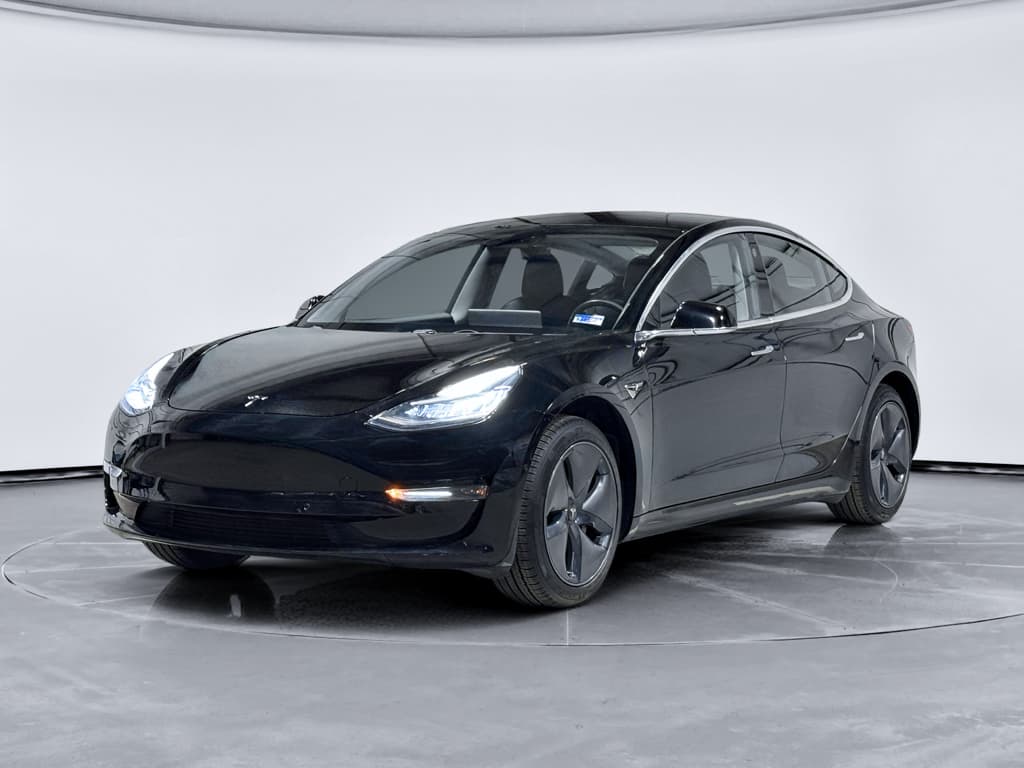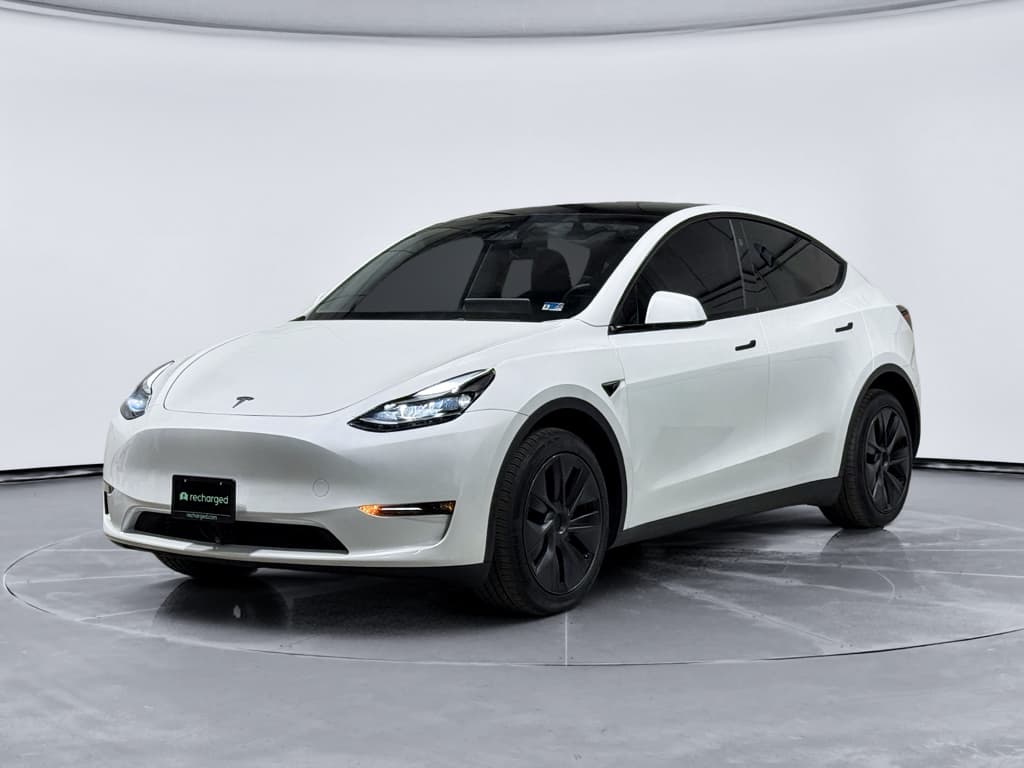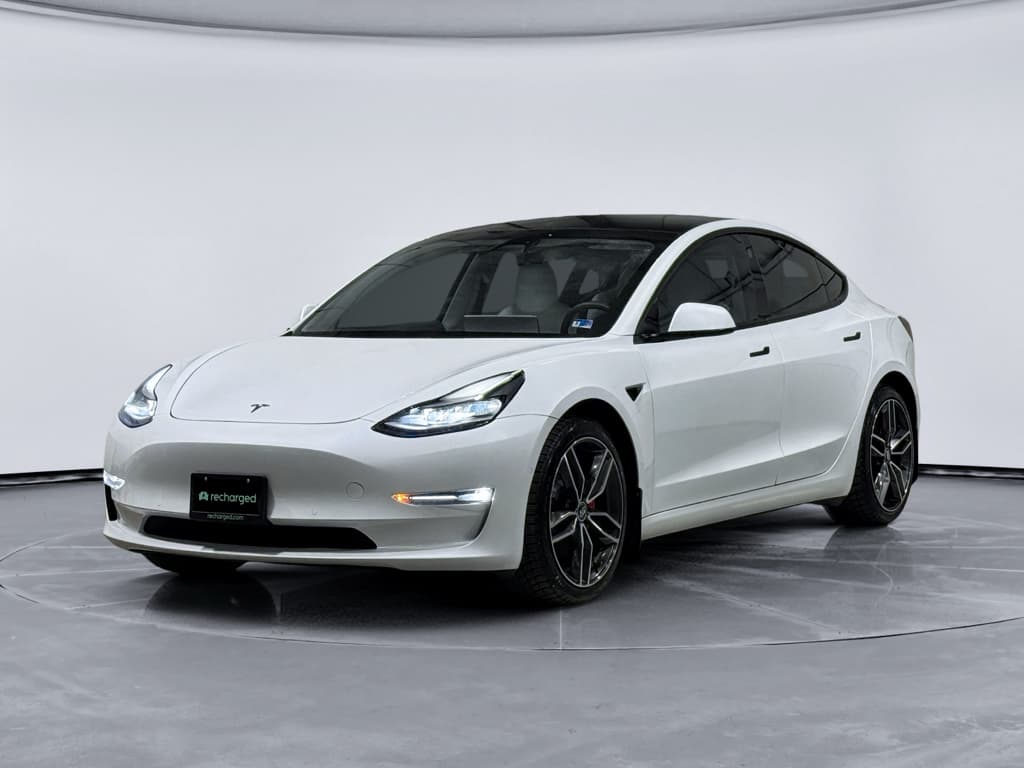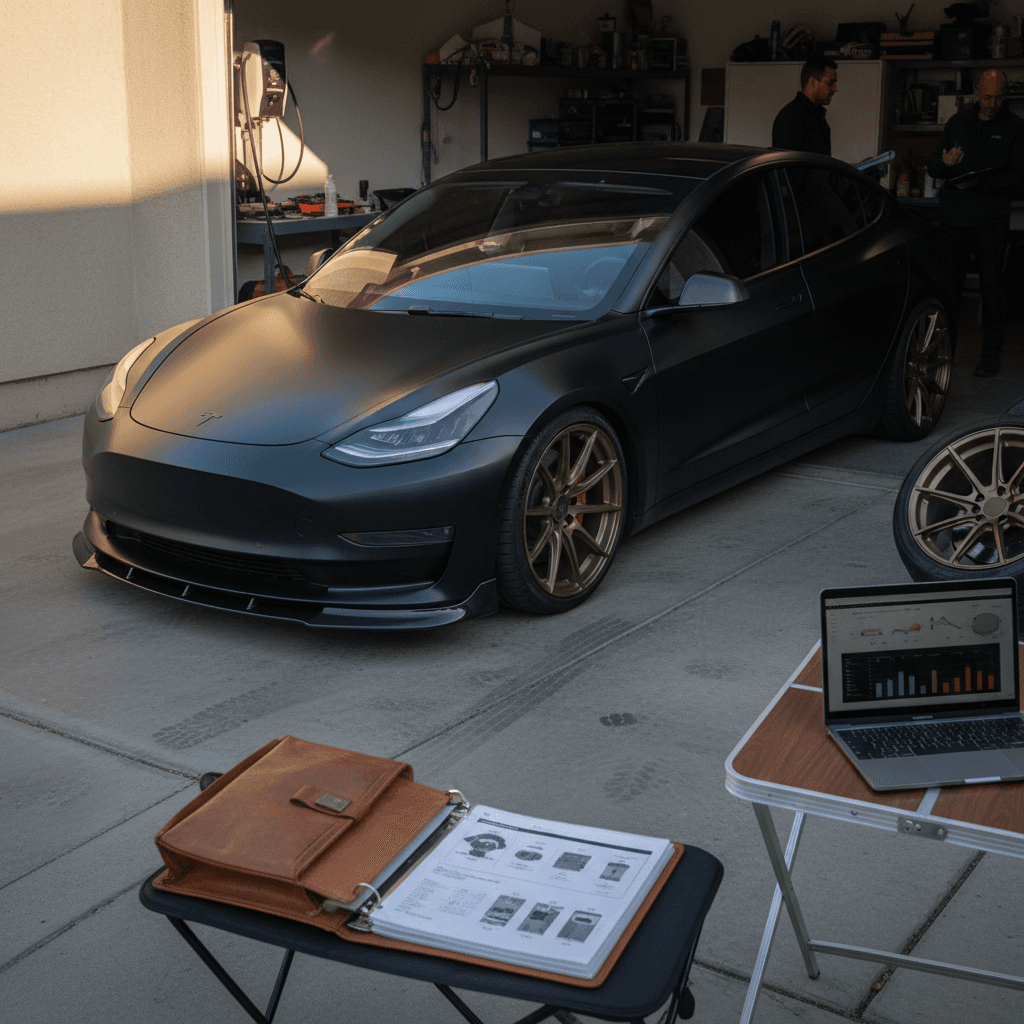
You loved personalizing your electric car. Now you’re staring down the big question: does selling an electric car with aftermarket modifications help or hurt? The honest answer is, “it depends”, on what you changed, how you did it, and who you’re trying to sell to.
Quick reality check
Why modifications matter when you sell an EV
Modifications change how a car drives, how it ages, and how risky it looks to a buyer. With electric vehicles, there’s an extra twist: everything is more software- and battery‑dependent. A tune that pushes a gas engine a little harder is one thing; a tune that stresses a $10,000–$20,000 battery pack is another.
- Buyers worry that performance mods mean the car was driven hard.
- Dealers worry about inspection failures and comeback repairs after the sale.
- Lenders and warranty companies worry about non‑OEM electronics and wiring.
- Everyone worries about whether a mod has hurt battery health or range.
That doesn’t mean your car is unsellable, far from it. It just means you need a plan: decide what to keep, what to put back to stock, what to document, and how to price the car so buyers feel like they’re getting a good deal instead of inheriting someone else’s experiment.
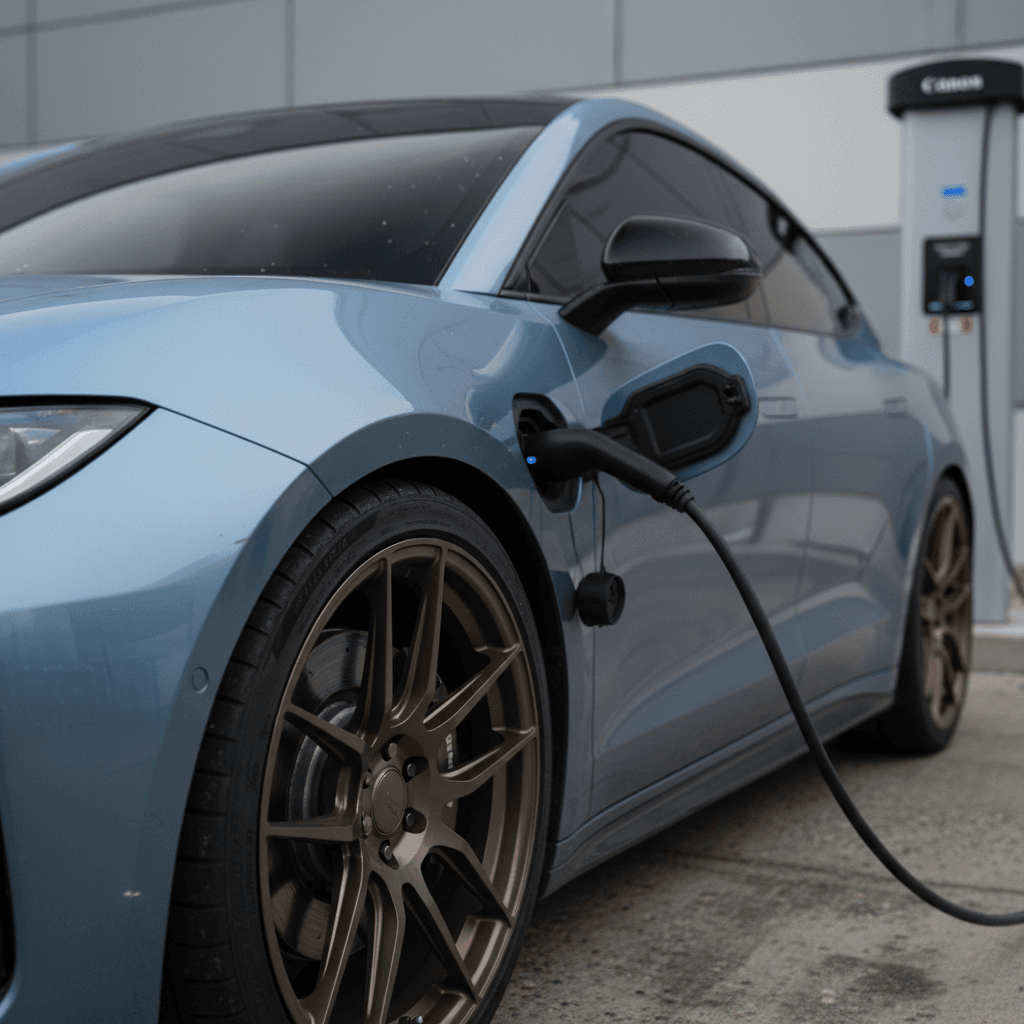
How aftermarket mods impact electric car resale value
How mods usually affect resale value
For most mainstream buyers and for dealers, mods do not add dollar‑for‑dollar value. A $4,000 wheel and tire package might add a little desirability, but it almost never adds $4,000 to the price. More often, you’ll hear some version of, “Cool car, but I’d pay more for a stock one.”
Don’t count on your receipts
Mods that help vs. mods that hurt when selling
Common electric car mods: which help, which hurt?
Use this as a sanity check before you list your car.
Typically buyer‑friendly or neutral
- All‑weather floor mats, cargo liners – Easy win; most buyers love them.
- Quality window tint within legal limits – Improves comfort and looks; rarely a problem.
- OEM or OEM‑style wheels – Slightly larger or nicer wheels from the same brand can help if ride quality is still good.
- Paint protection film (PPF) and ceramic coating – Protects finish; usually a plus.
- Reversible interior upgrades like better phone mounts or center console organizers.
- Home charging equipment included in the sale, especially a 240V Level 2 unit.
Often buyer‑scaring or value‑killing
- Lowering springs or coilovers on an already heavy EV – Raises questions about ride, tire wear, and underbody damage.
- Non‑OEM big‑power tunes or hacking battery management – Huge red flag for most buyers.
- Body kits, extreme wraps, or loud colors – Very specific taste; shrinks your buyer pool.
- Non‑compliant lighting (colored DRLs, very dark tints, flickering LEDs) – Can cause inspection failures.
- DIY wiring for subwoofers, light bars, or accessories – Anything that looks hacked into the 12V system scares inspectors and warranty providers.
- Non‑factory seats or removed airbags – Major safety and legal concerns.
Think “tasteful and reversible”
Warranty and battery health concerns on modified EVs
On a modern EV, the warranty and the battery are the crown jewels. That’s what most used buyers are really shopping for. Anything that threatens either one becomes a bargaining chip against you.
- Most manufacturers (including Tesla) don’t automatically void the entire warranty because you added aftermarket parts. But if a non‑OEM part can be linked to a failure, they can deny coverage for that repair.
- Aggressive performance tunes, oversized wheels, or altered suspension can be blamed for problems with motors, bearings, tires, and steering components.
- Home‑brew charging solutions, non‑certified high‑power EVSEs, or hacked battery cooling can scare both buyers and dealers away from your car entirely.
Don’t mess with the high‑voltage side
If your EV is still under factory battery and drive‑unit warranty, gather proof that your mods are either cosmetic or professionally installed. Service records from reputable shops, before‑/after photos, and clean diagnostic scans all help. With Recharged, every vehicle comes with a Recharged Score battery health report, which can put nervous buyers at ease even if the car has been modified.
Legal disclosure and inspection issues in the U.S.
The rules vary by state, but you should assume this: if a reasonable buyer would want to know about a modification or damage history, you should disclose it in writing. That’s especially true if your mods affect emissions compliance, safety equipment, or the way the car can be registered and inspected.
Where modified EVs run into legal and inspection trouble
Not legal advice, just a roadmap of common problem areas to check before you sell.
| Issue | Why it matters when selling | What to do before listing |
|---|---|---|
| Removed or altered emissions equipment on a plug‑in hybrid | Federal law prohibits tampering with emissions controls; buyers may not be able to register the car in some states. | Restore stock hardware if possible or be prepared for a steep discount and a smaller buyer pool. |
| Non‑functional or removed airbags/seatbelts | Safety and liability risk; may fail inspection. | Disclose and repair before sale. Many buyers and all dealers will treat this as a deal‑breaker. |
| Illegal tint or lighting | Can fail state inspection; buyer may face fix‑it tickets. | Return to legal tint levels and DOT‑approved lighting before sale. |
| Rebuilt / salvage history with heavy modifications | Title branding and structural changes must usually be disclosed; lenders and insurers may refuse coverage. | Be upfront in your listing, provide documentation and photos, and price the car accordingly. |
| State safety or emissions inspection required at transfer | A car that passes today might not pass with certain mods (exhaust, lighting, windshield tint, etc.). | Get a fresh inspection where possible and fix obviously non‑compliant items first. |
Always confirm the exact requirements in your state before listing a heavily modified vehicle.
A word on “as‑is” sales
Should you remove aftermarket mods before selling?
If you still have your original parts, you’re already ahead of the game. In many cases, returning an electric car close to stock before selling is the easiest way to protect its value, and you can sell certain aftermarket parts separately to enthusiasts.
How to decide what to return to stock
1. Ask yourself: who is my most likely buyer?
If you’re aiming for a mainstream buyer or a dealer trade‑in, go back to stock wherever you can. If you’re listing in enthusiast groups or forums, you can be more selective, but you still need the car to be safe and reliable.
2. Prioritize safety and compliance first
Anything that risks inspection failure or a safety defect, lighting, airbags, seatbelts, cracked windshields, extreme tint, should be fixed or reversed before you photograph the car.
3. Remove obvious “love it or hate it” items
Wild wraps, aftermarket spoilers that required drilling, odd‑looking wheels, or interior color changes tend to shrink your buyer pool. Going back to a cleaner look usually widens interest and makes pricing easier.
4. Keep subtle, quality upgrades that add comfort
Well‑installed window tint, PPF, all‑weather mats, and OEM‑plus wheels often play well with a broad audience. Just don’t expect them to add much to the selling price.
5. Sell big‑ticket parts separately
Performance coilovers, big‑brake kits, and high‑end wheels can often fetch more money when sold on their own than when bundled with the car.
Offer both versions if you can
How to price a modified electric car
Pricing is where many modified‑car owners go wrong. You remember the invoices and late nights; buyers just see risk. A simple rule: start with the fair market value of a clean, stock example, then adjust.
Step 1: Establish the stock baseline
- Look up similar stock EVs in your area by year, trim, mileage, and condition.
- Use multiple sources: listing sites, dealer inventory, and EV‑specific marketplaces like Recharged.
- Ignore your mods completely for this step, pretend the car is bone‑stock.
Step 2: Adjust for reality, not receipts
- Subtract for anything buyers may see as a negative: extreme looks, harsh ride, track use, hacked wiring.
- Add only modestly for comfort and protection mods (PPF, tint, mats) and for professionally installed OEM‑plus upgrades.
- Be ready to accept that you might recover only a small fraction of what you spent on mods.
Use two numbers, not one
How to write your listing for a modified EV
Your description and photos can make the difference between “cool, but I’ll pass” and “this owner clearly cared.” The goal isn’t to hide anything; it’s to present a modified EV as well‑maintained, thoughtfully upgraded, and honestly described.
Listing best practices for modified EVs
Make a buyer feel like they’re getting the full story.
Photograph honestly
- Shoot the car clean, in daylight, from every angle.
- Include close‑ups of mods, wheels, underbody clearance if lowered, and the charging port.
- Show the odometer, tire tread, and any cosmetic flaws.
Explain the mods clearly
- Use a short bullet list: brand, part, and whether it’s reversible.
- Note who installed each major item (DIY vs. shop, with dates).
- Separate cosmetic, comfort, and performance mods so buyers can skim.
Build trust with documentation
- Gather service records, alignment sheets, and installation invoices.
- Include a recent battery health report if you have one. On Recharged, this is part of the Recharged Score.
- Mention any recent inspections or software updates.
If you’re selling through an EV‑focused marketplace like Recharged, their specialists can help translate your mod list into language that reassures buyers, not scares them, and attach objective data like verified battery health to back it up.
Best ways to sell: trade‑in, private party, or EV marketplace
Not all selling paths treat modifications the same way. A local dealer may see a lowered, wrapped EV as a headache. An EV‑only marketplace may see it as a conversation starter.
How different selling paths treat modified EVs
Pros and cons of the most common options when your EV isn’t stock.
| Option | Pros for modified EVs | Cons for modified EVs |
|---|---|---|
| Traditional dealer trade‑in | Fast and convenient; good if car is mostly stock and you’ve removed obvious mods. | Dealers often deduct heavily for anything non‑OEM; some will refuse heavily modified cars outright. |
| Private‑party sale (classifieds, forums, social media) | Best chance to find an enthusiast who appreciates your specific mods; you control the story. | Takes more time and effort; you handle all disclosures, test drives, and paperwork yourself. |
| EV‑focused marketplaces like Recharged | Platform understands EV‑specific issues like battery health, charging equipment, and software; attracts buyers already shopping for used EVs; support from specialists and nationwide reach. | You still need to be transparent about the extent and quality of modifications, and some platforms may have limits on extreme builds. |
The more complex the modifications, the more you benefit from a buyer (or platform) that truly understands EVs.
How Recharged fits in
FAQ: Selling an electric car with aftermarket modifications
Frequently asked questions
Key takeaways before you sell your modified EV
- Most buyers and dealers pay more for stock or near‑stock EVs; extreme or irreversible mods usually hurt value.
- Focus on reversible, quality upgrades and restore the car to stock where you can, especially for safety and compliance items.
- Document everything: service records, installation invoices, alignment reports, and especially battery health.
- Be transparent in your listing about what’s been done and who did the work; clarity builds trust and speeds up serious inquiries.
- Choose your selling channel strategically. A specialist platform like Recharged can pair your modified EV with fair‑market pricing, verified battery diagnostics, and EV‑savvy support.
You don’t have to regret personalizing your electric car to move on from it. With a little prep work, returning the right pieces to stock, documenting the rest, and pricing from a realistic baseline, you can sell an electric car with aftermarket modifications without giving it away. And when you’re ready for the next EV, Recharged can help you evaluate battery health, fair value, and potential the same way buyers will be looking at yours.