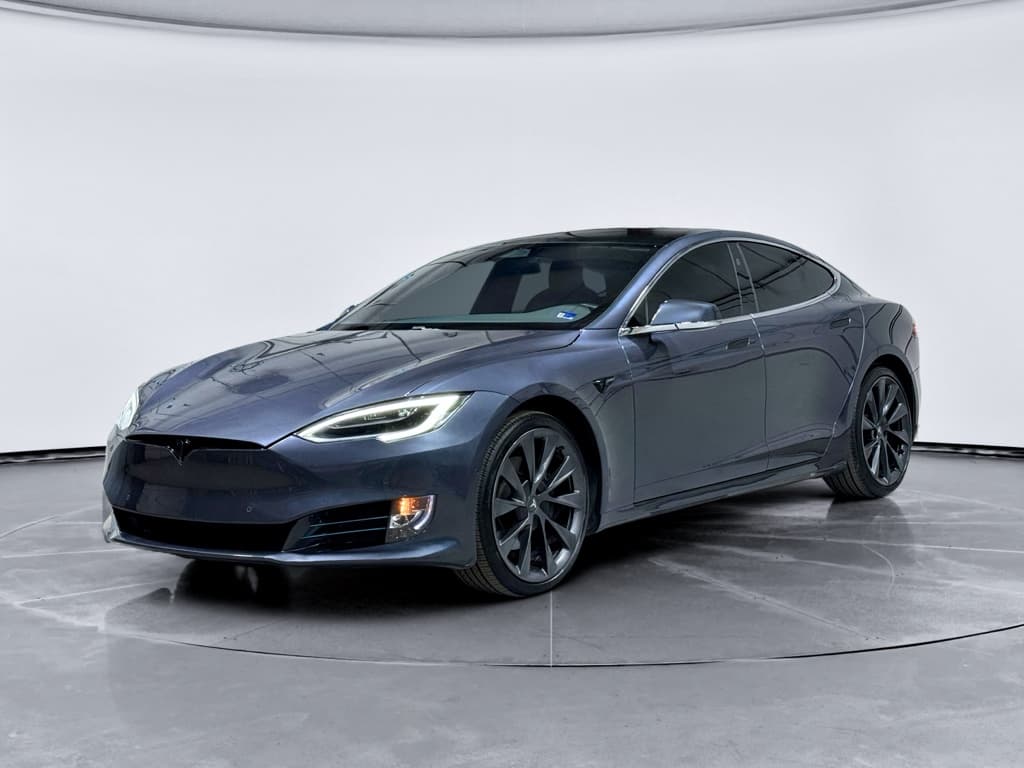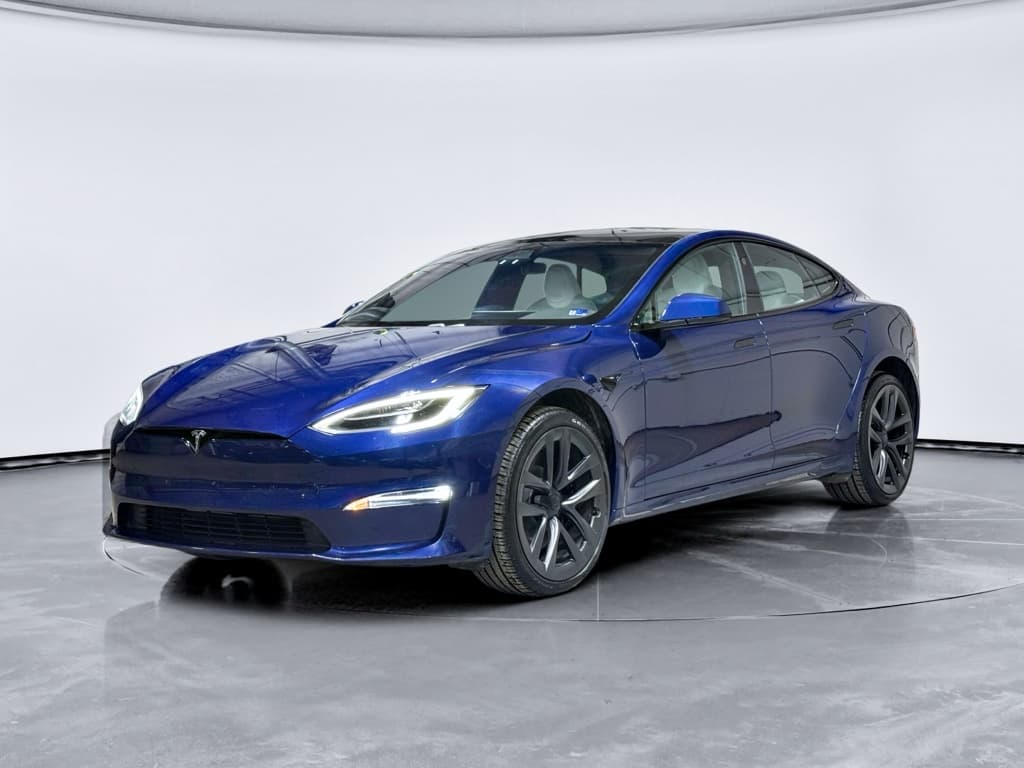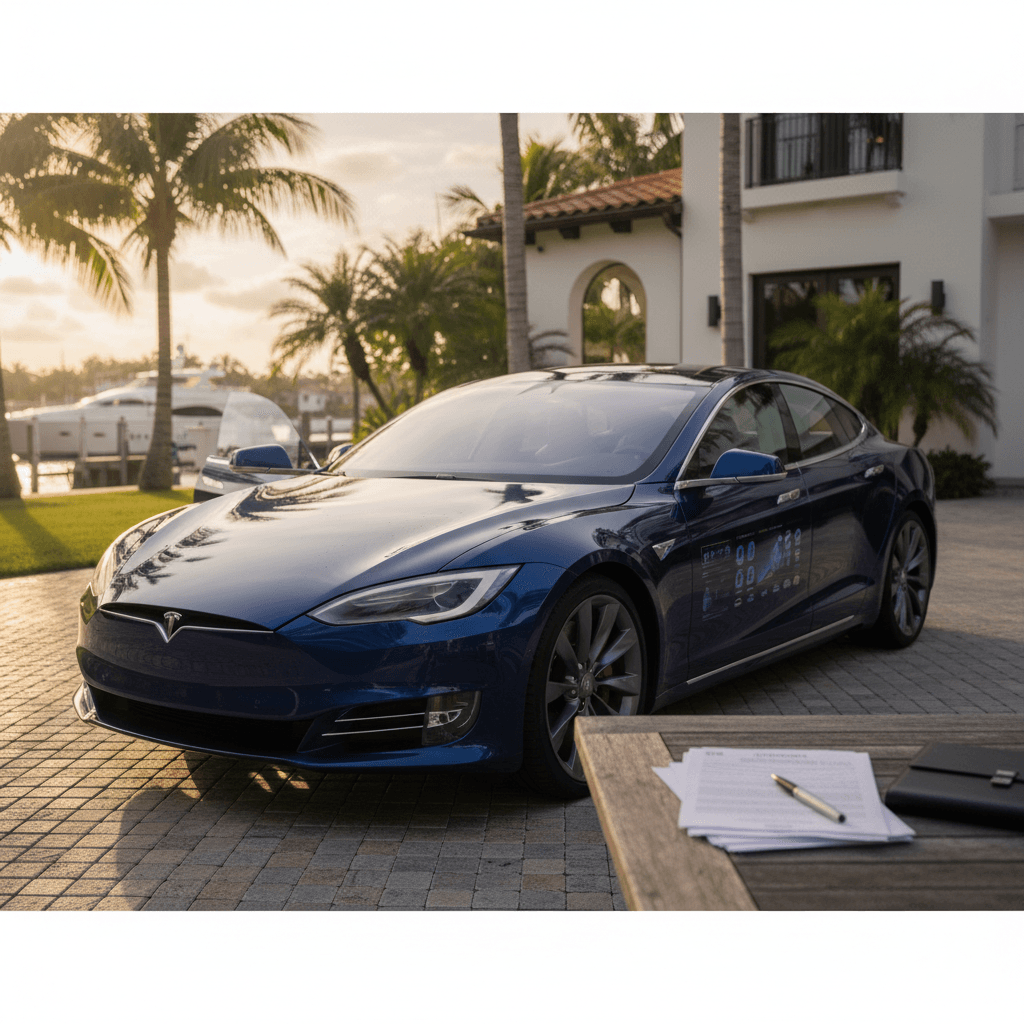
If you’re trying to sell a Tesla Model S in Florida in 2026, you’re working in a hot EV market with some very specific quirks: fast‑moving prices, buyers obsessed with battery health, and Florida‑specific rules around paperwork and taxes. The good news is that, with a plan, you can turn those quirks into leverage instead of stress.
Quick snapshot
Why Selling a Tesla Model S in Florida Is Different
Three Florida factors that shape your Model S sale
Heat, depreciation and law all work differently here than in cooler states
Brutal heat & battery wear
Sharp EV price swings
Florida‑specific rules
Depreciation reality check
Decide How to Sell: Private Party, Dealer, Tesla, or Marketplace
Private sale in Florida
Highest potential price, but you handle everything: advertising, screening buyers, test drives, payoff, and paperwork. Works best if:
- Your Model S is clean, with no title issues.
- You’re comfortable meeting strangers and negotiating.
- You have time to wait for the right buyer.
Dealer, Tesla trade‑in, or EV marketplace
Dealers and Tesla offer speed and simplicity but usually pay less than a top‑dollar private sale. EV‑focused marketplaces like Recharged sit in the middle: you get a data‑driven offer, battery‑health validation, and help with paperwork, often at a better net than a generic dealer trade‑in.
Checklist: Which selling path fits you?
1. Decide whether you value time or dollars more
If you want to maximize every last dollar, a private sale usually wins. If you care more about low hassle and fast turnaround, a dealer offer or marketplace consignment is often worth a slightly lower price.
2. Check how many vehicles you’ve sold this year
Florida allows only a limited number of private sales per year without a dealer license. If you flip cars often or are near that limit, you may be safer using a licensed dealer or marketplace partner.
3. Know your payoff and equity
If you still owe on the car, get an exact payoff from your lender before you list. That number determines if you’ll bring cash to the table or walk away with equity.
4. Be honest about your comfort with strangers
Private sales mean meeting buyers for test drives and handling large cashier’s checks. If that makes you uneasy, leaning on a marketplace like Recharged can offload the risk and logistics.
Step 1: Know What Your Model S Is Worth in Florida Today
Tesla Model S market context heading into 2026
Start with a realistic price. Pull recent listings for the same generation of Model S in your part of Florida, Miami, Orlando, Tampa Bay, Jacksonville, the Panhandle, and filter by year, trim (Long Range vs. Plaid), mileage, and condition. Then adjust for battery health, options, and color (white, black, and gray tend to move fastest).
- Use multiple sources: online classifieds, EV‑specific marketplaces, and large national listing sites.
- Ignore obviously underpriced cars that look like salvage or scams, they’re not real comps.
- Look at what actually sells, not just what’s listed. If you can’t see sold data, watch how long similar cars sit before the ad disappears.
- Price within a tight band of comparable cars. In a fast‑moving Tesla market, being 10–15% high can mean zero phone calls.
Price like a pro
Step 2: Get Your Battery Health and EV History Documented
For a gas car, buyers obsess over oil changes and Carfax. For a Tesla Model S in Florida, they obsess over battery state of health (SOH), Supercharger usage, and whether the car has ever been flooded. If you bring hard data, you’ll separate yourself from almost every other private listing.
Ways to prove your Model S battery and EV history
The more third‑party data you have, the more confident Florida buyers feel
In‑car & app screenshots
Service & repair history
Third‑party battery health report
Don’t hide flood or salvage history
Step 3: Fix, Prepare, and Photograph Your Model S for Florida Buyers
Pre‑sale preparation checklist for a Florida Model S
1. Handle inexpensive fixes first
Repair curb‑rashed wheels, replace cracked glass, and fix obvious warning lights if the cost is modest. It’s cheaper than the price hit you’ll take when buyers see a Christmas tree of alerts on the screen.
2. Deep clean and de‑personalize
Get a professional detail or at least a thorough wash, clay, and interior scrub. Remove personal items, aftermarket stickers, and excess accessories so buyers can picture the car as theirs, not yours.
3. Address Florida sun damage
If the clear coat is failing or the interior has UV damage, decide whether to correct or price accordingly. A modest paint correction and ceramic application can make a coastal car look years newer.
4. Stage photos in good light
Shoot at sunrise or late afternoon in a clean, safe area, ideally a Florida neighborhood, not a cluttered driveway. Photograph all four corners, interior, screens on, frunk/trunk, charge port, and close‑ups of any flaws.
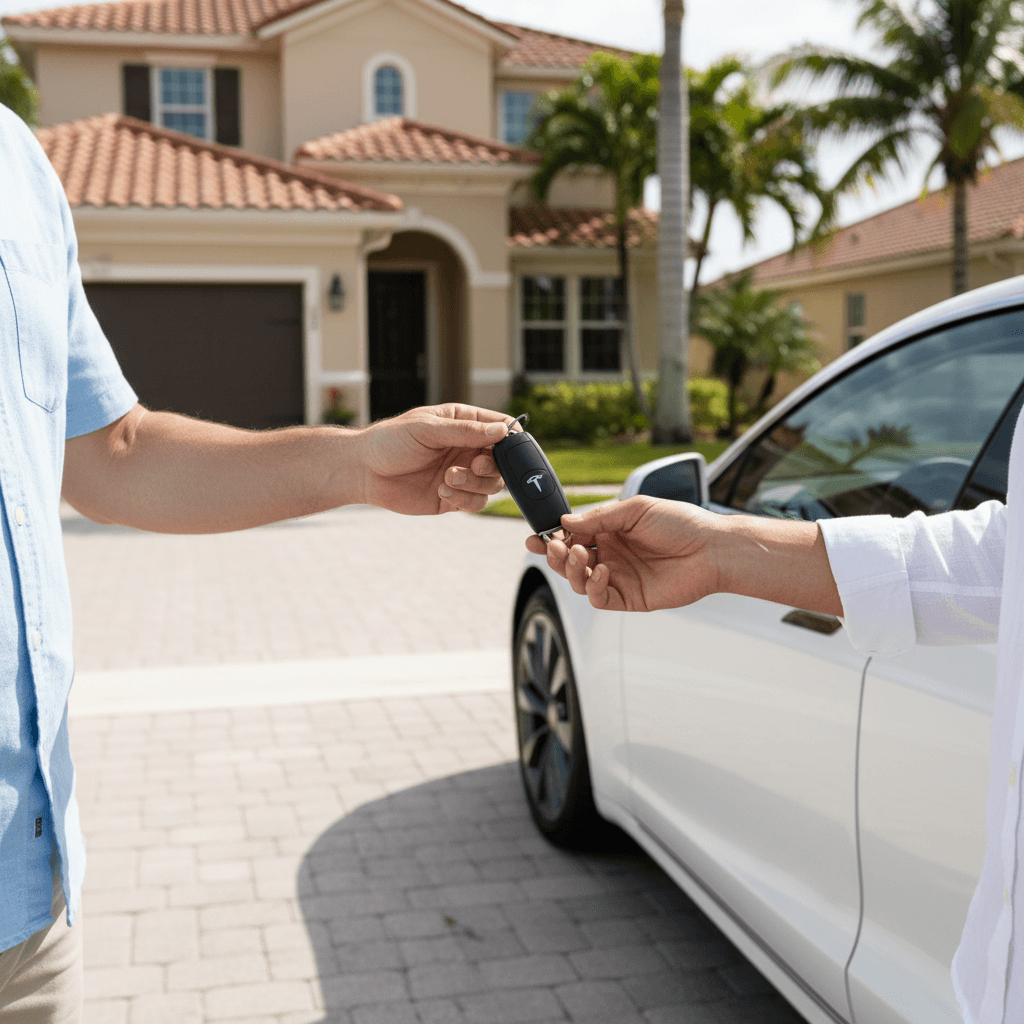
5. Gather keys, cables, and accessories
Locate both key cards/fobs, the Mobile Connector, adapters, floor mats, and any winter or spare wheels. Buyers assign real value to a "complete" Tesla that includes factory accessories.
Photo tip that sells cars faster
Step 4: List Your Tesla Model S Where Shoppers Actually Look
Florida shoppers looking specifically for a used Tesla Model S don’t just scroll generic classifieds. They cluster on EV‑heavy platforms, Tesla‑focused communities, and marketplaces that speak their language.
Common selling venues for a Model S in Florida
Mix and match, but prioritize where serious EV shoppers already are
EV‑focused marketplaces
Classifieds & listing sites
Dealer or Tesla trade‑in
- Write a clear, honest description. Lead with year, trim, mileage, and major options (e.g., "2022 Model S Long Range, 32k mi, FSD, 21" Arachnids").
- Spell out battery‑related details: typical charge limit, average daily miles, how often you fast‑charge, and current estimated range at 80–100%.
- Call out Florida‑relevant history: garage‑kept vs. street‑parked, hurricane exposure (or lack of it), and whether the car has ever had flood or insurance claims.
- List all included extras: wall connector (if it’s leaving with the house), Mobile Connector, adapters, aftermarket wheels, PPF/ceramic, and interior protection.
Step 5: Handle Test Drives and Negotiations Like a Pro
Once the phone rings, your job shifts from marketer to risk manager. You want serious buyers behind the wheel, but not on your insurance hook for life.
Safe test‑drive playbook for Florida sellers
1. Pre‑screen on the phone
Confirm the buyer has funds or financing lined up, understands the ballpark price, and is actually shopping for a Model S, not just "curious about Teslas." This alone weeds out a lot of joyrides.
2. Meet in a safe, public place
Use a well‑lit location with cameras, many Florida sellers use a bank parking lot or even the local tax collector’s lot. Avoid inviting strangers directly to your home for first meetings whenever possible.
3. Verify license and insurance
Ask to see a valid driver’s license and proof of insurance before you hand over the key. Take a photo of both (with permission) and have a passenger ride along on the first drive.
4. Plan a short, varied route
Include neighborhood streets, a bit of highway, and some stop‑and‑go so buyers can feel the acceleration, Autopilot behavior, and ride quality without burning your entire afternoon or battery.
5. Set negotiation boundaries in advance
Know your walk‑away number before you leave the house. If you’ve priced the car correctly, serious buyers should land within a narrow band of that target.
Watch for payment red flags
Step 6: Complete Florida Paperwork, Title Transfer, and Tax Basics
The last place you want drama is after the sale, when tolls, parking tickets, or worse start showing up in your mailbox because the state still thinks you own the car. Florida’s process is straightforward if you follow it step by step.
Key Florida paperwork when you sell a car privately
Check your county tax collector’s site for the latest forms and fees, but this is the basic kit.
| Item | Who completes it | When | Why it matters |
|---|---|---|---|
| Certificate of Title | Seller & buyer | At the sale appointment | Transfers ownership. Fill out buyer info, price, date, and odometer accurately. |
| Bill of Sale / Notice of Sale (HSMV 82050) | Seller | At or immediately after sale | Documents the transaction and notifies the state you no longer own the vehicle. |
| Odometer disclosure | Usually on title | At sale | Required for vehicles under the federal mileage threshold; protects both parties. |
| Application for Title/Registration (HSMV 82040) | Buyer | At tax collector’s office | Buyer uses this to retitle and register the Tesla in their name. |
| Lien release letter (if financed) | Lender | Before or at payoff | Shows any lien has been satisfied so the buyer can get clear title. |
Always verify form numbers and requirements on the official Florida Highway Safety and Motor Vehicles (FLHSMV) website before you finalize a sale.
Who pays sales tax in Florida?
- Fill out the title completely, including printed names, signatures, sale price, and odometer reading.
- Provide the buyer with a signed bill of sale that matches the title details.
- Immediately file the Notice of Sale (or its current equivalent) with FLHSMV or your county tax collector, many offices let you do this online or by mail.
- Remove your plates; in Florida, plates generally stay with the seller, not the car. The buyer will get their own plate.
- Cancel or adjust your insurance effective the day after the sale so you’re not paying for coverage on a car you no longer own.
Don’t skip the Notice of Sale
When a Marketplace Like Recharged Makes More Sense
Not everyone wants to juggle pricing, buyers, and Florida paperwork on their own. If your Model S is a higher‑value car, carries a large loan balance, or you simply prefer a guided sale, an EV‑specific marketplace can be a better fit.
How Recharged can simplify selling your Model S in Florida
Especially useful if you’re juggling payoff, battery questions, and out‑of‑state buyers
Verified battery health
Pricing & offers that reflect today’s market
Logistics, paperwork, and delivery handled
Ready to find your next EV?
Browse VehiclesGood fit for busy Florida owners
FAQ: Selling a Tesla Model S in Florida
Common questions from Florida Tesla sellers
Bottom Line: How to Sell Your Tesla Model S in Florida Confidently
Selling a Tesla Model S in Florida isn’t just about washing the car and throwing it online. You’re operating in a rapidly shifting EV market, under intense buyer scrutiny around battery health, and inside a state system that expects you to get the paperwork right the first time.
If you price using fresh Florida comps, document the pack and service history, prep the car well, and follow the state’s title and notice‑of‑sale steps, you’ll already be ahead of most listings. From there, it’s about picking the channel that fits your tolerance for hassle, do‑it‑yourself private sale, quick trade‑in, or a guided path through an EV marketplace like Recharged that bakes battery diagnostics and paperwork support into the process.
Whichever route you choose, treating the sale like a small business transaction, not an impulsive Craigslist ad, will help you move your Model S quickly and safely, and put you in a stronger position for whatever you drive next.