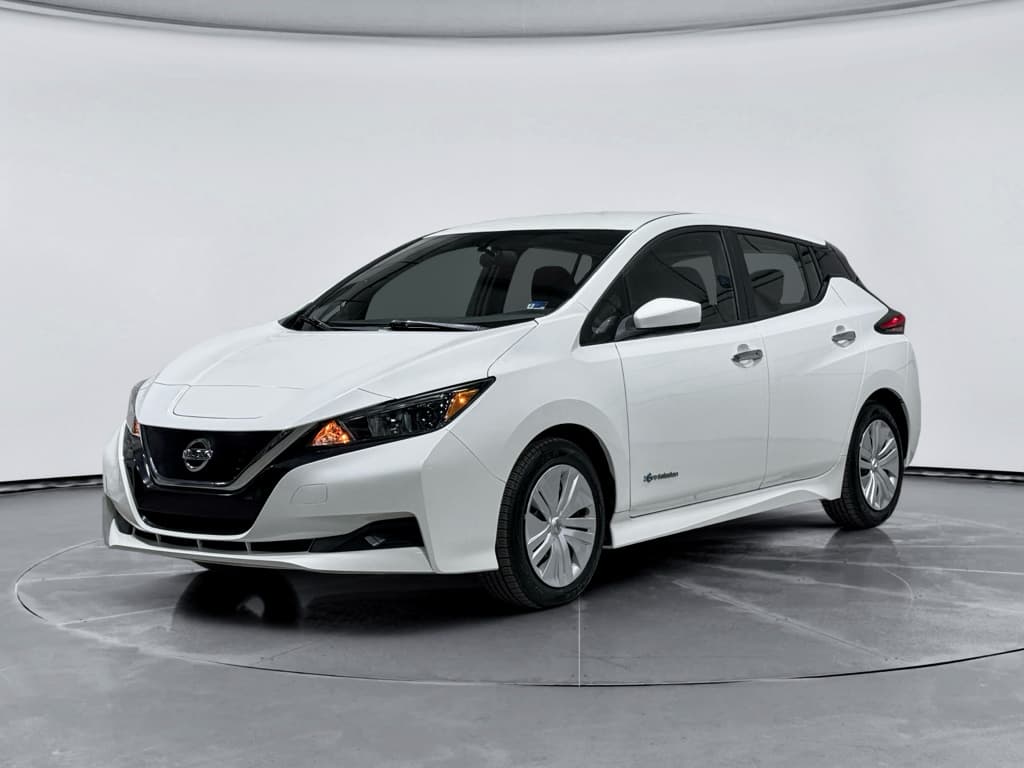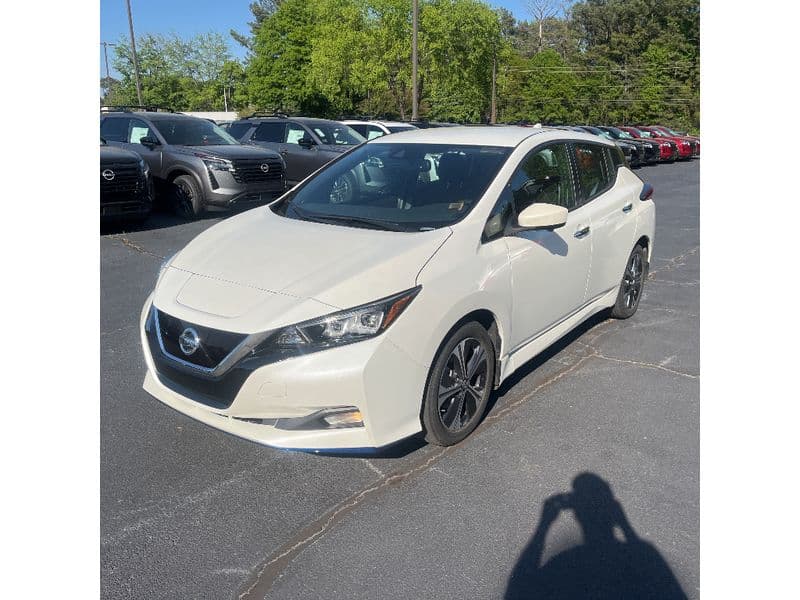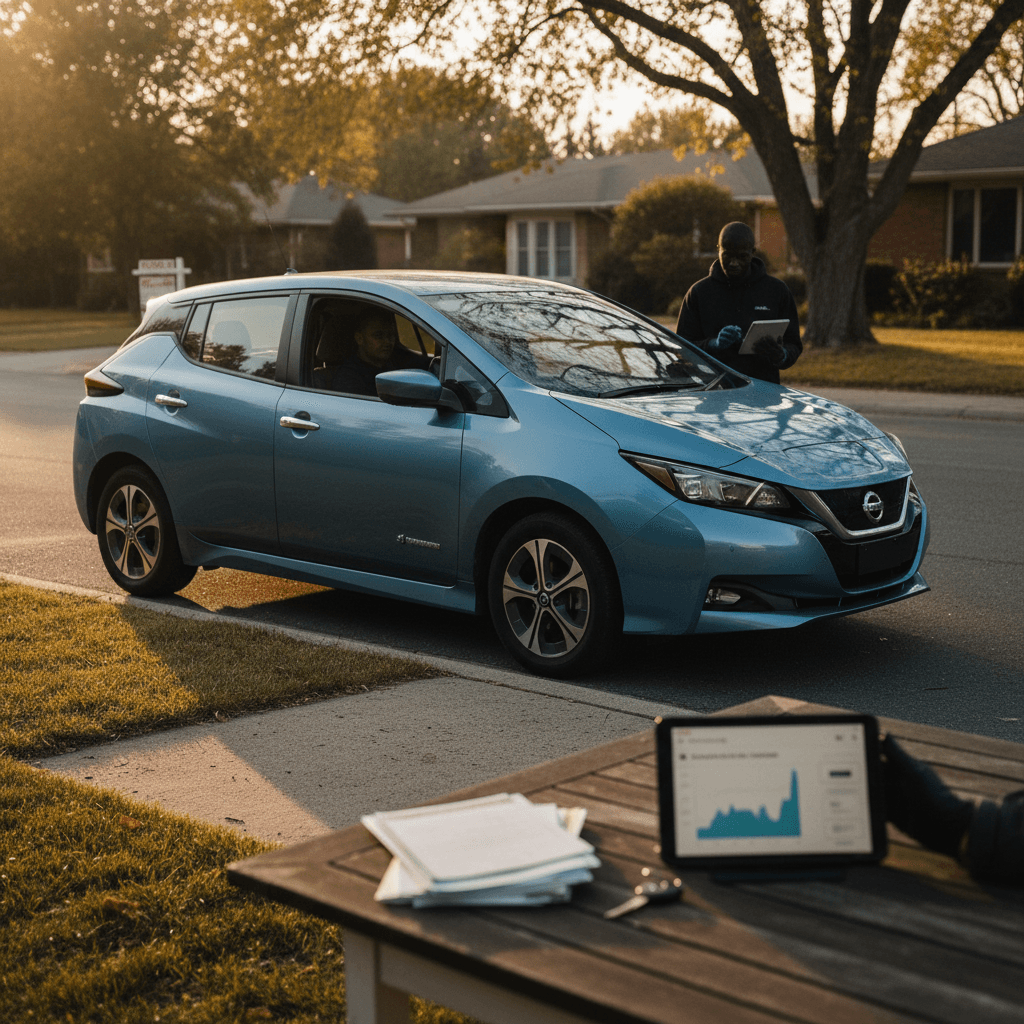
If you’re thinking, “It’s time to sell my Nissan Leaf,” you’re not alone. Leafs are some of the most common used EVs on the road, and also some of the most misunderstood when it comes to resale value, battery health, and the best way to sell. The good news: with the right prep and pricing, you can sell your Leaf quickly without giving it away.
Quick take
Why Selling a Nissan Leaf Is Different From Selling Any Other Car
1. Depreciation hits harder
Multiple market studies show the Nissan Leaf is among the fastest-depreciating EVs, often losing well over half its value in the first five years. That stings for original owners, but it also makes the Leaf one of the best values in the used-EV market, if you position your car correctly.
2. Battery health matters more than mileage
With a gas car, buyers obsess over odometer readings. With a Leaf, serious buyers obsess over state of health (SOH) and the number of capacity bars on the dash. Two Leafs with the same mileage can be thousands of dollars apart in value based purely on battery condition.
Common mistake
How Much Is My Nissan Leaf Worth in 2026
Let’s address the first question on your mind: how much can I sell my Nissan Leaf for? Exact numbers depend on model year, trim (S, SV, SL, Plus), mileage, battery size, condition, and your local market. But we can sketch realistic ranges based on 2024–2026 U.S. data.
Nissan Leaf Value Snapshot (Typical U.S. Ranges in 2026)
Think of those ranges as ballparks, not quotes. A 2018 Leaf SV with a strong battery and clean history might sit at the top of its band, or higher. A similar car with heavy degradation could fall thousands below. Traditional valuation tools are still catching up to this nuance, which is why real EV data and battery diagnostics matter.
Fast way to sanity‑check your price
Battery Health: The Number One Thing Buyers Care About
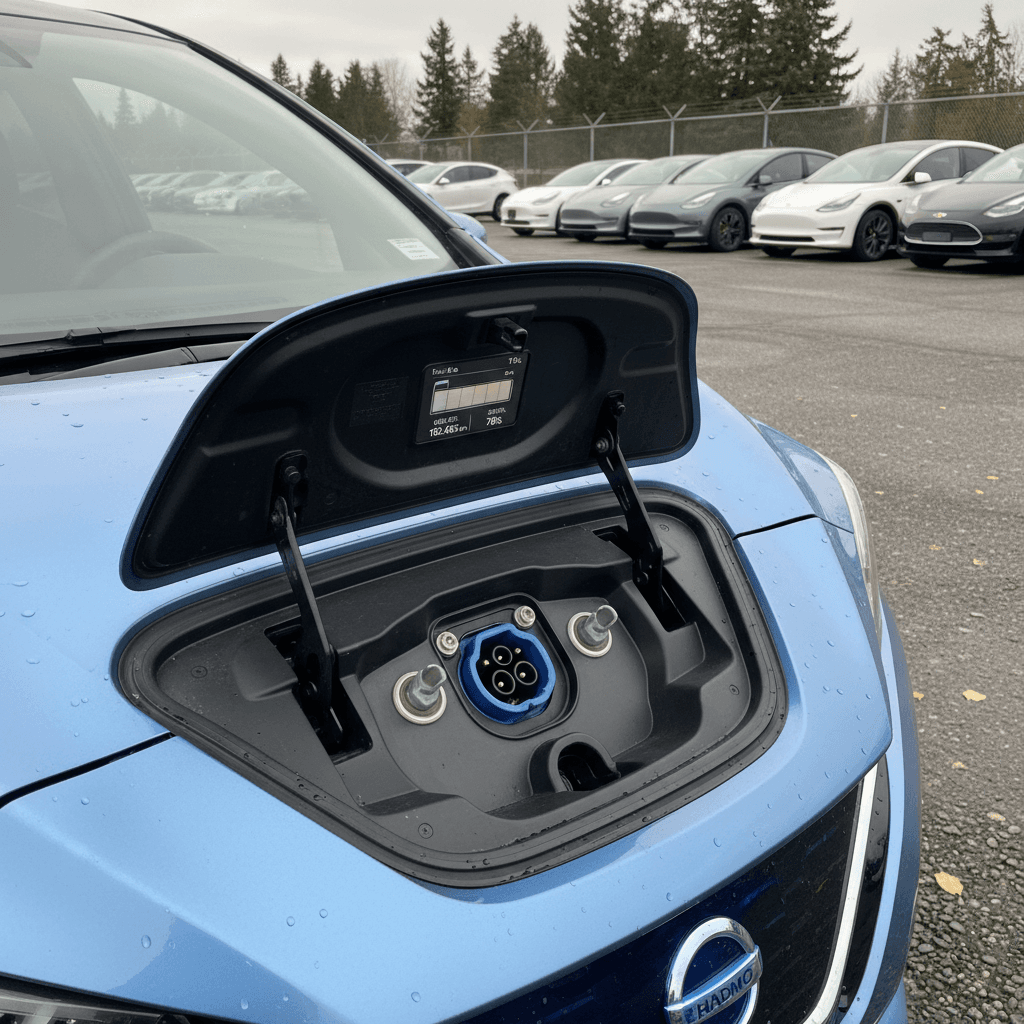
If you remember only one thing from this guide, make it this: your Leaf’s battery health will make or break the sale. In owner forums, you’ll see the same warning over and over, no one should buy a used Leaf without checking the battery. Smart buyers know this, and they will reward sellers who come prepared with proof.
3 Signs Your Nissan Leaf’s Battery Will Help (Not Hurt) Your Sale
What informed buyers look for before they even schedule a test drive
1. Capacity bars on the dash
A healthy modern Leaf typically shows 11–12 capacity bars. Dropping to 9 or fewer bars is a red flag for many buyers, especially on 24 or 30 kWh packs.
2. Third‑party battery scan
Apps like LeafSpy can read state of health (SOH) and cell balance. Many buyers will pay more if you can share a recent scan with screenshots or a printed report.
3. Clear usage story
Daily commuting, mostly Level 2 charging, and few DC fast‑charge sessions is the ideal story. Lots of rapid charging and frequent deep discharges can worry educated shoppers.
Don’t hide a weak pack
Where Should I Sell My Nissan Leaf
You’ve got four main options when you decide, “I’m ready to sell my Nissan Leaf.” Each comes with a trade‑off between convenience, price, and how much EV education you’ll have to do.
Ways to Sell a Nissan Leaf in 2026
Compare speed, effort, and likely payout across the main selling channels.
| Option | Typical Payout | Time & Effort | Pros | Cons |
|---|---|---|---|---|
| Dealer trade‑in | Lowest | Very low | Fast, reduces sales tax on your next car in many states, no strangers at your house | Dealers often under‑value EVs and ignore battery health |
| Instant‑offer sites | Low–medium | Low | Quick quotes, mostly online, convenient if you just want it gone | May treat Leaf like any other compact hatchback, conservative offers |
| Private sale | Highest | High | Best price, you control the story and paperwork | Requires photos, listings, messages, test drives, and vetting buyers |
| EV‑focused marketplace (like Recharged) | Medium–high | Medium | Battery health and market data priced in, EV‑savvy buyers, help with paperwork and logistics | Fees or commission, may take longer than a basic trade‑in |
Private sales tend to pay the most, but EV‑savvy marketplaces can narrow the gap while saving you time.
Where Recharged fits in
Step-by-Step Checklist Before You Sell
Pre‑Sale Checklist for Nissan Leaf Owners
1. Pull your title and loan info
Make sure you know whether you still owe on the car and where the title is. Buyers, and platforms like Recharged, will need this to complete the sale or consignment paperwork.
2. Document battery health
Note capacity bars, capture recent range on your usual route, or run a LeafSpy scan. Platforms like Recharged will perform their own <strong>Recharged Score battery diagnostics</strong>, but having your own data builds confidence.
3. Gather service and charging history
Oil changes don’t apply, but tire rotations, brake service, cabin filters, and battery‑related work do. Note how you’ve typically charged, at home on Level 2, occasional DC fast‑charging, etc.
4. Clean, repair, and de‑personalize
A professional detail isn’t mandatory, but a clean cabin, washed exterior, and simple fixes (bulbs, wipers, floor mats) can easily add hundreds in perceived value. Remove personal items and stickers where possible.
5. Take honest, high‑quality photos
Shoot the exterior from multiple angles, the interior, infotainment screen, odometer, and battery display. If there’s cosmetic damage, photograph it clearly instead of hiding it, serious buyers appreciate transparency.
6. Decide on your selling channel
Based on your priorities, fast sale, maximum price, or minimal hassle, choose between trade‑in, instant offer, private sale, or an EV‑focused marketplace like <strong>Recharged</strong>. Then tailor your pricing and listing to that path.
Pricing Strategy: How to Avoid Leaving Money on the Table
Leaf values are volatile. Incentives on new EVs, local electricity prices, and shifting sentiment about older batteries can all move prices quickly. Instead of anchoring to one valuation tool, build a pricing strategy from multiple signals.
- Start with a few valuation tools (KBB, Edmunds, etc.) to get a baseline for your model year, trim, and mileage.
- Search active listings within a few hundred miles for Leafs that match your year, trim, and battery size. Focus on cars that have actually sold or gone pending, not just long‑running ads.
- Adjust your target price up if you have a strong SOH, clean history, and desirable options like ProPILOT Assist or a heat pump.
- Adjust it down if your Leaf has heavy degradation, accident history, or cosmetic issues you don’t plan to fix.
- Decide on a realistic **list vs. walk‑away** number. Many private‑sale buyers will try to negotiate 5–10% off your asking price. Build that into your strategy.
Use round numbers strategically
When it makes sense to hold your Leaf
- You rely on the car for a short commute and the current range still works comfortably.
- You’re upside‑down on your loan and offers don’t cover the balance plus taxes/fees on a replacement.
- You expect to keep it another 2–3 years and “use up” more of the remaining battery value.
When it’s smarter to sell now
- Range has already dropped below what you need, and you’re planning to replace the car anyway.
- Newer EVs with bigger batteries and faster charging are heavily discounted in your area.
- You can lock in a strong offer today and avoid further depreciation or battery loss.
How Recharged Helps You Sell a Nissan Leaf With Confidence
Selling a Leaf is easiest when you can prove what buyers worry about most: battery health, fair pricing, and condition. That’s exactly what Recharged was built to do for used EVs.
What You Get When You Sell or Consign a Nissan Leaf With Recharged
Designed around EVs, not gas‑car assumptions
Recharged Score battery diagnostics
Every Leaf gets a Recharged Score Report with verified battery health, real‑world range estimates, and a clear explanation of how that impacts value. That takes the guesswork out, for you and the buyer.
Data‑driven, fair market pricing
Recharged uses EV‑specific market data, not just generic compact‑car comps, to set pricing guidance. That helps you avoid overpricing your Leaf or letting it go for less than it’s worth.
Flexible ways to sell
Depending on your situation, you can get an instant offer, trade‑in value, or list on consignment. Recharged also offers nationwide delivery and an Experience Center in Richmond, VA, so out‑of‑area buyers can shop your car with confidence.
Ready to find your next EV?
Browse VehiclesLocal to Virginia?
FAQ: Selling a Nissan Leaf
Frequently Asked Questions About Selling a Nissan Leaf
Bottom Line: Best Way to Sell My Nissan Leaf
Selling a Nissan Leaf in 2026 isn’t as simple as plugging numbers into a generic pricing tool and waiting for offers. Depreciation is steep, battery health is critical, and many buyers are still learning how to evaluate used EVs. That’s your opportunity. If you can clearly show your Leaf’s battery condition, tell an honest story about how it’s been used, and price it based on real EV market data, you can sell quickly and confidently.
If you’d rather not navigate all of that alone, consider bringing your car to Recharged. With expert EV specialists, the Recharged Score battery health report, flexible selling and trade‑in options, and nationwide reach, Recharged is built to help you turn “How do I sell my Nissan Leaf?” into a fair, transparent sale from start to finish.