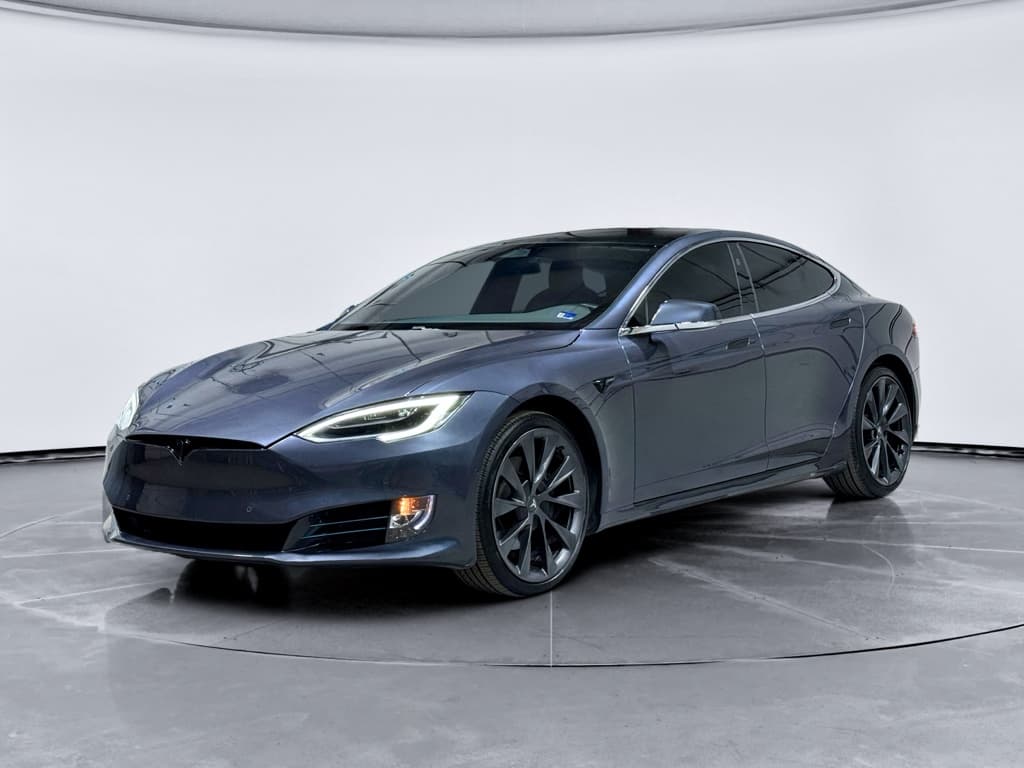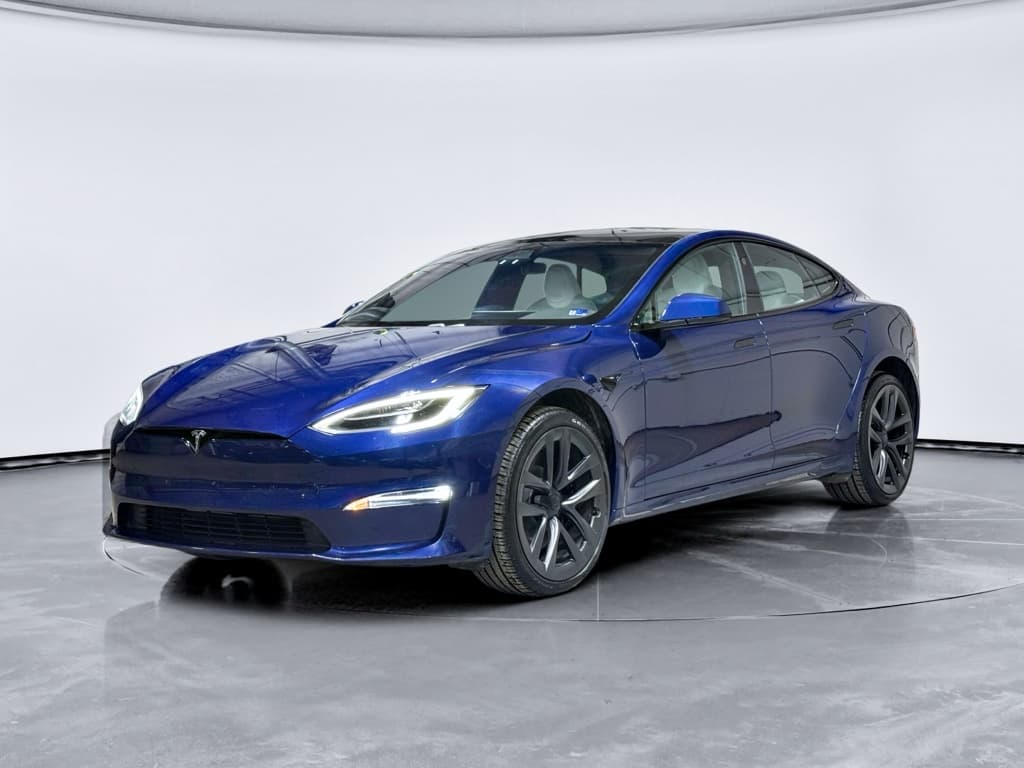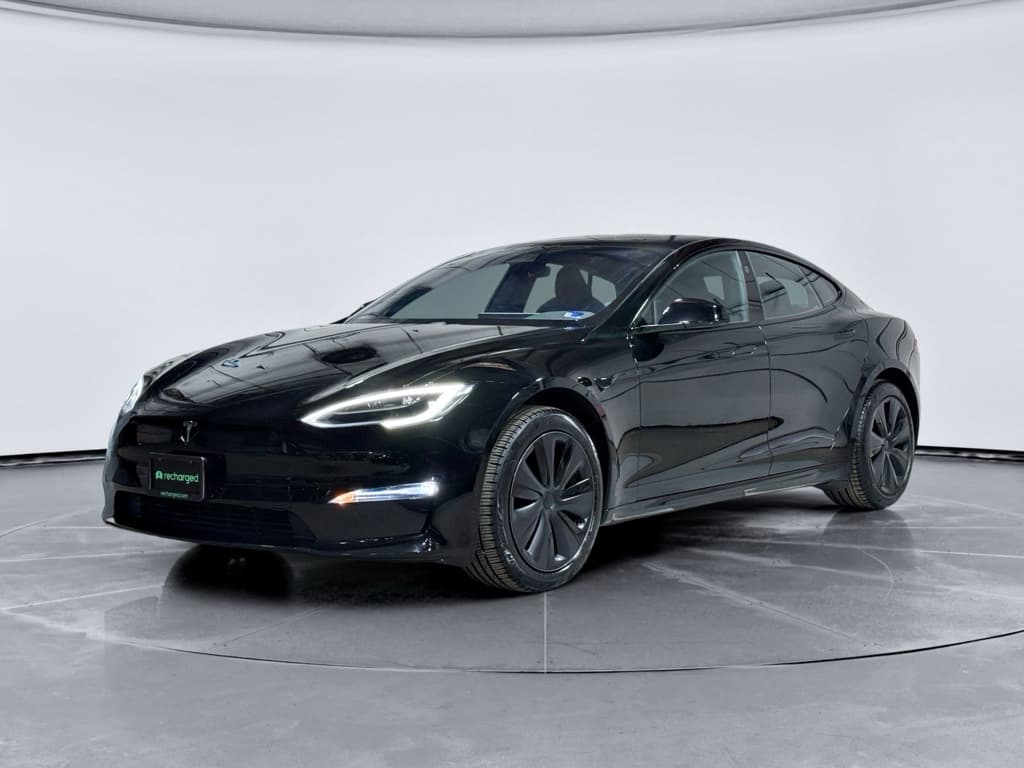
If you’re eyeing a used luxury EV, the 2018 Tesla Model S is probably on your shortlist. It offers big range, huge performance, and access to Tesla’s Supercharger network, but how does 2018 Tesla Model S reliability actually stack up once the new‑car shine has worn off?
Quick take
2018 Tesla Model S reliability at a glance
2018 Model S reliability snapshot
Reliability for a 2018 Model S is a bit of a split personality. On one hand, owners generally love the car and report high satisfaction. On the other, long‑term survey data and recall history show that the 2018 isn’t as bulletproof as you might hope from a high‑tech flagship. The good news: the most expensive components, battery and drive unit, tend to hold up well and are backed by strong warranties. The tradeoff is a higher likelihood of electronic quirks and the occasional nuisance repair.
How reliable is the 2018 Tesla Model S?
Third‑party data paints a nuanced picture. Some reliability surveys rate the 2018 Model S below average versus other 2018 luxury vehicles, largely because of electronics and trim issues. At the same time, owner‑review platforms tilt strongly positive, with most drivers giving their cars top marks for day‑to‑day dependability, especially around the powertrain and braking system.
- Strengths: Battery and drive unit longevity, simple EV drivetrain with very few moving parts, over‑the‑air fixes for many issues, outstanding performance even at higher mileage.
- Weak spots: Central touchscreen (MCU) failures on early‑2018 builds, minor but annoying software glitches, occasional air suspension and door handle issues, plus a relatively high number of non‑safety‑critical recalls.
How to think about “EV reliability”
Common 2018 Model S problems to know about
Every model year has patterns. For the 2018 Model S, the most commonly reported issues fall into a few buckets: MCU and infotainment problems, some high‑voltage battery failures outside the norm, suspension wear, and minor interior or trim defects. Many cars will never see the worst of these, but as a used‑car shopper you should know what *can* go wrong.
Top trouble spots on the 2018 Model S
Not every car will have these issues, but they’re the ones you’ll hear about most often.
Center screen / MCU
Early‑2018 cars built with the older 8GB eMMC memory in the MCU can experience slowdowns, reboots, or complete black‑screen failures as the chip wears out.
In response, Tesla implemented a warranty adjustment that extends coverage on this component for many 2018 cars. Still, it’s a known pain point to check when shopping used.
Isolated battery failures
Most 2018 packs age well, but a subset of owners report full high‑voltage battery failures that required pack replacement under warranty.
This is rare in percentage terms, yet replacement cost outside warranty can run well into five figures. Verifying battery health and warranty status is critical.
Suspension & door handles
Some Model S owners report front suspension noises, control arm wear, or air‑suspension component replacements, along with intermittent front door handle malfunctions.
These are inconvenient rather than catastrophic, but repairs can be expensive if multiple components need replacement at once.
Don’t ignore small glitches
Battery and drive unit longevity on a 2018 Model S
From a reliability standpoint, the big question with any used EV is simple: “Will the battery and motor hold up?” For most 2018 Model S owners, the answer so far has been yes. Tesla’s own warranty for Model S covers the high‑voltage battery and drive unit for 8 years or 150,000 miles from original in‑service date, with a minimum 70% capacity retention target in that period. That means a 2018 car first sold in, say, June 2018 remains under battery and drive‑unit coverage until mid‑2026, assuming it hasn’t already crossed the mileage limit.
Battery degradation
Real‑world reports from 2018 Model S owners generally show modest degradation, often in the 5–15% range by 100,000 miles, depending on climate, Supercharger use, and how frequently the pack is charged to 100%.
- Heavy Supercharger use can stress the pack but doesn’t automatically doom it. Many high‑mileage cars still deliver strong range.
- Cooler climates tend to be easier on batteries; very hot environments can accelerate degradation if the car spends a lot of time parked in the sun.
Drive unit durability
The single or dual electric motors in the Model S have far fewer moving parts than a gas engine and generally prove robust. Early‑run Model S cars had more drive‑unit replacements, but by 2018 the design had matured.
You’ll still see occasional reports of motor or gearbox noise leading to replacement, yet it’s not a systemic 2018‑specific failure pattern like the earlier years saw.
Quick way to sanity‑check battery health
Electronics, MCU failures, and software quirks
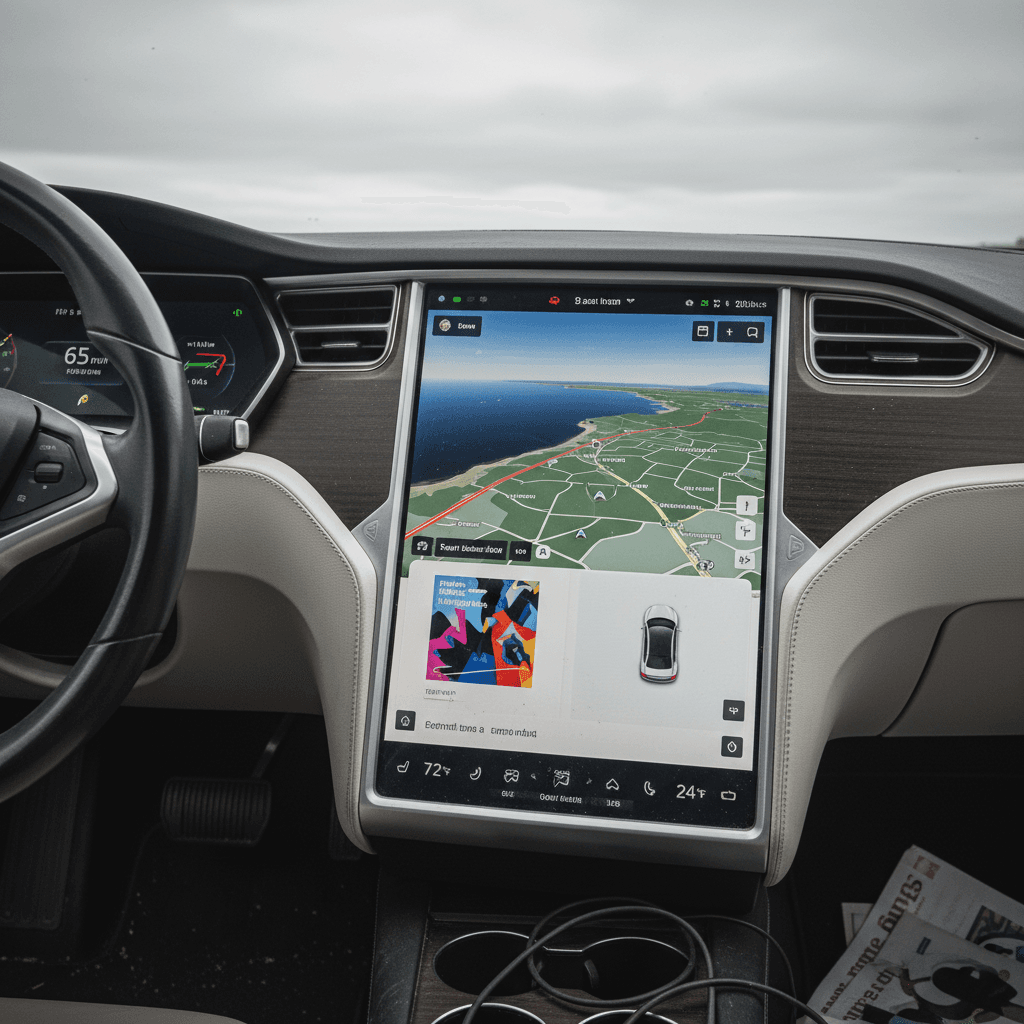
If there’s a single reliability storyline for pre‑2020 Teslas, it’s the central touchscreen, or MCU. That screen controls climate, navigation, many safety systems, and your backup camera. When it misbehaves, it feels like the whole car is acting up.
2018 Model S MCU & electronics issues
What can go wrong, how serious it is, and what to ask about.
| Issue | Typical symptoms | How serious? | What to do before buying |
|---|---|---|---|
| Aging 8GB eMMC chip (early 2018 builds) | Slow boot‑up, frozen maps, blank screen, random reboots | Medium – car is drivable, but safety‑relevant features like backup camera and defogging can be affected if the screen dies | Check service history for eMMC or MCU replacement; confirm recall and warranty‑adjustment work were completed. |
| MCU outright failure | Center screen goes black and won’t restart | Higher – you may temporarily lose access to key controls until repaired | Make sure the car powers up cleanly several times during your test drive; walk away from any car with an unrepaired dead screen. |
| Software glitches / phantom alerts | Random warnings that clear with a reboot, Bluetooth oddities, intermittent Autopilot behavior | Low to medium – often resolved with software updates | Verify the car is running a current software version and that prior owner kept up with updates. |
| Minor sensor or camera errors | Lane‑keeping or cruise control temporarily unavailable, camera calibration messages | Low – usually fixed with recalibration or minor hardware replacement | Ask for documentation of any camera or sensor repairs and road‑test all ADAS features. |
Not every 2018 Model S is affected, but these are the patterns you’ll want to screen for in a used car inspection.
Tesla’s extended MCU coverage
Suspension, brakes, and interior wear
Because the 2018 Model S is heavy, powerful, and often driven enthusiastically, traditional wear items work hard. Brakes actually last longer than on a gas car, thanks to strong regenerative braking, but the weight does tax suspension components and tires.
- Suspension: Some owners report clunks over bumps, premature front control arm wear, or air‑suspension component replacements. On high‑mileage cars, expect to see at least some suspension work in the service records.
- Brakes: Pads and rotors often last far longer than on comparable gas sedans because regen braking does most of the slowing. But if a prior owner drove aggressively or lived in a salty winter climate, you could see rotor corrosion or seized caliper pins.
- Tires: Instant torque plus heavy curb weight equals tire wear. Performance variants, especially with 21‑inch wheels, can chew through tires quickly.
- Interior & trim: Generally holds up well, though squeaks/rattles, bubbling chrome on door handles, and minor trim misalignments aren’t unusual by year eight.
Performance models need extra scrutiny
Recalls and warranty coverage for 2018 Model S
The 2018 Model S has been covered by a double‑digit number of recalls over its life, most of them software‑addressable items like Autopilot behavior, chimes, or lighting behavior. One high‑profile recall targeted the 2012–2018 Model S and 2016–2018 Model X for MCU processor wear that could disable the backup camera and limit climate control. In that campaign, Tesla replaced the affected hardware with a more durable part at no cost to owners.
2018 Model S warranty cheat sheet
1. Basic vehicle warranty
Originally 4 years or 50,000 miles from first in‑service date. On a 2018, this has almost certainly expired unless the car was first titled very late in the year or sold under a certified pre‑owned program later on.
2. Battery & drive unit warranty
Typically 8 years or 150,000 miles for Model S, with a minimum 70% capacity retention target. For many 2018 cars, this coverage runs well into 2026, as long as the mileage is under the cap.
3. MCU / eMMC extended coverage
Tesla created an 8‑year / 100,000‑mile warranty‑adjustment program for cars built before March 2018 with the older 8GB eMMC chip. That means many early 2018 cars have extra protection against MCU memory failures.
4. Recall status
All recalls should be performed at no cost. Use the VIN with Tesla or NHTSA’s online tools to verify completion before you buy, especially MCU, suspension, and airbag‑related campaigns.
Why warranty still matters on an eight‑year‑old EV
Real‑world costs: Repairs, maintenance, and downtime
Compared with a gas luxury sedan, a 2018 Model S often costs less to keep on the road day‑to‑day, no oil changes, spark plugs, or transmission service, and fewer moving parts overall. But when something does go wrong out of warranty, parts and labor can be expensive, and you’re largely tied to Tesla’s service network.
Typical ongoing costs
- Tires: Expect to budget generously, especially on Performance models or cars with 21‑inch wheels.
- Annual checkups: Tesla doesn’t require fixed‑interval services, but many owners do periodic inspections for peace of mind.
- Brake service: Less frequent than a gas car, but still necessary as the car ages, especially in rust‑belt climates.
Big‑ticket risks
- Out‑of‑warranty MCU replacement: Can run into the low thousands of dollars if not covered by the eMMC program.
- Suspension overhauls: Multiple control arms, bushings, or air‑suspension components replaced together add up.
- Battery or drive unit replacement out of warranty: Rare, but easily the most expensive failure scenario. That’s why checking remaining warranty and battery health is critical.
Don’t gamble on an uninspected car
How to shop smart for a used 2018 Tesla Model S
If you’re comfortable with the tradeoffs, a 2018 Model S can be a fantastic value in the used market. The key is sorting the solid cars from the problem children. Because everything in a Tesla runs through software, you can learn a lot before you even drive the car.
Used 2018 Model S reliability checklist
1. Verify battery & drive‑unit warranty dates
Ask for the original in‑service date and current mileage. Confirm how much time and mileage are left on the 8‑year / 150,000‑mile battery and drive‑unit warranty, and get it in writing.
2. Check MCU behavior and history
Power the car on and off several times. Watch for laggy response, reboots, or black screens. Ask specifically whether the MCU or eMMC has been replaced and if any recall or warranty‑adjustment work is documented.
3. Review recall completion
Run the VIN through official recall tools and ask for service receipts showing completion, particularly for the MCU campaign and any airbag or seatbelt work.
4. Listen for suspension noises
On the test drive, take the car over uneven pavement at low speed with the radio off. Any clunks, pops, or groans from the front end deserve a closer look on a lift.
5. Evaluate tire and brake condition
Uneven tire wear or lip‑worn rotors can hint at alignment or suspension issues. Factor upcoming tire or brake replacement into your total cost, not just the purchase price.
6. Scan for error messages
Before and after the drive, check the instrument cluster and center screen for warnings, even ones that disappear after a reboot. Intermittent alerts can signal developing problems with sensors, cameras, or the high‑voltage system.
Good signs in a used 2018 Model S
How Recharged helps you de‑risk a used Model S
Shopping for a 2018 Model S shouldn’t require a graduate degree in EV diagnostics. At Recharged, every car gets a Recharged Score Report that goes well beyond a typical used‑car checklist, so you don’t have to be the expert.
What you get with a Recharged 2018 Model S
Less guesswork, more transparency.
Verified battery health
We test and report on actual usable capacity, charging behavior, and estimated remaining life, not just what the dash happens to show on one day. That helps you understand whether the car still delivers the range you need.
Detailed EV inspection
Our EV‑specialist technicians inspect for known Model S trouble spots: MCU operation, suspension noise, tire wear patterns, charging hardware, and more. You see the results up front.
Financing & trade‑in options
Recharged can help you finance your used Model S, value your trade‑in, and even arrange nationwide delivery, so you can focus on choosing the right car, not on paperwork and logistics.
Ready to find your next EV?
Browse VehiclesIf you’d rather not negotiate at a traditional dealer or take your chances on a private‑party sale, you can buy and sell completely online with Recharged, or visit our Experience Center in Richmond, VA to see vehicles in person and talk through the numbers with EV‑savvy staff.
FAQ: 2018 Tesla Model S reliability questions
Frequently asked questions about 2018 Model S reliability
Bottom line: Is a 2018 Tesla Model S a good bet?
The 2018 Tesla Model S isn’t a flawless car, but it is a fundamentally solid EV with a strong powertrain, excellent range, and very high owner satisfaction. Its weak spots are centered on electronics, MCU longevity, and some suspension and trim issues, not the catastrophic engine or transmission failures you’d worry about in a gas luxury sedan of similar age.
If you go in with clear eyes, insist on documentation, and lean on tools like a battery‑health report and a thorough EV‑specific inspection, a 2018 Model S can deliver a lot of performance and tech for the money. And if you’d prefer a curated experience with those checks already done, Recharged can help you find, finance, and buy a used Model S that fits your budget and your risk tolerance.