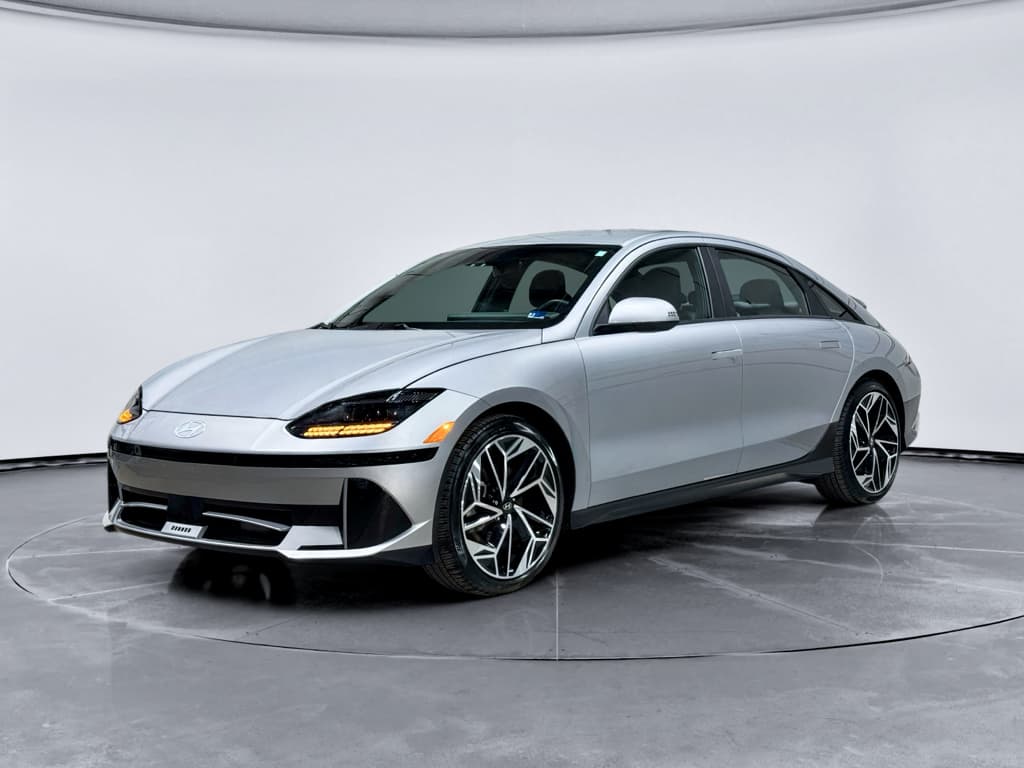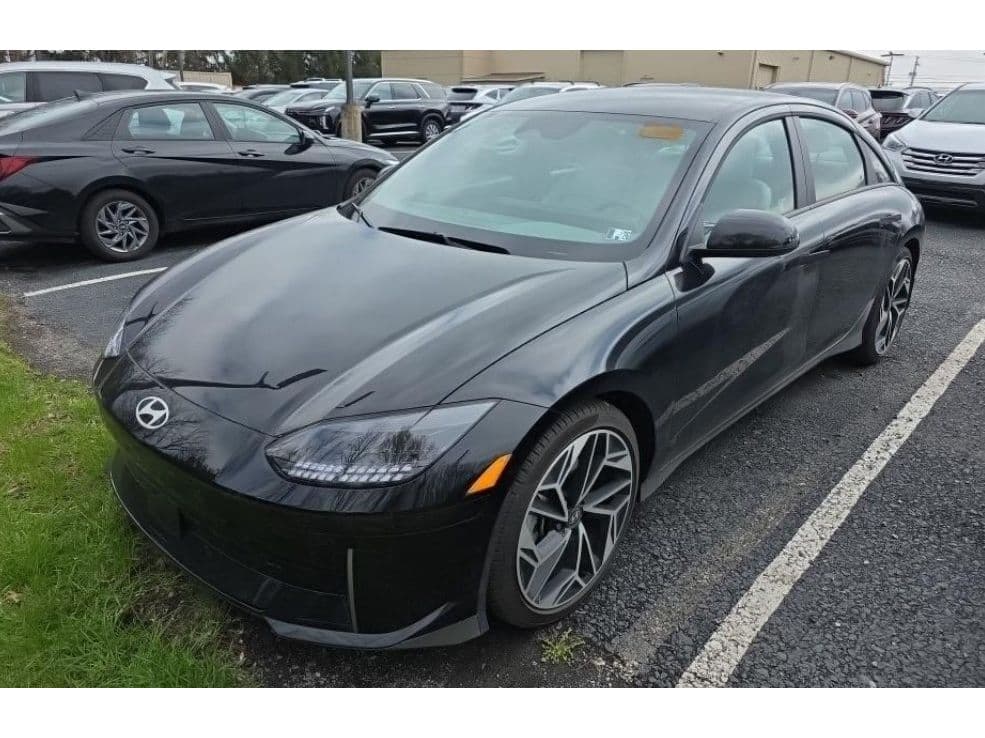
If you’re thinking, “It’s time to sell my Hyundai Ioniq 6,” you’re not alone, and you’re probably staring down some ugly trade‑in numbers. The Ioniq 6 is a brilliant EV wrapped in a polarizing sedan body, which means it drives beautifully but doesn’t always hold its value the way you’d hope. The good news: with the right timing, pricing, and selling channel, you can claw back thousands that most owners leave on the table.
Quick take
Why Selling a Hyundai Ioniq 6 Feels Tricky Right Now
On paper, the Hyundai Ioniq 6 should be a resale darling: ultra‑efficient, fast‑charging E‑GMP platform, handsome interior, and solid tech. In reality, two forces have kneecapped values. First, aggressive discounts and lease incentives on new cars over the last few years pushed transaction prices far below MSRP. Second, early‑generation EVs across the market have seen steeper depreciation as buyers chase the latest range numbers and charging features.
Hyundai Ioniq 6 Resale Snapshot in 2026 (Typical, Not Guaranteed)
Why online price “ranges” mislead Ioniq 6 owners
How Much Is My Hyundai Ioniq 6 Worth Today?
The brutally honest answer: it depends on year, trim, mileage, battery health, and where you sell it. A 2023 Ioniq 6 SEL with 15,000 miles and clean history is a very different animal from a high‑mileage Limited with a few fast‑charging scars on its battery.
Typical 2026 Value Bands for Used Hyundai Ioniq 6 (U.S.)
These rough bands assume clean history, normal wear, and no major battery issues. Your local market and options can move numbers up or down.
| Model year | Odometer range | Condition example | Possible trade‑in band* | Possible private/online sale band* |
|---|---|---|---|---|
| 2023 | 10,000–25,000 mi | SEL/Limited, clean | Low $20,000s | Mid–high $20,000s |
| 2024 | 5,000–20,000 mi | SE/SEL, clean | Mid $20,000s | High $20,000s–low $30,000s |
| 2025 | Under 15,000 mi | Well‑equipped | High $20,000s–low $30,000s | Low–mid $30,000s |
Use these as directional ranges, not appraisals. For an exact value, you’ll need a condition‑ and battery‑specific quote.
About these numbers
Best Time to Sell a Hyundai Ioniq 6
With the Ioniq 6, timing really is money. The car sheds value sharply in the first couple of years, then settles into a slower slide. The sweet spot is usually when the car is still relatively new, mileage is modest, and the next big tech refresh hasn’t made it feel yesterday’s news.
When to Pull the Trigger on Selling
1. Target years 2–3 of ownership
By the time your Ioniq 6 is 24–36 months old, some of the worst first‑year depreciation is already baked in, but the car still feels current. Many sellers see the best price‑to‑hassle ratio in this window.
2. Sell before a major facelift or new battery tech
If Hyundai announces a big interior refresh or range bump, older cars can suddenly feel dated. If leaks and previews start buzzing, it’s a sign to sell sooner rather than later.
3. Watch local EV incentive changes
When federal or state incentives change, demand for new EVs can spike, or collapse. That ripples straight into used prices. If a generous rebate is about to end, some buyers will rush to new instead of used, softening your resale.
4. Sell before you cross a mileage “cliff”
In the U.S., buyers are sensitive to round numbers: 20,000, 30,000, 40,000 miles. You may get better offers at 29,800 miles than at 31,200, even though the difference is a couple of commutes.
5. Avoid selling in the dead of winter, if you can
Cold‑weather range anxiety is very real. In many regions, used‑EV demand softens when it’s freezing and people are watching their range shrink. Spring and early fall often bring healthier interest.
Use your next registration or tire change as a selling milestone
Where Should I Sell My Hyundai Ioniq 6?
When you say “sell my Hyundai Ioniq 6,” what you’re really deciding is how much hassle you’re willing to tolerate in exchange for more money. EVs complicate this, because not every buyer, or dealer, understands them. Here’s how the main options stack up.
Main Ways to Sell a Hyundai Ioniq 6
More convenience usually means less money. The trick is finding your own balance.
1. Dealership trade‑in
Pros:
- Fastest and easiest, rolls straight into your next deal.
- No strangers at your house, no DMV lines.
Cons:
- Often thousands less than market value, especially on EVs.
- Many sales managers still treat EVs like a niche headache.
2. Instant online offer
Pros:
- Quick valuation from your couch.
- Some buyers pick up at your home and pay electronically.
Cons:
- Algorithms can’t fully “see” condition or battery health.
- Offers may be revised after in‑person inspection.
3. Private or marketplace sale
Pros:
- Highest potential payout if you price and present it well.
- You control the story, ideal for a well‑cared‑for EV.
Cons:
- Requires time, patience, and some salesmanship.
- Need to screen buyers and handle paperwork safely.
Traditional routes
Most Ioniq 6 owners start with a dealer quote or a big‑box online buyer. That’s fine for a sanity check, but it tends to undervalue cars with great battery health, rare colors, or desirable options. The systems are built to move metal quickly, not to explain why your particular car justifies a better price.
EV‑specialist marketplace like Recharged
Recharged is built specifically around used electric vehicles. When you sell through Recharged, your Ioniq 6 gets a Recharged Score Report with verified battery diagnostics, transparent pricing analysis, and guidance from EV specialists, not generalist sales staff guessing about range and charging.
That combination tends to narrow the gap between what you’re offered and what buyers are actually willing to pay for a well‑cared‑for Ioniq 6.
Step-by-Step Checklist Before You Sell
Pre‑Sale Checklist for Your Hyundai Ioniq 6
1. Pull your service and charging history
Download service records from your Hyundai account and gather receipts for tire rotations, recalls, and any repairs. If you’ve mostly DC‑fast‑charged, be ready to talk about it honestly.
2. Get a battery‑health report
A third‑party diagnostic, or a <strong>Recharged Score</strong> if you work with Recharged, translates raw data into something a buyer can understand: remaining capacity, fast‑charge history, and any warning signs.
3. Fix simple cosmetic issues
Touch‑up paint on small chips, repair curb‑rashed wheels if affordable, and address obvious interior stains. You don’t need concours‑level prep, but visible neglect scares EV buyers quickly.
4. Detail the interior and de‑clutter the trunk
Wipe the screens, clean dust from the glossy black trim, vacuum everything, and remove personal items from both trunk and frunk. A fresh cabin smell and clean screens go further than you’d think.
5. Photograph the car like a listing pro
Shoot in soft daylight. Capture front three‑quarter, rear three‑quarter, both sides, wheels, interior overview, front seats, rear seats, trunk, and close‑ups of the infotainment screen and odometer.
6. Gather both keys, manuals, and charging accessories
Buyers expect two keys, the portable charging cable, and any adapters that came with the car. Missing pieces give them instant leverage to push your price down.

Pricing Strategy: How to Actually Set Your Asking Price
Pricing a used Ioniq 6 is part detective work, part poker. If you anchor to your original MSRP, you’ll be disappointed. If you blindly accept the first trade‑in number thrown your way, you might leave thousands behind. Here’s a more rational approach.
- Search real‑world listings for similar Ioniq 6 trims, mileage, and options within 250–500 miles of you. Ignore outliers that are obviously mispriced or sitting for months.
- Average the asking prices of 5–10 genuinely comparable cars, then subtract a realistic discount (most buyers expect 3–7% off asking). That’s your likely transaction value.
- Get at least two quick offers: one from a dealer and one from an online buyer. These form your “floor”, the number below which selling makes no sense.
- Adjust up or down based on your car’s story: fresh tires, remaining factory warranty, clean one‑owner history, and a strong battery report justify being near the top of the range.
- Set your asking price slightly above your ideal number to allow for negotiation, but not so high that buyers don’t bother messaging you. For many Ioniq 6s, that’s 3–5% above your real target.
Let your battery report do some of the selling
Why Battery Health Can Make or Break Your Sale
With gas cars, shoppers obsess over oil changes. With EVs like the Ioniq 6, the single biggest unknown, and fear, is battery degradation. Even if your car still shows great range, buyers have read enough scare stories to worry about replacement costs. That’s why a verifiable battery‑health story is now table stakes for top‑tier pricing.
How to Turn Your Ioniq 6’s Battery Into a Selling Point
Buyers don’t want guesses, they want receipts and data.
Show, don’t tell
Instead of saying, “Battery’s fine,” back it up:
- Capture a full‑charge range estimate screenshot.
- Note typical highway range at 70 mph.
- Use a professional diagnostic, such as the Recharged Score, that estimates remaining capacity.
Explain how you’ve charged it
Be transparent in your listing description:
- “Mostly Level 2 home charging, DC fast only on trips.”
- “Battery rarely left at 100% overnight.”
- “Pre‑conditioned before winter fast‑charging when possible.”
Those habits reassure savvy EV buyers, and help justify your price.
Don’t fudge battery issues
How Recharged Helps You Sell a Hyundai Ioniq 6 Smarter
Recharged exists because selling an EV shouldn’t require a PhD in battery chemistry or a second job as a used‑car dealer. If you’d rather not juggle photos, tire‑kicking messages, and skeptical buyers, you can lean on a platform built specifically for cars like your Ioniq 6.
What You Get When You Sell an Ioniq 6 Through Recharged
Built for used EVs, not just any used car.
Recharged Score Report
Your Hyundai Ioniq 6 gets a Recharged Score, a detailed report with verified battery health, charging history insights where available, and fair‑market pricing analysis. Buyers don’t have to guess; they see exactly why your car is priced the way it is.
Expert EV‑specialist support
From “What should I list it for?” to “How do I explain DC fast‑charging to this buyer?”, Recharged pairs you with EV‑savvy specialists who’ve seen hundreds of Ioniq 6 transactions. They help you navigate offers, negotiations, and paperwork without the usual stress.
Flexible selling options & nationwide reach
Recharged offers financing, trade‑in, instant offer or consignment‑style selling, and nationwide delivery. That means your buyer pool isn’t limited to your ZIP code, hugely important for a niche EV sedan that might be more popular two states over.
Ready to find your next EV?
Browse VehiclesPrefer to talk in person?
Recharged operates an Experience Center in Richmond, VA, where EV specialists can walk you through options, explain your Ioniq 6’s Recharged Score, and help you decide whether to sell now or wait.
Or keep it fully digital
If you’d rather never step into a showroom again, Recharged can manage the entire process online, from valuation to paperwork to pickup. You upload details and photos, review your options, and choose the path that makes the most financial sense.
FAQ: Selling a Hyundai Ioniq 6
Frequently Asked Questions About Selling an Ioniq 6
Bottom Line: Is Now the Right Time to Sell?
If you feel like the market did your Hyundai Ioniq 6 dirty, you’re not wrong. Heavy incentives, EV growing pains, and sedan apathy have all leaned on resale. But that doesn’t mean you’re powerless. If your instinct is, “I should sell my Hyundai Ioniq 6 before it drops further,” you may be exactly right, especially if you’re in that 2–3‑year window with reasonable miles and a healthy battery.
Start by getting real‑world numbers: live offers, local comps, and a proper battery‑health report. Then decide whether the convenience of a trade‑in is worth the haircut, or whether a smarter route, like selling through Recharged with a Recharged Score, makes more sense. Either way, walking into the process informed keeps you in the driver’s seat, not the appraiser’s office.