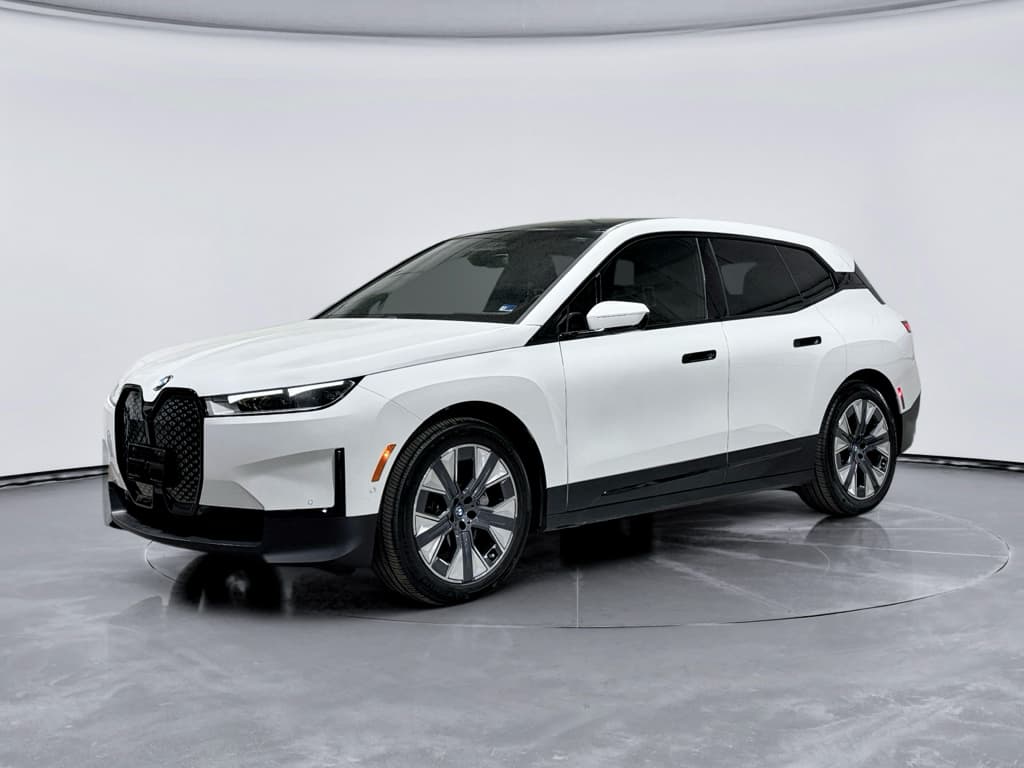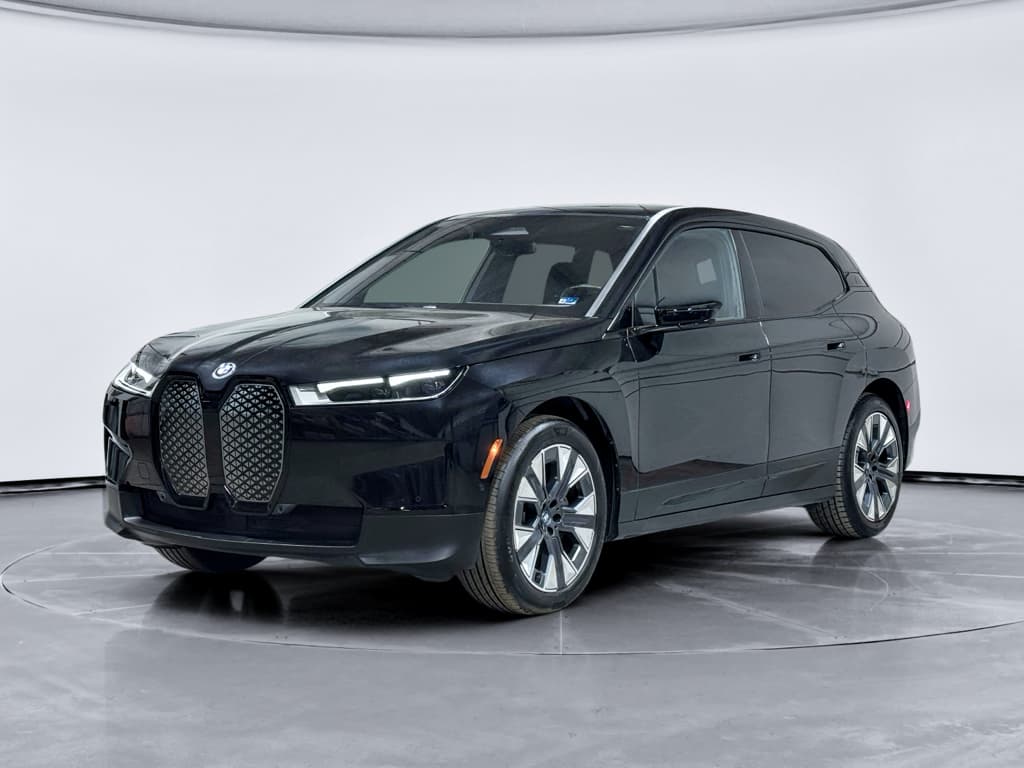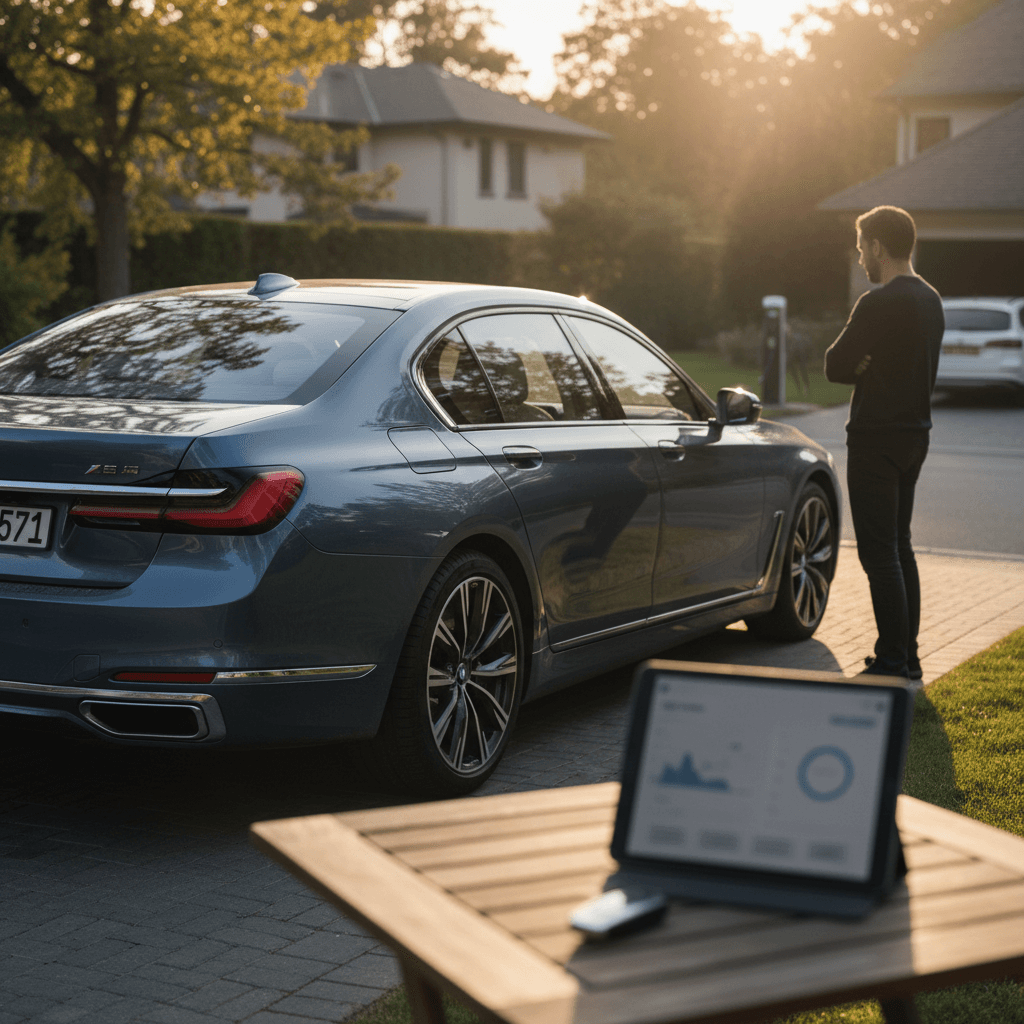
If you’re thinking, “It’s time to sell my BMW i7,” you’re probably staring down two conflicting truths. One: the i7 is an astonishing piece of electric luxury. Two: it’s also one of the harshest-depreciating EV flagships on the road. This guide walks you through when and how to sell, what your i7 is really worth, and how to avoid donating tens of thousands of dollars to the Great EV Depreciation Experiment.
The short version
Why Selling a BMW i7 Is Different From Any Other 7 Series
Ultra‑luxury EV, ultra‑fast depreciation
The i7 arrived as BMW’s electric flagship, with six‑figure MSRPs and options lists that read like concept‑car brochures. In the used market, though, it behaves less like an S‑Class and more like a high‑end gadget: early data shows especially steep drops in value in the first 3–4 years, as newer tech and bigger batteries arrive.
Buyers worry about batteries, not leather
Traditional 7 Series shoppers obsess over spec sheets and service history. i7 buyers care about those plus battery health, charging behavior, and software. If you can’t speak to those, or provide documentation, they will simply move on to the next car.
Reality check on resale
Step 1: Decide When to Sell Your BMW i7
Picking the right moment to sell
Depreciation doesn’t move in a straight line, and you don’t want to be selling at the bottom of the curve if you can help it.
End of warranty milestones
Most U.S. i7s have a 4-year / 50,000-mile new-vehicle warranty and an 8-year / 100,000-mile high-voltage battery warranty (check your paperwork for exact terms). Listing your car before one of those clocks runs out makes buyers less nervous and supports a higher asking price.
Before mileage “cliffs”
On six‑figure luxury EVs, buyers notice big odometer thresholds. All else equal, a car with <20k, <40k, or <60k miles looks cleaner in search filters than one that’s just rolled past. If you’re about to cross one of those lines, consider listing a little earlier.
Ahead of off‑lease waves
As 36‑month leases on early i7s mature, more cars will flood the used market. More supply means more competition. If your car is on the older side and you’re flexible, selling before your local market is swimming in off‑lease i7s can help preserve value.
If you’re on the fence
Step 2: Understand What Your BMW i7 Is Really Worth
BMW i7 value snapshot in today’s market
Online valuation tools are a reasonable starting point, but with the i7 you need to go a layer deeper. Look at actual listings and recent sales for cars that match your year, trim (eDrive50, xDrive60, M70, etc.), mileage, and major packages. Note the difference between dealer retail prices and instant‑offer sites; your realistic number as a private seller usually lands somewhere in between.
Typical BMW i7 price bands by age and mileage
These are illustrative bands based on current U.S. used-market behavior. Always check live data for your specific spec and region.
| Model year | Approx. miles | Condition snapshot | Where many asking prices land |
|---|---|---|---|
| 2026 | Under 10,000 | Essentially new, current body and software | Upper end of the market; often near new-car deals with incentives |
| 2024–2025 | 10,000–30,000 | Still under full warranty, popular option mixes | Strongest buyer interest; generally the sweet spot for selling |
| 2023 | 25,000–50,000 | First owners cycling out, tech still current | Biggest spread; pristine cars do far better than high‑mileage fleet returns |
| Older/early build | 50,000+ | Early adopters exiting, more wear and tear | Price‑sensitive shoppers; condition and battery health become everything |
Use this table as a reality check, not a replacement for up‑to‑the‑minute pricing research.
MSRP is not your friend
Step 3: Get Your i7 and Paperwork Ready to Sell
Pre-sale prep checklist for your BMW i7
1. Fix the easy, obvious stuff
Touch up curb‑rashed wheels, replace missing trim caps, clear warning lights, and address simple cosmetic scuffs. In the six‑figure EV segment, visible neglect is a price‑cut multiplier.
2. Get a high-quality detail
A proper interior and exterior detail, including glass, leather, and piano black trim, does more for perceived value than you think. The i7’s enormous screens and lighting elements look dramatically better when spotless.
3. Gather all charging gear
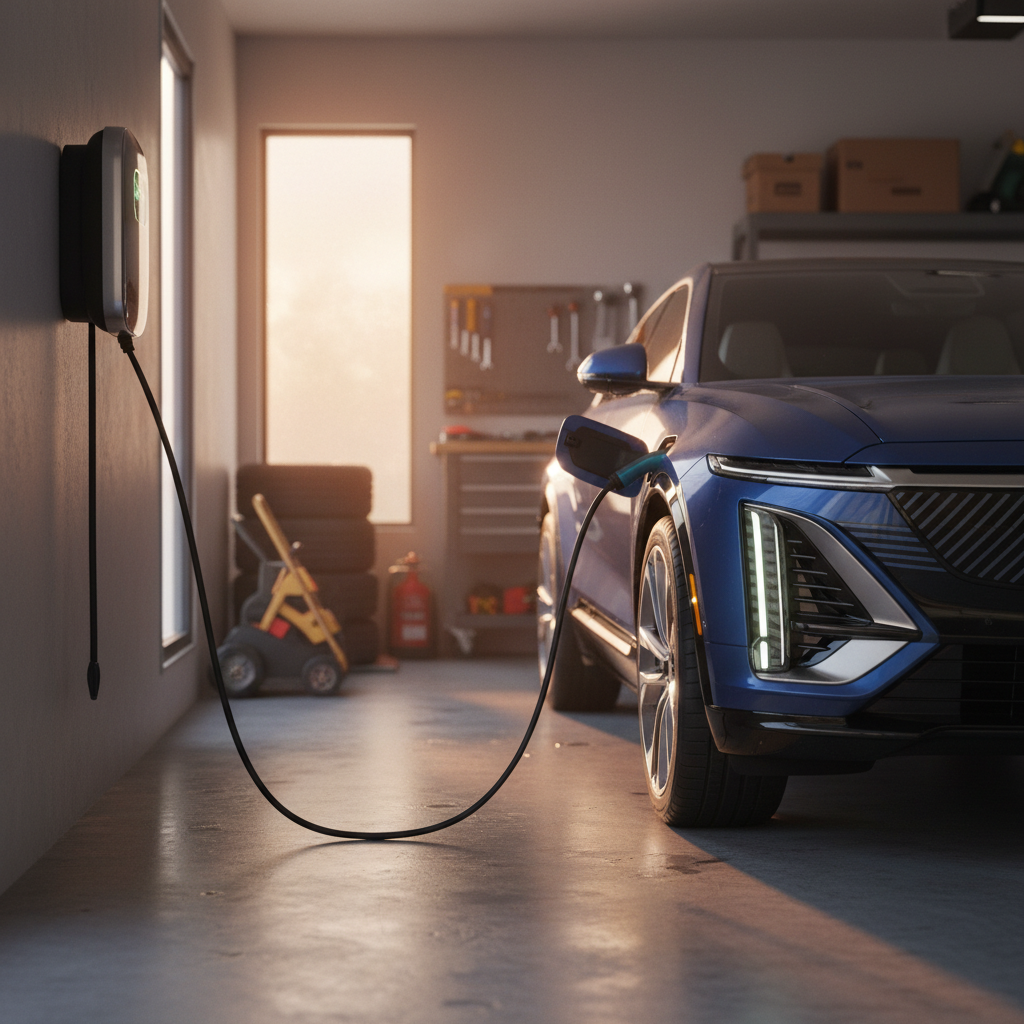
Find the original mobile charger, any included adapters, wall‑box receipts, and documentation for home‑charging upgrades. Missing charging hardware raises buyer anxiety and invites negotiation.
4. Collect service records
Even though there’s no engine, buyers want proof of software updates, recalls, tire rotations, brake work, and any high‑voltage system checks. Download or print a clean history from your BMW account or service center.
5. Pull your title and payoff info
If there’s a lien, call your lender for a current payoff amount and note any early‑termination fees. Have your title, registration, and ID ready so you’re not scrambling when a buyer is finally in front of you.
6. Document the car visually
Shoot clear, well‑lit photos: full exterior from all corners, wheels, interior, rear legroom, the massive screen array, trunk, charging port, and any flaws. The i7’s theater‑on‑wheels interior photographs beautifully, use that to your advantage.

Step 4: Choose How to Sell, Trade-In, Private Sale, or Marketplace
Your main options for selling a BMW i7
Each path trades off convenience, control, and price.
Dealer trade‑in
Best for: Simplicity when you’re immediately buying another car.
- Fastest, least paperwork for you.
- In many states, lowers sales tax on the next vehicle.
- But luxury EVs often get conservative valuations, especially if the dealer is nervous about moving a six‑figure used electric sedan.
Private-party sale
Best for: Maximizing sale price if you’re willing to work for it.
- Potentially several thousand dollars more than a trade‑in.
- Requires screening buyers, allowing test drives, managing funds, and explaining EV ownership.
- Some shoppers will be wary of a complex electric BMW without third‑party backing.
Used‑EV marketplace / consignment
Best for: Getting near‑retail value with less hassle.
- Platforms like Recharged specialize in used EVs and understand cars like the i7.
- They can handle listings, buyer questions, financing, and nationwide shipping.
- Consignment or instant‑offer options balance price and convenience.
Think in net dollars, not just headline price
Step 5: Use Battery Health as a Selling Superpower
With a luxury EV, the real bogeyman in the buyer’s mind isn’t the massage seats, it’s the battery. They know the pack is expensive, and they’ve read enough ominous headlines to be suspicious. If you can prove your i7’s battery health with more than a shrug and a “seems fine,” you immediately separate your car from the pack.
What buyers are afraid of
- Hidden degradation that kills range.
- An out‑of‑warranty high‑voltage failure.
- Evidence of fast‑charging abuse or poor charging habits.
They may not say it out loud, but they’re imagining a five‑figure repair bill landing in their lap three years from now.
How to calm those fears
- Show up‑to‑date range figures relative to the original EPA rating.
- Provide any battery or high‑voltage system inspection reports.
- Explain your charging routine (for instance, mostly home Level 2 charging and avoiding 100% DC fast‑charge sessions).
The more concrete you are, the easier it is for a buyer to believe your asking price.
Where Recharged fits in
Ready to find your next EV?
Browse VehiclesPricing Strategy: How to List Your BMW i7 Without Leaving Money on the Table
- Start with a tight set of comparable listings, same trim, similar miles, similar equipment, within a sensible radius (or nationwide if you’re open to shipping). Throw out the obvious outliers: the weirdly cheap car with a branded title and the inexplicably high one that’s been sitting for months.
- Decide where you want to land on the spectrum of speed vs. price. Need it gone this month? Aim slightly under the heart of the market. Willing to wait for the right buyer? You can price at or just above the typical asking band if your condition and documentation justify it.
- Build in a small but real negotiation cushion, think 2–4%, not 10–15%. Savvy shoppers know the market, and oversized padding screams desperation or gamesmanship.
- Highlight every value‑add that separates your car: battery health documentation, remaining warranties, high‑value options (Executive Package, Bowers & Wilkins audio, rear Theater Screen), new tires, ceramic coating, or included home charger.
- Be ready to adjust quickly. If you’ve had plenty of views and inquiries but no serious offers after 2–3 weeks, the market is sending you a signal. A clean, modest price cut often works better than waiting months in denial.
Don’t forget the description
Common Pitfalls When Selling a BMW i7
Mistakes that quietly cost you thousands
Most of them are avoidable with a bit of prep and the right selling partner.
Treating it like a normal used sedan
If your ad reads like “2023 BMW, low miles, loaded,” you’re missing the point. EV shoppers want to know about battery health, charging, software, and warranty. Ignore those and you’ll either scare away good buyers or be ground down on price.
Hand‑waving away range questions
“I get about what the sticker said when it was new” is not an answer. Know your current realistic highway and mixed‑use range and how it compares to the original EPA rating. If you have a third‑party report, even better, lead with it.
Underestimating buyer education
A surprising number of luxury‑car shoppers are still on their first EV. If you’re selling privately, be prepared to explain home charging, trip planning, and basic battery care. If that sounds exhausting, let an EV‑savvy marketplace handle the hand‑holding.
Taking the first easy offer
Instant‑offer sites and some dealers will happily buy your i7 at a number that looks fine until you discover what comparable cars are actually listed for. Convenience is worth something, but not anything. Know the spread between quick‑sale and market value going in.
Watch for red flags in private buyers
How Recharged Can Help You Sell Your BMW i7
Selling an i7 is not like off‑loading an old crossover. You’re asking someone to buy into a six‑figure‑when‑new, software‑defined EV spaceship with a battery the size of a studio apartment’s monthly rent. That calls for a sales process, and a buyer audience, built for EVs, not just generic used cars.
- Used‑EV expertise, specifically: Recharged focuses on used electric vehicles, including high‑end models like the BMW i7. Our specialists understand battery health, charging behavior, and the options that actually matter to secondary buyers.
- Recharged Score battery health diagnostics: Every vehicle on Recharged includes a Recharged Score Report with verified battery health, pricing context, and condition insights. That independent report helps justify your asking price and calms buyer nerves.
- Flexible selling paths: You can get an instant offer, trade‑in, or use consignment to aim for a higher return while Recharged handles marketing, test‑drive coordination, and buyer screening.
- Nationwide reach and digital retail: Because Recharged operates a fully digital marketplace with nationwide delivery, your buyer doesn’t have to live in your ZIP code. That matters a lot with niche vehicles like the i7, where the ideal buyer might be three time zones away.
- Human guidance start to finish: From pricing strategy to paperwork, you can lean on EV‑literate support instead of trying to educate a traditional dealer about why your Executive Package and battery report matter.
Where to start
FAQ: Selling a BMW i7
Frequently asked questions about selling a BMW i7
The BMW i7 was built to dazzle, not to hold value like an index fund. That’s water under the bridge. What you control now is how intelligently you exit: when you sell, how you present the car, how you document battery health, and which selling path you choose. Get those decisions right, and you can move on to your next chapter in electric ownership having enjoyed the theater, the silence, and the soft‑close doors, without donating more of your investment than necessary to depreciation.