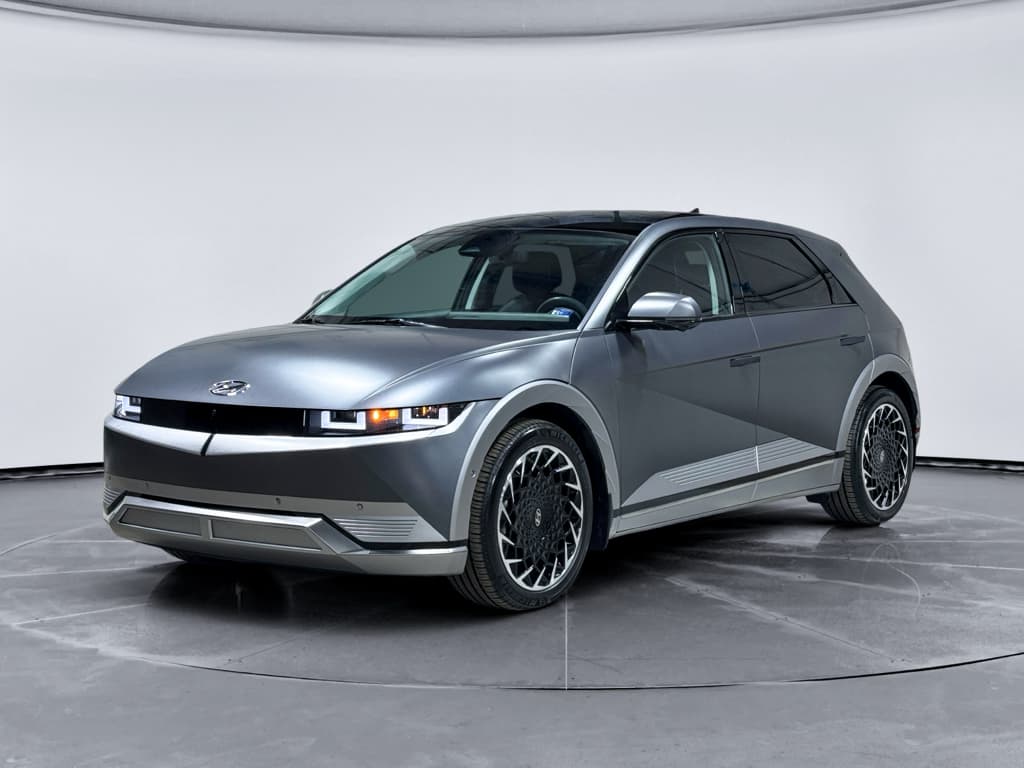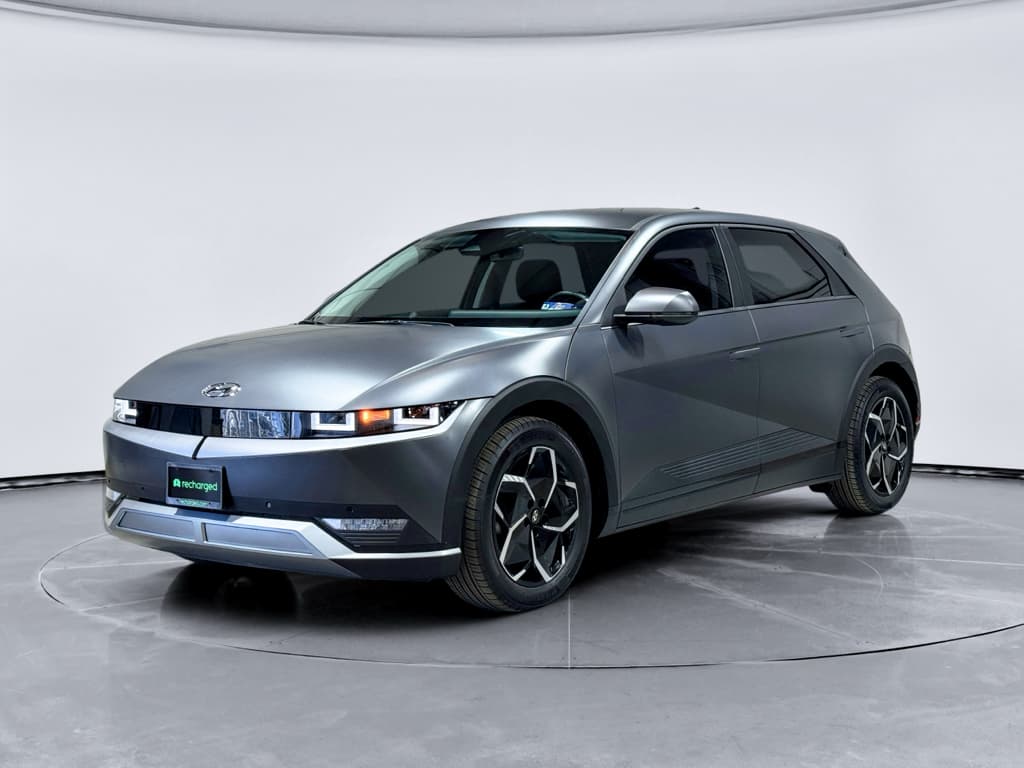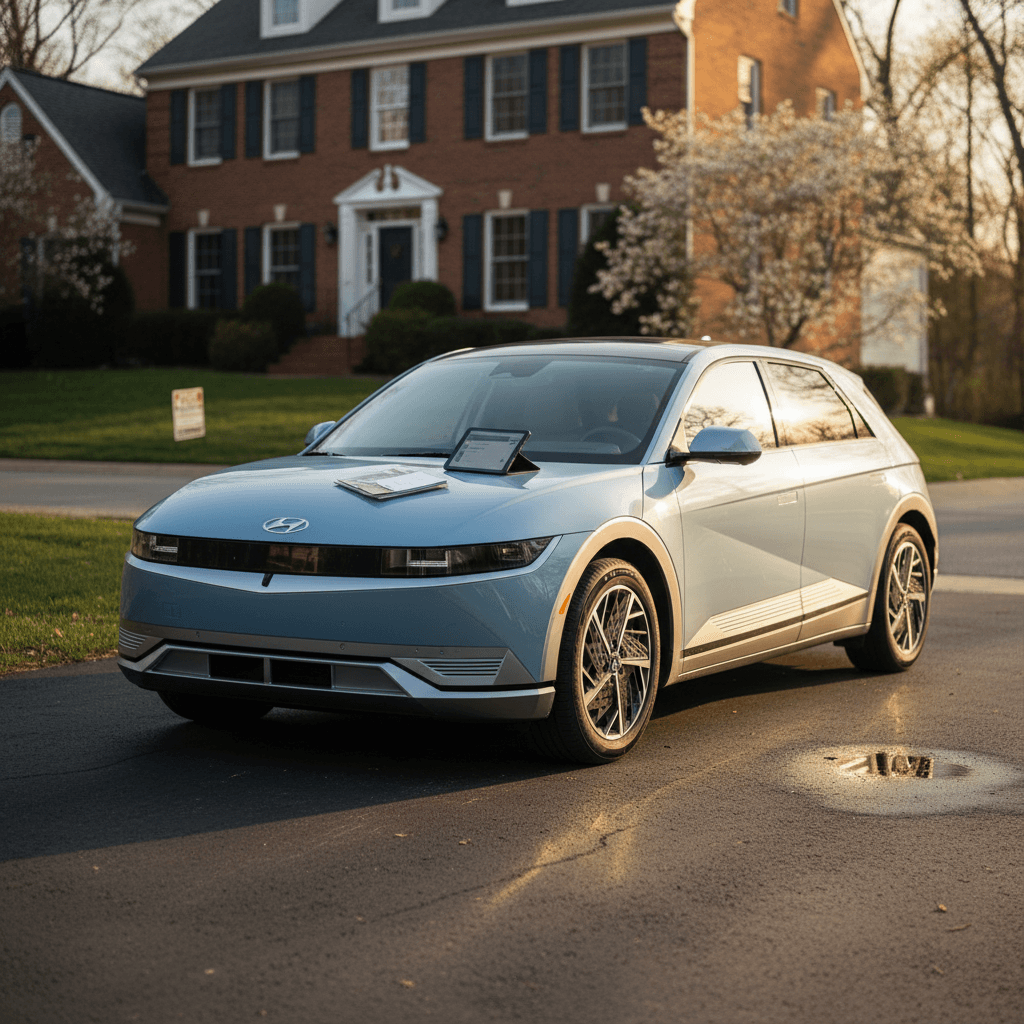
If you’re looking to sell a Hyundai Ioniq 5 in Maryland in 2026, you’re trying to move one of the hottest EVs in one of the country’s more EV‑friendly states, at a time when used EV prices have slid from their pandemic highs. That mix of strong product, softer prices, and evolving incentives makes it especially important to know what your Ioniq 5 is really worth, where to list it, and how to avoid leaving thousands on the table.
Quick snapshot
Why selling a Hyundai Ioniq 5 in Maryland feels different
Compared with many states, Maryland has a dense EV corridor (Baltimore–DC suburbs, I‑95, I‑270) and relatively high electricity costs. That means shoppers tend to be informed, cross‑shopping Tesla, Hyundai, Kia, and used plug‑in hybrids. Your Ioniq 5 is competing not only with other used Hyundais but also with aggressively priced new EVs and discounted leases.
- Maryland buyers often commute into DC or Baltimore, so they value fast‑charging capability and real‑world highway range.
- The state’s history of EV incentives and utility rebates means many buyers understand total cost of ownership, not just sticker price.
- Used EV prices have reset after steep automaker price cuts and bigger new‑car incentives, so many shoppers expect deal territory, not “almost new” pricing.
Reality check on depreciation
What your Hyundai Ioniq 5 is worth in 2026
Hyundai Ioniq 5 value snapshot (early 2026, U.S.)
Those are national ballparks, but they line up with what we see in Maryland, especially around Baltimore, the DC suburbs, Frederick, and Annapolis. Rural counties often clear a bit lower; competition is thinner, but so is buyer traffic. The spread between a private‑party sale and a dealer or instant‑offer number often comes down to convenience vs. effort and how well you document condition and battery health.
Get multiple data points
Where to sell your Hyundai Ioniq 5 in Maryland
Main ways to sell a Hyundai Ioniq 5 in Maryland
How trade‑ins, private sales, and EV marketplaces stack up
1. Trade in at a Maryland dealer
Pros:
- Fastest and simplest if you’re buying another car.
- Reduces your taxable price on the new purchase in many states.
- No strangers at your home or test drives to juggle.
Cons:
- Often the lowest price; dealers are pricing for wholesale risk.
- Some stores still treat used EVs as an experiment and will under‑appraise.
2. Private sale in Maryland
Pros:
- Highest potential sale price if you’re patient.
- You can explain software updates, charging habits, and options.
Cons:
- Time‑consuming: photos, listings, messages, showings, DMV visit.
- You manage payoff, safety, and paperwork yourself.
- Some buyers may be wary of used EV battery risk.
3. Online EV marketplace like Recharged
Pros:
- Get a data‑backed offer built around Ioniq 5 resale trends.
- Specialists who understand range, charging, and battery reports.
- Options for instant sale, trade‑in, or consignment‑style listing.
- Digital paperwork and nationwide buyer reach.
Cons:
- You’ll need to share VIN, photos, and sometimes a battery scan.
- Top of range pricing often tied to condition verification.
How Recharged fits in
Ready to find your next EV?
Browse Vehicles
Step-by-step: how to sell a Hyundai Ioniq 5 in Maryland
Maryland Ioniq 5 selling checklist
1. Gather your Ioniq 5’s details
Collect your VIN, current mileage, trim (SE/SEL/Limited/XRT), drivetrain (RWD or AWD), and key options like heat pump, panoramic roof, or upgraded wheels. Buyers in colder parts of Maryland care a lot about cold‑weather range and features.
2. Pull value estimates and comps
Use tools like KBB, Edmunds, and current Ioniq 5 listings in Maryland and nearby states to establish a realistic range. Pay attention to <strong>model year, mileage, and trim</strong>, not just asking price.
3. Check loan payoff or lease terms
If you still owe on the car, contact your lender for an exact 10‑day payoff. For leases, ask the bank whether third‑party buyouts are allowed and what the residual is. This tells you whether a sale makes financial sense right now.
4. Document condition and battery health
Take clear, well‑lit photos of exterior, interior, wheels, and any damage. If you can, capture a battery‑health report or at least recent range figures at 100% charge. Recharged can run a Recharged Score battery‑health diagnostic to give buyers peace of mind.
5. Decide how you want to sell
Trade‑in, private sale, and EV marketplace all have different trade‑offs between price and effort. If you want convenience and EV‑savvy pricing, consider getting a digital offer or consignment plan from Recharged alongside a local dealer quote.
6. Set a realistic asking price
For private sale, most sellers aim a bit above the mid‑range of market comps to leave room to negotiate. For instant‑offer channels, be ready for values closer to the wholesale side of that range, but with far less hassle.
7. Prepare for showings and test drives
For private buyers, meet in a safe, public place, verify license and insurance for test drives, and have a route in mind that shows off the Ioniq 5’s acceleration and comfort. Make sure the car has at least 40–50% charge and no warning lights.
8. Close the deal and transfer title
For private sales, you and the buyer will sign the Maryland title and complete a Bill of Sale. If there’s a lien, coordinate with your lender. With Recharged or a dealer, most of this is handled for you; you’ll just review and sign the digital or in‑store paperwork.
Safety first on private sales
Maryland taxes, fees, and paperwork when you sell
Maryland’s EV landscape has changed quickly, and some of the buyer‑side state excise tax credits have hit funding caps in recent years. That matters when you’re selling a Hyundai Ioniq 5 in Maryland, because buyers may or may not be banking on incentives, and that can factor into what they’re willing to pay.
Key Maryland items when selling your Ioniq 5
What you handle as the seller versus what your buyer or dealer takes on.
| Item | Who handles it? | When it matters | Why it matters |
|---|---|---|---|
| Title certificate | Seller + buyer | Every sale | You’ll sign over the Maryland title to the buyer; if there’s a lien, the lender may send it directly to them or their lender. |
| Odometer disclosure | Seller | Every sale under 16,000 pounds | Usually included on the title; required by federal and state law. |
| Bill of Sale (Form VR‑181 or equivalent) | Seller + buyer | Private‑party sales | Helps establish the sale price for Maryland excise tax and protects both sides. |
| Excise tax on purchase | Buyer | Private sale or dealer sale | Maryland charges excise tax when the car is titled; buyers will factor this into their total cost. |
| Payoff letter | Seller + lender | If you still have a loan | Shows how much is owed so a buyer, dealer, or Recharged can pay off the lien correctly. |
Always confirm current rules with the Maryland MVA or a licensed tag & title service before you finalize a sale.
About Maryland EV incentives
How battery health changes your sale price
With a used EV like the Ioniq 5, battery health is the new mileage. Many Maryland shoppers drive long highway commutes or take regular trips up and down the I‑95 corridor. They care less about the original EPA range sticker and more about what your car actually delivers today and how it’s been charged.
What buyers worry about
- Degraded range: A car that once did 300 miles now realistically does 230–240 in mixed driving.
- Fast‑charging abuse: Heavy DC fast‑charging on road‑trip apps, especially in heat, can accelerate wear.
- Out‑of‑warranty risk: Maryland buyers know battery replacement can run well into five figures.
How to reassure them
- Show recent photos of the dash at 100% and typical state‑of‑charge with estimated range.
- Explain your charging habits (e.g., mostly Level 2 at home, rarely over 80–90%).
- Provide a professional battery‑health report, such as the Recharged Score, that quantifies remaining capacity.
Use a Recharged Score to stand out
Timing the market for your Ioniq 5
You can’t control the entire EV market, but you can be smart about when you list your Ioniq 5. New‑car price cuts, federal credit changes, and model‑year refreshes can all swing used‑EV values in a matter of weeks.
- Keep an eye on new Ioniq 5 and rival EV pricing. When Hyundai or Tesla cut new‑car MSRPs, nearby used prices usually follow.
- Watch for tax‑credit deadlines. Buyers often rush to buy before a tax year ends or when they expect rules to change, which can briefly firm up used values.
- Seasonally, Maryland demand for EVs tends to stay steadier than for convertibles or sports cars, but listings still move faster in spring and early fall than in the dead of winter or late‑December distraction season.
- If you’re moving from Ioniq 5 to another EV, try to sell and buy in the same pricing climate so you’re not selling low and buying high.
When waiting helps, and when it hurts
FAQ: Selling a Hyundai Ioniq 5 in Maryland
Frequently asked questions
Bottom line: best way to sell a Hyundai Ioniq 5 in Maryland
Selling a Hyundai Ioniq 5 in Maryland in 2026 is all about owning the numbers: knowing what your specific car is worth in today’s softer EV market, understanding how battery health affects that number, and choosing the right channel for your time and risk tolerance. A private sale around Baltimore or the DC suburbs can deliver the highest check if you’re willing to grind through listings and showings; a traditional trade‑in is the quickest way to be done in a day; and a specialized EV marketplace like Recharged aims to split the difference with data‑driven pricing and far less hassle.
Wherever you’re starting, from Columbia to Rockville to the Eastern Shore, your next move should be to benchmark your Ioniq 5’s value and see real offers, not just guesses. Pull a few online estimates, collect your paperwork, and get an EV‑focused offer from Recharged. With clear numbers in front of you, it’s much easier to decide whether you’re better off squeezing every last dollar out of a private sale or trading some of that upside for speed, safety, and a smoother hand‑off to your Hyundai’s next owner.