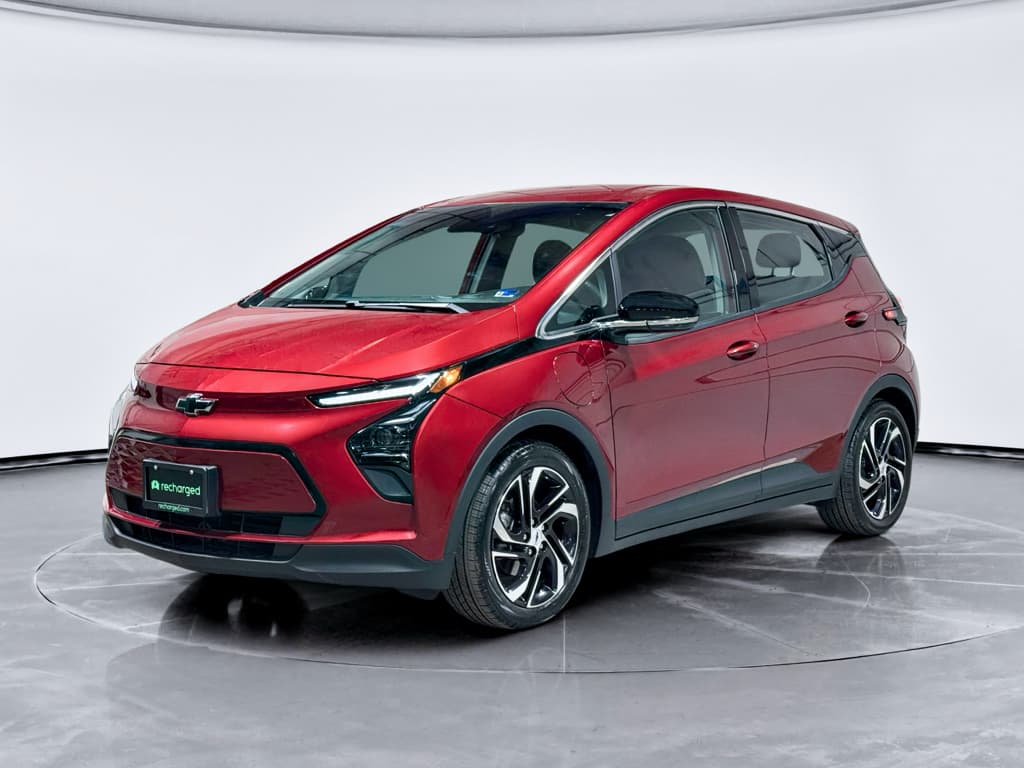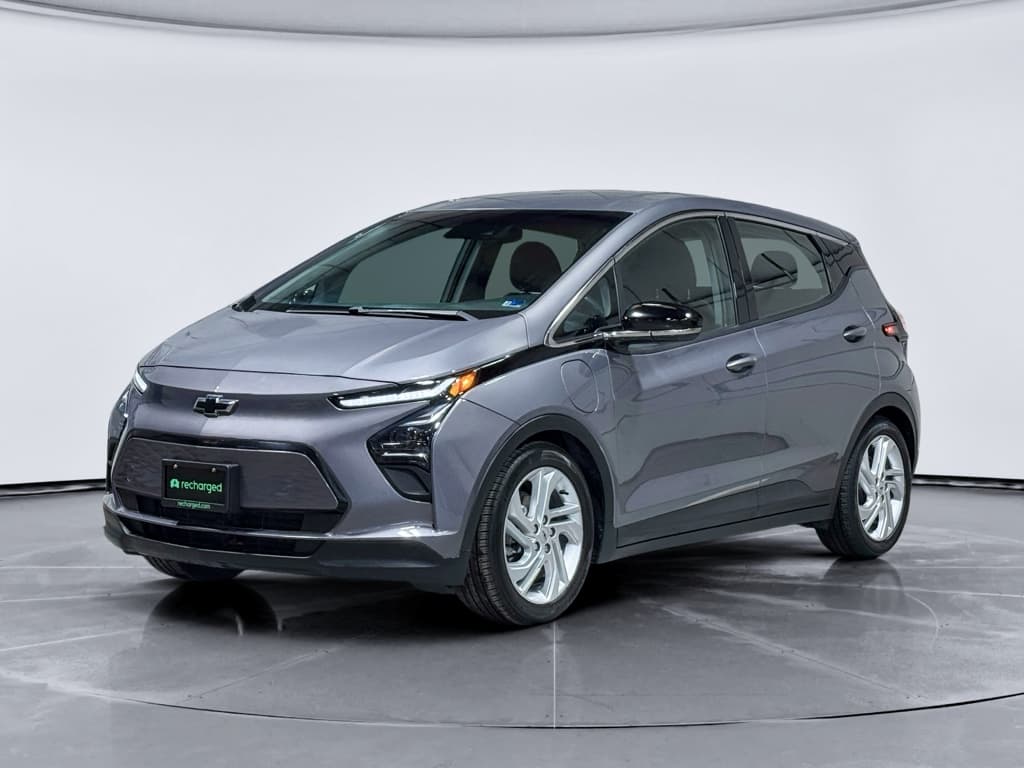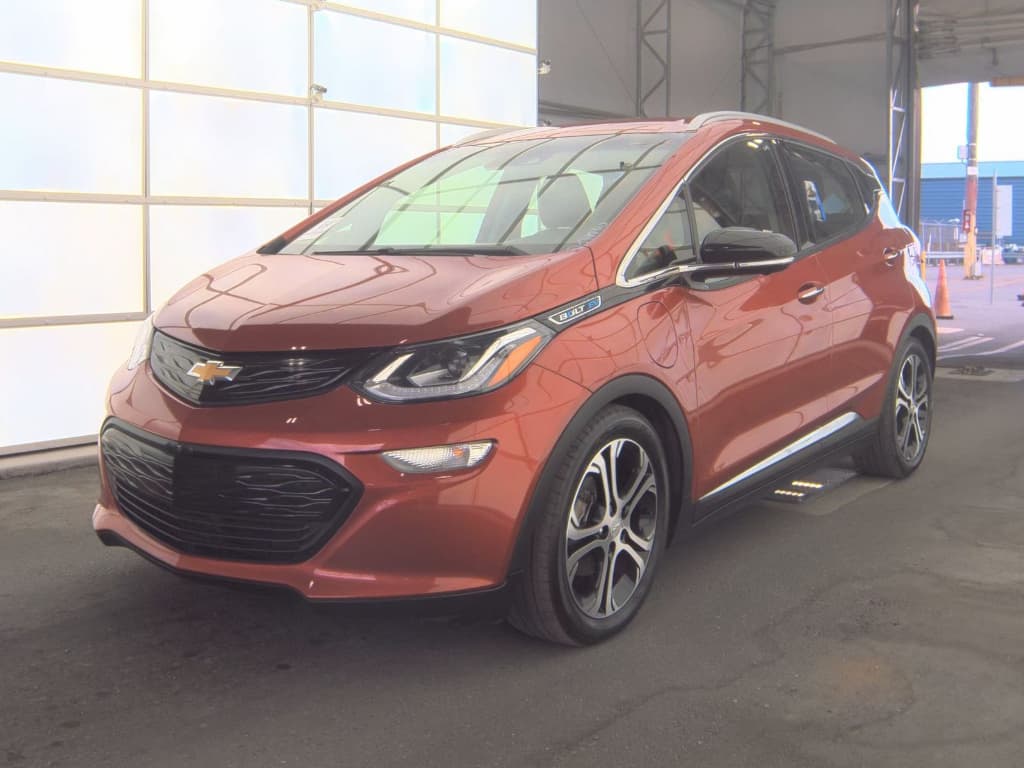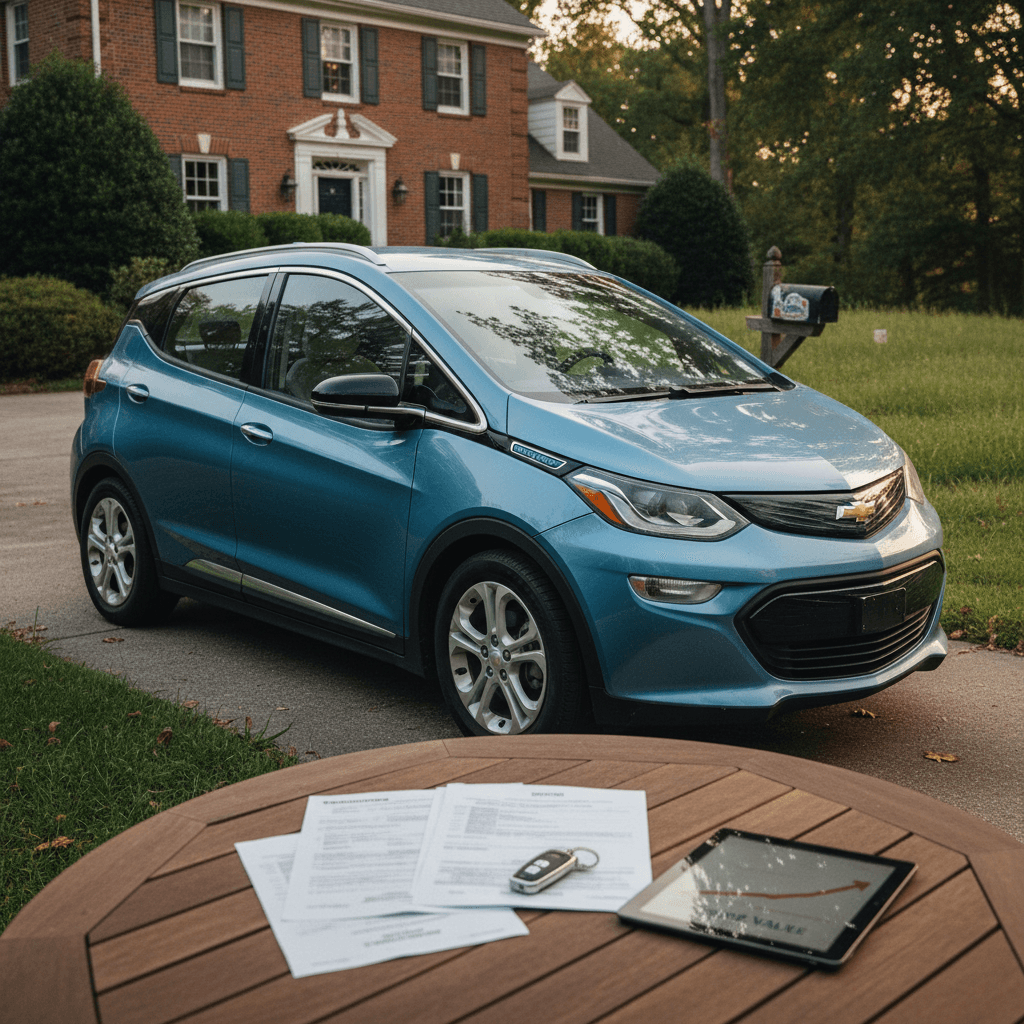
If you’re looking to sell a Chevrolet Bolt EV in Virginia, you’re not alone. Between changing incentives, the end of HOV perks, and plenty of newer EV options, a lot of Bolt owners from Northern Virginia to Hampton Roads are wondering how to cash out without getting low‑balled, or stuck explaining battery recalls in a grocery store parking lot.
Why the Bolt is a special case
Why Bolt owners in Virginia are rethinking selling now
Virginia’s EV market backdrop for selling a Bolt
Virginia’s used‑car market is still busy. New‑vehicle prices have stayed high and interest rates aren’t exactly friendly, so many buyers are hunting for efficient, reasonably priced used EVs instead of stretching for new. The Bolt EV lands in a sweet spot: real‑world range that covers most commutes with running costs that undercut gas by a mile. That makes your car interesting to a lot of shoppers, if you present it the right way.
One thing that has changed since 2025
What your Chevrolet Bolt EV is worth in Virginia today
The five levers that move Bolt EV value in Virginia
Get these right and you’re far less likely to leave money on the table.
Model year & trim
Mileage & use
Battery history
Charging features
Accident & title status
Where you sell it
Start with real data, not guesses
Bolt EV battery recall and warranty: what buyers want to see
Every informed buyer in Virginia has heard something about Bolt EV battery recalls. Some think they’re a deal‑breaker; others know the recall can actually be a bonus if the pack has been replaced. Your job as the seller is to turn confusion into confidence.
1. Show recall completion, not just say it
Don’t rely on “the dealer said it was done.” Print or download:
- The official recall completion document from the Chevrolet owner portal.
- Any service invoices showing high‑voltage battery replacement.
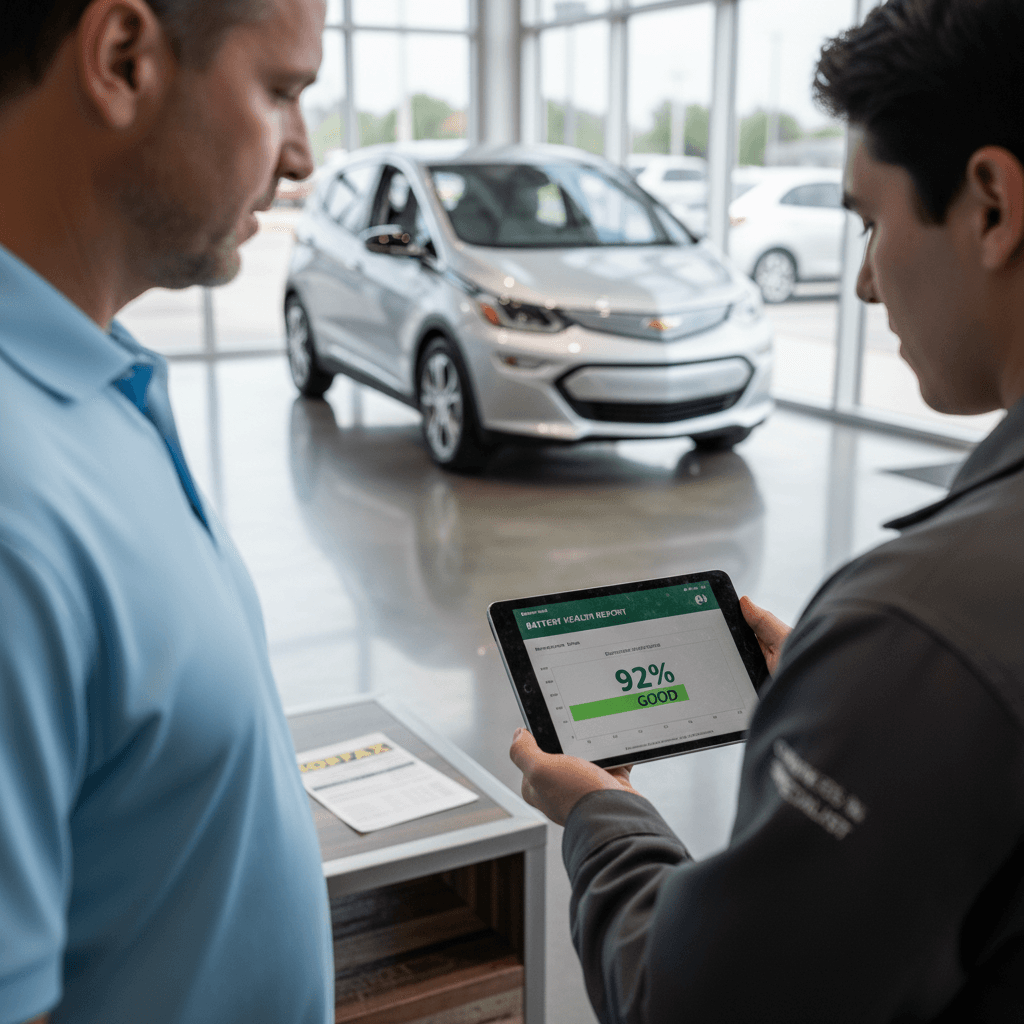
- A dated inspection or health report if you have one.
Bring these to test drives and attach photos or PDFs to online listings. It’s the difference between, “Trust me,” and, “Here’s the paperwork.”
2. Explain remaining battery warranty in plain English
Most Bolt EVs carry an 8‑year / 100,000‑mile high‑voltage battery warranty from the original in‑service date. If your pack was replaced under recall, that new pack often has its own service replacement warranty with a fresh 8‑year / 100,000‑mile clock.
Buyers don’t want fine print; they want dates and miles. If you’ve confirmed your coverage with Chevrolet, write it in your ad like this: “Battery replaced under GM recall, covered to September 2032 or 100,000 miles (whichever comes first).”
Why a documented replacement pack is a huge plus
Three main ways to sell a Chevrolet Bolt EV in Virginia
You’ve got three basic paths: sell it yourself, trade it in, or work with a buyer who actually specializes in EVs. Here’s how they stack up when you’re dealing with a Bolt.
Compare your selling options for a Chevrolet Bolt EV in Virginia
Use this side‑by‑side to decide which route fits your timeline, risk tolerance, and appetite for dealing with strangers in bank parking lots.
| Option | Typical Price | Time & Effort | Pros for Bolt Sellers | Cons for Bolt Sellers |
|---|---|---|---|---|
| Private sale (Facebook, Craigslist, Marketplace) | Highest headline number if you find the right buyer | High – photos, messages, test drives, DMV visit | You control pricing; you can tell your Bolt’s battery story in detail; best for rare trims or pristine low‑milers. | Scammers, no‑shows, financing issues; you handle all paperwork and safety; buyers will grill you about recalls and battery health. |
| Traditional dealer trade‑in | Lowest to mid‑range | Low – one visit, done | Quick exit, especially if you’re buying something else; no strangers meeting at night. | Many dealers in Virginia still under‑value EVs, especially Bolts with recall history; little to no credit for new batteries or home chargers. |
| EV‑specialist marketplace or instant‑offer (like Recharged) | Competitive, usually between private sale and dealer | Low to medium – online form and a short inspection or photos | Fast digital offers, EV‑savvy pricing, and help explaining battery warranty and charging to the next owner. You may be able to bundle pickup and payoff. | Headline offer might land slightly under a perfect private‑sale scenario, especially if your car needs cosmetic work. |
Private sale can deliver a higher top‑line price, but EV‑focused marketplaces and instant‑offer services often win on net value once you factor in time, safety, and reconditioning costs.
Who should sell privately vs. through a marketplace?
How to get your Bolt ready to sell in Virginia
Pre‑sale checklist for Chevrolet Bolt EV owners in Virginia
1. Decide your target price range
Research asking prices for similar‑year Bolts in Richmond, Northern Virginia, and Hampton Roads. Note mileage, trim, and whether the battery has been replaced. Aim for a realistic range rather than one magic number so you have room to negotiate.
2. Confirm recall and warranty status
Log into the Chevrolet owner site or call the EV concierge with your VIN to verify recall completion and remaining battery warranty. Print or save screenshots with dates. This is the first thing savvy EV buyers will ask about.
3. Get a battery health report if possible
When you sell through Recharged, your car gets a <strong>Recharged Score</strong> report with professional battery diagnostics. If you’re selling privately, see if a local EV‑savvy shop can perform a health check and provide documentation you can share with buyers.
4. Clean, detail, and de‑clutter
Give your Bolt the full spa day: wash, clay or wax, vacuum, wipe down the dash, and remove personal items. Charge it to a practical level (around 70–80%) before photos and test drives so buyers see realistic range numbers, not a nearly empty pack.
5. Gather every key and accessory
Find both key fobs, charging cables, wall‑mount brackets, portable Level 1 cord, manuals, and any aftermarket accessories you’re including. In Virginia’s competitive used‑EV market, a complete kit signals a car that’s been cared for.
6. Write an honest, EV‑literate description
In your listing or when requesting offers, mention range, charging habits (mostly home Level 2, for example), average efficiency, and any long trips. Calling out things like “DC fast‑charge package, battery replaced in 2023, no smoking, garage‑kept” makes your Bolt easier to trust.
Don’t reset all the trip data just yet
Paperwork, title, and taxes when you sell a Bolt in Virginia
The good news is that selling a Chevrolet Bolt EV in Virginia mostly follows the same rules as selling a gas car. The twist is making sure the EV‑specific story, battery, recalls, charging, is backed up in writing so it doesn’t derail your deal at the DMV window.
- Virginia title in your name, free of liens (or a clear payoff letter from your lender).
- A Bill of Sale showing buyer, seller, VIN, sale price, and date. This can be handwritten but should be neat and legible.
- A current or recent Virginia safety inspection. While the buyer is ultimately responsible, having a fresh sticker removes a big unknown.
- Any EV paperwork: recall letters, service invoices, battery replacement documentation, charging equipment receipts, or the Recharged Score battery health report if you sell through Recharged.
- Government‑issued ID for both parties when you complete the sale, especially if you meet at a bank or DMV office.
A note on taxes and incentives
How Recharged helps Virginia drivers sell a Bolt EV the easy way
Selling a Chevrolet Bolt EV is a little different from unloading an old gas sedan, and that’s exactly the gap Recharged was built to fill. Recharged is a retailer and marketplace focused on used electric vehicles, with an Experience Center in Richmond and customers across Virginia.
What you get when you sell a Bolt EV through Recharged
Designed around the realities of EVs, especially cars like the Bolt.
Verified battery health
Transparent pricing
Fully digital experience
Pickup & delivery options
Choice of sale or consignment
Financing & trade‑in support
Ready to find your next EV?
Browse VehiclesHow a typical Virginia Bolt sale with Recharged works
FAQ: selling a Chevrolet Bolt EV in Virginia
Common questions from Virginia Chevrolet Bolt EV sellers
Bottom line: best way to sell a Chevrolet Bolt EV in Virginia
Selling a Chevrolet Bolt EV in Virginia comes down to two things: telling an honest, data‑driven story about the battery, and choosing a sales path that fits your tolerance for hassle. You can absolutely photograph it in your driveway, write a thoughtful ad, and wait for the right buyer to scroll by. Or you can lean on an EV‑focused marketplace like Recharged to handle the pricing, battery diagnostics, and skeptical questions that come with selling a recalled‑and‑redeemed EV.
Whichever you choose, do your homework on value, gather your paperwork, and be transparent about range, charging, and warranty. The Bolt EV remains one of the smartest commuter cars on the used market in Virginia. With a little preparation, and the right partner, you can make sure that reputation shows up in the offer you accept, not just in the way you talk about it.