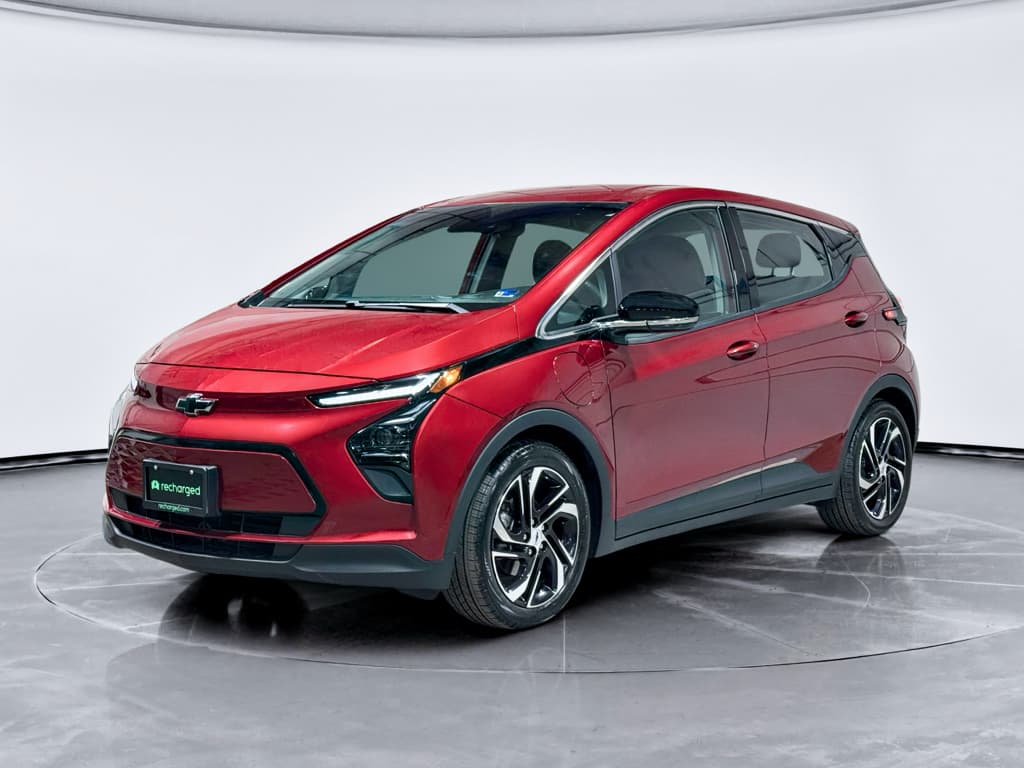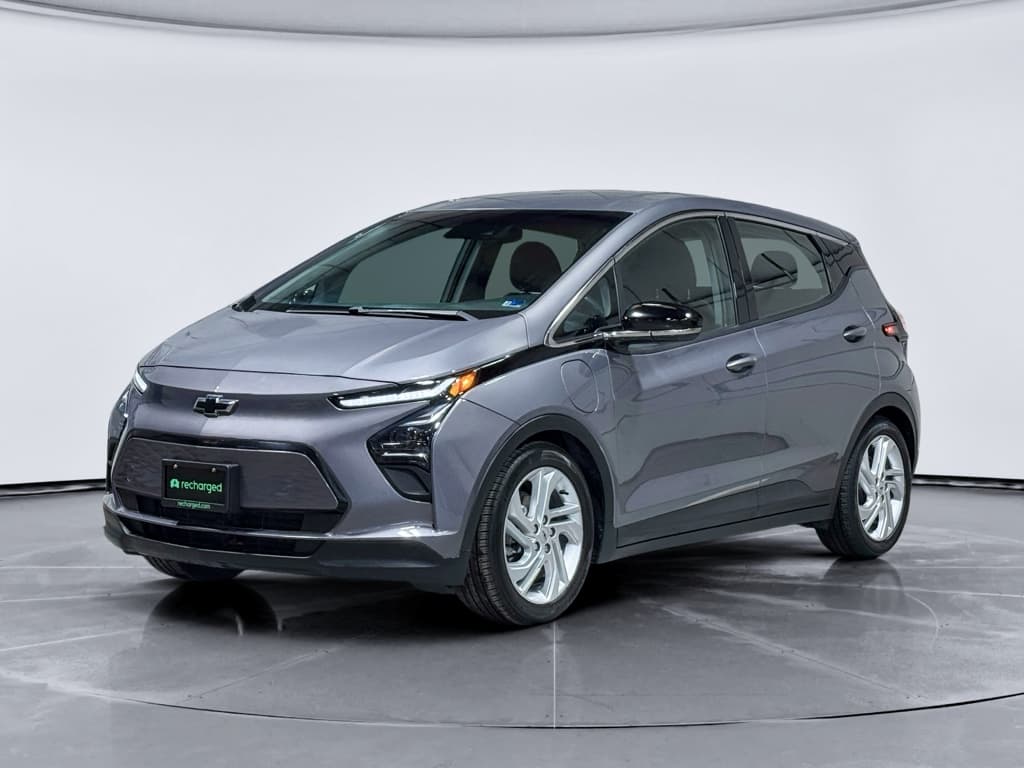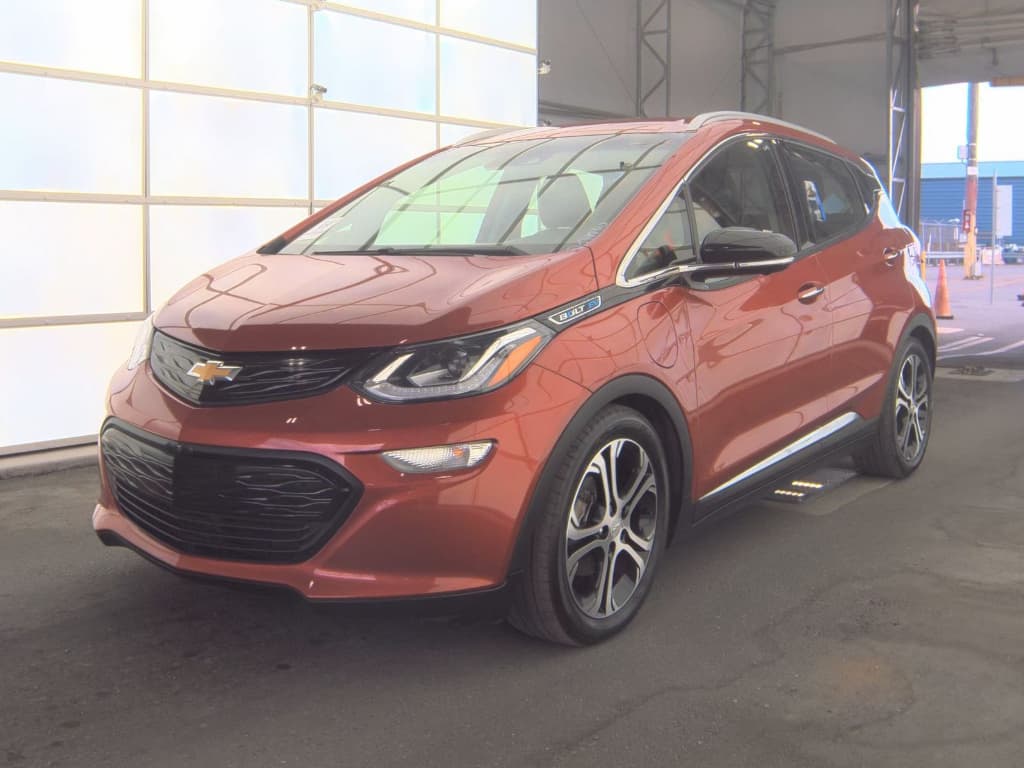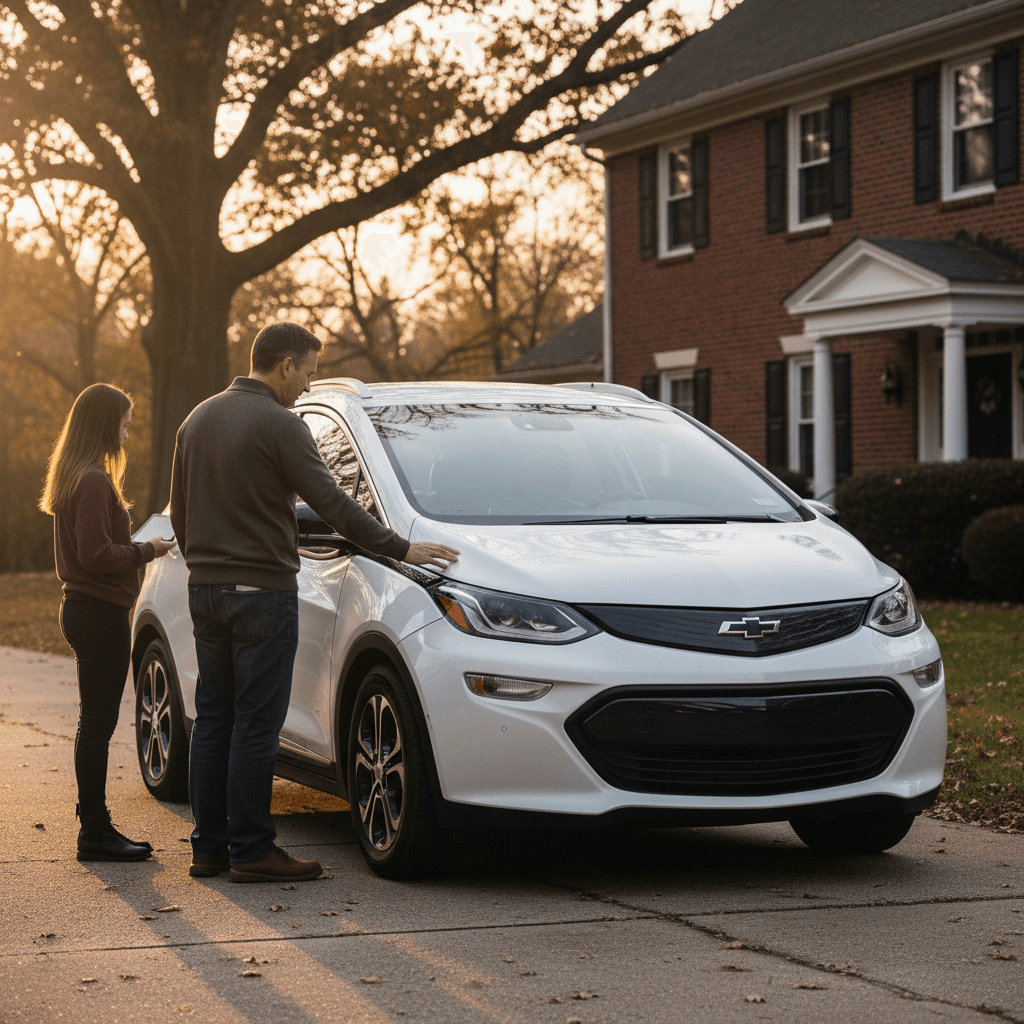
If you want to sell a Chevrolet Bolt EV in Maryland, you’re in a better position than a lot of EV owners. The Bolt’s mix of real-world range, compact size, and aggressive new-car pricing has created strong demand on the used side, especially in dense, commuter-heavy states like Maryland. The key is turning that demand into a fair, data-backed sale price without drowning in marketplace messages or DMV headaches.
Maryland EV market snapshot
Why Maryland is a strong market for Bolt sellers
1. Dense commuting patterns
From Baltimore and Columbia to the DC suburbs, a huge share of Maryland drivers face short-to-medium daily commutes. A Bolt EV with 200+ miles of range easily covers those days with home charging, which makes it more attractive than older low-range EVs.
2. Policy and charging support
Even as state-level incentives come and go, Maryland still offers a relatively friendly environment for EV owners: HOV access on some routes, utility off-peak rates in certain territories, and continued buildout of DC fast charging along I-95 and I-70. Buyers aren’t taking a leap of faith, they’re stepping into a mature ecosystem.
- Buyers are already familiar with Chevy Bolt battery recalls and fixes, and many actively seek post-remedy cars.
- Later model years (2020–2023) have competitive range and modern safety tech at prices far below new EVs.
- Used buyers in Maryland increasingly compare total cost of ownership, not just sticker price, your low-fuel, low-maintenance Bolt looks good in that math.
Lean into the commuter angle
Step-by-step: how to sell your Chevrolet Bolt EV in Maryland
7 key steps to selling your Bolt EV in Maryland
1. Decide how you want to sell
Clarify whether you prefer <strong>speed and convenience</strong> (instant offer or trade-in), <strong>maximum price</strong> (private sale or consignment), or a balance of both.
2. Gather vehicle and battery info
Record mileage, VIN, trim, major options, tire condition, and service records. If possible, get a <strong>third-party battery health report</strong>, this is gold for EV buyers.
3. Check realistic market pricing
Research retail and trade-in ranges for your exact model year and mileage. Use multiple sources, online valuation tools, EV-focused dealers, and completed listings, not just one "instant" number.
4. Recondition the car smartly
Address obvious issues: tire tread, basic detailing, fixing warning lights, updating software, and confirming all recall work is complete (especially the GM battery recall).
5. Choose your selling channel
Select a primary channel like private-party listing, dealer trade, instant-offer site, or EV-specific marketplace such as <strong>Recharged</strong>, and a backup in case the first path stalls.
6. Handle test drives & inspections safely
Meet in safe locations (ideally during the day), verify driver’s license and insurance, and accompany test drivers. Be prepared to explain charging and your real-world efficiency.
7. Close the deal & finalize MD paperwork
Collect funds safely (cashier’s check or verified electronic transfer), sign the Maryland title correctly, complete a bill of sale, and remove plates and insurance after the buyer registers the car.
Pricing your Bolt EV in Maryland
The Chevrolet Bolt EV is a classic example of an EV that depreciated hard early, then reached a point where values started to stabilize. Aggressive new-car pricing and federal tax credits drove transaction prices down, but they also made the Bolt one of the best-value used EVs on the road. In a state like Maryland with strong demand, that creates a tight window where good, clean Bolts can sell quickly if they’re priced realistically.
Bolt EV value curves to keep in mind
Don’t anchor on your original purchase price
How to think about Bolt EV pricing in Maryland
Use this as a directional framework, not a substitute for real-time valuations and local comps.
| Model year | Typical mileage band | Condition example | Buyer perception | Maryland pricing strategy |
|---|---|---|---|---|
| 2017–2018 | 70k–110k+ miles | Visible wear, out-of-bumper-to-bumper warranty | Budget commuter, short ownership horizon | Price aggressively; lead with battery proof and recall completion. |
| 2019–2020 | 40k–80k miles | Clean, documented service, recent tires | Sweet spot for value-focused commuters | Target middle of local retail range; be flexible on negotiation. |
| 2021–2023 | 20k–50k miles | One-owner, clean history, modern safety features | Near-new experience without new-car price | Price near top of used-band, especially with strong battery report and fast-charging usage history. |
Condition and battery transparency can easily move a given car up or down a band.
Start by pulling values from at least two sources, traditional valuation tools, EV-specific market reports, and actual listings that have sold, not just unsold asking prices. Then ask: with my mileage, battery transparency, and cosmetic condition, am I a top-of-market, mid-market, or must-move car? Maryland’s buyer pool is deep enough that correctly priced Bolts don’t sit for long.
Battery health: the #1 thing Maryland buyers worry about
If you talk to serious used-EV buyers in Maryland, one theme dominates: battery health. Range and degradation matter more than almost anything else, especially for commuters who will put 15,000+ miles per year on the car. The Bolt’s past battery recall only amplifies that focus, buyers want proof that your pack is both safe and healthy.
Three ways to prove your Bolt’s battery health
The more objective your data, the stronger your negotiating position.
1. Official recall records
Make sure you can show that all GM battery recall work is complete. Print or save a PDF of the service history from a Chevy dealer or connected account, so a buyer isn’t taking your word for it.
2. In-car range and usage
Take photos of your typical range at 100% charge and be transparent about how you’ve used fast charging. A Bolt that mostly did home Level 2 charging can be more attractive than one that lived on DC fast chargers.
3. Third-party battery health report
Services like the Recharged Score battery health report plug into your car and measure usable capacity and pack performance. This turns a fuzzy "seems fine" into a hard number that buyers and lenders can trust.
Why a Recharged Score can pay for itself
Ready to find your next EV?
Browse Vehicles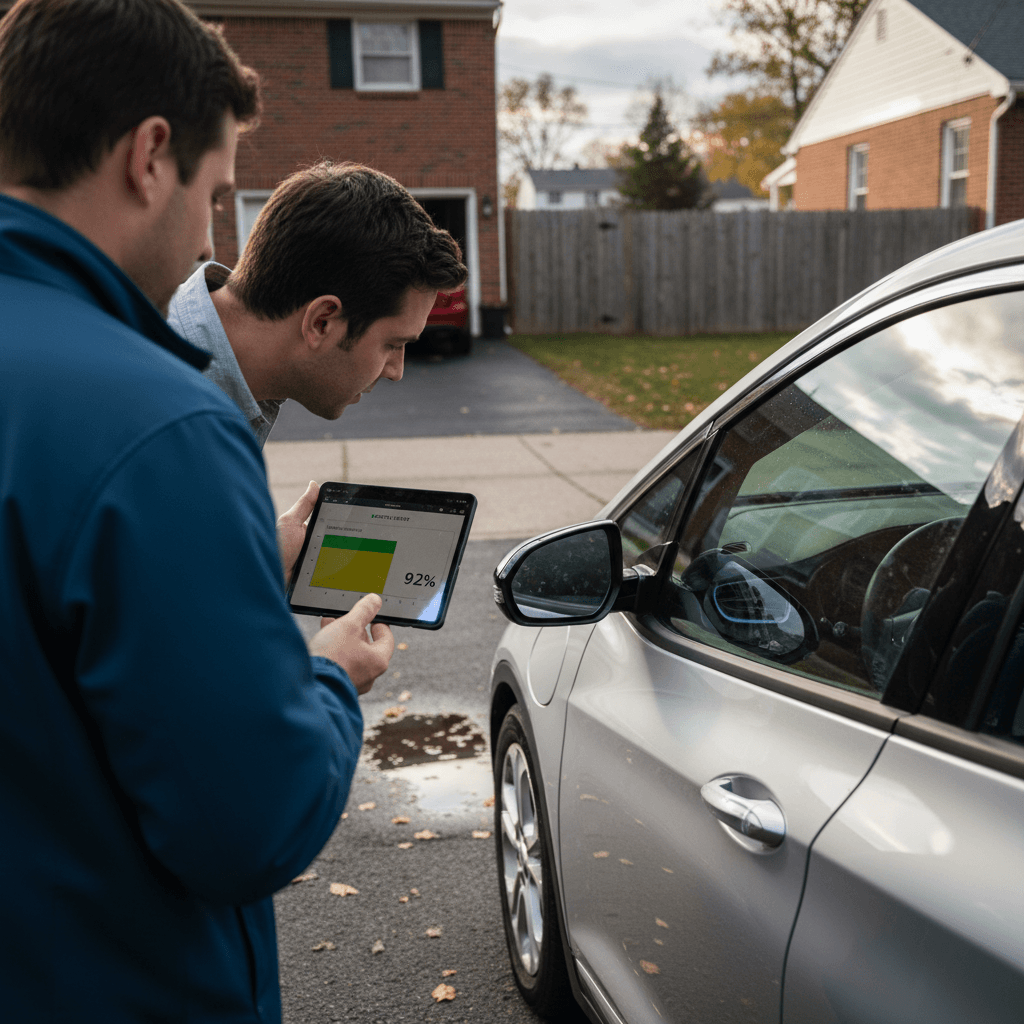
Where to sell your Chevy Bolt EV in Maryland
Main ways to sell a Chevrolet Bolt EV in Maryland
Each channel trades off convenience, control, and price. Pick what matches your priorities.
Private-party sale
Pros: Usually the highest sale price if you’re patient and good at screening buyers. You control the narrative, can highlight your charging habits, and negotiate directly.
Cons: You handle everything: photos, listings, questions, test drives, and fraud risk. Many general-market shoppers still don’t fully understand EVs, so you’ll answer the same questions repeatedly.
Best for: Sellers comfortable managing the process who want to squeeze out every last dollar.
Traditional dealership trade-in
Pros: Fastest and simplest option, especially if you’re buying another car. The dealer handles payoff, title, and Maryland Motor Vehicle Administration (MVA) paperwork.
Cons: EV expertise varies wildly. Some dealers still under-value Bolts because they’re nervous about batteries, which can mean leaving thousands on the table.
Best for: Sellers prioritizing convenience over price, or who are already closing a deal on another vehicle.
EV-focused marketplace (like Recharged)
Pros: Built specifically around used EVs. Recharged, for example, combines instant online offers, EV-specialist support, and a battery health-backed Recharged Score to set fair pricing. Buyers across the region can shop your car, not just those within a short drive.
Cons: Not every EV marketplace is equally transparent; look for ones that share their pricing logic and battery diagnostics with you.
Best for: Sellers who want a data-backed price without dealing with dozens of marketplace messages.
Consignment with an EV specialist
Pros: An expert handles marketing, test drives, and negotiations while your car is showcased in a retail environment or online storefront. You can often net more than a trade-in but with less effort than a private sale.
Cons: You’ll pay a fee or percentage of the sale, and you may need to leave the car with the consignment partner during the process.
Best for: Sellers who want a higher price than trade-in but don’t have time (or appetite) to be their own salesperson.
Selling with Recharged from Maryland
Documents and Maryland title paperwork checklist
Maryland’s EV paperwork isn’t exotic, it’s fundamentally the same process as any other vehicle sale. The complexity is more about making sure the buyer understands what they’re getting (charger, adapters, remaining warranty) and that you handle the title and plates correctly.
What you need to sell a Bolt EV in Maryland
Maryland title in your name
If there’s a lien, you’ll need a payoff letter and to coordinate with the lender so the title can be released. Never "sell" a Bolt you don’t actually control the title for.
Valid government-issued ID
Both parties should bring a driver’s license or other government ID. This is critical for the bill of sale and protects both sides.
Odometer disclosure
For most recent-model Bolts, you’ll need to record the mileage at sale. Many title forms include an odometer section; fill it out carefully and accurately.
Bill of sale
Maryland doesn’t always require a separate bill of sale for private-party transactions, but having one, signed and dated with VIN, price, and terms, is smart documentation for taxes and disputes.
Keys, charging cables, and adapters
List exactly what’s included: OEM Level 1 cord, any Level 2 EVSE you’re bundling, extra adapters, and cargo covers. Missing charging equipment can be a price negotiation point.
Recent service and recall documentation
Print or save PDFs of recall completion (especially the battery recall), recent maintenance, tire receipts, and any warranty transfer paperwork if still applicable.
Don’t hand over plates or skip the MVA steps
Timeline: when to sell your Bolt EV
Different selling timelines for different Maryland sellers
You want maximum value
Plan 4–8 weeks before you need the money or replacement vehicle.
Get a professional battery health report and handle minor cosmetic fixes.
List on EV-focused platforms and private channels simultaneously to test pricing.
Be willing to adjust the asking price after two weekends of low activity.
You need to sell quickly
Start with instant-offer tools and EV-specialist dealers to set a floor price.
Get at least two competing offers so you’re not anchored to a lowball bid.
Be flexible on pick-up timing and minor reconditioning details to keep the process fast.
If you’re underwater on your loan, talk to your lender and the buyer about payoff logistics before you sign anything.
You’re replacing with another EV
Ask potential buyers or platforms (like Recharged) about <strong>trade-in options</strong> that roll your Bolt directly into a replacement EV.
Compare the effective "net" deal: trade-in value + discounts or APR on the next car.
Consider timing the sale to avoid a gap without a vehicle, especially if you rely on your Bolt for daily Beltway commuting.
If your next EV also qualifies for incentives, factor those into the real cost difference, not just sale price vs. purchase price.
Common mistakes Maryland Bolt sellers make
- Ignoring battery questions. Listing your Bolt like any gas car, without addressing battery condition, recall status, and charging habits, invites low offers and skepticism.
- Overpricing based on national "asking" prices. Maryland’s market can support strong values, but buyers also see national listings and know when a car is out of line.
- Skipping basic reconditioning. Dirty interior, worn wiper blades, or unaddressed dash lights undermine confidence that you handled the car, and the battery, carefully.
- Misunderstanding tax considerations. Buyers may ask about past state or federal credits. Be honest: those incentives reduced your cost when you bought; they don’t automatically increase what your used Bolt is worth now.
- Choosing the wrong selling channel. A time-strapped commuter in Silver Spring might be better served by a Recharged instant offer than weeks of fielding DMs from lowballers on generic marketplaces.
Use negotiation to educate, not argue
FAQ: selling a Chevy Bolt EV in Maryland
Frequently asked questions about selling a Chevrolet Bolt EV in Maryland
Bottom line on selling your Bolt EV in Maryland
Selling a Chevrolet Bolt EV in Maryland is ultimately about matching a very everyday car, compact, efficient, inexpensive to run, to a state full of everyday EV use cases. If you price it based on today’s market, bring receipts for recall and maintenance history, and back your story with a real battery health report, you’ll stand out in a crowded used-EV landscape.
You have options: go it alone with a private sale, hand the keys to a dealer for quick money, or work with an EV-native marketplace like Recharged to combine convenience with data-driven pricing. Whichever path you choose, treating your Bolt less like a mystery box of lithium and more like a transparent, documented asset is the surest route to a fast, fair sale in Maryland’s maturing EV market.