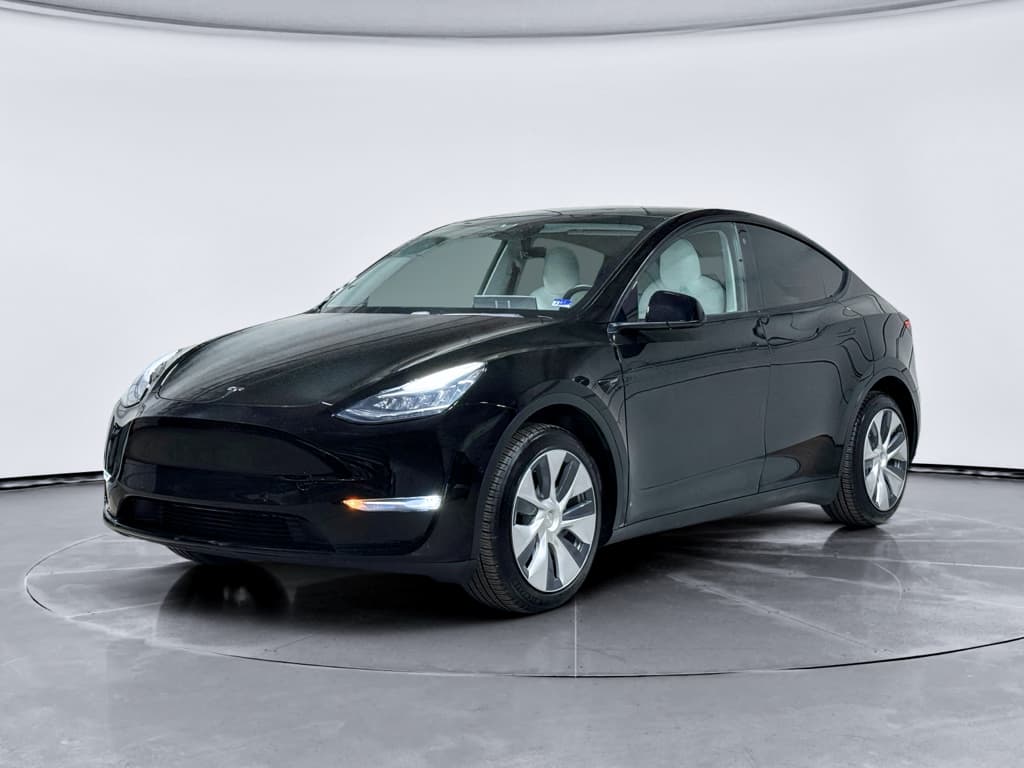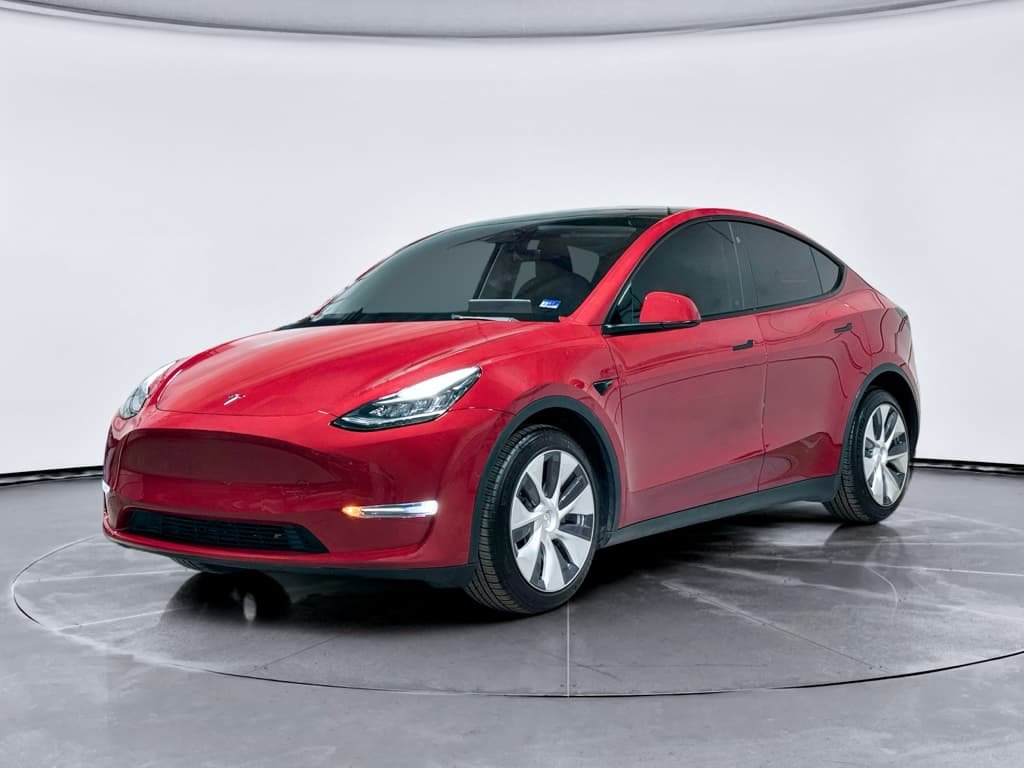
You don’t buy a new Tesla expecting it to become a collectible; you buy it for the torque, the tech, and the smug feeling of never visiting a gas station again. But if you’re driving a 2026 Tesla Model Y, you’re probably already wondering: what will this thing actually be worth when it’s time to sell? In a market where EV prices have whipsawed for years, getting the best possible value when you sell a 2026 Tesla Model Y is less about luck and more about strategy.
The short version
Why 2026 Model Y value matters right now
The 2026 Model Y lives in a strange moment. On one hand, it’s still the default EV crossover: huge charging network, strong performance, decent efficiency, and more brand recognition than the competition. On the other hand, aggressive price cuts on new Teslas in 2023–2025, a flood of used EVs, and rapidly improving competitors have pushed depreciation harder than early owners ever expected.
2026 Tesla Model Y value snapshot (big‑picture trends)
Those are broad ranges, not a quote for your exact car. But they’re enough to frame the conversation: your job is to make sure your 2026 Model Y sits at the top of that range, not the bottom.
How much is a 2026 Tesla Model Y worth today?
Because 2026 is the current model year, the resale data you’ll see in public guides lags reality by a year or two. But we can triangulate from recent sales, price guides on 2023–2025 Model Ys, and Tesla’s own discounting behavior to build a working estimate.
Realistic value bands for a 2026 Model Y (near‑term resale)
Assumes U.S. market, normal options, clean history
1 year old (sell in 2027)
If you bought a 2026 Model Y around, say, $48,000–$55,000 out the door, a typical 12‑month resale could land roughly in the $38,000–$45,000 range if the market doesn’t nosedive again.
That’s roughly 75–85% of your original price, depending on trim, condition, and miles.
3 years old (sell in 2029)
By year three, most Model Ys have taken their hardest hit. A 2026 car that cost ~$50k new might realistically trade hands in the mid‑$20,000s to mid‑$30,000s, with better‑equipped, low‑mileage examples at the top.
Wild cards
Major Tesla price cuts (or hikes), big tax‑credit rule changes, or major cosmetic/tech refreshes can move these numbers up or down by several thousand dollars.
Think in bands, not absolutes, and adjust for your exact spec and mileage.
Don’t anchor on last year’s prices
What actually drives your 2026 Model Y’s resale value
Used‑car pricing is allegedly rational; in practice, it behaves more like a mood. Still, a few hard factors consistently move the number on your 2026 Model Y up or down.
Key levers that change your 2026 Model Y’s value
1. Mileage versus model year
For today’s buyers, a 2026 Model Y with ~10,000–15,000 miles a year looks normal. Well under that suggests light use and can justify top‑of‑market pricing; well over it pushes you into the discount bin, even if the car is otherwise clean.
2. Trim, options, and wheels
Long Range and Performance trims generally hold value better than the very cheapest configurations, because the audience is broader and the spec feels less compromised. Big 20–21 inch wheels may look sharp but can scare away buyers who worry about ride quality and tire costs.
3. Accident and repair history
Nothing kills resale value like an accident on the Carfax. Minor cosmetic repairs done professionally are survivable; structural damage or airbag deployment will haunt the car for life. If you’ve had work done, keep the paperwork and be ready to show it was done right.
4. Battery and charging behavior
EV shoppers are learning to ask: <strong>How’s the battery?</strong> High‑mileage Supercharger use, lots of DC fast charging, or chronic 100% charging can all make a buyer nervous. If your battery health is still strong and you have the data to prove it, that’s money in your pocket.
5. Software, FSD and subscription features
Some buyers still pay a premium for FSD capability on the VIN, while others don’t care. Over‑the‑air updates that add range or features can help keep a 2026 Model Y feeling current, it’s a subtle but real value story when you sell.
6. Color, interior, and wheels (the taste tax)
White or gray on black will always be the easy sell. Odd color combinations, controversial interiors, or unusual wheel choices narrow your buyer pool and can mean more time on the market or a lower price to move the car.
Think like a buyer, not an owner
Depreciation: what to expect if you sell now vs later
Depreciation is just a fancy word for the car becoming less special to the next buyer. Tesla’s roller‑coaster pricing over the last few years has made that process unusually violent, but the basic curve still applies: a sharp drop up front, a painful slide through the first 3–5 years, then a gradual flattening.
Illustrative depreciation curve for a 2026 Tesla Model Y
Assumes ~$50,000 original price, normal use, clean history – numbers are directional, not promises.
| Vehicle age | Approx. depreciation from MSRP | Approx. value retained | Illustrative resale value* |
|---|---|---|---|
| 1 year (sell 2027) | ≈20% | ≈80% | $40,000 |
| 2 years (sell 2028) | ≈30–35% | ≈65–70% | $32,500–$35,000 |
| 3 years (sell 2029) | ≈40–50% | ≈50–60% | $25,000–$30,000 |
| 5 years (sell 2031) | ≈55–60% | ≈40–45% | $20,000–$23,000 |
Depreciation hits hardest in the first three years; your goal is to sell before the market stops caring what year it is.
The Tesla price‑cut trap
Case A: Sell early, take the first punch
If you sell your 2026 Model Y after 12–18 months, you’re eating the initial depreciation but dodging the mid‑cycle price‑cut risk and warranty expiration. This strategy works well if you like always being in the latest hardware and don’t drive many miles.
Case B: Drive it 5–6 years, then move on
Keep the car until the majority of depreciation has already happened and Tesla has moved on to a major refresh. At that point your 2026 Model Y is no longer a finance instrument; it’s a very fast appliance. You’ll get less for it, but you’ve amortized that drop over many more years of use.
Preparing your 2026 Model Y to sell for top dollar
Shoppers don’t see your car first; they see your photos, your asking price, and the story you tell. A few hours of prep can add thousands to your net.
Pre‑sale checklist for your 2026 Tesla Model Y
1. Clean like a dealer, not like an owner
Detail the car inside and out. Get the glass perfectly clear, vacuum under the seats, scrub the door jambs, clean the charge port, and remove personal items. A professionally detailed car photographs better and signals that you’ve cared for it.
2. Fix cheap, obvious flaws
Curb‑rashed wheels, a cracked windshield, missing aero covers, worn wiper blades, these are all inexpensive fixes that loom large in a buyer’s mind. Leave major repairs to the next owner, but don’t hand them a to‑do list of $150 problems.
3. Gather documentation
Download service invoices, tire receipts, and any repair records. Have both key cards or fobs. If you’ve had an independent <strong>battery health report</strong> done through something like the Recharged Score, put that front and center.
4. Reset the digital clutter
Log out of personal accounts, remove home/office navigation favorites, and clear garage codes. Make sure the infotainment looks like a fresh start, not a stranger’s phone.
5. Photograph like you’re selling a house
Shoot in soft daylight, not at high noon. Capture wide exterior angles, wheels, seats, dash, center screen with the odometer visible, trunk and frunk. Avoid harsh shadows and cluttered backgrounds.
6. Write an honest, confident listing
Lead with trim, mileage, and key options. Note any remaining factory warranty. Disclose flaws succinctly rather than hoping no one notices. Buyers don’t expect perfection; they expect not to be surprised.
Where Recharged fits in
Ready to find your next EV?
Browse VehiclesSelling options: trade‑in, instant offer, private sale, consignment
Where you sell can matter as much as what you sell. A clean 2026 Model Y can be a hot ticket in one channel and a commodity in another.
Where to sell a 2026 Tesla Model Y – pros and cons
Think beyond just the top‑line price; consider time, risk, and hassle.
| Channel | Typical price vs. private sale | Time & effort | Risk & hassle | Best for |
|---|---|---|---|---|
| Dealer trade‑in | −10–20% | Fast (same day) | Low – dealer handles paperwork | If you’re already buying another car and value convenience. |
| Instant online offer | −5–15% | Fast (days) | Low – simple process, firm offers | If you want a quick, predictable exit with minimal back‑and‑forth. |
| Private party sale | Baseline (100%) | High – weeks of listing, calls, test drives | Medium – scams, no‑shows, paperwork | If you want to squeeze every last dollar and don’t mind doing the work. |
| Consignment / marketplace partner | Near private‑party, with a fee | Medium – partner handles marketing | Low – professional screening and support | If you want strong value without managing the sale yourself. |
Highest price isn’t always the best outcome if it takes months and three days off work to get there.
Leverage trade‑in tax savings
How battery health proof can boost your Model Y’s value
On paper, every 2026 Tesla Model Y still has a young, energetic battery. In the back of buyers’ minds, though, is the quiet dread: what if I’m the lucky soul who inherits a tired pack?
Why buyers are getting picky about batteries
EV shoppers are learning that mileage alone doesn’t tell the whole story. Two cars with the same odometer reading can have very different state of health depending on how often they were fast‑charged, stored fully charged, or left sitting at low charge.
Turn anxiety into a selling point
This is where independent verification matters. A third‑party battery health diagnostic, like the testing behind the Recharged Score, gives buyers an objective view of pack condition and charging history. That can justify a higher price, shorten time on market, or both.
How Recharged uses battery data
Pricing strategy: how to set a realistic, strong asking price
If you price purely from emotion, “but I paid…”, the market will sand that down for you. A smarter way is to triangulate: guides, live listings, and your car’s specific story.
- Start with pricing guides (KBB, Edmunds, etc.) for a comparable 2024–2025 Model Y, then adjust a bit upward for the newer 2026 year, but not so far that you’re alone in the stratosphere.
- Search live listings for 2024–2026 Model Ys within 250 miles. Filter by trim, mileage, and options similar to yours, then note asking prices and how long they’ve been sitting.
- Adjust for your car’s reality: low miles, clean history, new tires, or battery documentation justify leaning toward the top of the band; curb rash, accidents, or weird spec mean you should be at the bottom.
- Build in a small negotiation cushion, perhaps 3–5%, rather than padding the price by thousands and hoping someone will make a “crazy low” offer.
- Be ready to move. If you’re getting views and no calls after two weeks, the market is sending you a message. Drop the price in deliberate steps instead of reactive $500 nibbles.
Beware the "Tesla tax" in your head
Is now the right time to sell your 2026 Model Y?
Timing the market perfectly is a fantasy; timing it well enough is doable. For a 2026 Tesla Model Y, your decision usually boils down to three questions.
Three questions to answer before you sell
If you can’t say yes to at least one of these, you may be better off keeping the car a bit longer.
1. Has something big changed for you?
New job, new baby, new commute, new state? Big life changes often justify absorbing some depreciation pain in exchange for a car that actually fits your reality.
2. Are you upgrading into a clearly better deal?
If you’re moving from a high‑APR loan into a low‑APR or cash purchase, or into a vehicle that significantly cuts your running costs, the math can favor selling even if values are soft.
3. Do you simply not like the car?
No spreadsheet can fix a car you dread driving. If FSD stresses you out or the ride makes you seasick, selling earlier, even at a hit, may be healthier than enduring it for five more years.
Use today’s numbers, not last year’s headlines
FAQ: 2026 Tesla Model Y value & selling tips
Frequently asked questions about selling a 2026 Tesla Model Y
The 2026 Tesla Model Y is not an appreciating asset, but it’s also not a ticking time bomb if you treat it like what it is: an in‑demand electric crossover in a volatile but maturing market. If you understand how depreciation works, document your battery health, present the car like a professional, and choose the right selling lane, you can sell a 2026 Tesla Model Y for strong value, even in a world where yesterday’s Tesla headlines are all about price cuts. And if you’d rather have a guide in your corner, Recharged’s used‑EV specialists, battery diagnostics, and digital selling tools are built for exactly this moment in the EV story.