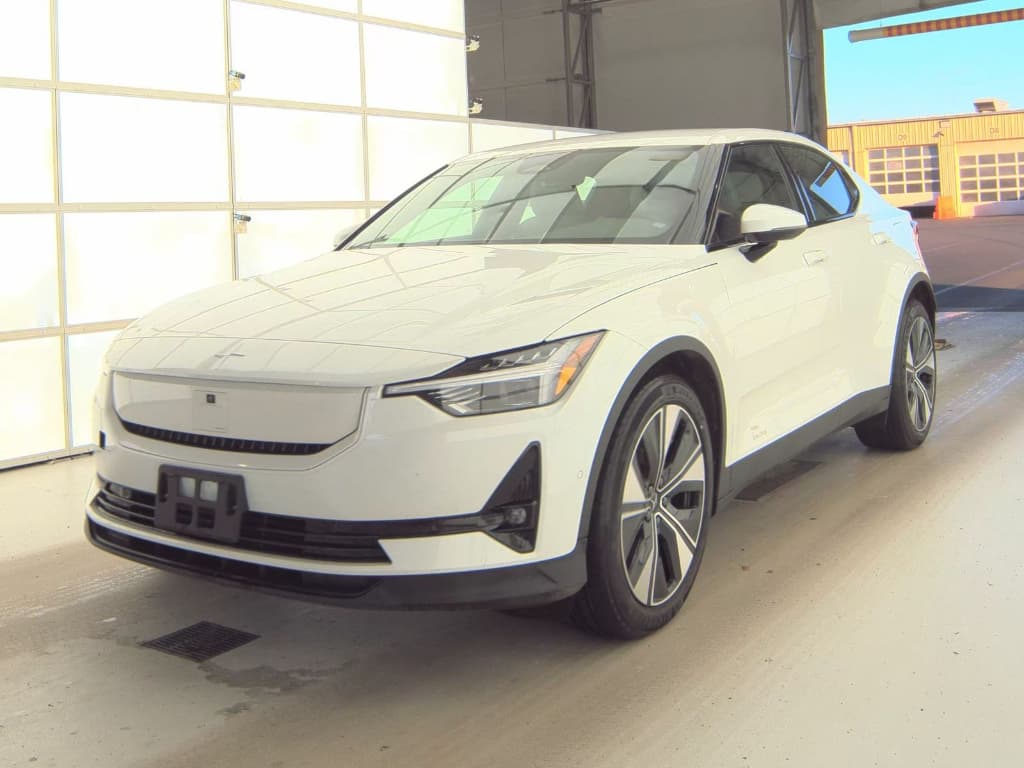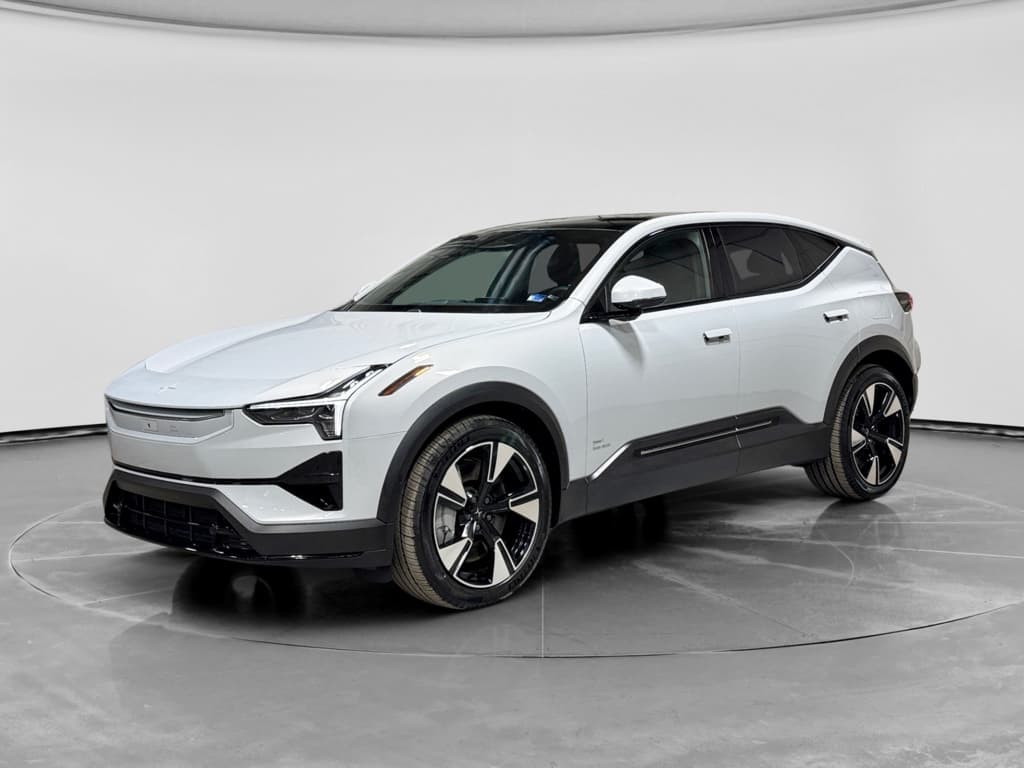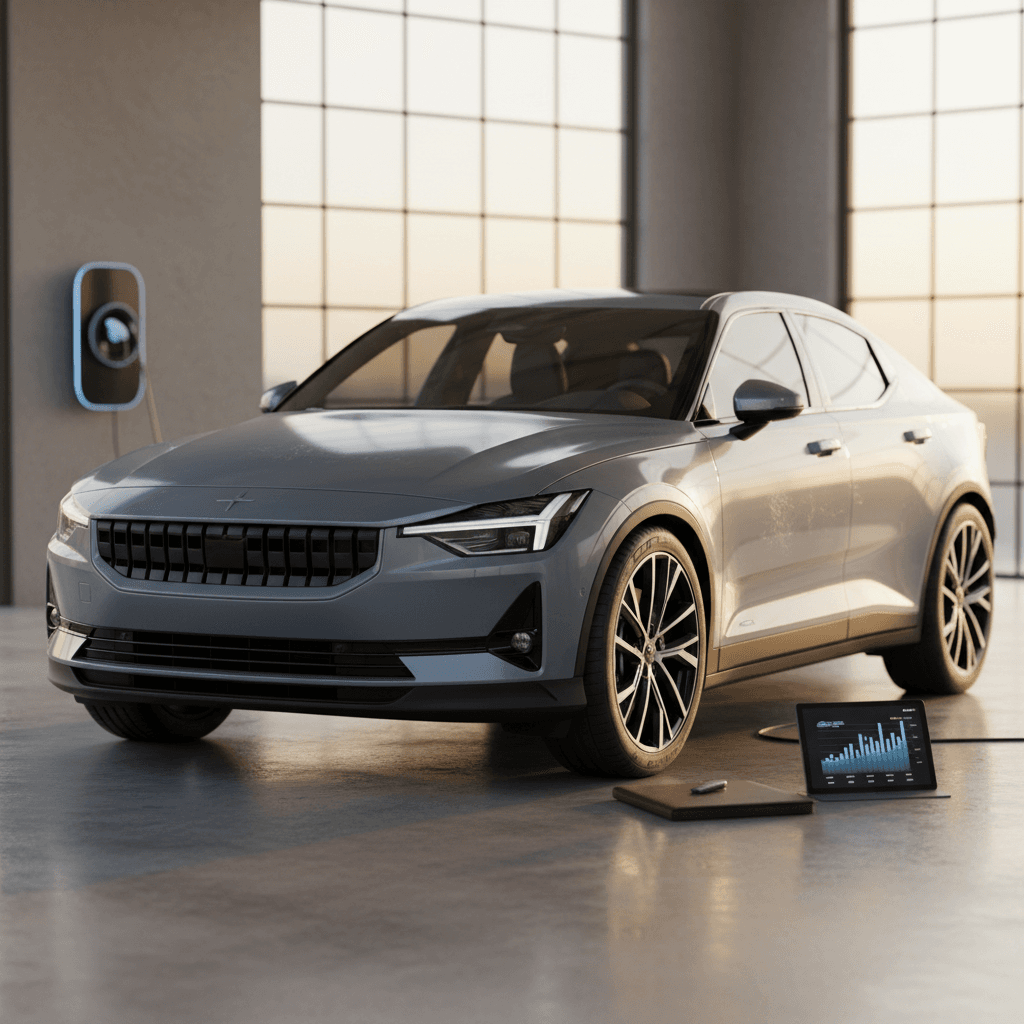
If you’re trying to sell a 2023 Polestar 2 and figure out its true value, you’ve probably seen numbers that don’t seem to agree. Some online tools quote values in the low‑to‑mid‑$20,000s, while dealer trade‑ins can come back thousands lower. In this guide, we’ll unpack what your 2023 Polestar 2 is realistically worth in 2026, and how to sell it for the strongest possible number.
Quick take
Why 2023 Polestar 2 values feel all over the map
With the 2023 model year, the Polestar 2 hit an interesting crossroads. New‑car MSRPs commonly ranged from the high‑$40,000s into the $70,000s depending on battery, motor count, and packages. At the same time, a wave of fleet and rental units hit wholesale auctions, pushing prices down and making private sellers wonder why their car suddenly seems “cheap” compared with what they paid.
Major pricing cuts from Tesla and other EV makers, plus rising interest rates, also pulled used EV values down across the board. That’s why a car that stickered near $60,000 new can sit today with advertised prices closer to $25,000, or less, for certain trims and histories. The good news: if you understand how buyers and dealers are looking at your 2023 Polestar 2, you can position your car at the top of its value range instead of the bottom.
2023 Polestar 2 value snapshot (2026, U.S. market)
What is a 2023 Polestar 2 worth today?
Online appraisal tools and dealer data show a wide range of values for a 2023 Polestar 2, largely driven by trim level, options, and use history. You’ll see numbers that look something like this for U.S. cars in 2026:
Indicative 2023 Polestar 2 value ranges (Spring 2026)
Broad ballpark ranges for typical U.S. cars; your exact value will vary by spec, region, and history.
| Configuration & condition (typical U.S.) | Mileage band | Approx. real‑world sale / trade range* |
|---|---|---|
| Single Motor, Core/Plus, fair condition | 45,000–60,000 mi | $14,000–$18,000 |
| Single Motor, Plus/Pilot, very clean | 25,000–45,000 mi | $17,000–$21,000 |
| Long Range Dual Motor, well‑equipped | 25,000–45,000 mi | $18,000–$23,000 |
| Performance Pack / BST editions | Under 40,000 mi | $20,000–$26,000 |
| Any trim, high‑mile or fleet history | 60,000+ mi or ex‑rental | $12,000–$16,000 |
Use these as starting points, not hard prices. A clean, low‑mile example with desirable options can sit above these bands, while high‑mile or rough cars may fall below.
Important disclaimer
If you plug your VIN into a few sites, you’ll probably see retail‑leaning “resale value” figures in the low‑$20,000s and trade‑in estimates that can sink into the mid‑teens. That gap reflects the margin dealers need to recondition your car, carry it on their lot, and eventually retail it with a profit.
Key factors that move your 2023 Polestar 2’s value
What buyers pay up for, and what they avoid
Six value levers you can’t ignore when selling a 2023 Polestar 2.
Mileage and usage
Accident & fleet history
Battery health proof
Service records
Trim, options & colors
Where you’re selling
Pro move: Think like a buyer
How depreciation works on a 2023 Polestar 2
Depreciation is just a formal way of describing how quickly your Polestar 2’s value slides from its original MSRP down to whatever someone will pay for it today. Early reports on the Polestar 2 showed steeper depreciation than many owners expected, especially on higher‑MSRP cars and early model years. As of 2026, the picture has settled into a more predictable pattern.
- 2023 models generally retain around the low‑to‑mid‑60% range of their original MSRP after roughly three years, assuming normal miles and no major damage.
- Earlier model years (2021–2022) have sometimes lost half or more of their original price already, partly due to heavy fleet usage and aggressive new‑EV discounting.
- Most of the drop happens in the first three to four years; beyond that, the curve tends to flatten as the car finds its long‑term value floor.
Why book values can mislead you
From a selling perspective, what matters is where your car sits relative to others on the market right now. If you’re three model years deep and still inside the battery warranty, you’re squarely in the sweet spot where someone else would rather buy your used car than a brand‑new one at full price.
Battery health and warranty: how much do they matter?
For any used EV, battery condition and warranty coverage are the two big question marks for buyers. The 2023 Polestar 2’s high‑voltage battery and drive motors are covered by an 8‑year/100,000‑mile warranty in the U.S., which runs well beyond the basic 4‑year/50,000‑mile coverage. That’s a huge plus if you’re selling in 2026, there should still be plenty of battery warranty left.
Why buyers care so much
- Battery replacement costs on premium EVs can easily run five figures if they’re not covered by warranty.
- Early online stories about out‑of‑warranty battery failures have made shoppers wary, even though they’re still rare.
- A car that’s clearly been fast‑charged heavily or run hard from new can raise concerns about long‑term degradation.
How to turn this into a selling point
- Highlight the exact warranty expiration date and mileage in your listing.
- Get a professional battery health report, Recharged includes this in every Recharged Score report so buyers can see real‑world capacity, not guesses.
- Mention light usage patterns (mostly home Level 2 charging, modest annual miles) if that’s true for your car.
How Recharged helps here
Ready to find your next EV?
Browse Vehicles
Trade‑in vs instant offer vs private sale for a 2023 Polestar 2
You have three main paths when it’s time to sell: trade your 2023 Polestar 2 in on another car, get an instant or online offer, or sell it yourself. Each strategy hits a different point on the convenience‑vs‑price curve.
Compare your selling options
What you gain, and give up, with each approach.
Traditional trade‑in
- Best for: Simplicity, when you’re already buying another car.
- Pros: Fast, tax savings in many states, minimal paperwork.
- Cons: Often the lowest dollar figure, especially on niche EVs like Polestar 2.
Instant / online offer
- Best for: Quick sale with transparent offers from multiple buyers.
- Pros: Competitive bids, no strangers at your house, easy logistics.
- Cons: Price will be wholesale‑leaning; your car still needs to match your description at inspection.
Private‑party sale
- Best for: Maximizing sale price and you’re willing to invest time.
- Pros: Often $2,000–$4,000 more than trade‑in on a desirable spec.
- Cons: Requires marketing the car, screening buyers, and handling title and payment safely.
Where Recharged fits in
Step‑by‑step checklist to maximize your sale price
Pre‑sale checklist for your 2023 Polestar 2
1. Pull your data and documents
Gather the title (or payoff info), registration, all service records, charging history if you have it, and any recall or campaign paperwork. Buyers and online buyers alike will pay more for a car with a clear paper trail.
2. Get a clean battery health report
Schedule a professional EV battery test. With Recharged, the Recharged Score report documents your 2023 Polestar 2’s state of health so you can prove the pack is in good shape instead of hoping buyers take your word for it.
3. Fix the cheap stuff, disclose the big stuff
Address inexpensive cosmetic and maintenance items, wiper blades, interior detailing, small paint touch‑ups. For larger issues, decide whether to repair or simply disclose and adjust price. Surprises discovered at inspection kill deals and value.
4. Detail the car like a dealer
Have the car professionally detailed or spend a weekend doing it yourself: wash, clay, wax, deep‑clean interior, clean glass, de‑odorize, and dress tires. A clean Polestar 2 looks newer, and “looks newer” translates directly into higher bids.
5. Capture high‑quality photos
Shoot in good natural light, show every angle, include close‑ups of wheels, interior, infotainment, odometer, and charge port. Avoid cluttered backgrounds. Good photos make your listing stand out against fleet cars with quick, low‑effort pictures.
6. Write an honest, specific listing
Spell out the trim, packages, original MSRP if you know it, remaining warranty, and any notable options like Performance Pack or heat pump. Mention home charging habits and lack of accidents if applicable. Transparency builds trust and price.
7. Get multiple valuations
Before committing, collect values from at least: <strong>two online instant‑offer tools</strong>, a local dealer, and, if you like, Recharged’s instant valuation. Seeing the spread helps you judge whether a given offer is truly strong or just easy.
Pricing strategy: how to set a realistic ask
Most private sellers either shoot the moon and sit on the car for months, or underprice it because they’re spooked by low trade‑in numbers. The right answer lives in between: you want a price that signals quality but still looks compelling compared with competing 2023 Polestar 2s in your area.
1. Start from the real market
- Search major listing sites for 2023 Polestar 2 within 250–500 miles.
- Filter out obvious fleet or rental units with bare‑bones descriptions.
- Identify 5–10 cars that closely match your mileage, trim, and condition.
- Note their asking prices, then subtract $1,000–$2,000 to account for typical negotiation room.
2. Position your car deliberately
- If your car is clearly nicer than the pack, lower miles, better options, clean history, you can price it at the upper end of that adjusted range.
- If it has cosmetic needs, higher miles, or a story in the history report, anchor yourself toward the lower end instead of insisting it’s worth more “because you love it.”
- Be ready to reduce your ask in $500–$1,000 steps if the phone stays quiet for more than two weeks.
Use trade‑in offers as a floor, not a target
Common mistakes that kill 2023 Polestar 2 value
- Ignoring cosmetic damage. Curb‑rashed wheels, obvious door dings, and filthy interiors make buyers assume the car was abused. A few hundred dollars in reconditioning can add thousands in perceived value.
- Hiding issues that will show up on inspection. Attempting to gloss over an accident, warning lights, or overdue recalls only leads to renegotiation, or a canceled deal, once the truth surfaces.
- Not mentioning remaining battery warranty. Many shoppers don’t know EV warranty details. If you don’t highlight that your 2023 Polestar 2 is still well within its 8‑year/100,000‑mile battery coverage, you’re leaving money on the table.
- Relying on a single valuation source. Book values, dealer offers, and online tools all have blind spots. Looking at several helps you avoid overreacting to one pessimistic (or overly optimistic) number.
- Listing with bad photos and thin descriptions. A few blurry driveway shots and “great car, runs perfect” copy make your Polestar 2 blend in with ex‑fleet inventory. Serious buyers will simply scroll past.
Watch out for lowball “sight‑unseen” offers
FAQs: selling a 2023 Polestar 2
Frequently asked questions about 2023 Polestar 2 value
Bottom line: is now a good time to sell?
If you’re looking to sell a 2023 Polestar 2 and maximize its value, you’re operating in a market that finally understands what this car is, and what it isn’t. Early depreciation has turned the Polestar 2 into an attractive used buy, but that doesn’t mean you have to give yours away. With clear documentation, a verified battery health report, thoughtful pricing, and a smart choice of selling channel, you can land near the top of today’s value range instead of the bottom.
Whether you decide to trade your Polestar 2 in, accept an instant offer, or leverage a specialist used‑EV marketplace, you’re not just selling a commodity, you’re selling confidence. That’s where Recharged comes in: with Recharged Score battery diagnostics, expert EV guidance, financing and trade‑in options, and nationwide delivery, we make it easier for the next owner to say “yes” to your car at a fair price. If you’re ready to see what your 2023 Polestar 2 is worth, starting with a data‑driven valuation and battery health check is the smartest first move you can make.