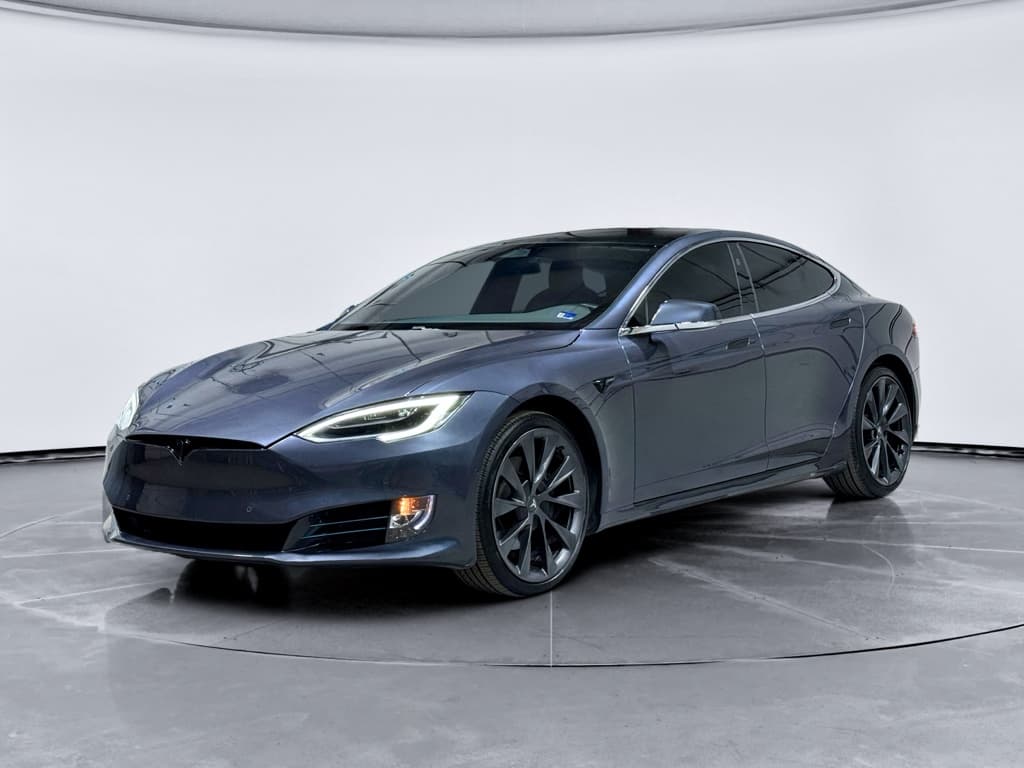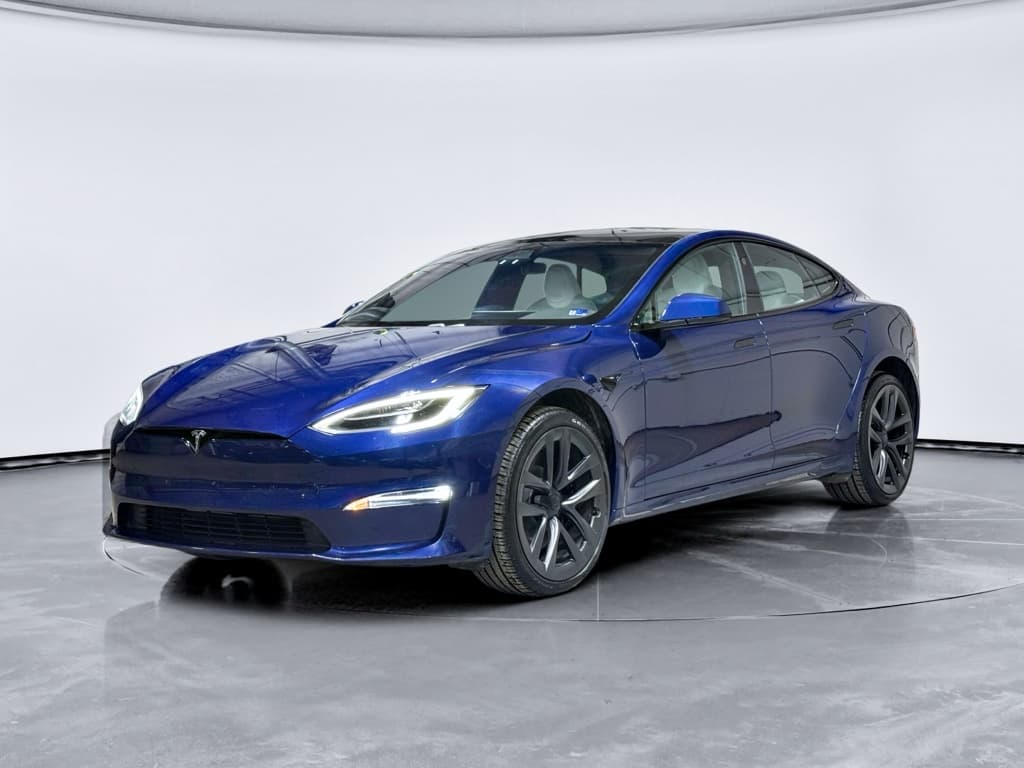
If you’re trying to sell a 2021 Tesla Model S and maximize its value in 2026, you’ve probably noticed something odd: prices are all over the map. The same model year might list anywhere from the low $30,000s to the $60,000s depending on trim, mileage, options, and seller. This guide breaks down what your car is realistically worth right now, what actually drives that number up or down, and how to choose the best way to sell, whether that’s a quick trade‑in or a higher‑effort private sale or listing on an EV‑focused marketplace like Recharged.
Key takeaway up front
Why 2021 Model S values look “weird” in 2026
To understand your 2021 Tesla Model S value, you have to start with the market context. The 2021 model year is the first of the major “Palladium” refresh, with redesigned interior, updated powertrains, and the introduction of the Plaid. That makes it much more desirable than pre‑refresh cars, but 2021 values have also been hammered by Tesla’s aggressive new‑car price cuts since 2022 and by a broader cooling in demand for expensive EVs.
2021 Model S value snapshot in 2026 (big picture)
Price cuts on new Teslas don’t just hurt new‑car buyers; they ripple into the used market. When you can buy a heavily discounted new or nearly‑new Model S, buyers demand a steeper discount on a 5‑year‑old 2021. That’s why you may see numbers that feel shockingly low compared with what you paid.
How much is a 2021 Tesla Model S worth today?
Let’s anchor some realistic value bands for a 2021 Model S in the U.S. as of spring 2026. These are directional, not offers, but they’ll help you sanity‑check the numbers you’re seeing.
Typical 2021 Tesla Model S value bands in 2026 (U.S.)
Rough retail / private‑party asking‑price ranges assuming clean title and no major structural damage. Exact pricing depends on your specific spec, options, and history.
| Trim / condition | Approx. mileage | Typical asking range | Notes |
|---|---|---|---|
| Long Range / Dual Motor, higher miles | 80,000–120,000+ | $30,000–$38,000 | Base spec, fleet or high‑mileage commuters; any accident history or curb rash pushes you to the low end. |
| Long Range, average miles | 40,000–80,000 | $36,000–$46,000 | Most common band; strong service history, good tires, clean interior land toward the top. |
| Long Range, low miles | Under 40,000 | $45,000–$52,000 | One‑ or two‑owner cars with clean Carfax and desirable colors/options can still command a premium. |
| Plaid, higher miles | 60,000–100,000+ | $45,000–$55,000 | Performance buyers still pay for Plaid, but track use, wheels and tire wear matter. |
| Plaid, average/low miles | Under 60,000 | $55,000–$65,000+ | Well‑specced Plaid cars with low miles, no accidents, and clean interiors can sit well above the averages. |
| “Story” cars (salvage, major repair) | Any | Often under $30,000 | Branded titles, airbag deployment, or unresolved issues can cut value dramatically. Some buyers won’t consider them at all. |
Use this as a starting point, then adjust for options, history, and battery health.
Don’t confuse listing prices with sale prices
For a more precise number, you should layer this high‑level picture with at least one valuation tool (KBB, Edmunds, CarEdge, etc.) and real‑world listings in your region, then adjust for your car’s specific mileage, options, battery condition, and history. An EV‑focused marketplace like Recharged effectively does this synthesis for you when it generates an instant offer or recommended list price.
What actually moves the needle on your 2021 Model S value
The biggest value drivers for a 2021 Model S
Trim, miles, battery, history, and software matter more than you think.
1. Trim & options
2. Mileage & usage
3. Battery health
4. Title & accident history
5. Software & options
6. Where and how you sell
Quick way to benchmark your car
Deciding how to sell: trade‑in, private sale, or EV marketplace
Traditional dealer trade‑in
- Pros: Fastest path. You walk in with a car and walk out with paperwork done, often in the same day.
- Cons: Dealers build margin into the offer, especially on high‑ticket EVs they don’t fully understand. Expect to net below private‑party value.
- Best for: Sellers with negative equity, time pressure, or who strongly value a one‑stop transaction.
Private party sale
- Pros: Typically maximizes dollar value if you price correctly and are patient.
- Cons: Listing management, test drives, tire‑kickers, fraud risk, and handling payment/DMV yourself.
- Best for: Sellers comfortable screening strangers and handling paperwork, with enough time to optimize price.
EV‑specialist marketplace (like Recharged)
- Pros: EV‑savvy pricing, national buyer pool, battery‑health reporting, and help with logistics and paperwork. Recharged can give you an instant offer or help you consign the car to target top‑of‑market value.
- Cons: You may net a bit less than a perfect private sale, but usually more than generic trade‑in offers.
- Best for: Owners who want strong value and a streamlined, EV‑specific experience.
Where Recharged fits in
Ready to find your next EV?
Browse VehiclesStep‑by‑step: how to sell your 2021 Model S for maximum value
Pre‑sale checklist for a high‑value 2021 Model S sale
1. Pull your data and documents
Download service history, have your registration and title handy, and gather any records for tire replacements, glass, suspension work, or warranty repairs. Buyers pay more for a documented car.
2. Document current battery range
Charge close to 100% and photograph the rated range on the screen. If you’ve used a third‑party app or a Recharged Score report to measure battery health, keep that ready. Transparency here calms range‑anxious buyers.
3. Fix inexpensive cosmetic issues
Curb‑rashed wheels, filthy interiors, and minor paint scuffs erode value beyond their repair cost. A detail plus minor wheel repair can move you up a full pricing band.
4. Check for outstanding recalls or service items
If there are open recalls or service campaigns, schedule them before listing. A car that’s “up to date” is easier to price aggressively and defend during negotiation.
5. Get a realistic valuation range
Run your VIN and mileage through at least one valuation tool, then compare similar 2021 listings nationally and in your region. Use that to set a rational asking price rather than guessing.
6. Choose your selling channel strategically
If you want pure speed, lean toward a trade‑in. If you want top dollar with help, request an instant offer or consignment conversation with Recharged. If you want to DIY everything, prep for a private listing with great photos and a clear description.

Battery health: why buyers are (rightly) obsessed with it
For a 2021 Model S, the single biggest unknown in a buyer’s mind is, “How much real‑world range does this thing still have?” Tesla’s official battery warranty (8 years / 150,000 miles for the long‑range packs, with at least 70% capacity retention) gives some comfort, but in practice buyers want evidence, not just a warranty blurb.
- Typical 2021 Model S Long Range cars in 2026 often show a modest range drop vs. original EPA numbers, especially if they’ve seen frequent fast charging or high annual mileage.
- Plaid models tend to have been driven harder; track days, high‑speed use, and 21‑inch wheels can all contribute to faster real‑world battery and tire wear.
- A car that can demonstrate healthy range, modest supercharger usage, and balanced charging habits can justify thousands more than an otherwise similar car with questionable data.
How Recharged handles battery uncertainty
Pricing strategy: don’t leave thousands on the table
With a volatile used‑Tesla market, your pricing strategy matters as much as the number itself. Price too high and you burn your first 30 days on market, the most important window, while the car silently depreciates. Price too low and you leave money on the table in exchange for speed you might not actually need.
Three practical pricing strategies for a 2021 Model S
Choose based on your risk tolerance and timeline.
Aggressive (fast sale)
Market‑correct (balanced)
Aspirational (slow, risky)
Avoid the “Tesla optimism tax”
When it makes sense to sell your 2021 Model S now vs. wait
Most 2021 Model S owners are sitting at a crossroads in 2026. You’re roughly halfway through the battery warranty by time, and many cars are in the 40,000–80,000‑mile band. The decision to sell now or wait a couple of years should be driven less by speculative price forecasts and more by your own usage, costs, and alternatives.
Sell now or later? Two realistic paths
Sell in 2026–2027 (near‑term)
You’re approaching mileage milestones (e.g., crossing 75,000–100,000 miles) that will start to drag down value.
You’re eyeing a different EV or a lower‑cost vehicle and want to exit while you still have warranty runway left.
You’re concerned about potential further Tesla price cuts impacting used values and prefer to de‑risk now.
Your local incentives, tax situation, or employer charging benefits make switching sooner financially attractive.
Hold 2–4 more years
Your car has relatively low miles and you’re happy with its performance and range.
You’ve already absorbed the steepest part of the depreciation curve and are comfortable with slower, steady value loss.
You don’t see a compelling replacement EV yet, or the cost to change feels too high right now.
You’re okay with the possibility that by 2028–2029, your 2021 may fall into a much cheaper price tier as newer tech filters down.
Run the math, not just the feelings
Frequently asked questions about selling a 2021 Model S
2021 Tesla Model S selling FAQ
Bottom line: how to sell smart in a fast‑moving Tesla market
The 2021 Model S sits at an awkward but opportunity‑rich point in its life cycle. Depreciation has already done its worst, yet the car still offers cutting‑edge performance, software, and range compared with most of what’s on the road. If you understand where your particular car sits on the value curve, and you’re honest about trim, mileage, battery health, and history, you can still sell your 2021 Tesla Model S for strong money in 2026.
Your main levers are simple: present a clean, well‑documented car; price it based on today’s market rather than yesterday’s hype; and pick a selling channel that matches your priorities for time, hassle, and risk. Whether you opt for a quick exit, a DIY private sale, or an EV‑specialist partner like Recharged with tools like the Recharged Score and nationwide delivery, the goal is the same: translate the real strengths of your 2021 Model S into a price that reflects them, without getting left behind by a fast‑evolving EV market.