When people ask for the safest EV, they’re usually looking for a simple winner: “Just tell me the one electric car that’s safest for my family.” The reality is more nuanced. Safety depends on crash-test scores, vehicle size, driver‑assistance tech, battery engineering, and, crucially, how the car has been driven and maintained if you’re buying used.
Key takeaway
Why “safest EV” is harder to answer than it looks
Before we name any specific models, it helps to understand why the phrase “safest EV” is slightly misleading. Safety ratings are always relative, to the tests, the size class, and even to how honest each automaker is willing to be about trade‑offs.
- Crash tests compare cars within size classes, not across the entire market. A small Top Safety Pick EV still obeys physics when it meets a three‑row SUV in an intersection crash.
- Different agencies (IIHS vs NHTSA) measure slightly different things and use different scoring systems.
- Active safety tech (like automatic emergency braking) can prevent crashes altogether, but rating systems are still catching up to how to measure that.
- For used EVs, software updates, recall repairs, and even tire choice can meaningfully change real‑world safety.
Don’t over‑interpret a single score
How EV safety is actually measured
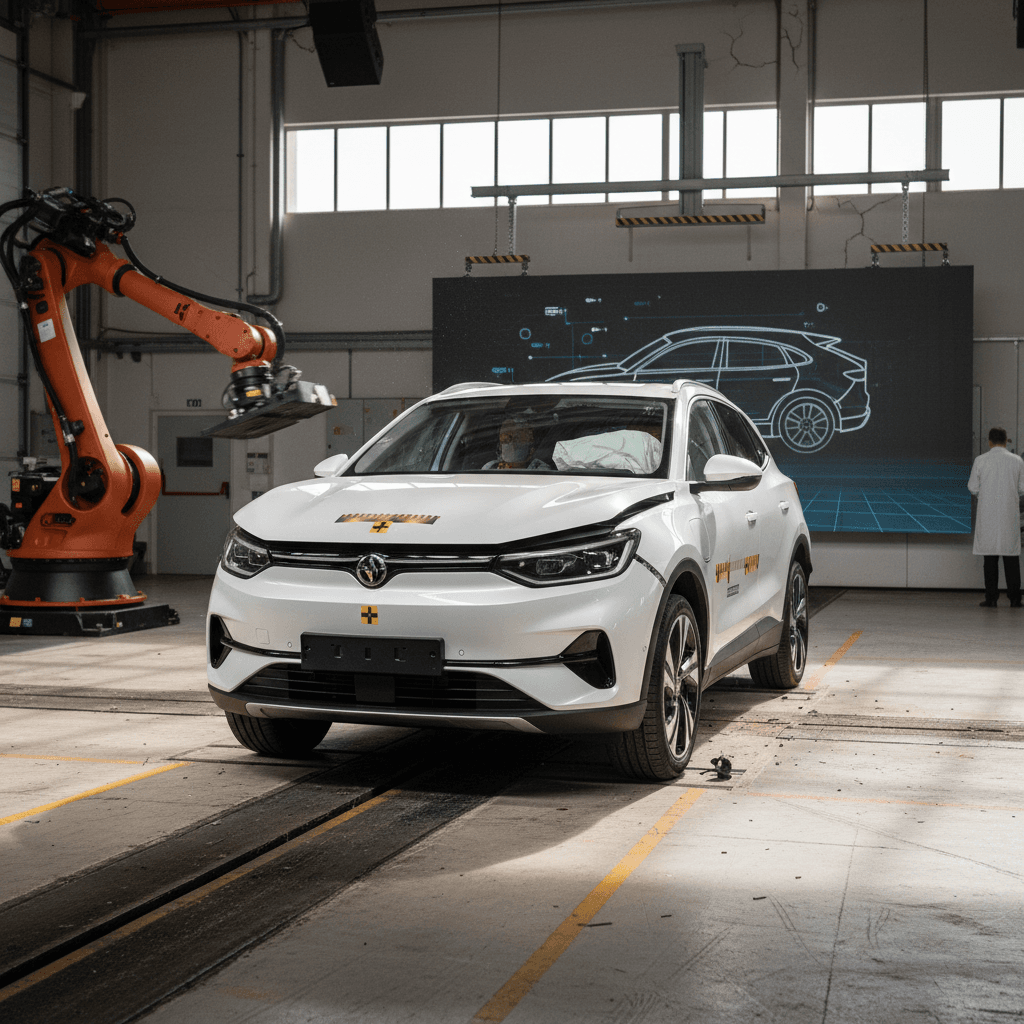
In the U.S., two independent organizations dominate the conversation about vehicle safety: NHTSA (a government agency) and the Insurance Institute for Highway Safety (IIHS) (a nonprofit funded by insurers). Both publish detailed ratings that heavily influence which EVs get called “safe.”
The two main safety rating systems for EVs
Understanding the badges you see on window stickers and ads
NHTSA 5‑Star Safety Ratings
NHTSA performs frontal, side, and rollover crash tests and gives vehicles an overall star rating from 1 to 5.
- What to look for: Overall 5‑star rating, plus strong side‑impact and rollover scores.
- Limitations: Less emphasis on advanced driver‑assistance tech and pedestrian protection than IIHS.
IIHS Top Safety Pick & Top Safety Pick+
IIHS runs a tougher battery of tests, including updated moderate overlap and side‑impact tests, plus headlight and pedestrian crash prevention evaluations.
- What to look for: Top Safety Pick+ (TSP+) with “Good” in most crash tests.
- Limitations: Awards are by size class; a TSP+ small SUV isn’t automatically safer than a larger non‑winner.
Where to check ratings
What the numbers say about EV safety
Safest EVs in 2025: The data-based shortlist
As of late 2025, several EVs stand out because they combine strong IIHS Top Safety Pick+ results with excellent active‑safety tech and solid NHTSA performance where ratings are available. Think of these as the current front‑runners for “safest EVs,” grouped by type.
Safest EVs in 2025 (U.S. market)
Selected EVs with Top Safety Pick+ and/or 5‑star ratings plus robust active safety features.
| Segment | Model | Notable Safety Credentials | Why it stands out |
|---|---|---|---|
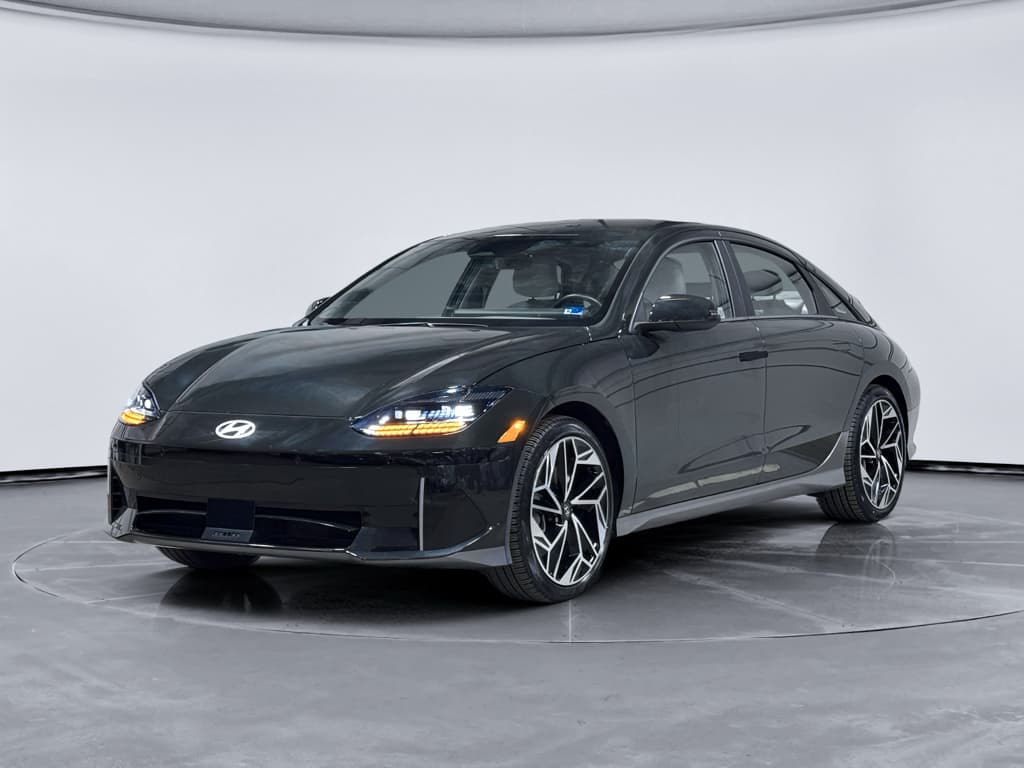
| Midsize sedan | Hyundai Ioniq 6 | IIHS Top Safety Pick+; NHTSA 5‑star overall | Consistently “Good” in IIHS crash tests; strong pedestrian detection and lane‑keeping; relatively low ride height improves stability. |
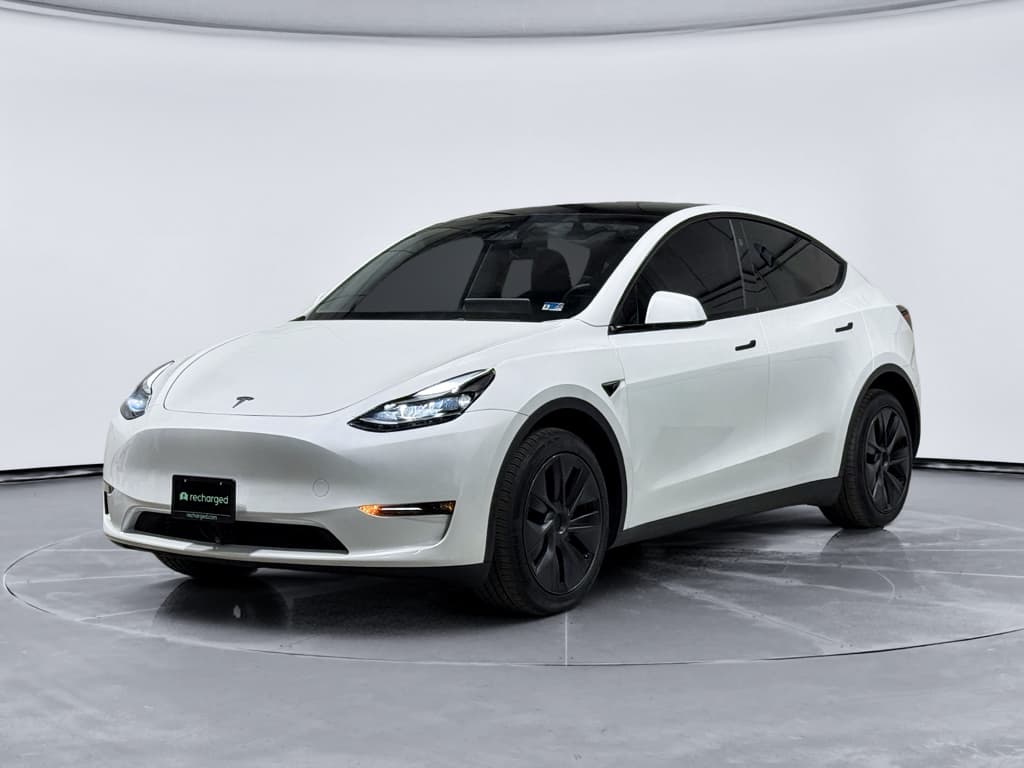
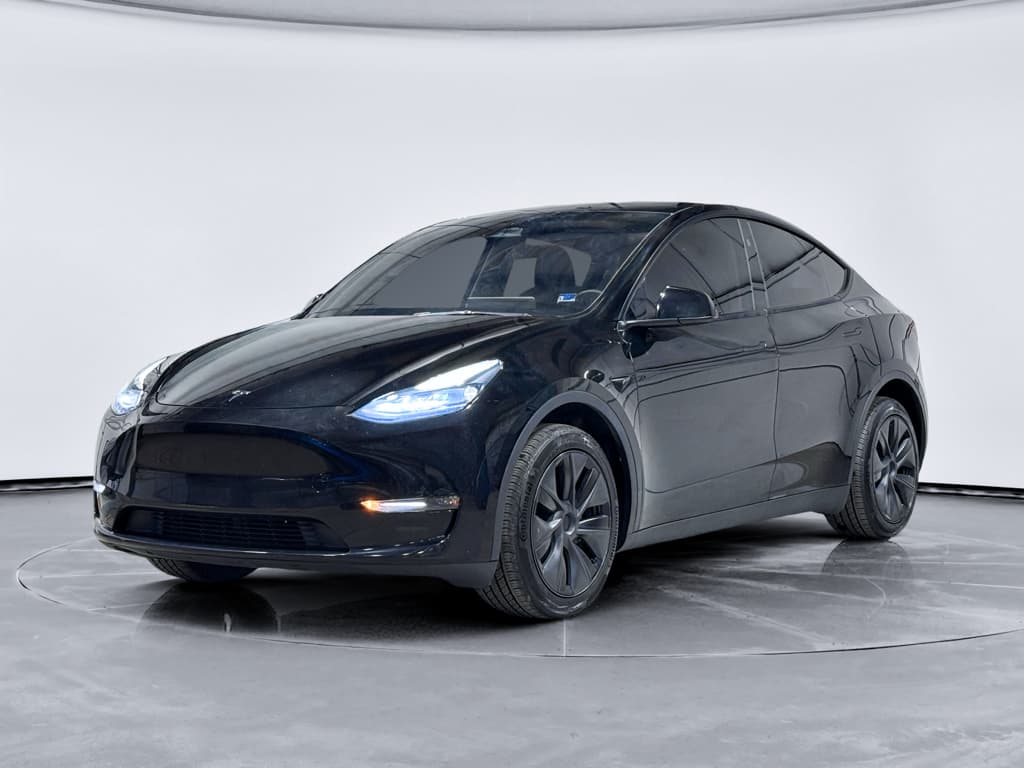
| Compact/midsize SUV | Tesla Model Y | IIHS Top Safety Pick+ (2025); strong NHTSA scores | High scores in IIHS crashworthiness and crash‑avoidance evaluations; low rollover risk thanks to battery‑pack placement and stability control. |
| Compact/midsize SUV | Hyundai Ioniq 5 | IIHS Top Safety Pick+ (small SUV) | Excellent IIHS ratings and robust standard driver‑assistance suite, including junction‑turning AEB on many trims. |
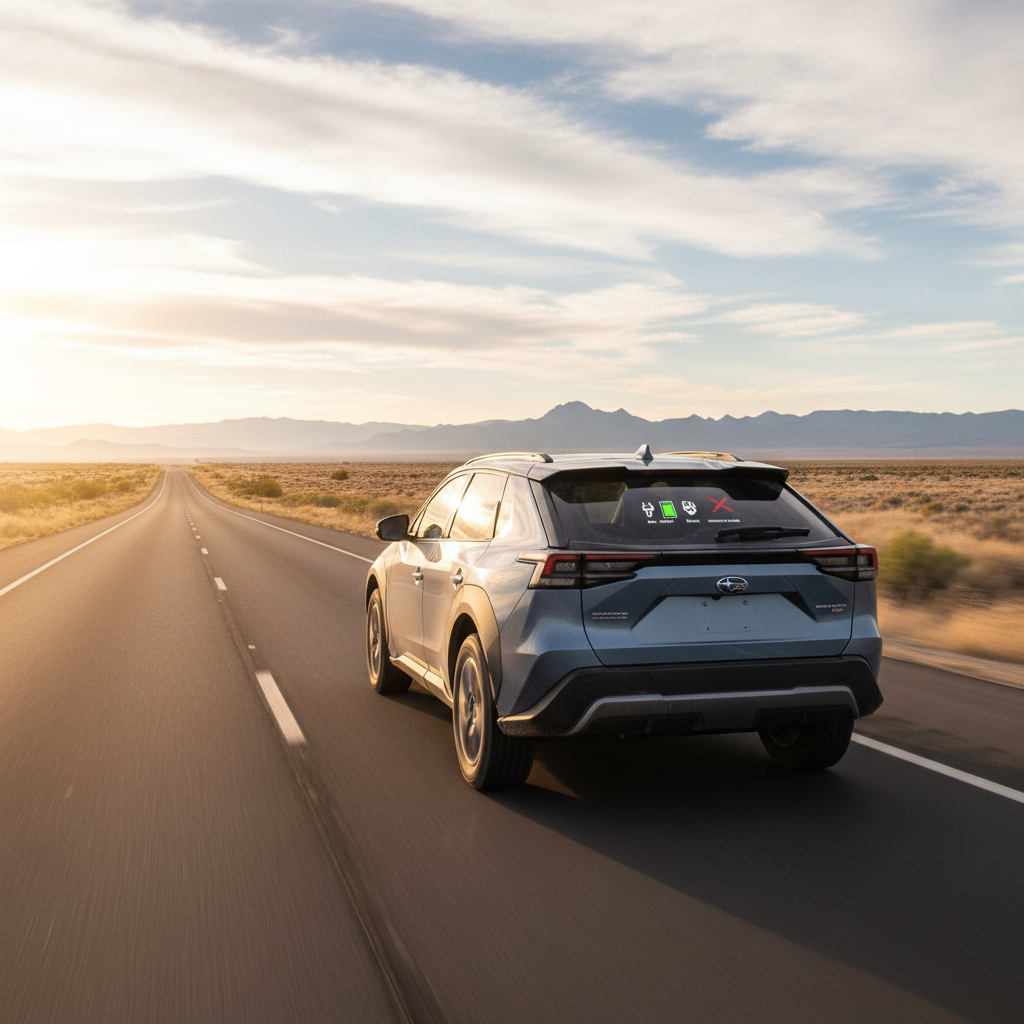
| Small SUV | Subaru Solterra / Toyota bZ4X | IIHS Top Safety Pick+ (built after late 2024) | Shared platform with extensive updates; strong structure, all‑wheel drive availability, and good pedestrian crash‑prevention systems. |
| Midsize SUV | Ford Mustang Mach‑E | IIHS Top Safety Pick+ | High marks for crashworthiness; standard blind‑spot monitoring and cross‑traffic alert; good pedestrian detection on most trims. |
| Midsize SUV | Kia EV9 | IIHS Top Safety Pick+ | Three‑row family SUV with strong IIHS scores; multiple airbags, robust crash‑avoidance, and good headlights on most trims. |
| Midsize luxury SUV | Audi Q6 e‑tron | IIHS Top Safety Pick+ | Advanced suite of driver‑assistance systems and excellent crash‑test performance; standard cross‑traffic and lane‑keeping tech. |
| Midsize luxury SUV | Genesis Electrified GV70 | IIHS Top Safety Pick+ (2025–26) | High crash‑test scores plus extensive active safety features and strong structural performance. |
| Midsize luxury SUV | Tesla Model Y (again) | IIHS Top Safety Pick+ (2025) | Worth mentioning twice because it’s both mainstream and very common on used markets; safety tech updates via over‑the‑air software. |
| Large SUV | Rivian R1S | IIHS Top Safety Pick+ (2025–26, later builds) | Excellent crashworthiness and pedestrian protection; very rigid structure; strong off‑road stability and advanced ADAS suite. |
Always confirm ratings for the exact model year and trim you’re considering.
Don’t forget build dates
Best “safest EV” picks by common use case
If you just want a short list to shop from
Commuter / couple
- Hyundai Ioniq 6 – Superb crash tests, efficient, and loaded with safety tech.
- Hyundai Ioniq 5 – If you prefer an SUV form factor.
Family hauler
- Kia EV9 – Three rows, strong IIHS results, and excellent driver aids.
- Rivian R1S – For families that mix road trips with rougher roads (later‑build models).
All‑weather & adventure
- Ford Mustang Mach‑E with AWD – Strong safety ratings and winter‑friendly setup.
- Subaru Solterra – Subaru’s safety focus plus EV all‑wheel drive.
Beyond crash tests: what really makes an EV safe
Crash tests tell you how a car performs in standardized lab scenarios. Real‑world safety adds several more layers: software quality, driver behavior, tires, and even how the battery pack is cooled and protected.
1. Active safety & driver‑assistance
Modern EVs are packed with ADAS (advanced driver‑assistance systems): automatic emergency braking, lane‑keeping assist, blind‑spot monitoring, adaptive cruise control, and more. These systems prevent or soften crashes before the structure is ever tested.
- Look for standard automatic emergency braking with pedestrian detection.
- Check whether lane‑keeping and blind‑spot monitoring are included or extra.
- Be wary of “hands‑free” marketing; these systems are driver aids, not chauffeurs.
2. Battery & fire safety
EV fires make headlines, but on a per‑mile basis, battery fires remain rarer than gasoline fires. When they do happen, they’re harder to extinguish and can burn hotter, which is why some buildings and HOAs have reacted with caution.
- Choose EVs with a strong track record of battery‑pack integrity and clear recall history.
- Check for recalls on high‑voltage components and charging systems.
- Use high‑quality charging equipment and avoid makeshift wiring or damaged cables.
About recalls and over‑the‑air fixes
- Tire choice dramatically affects stopping distances. Ultra‑efficient eco tires can trade some grip for range; if you live in a wet or snowy climate, consider all‑season or dedicated winter tires.
- Weight distribution and low center of gravity make EVs stable in emergency maneuvers, but also harder on brakes and tires over time. Maintenance matters.
- Visibility (good headlights, rear view, camera resolution) plays a huge role in avoiding crashes in the first place. IIHS explicitly scores headlight performance for this reason.
EVs vs gas cars: which is actually safer?
If you’re cross‑shopping gas and electric cars, you might be wondering whether going electric is a step up or down in safety. On balance, today’s mainstream EVs are at least as safe as comparable gas vehicles, and often safer, but there are trade‑offs worth understanding.
EV safety strengths and trade‑offs
Why EVs often excel, and where they demand more care
Where EVs tend to be safer
- Crash structure: Without an engine up front, many EVs can optimize crumple zones and keep cabins very rigid in front impacts.
- Rollover resistance: Battery packs low in the chassis lower the center of gravity, reducing rollover risk.
- Active safety tech: EVs are usually the first to get the latest driver‑assistance systems and over‑the‑air updates.
- Fire risk: Statistically fewer fires per mile than gasoline vehicles, though EV fires are more complex to fight.
Where EVs demand attention
- Weight: Heavy EVs can inflict more damage on lighter vehicles in multi‑car crashes.
- Instant torque: Quick acceleration can lead to loss‑of‑control incidents if drivers aren’t used to the power.
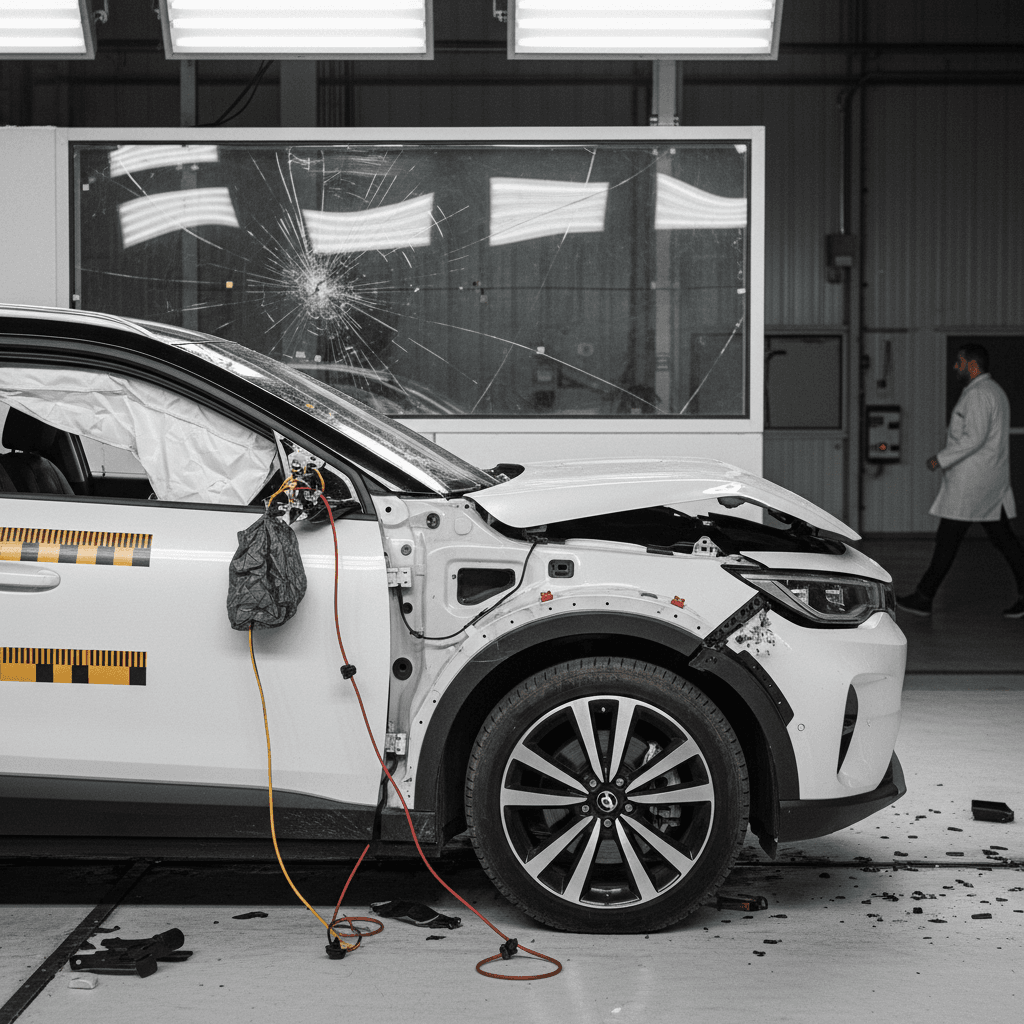
- Repair complexity: A minor‑looking crash can total an EV if it damages the battery pack, especially if parts or expertise are limited.
- Charging safety: Poorly installed home wiring or cheap third‑party chargers can introduce avoidable risk.
Good news for safety‑minded buyers
How to choose a safe used EV
Most of the EVs that statistically matter for safety are the ones already on the road, especially popular models like the Tesla Model Y, Hyundai Ioniq 5/6, Ford Mustang Mach‑E, and others that are now hitting the used market in large numbers. The safest EV on paper can become a bad bet if it’s poorly maintained or missing key updates.
Used EV safety checklist
1. Verify crash-test pedigree
Look up the exact year, body style, and drivetrain of the EV on IIHS and NHTSA. Confirm whether its top ratings (TSP+, 5‑star) apply to your build, and whether any notes exclude earlier production dates.
2. Pull a full recall & campaign history
Use the VIN to search for open recalls, especially anything involving the high‑voltage battery, airbags, or driver‑assistance systems. Ask the seller for documentation of completed recall work.
3. Check software version and update history
For EVs with over‑the‑air updates (Tesla, Rivian, Hyundai/Kia, Ford and others), confirm that safety‑related updates are installed. A car that’s been offline for months can be missing critical fixes.
4. Inspect tires, brakes, and windshield
High torque and weight can chew through tires and brakes faster than a gas car. Uneven tire wear, cheap replacements, or a cracked windshield with camera‑based ADAS can all undermine safety.
5. Ask for a battery health assessment
Degraded batteries don’t just reduce range; they can affect thermal management and performance. Tools like a <strong>verified battery health report</strong> help you understand the pack’s condition before you buy.
6. Test driver-assistance behavior
On a test drive, safely validate that adaptive cruise, lane‑keeping, blind‑spot monitoring, and emergency braking behave as expected. If anything feels inconsistent or throws warnings, treat that as a serious red flag.
How Recharged helps with used EV safety
How Recharged thinks about EV safety
Because Recharged is focused entirely on electric vehicles, we’ve had a front‑row seat to how quickly EV safety tech is evolving, and how confusing that can be for shoppers. Our view is simple: the safest EV is the one where the engineering, software, and ownership story all line up.
Recharged’s core safety principles for used EVs
What we look at beyond the usual checklist
1. Structural and rating fundamentals
2. Battery health & thermal management
3. Real‑world usage & history
Ready to find your next EV?
Browse Vehicles“The real revolution in EV safety isn’t just big crash-test numbers, it’s how software, batteries, and ownership patterns interact over time. The cars are evolving fast; our buying habits have to evolve with them.”
Safest EV FAQ
Safest EV: frequently asked questions
Bottom line: picking the safest EV for you
If you want the “safest EV,” don’t just latch onto a single model name. Start with EVs that earn IIHS Top Safety Pick+ or 5‑star NHTSA ratings in their class, then layer on the realities of your life: how many people you haul, how far you drive, what your roads and weather look like, and how comfortable you are with advanced driver‑assistance tech.
From there, drill down into the specifics, recall history, software updates, battery health, tires, headlights. Whether you’re shopping new or used, treating safety as an ongoing process rather than a one‑time badge is the best way to protect yourself and the people who ride with you.